Keep up to date with our latest company news and relevant industry knowledge.
Time: 2026-01-13 09:51:56 Source: Henan Province Jianyun Cable Co., Ltd.
The difference between **wiring** and **cabling** confuses many people, even experienced installers. In everyday language the terms are often used interchangeably, but technically **wire vs cable** refers to two distinct concepts with different construction, applications and code requirements.
This practical 2026 guide explains the real difference clearly, so you can select the correct product for safe, compliant and long-lasting electrical installations.
At its core, **wiring** usually refers to the use of individual insulated conductors, while **cabling** refers to pre-assembled multi-conductor products with an overall sheath.
The distinction matters because most modern electrical codes require sheathed cables for final circuits in buildings, while single wires are primarily used inside conduit or panels.
Understanding this difference helps you comply with regulations, save time during installation and avoid costly rework.
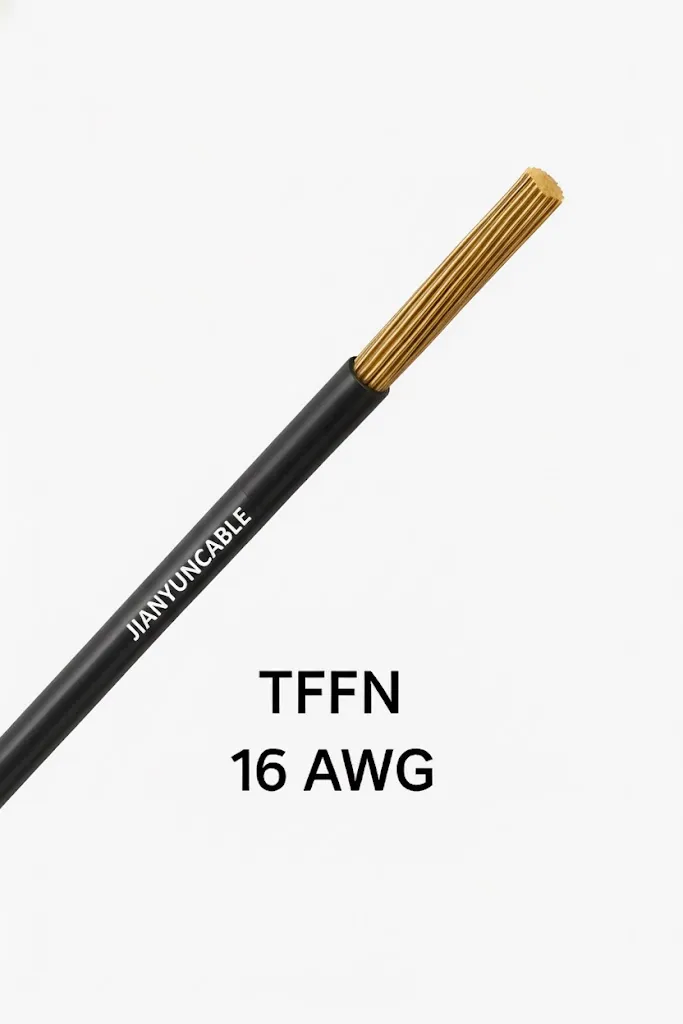
**Wiring** generally means the act of installing individual conductors (wires) to connect electrical devices. These are single insulated metallic conductors — copper or aluminium — designed to be pulled through conduit or raceways.
**Cabling** refers to factory-assembled products that contain two or more insulated conductors bundled together under a common protective outer jacket or sheath.
In short: wiring is the process or the use of single wires; cabling is the finished multi-conductor product ready for installation.
A single wire (e.g., THHN, H07V-U) consists of one conductor plus its insulation layer. It is lightweight, highly flexible and intended for point-to-point connections inside protected systems.
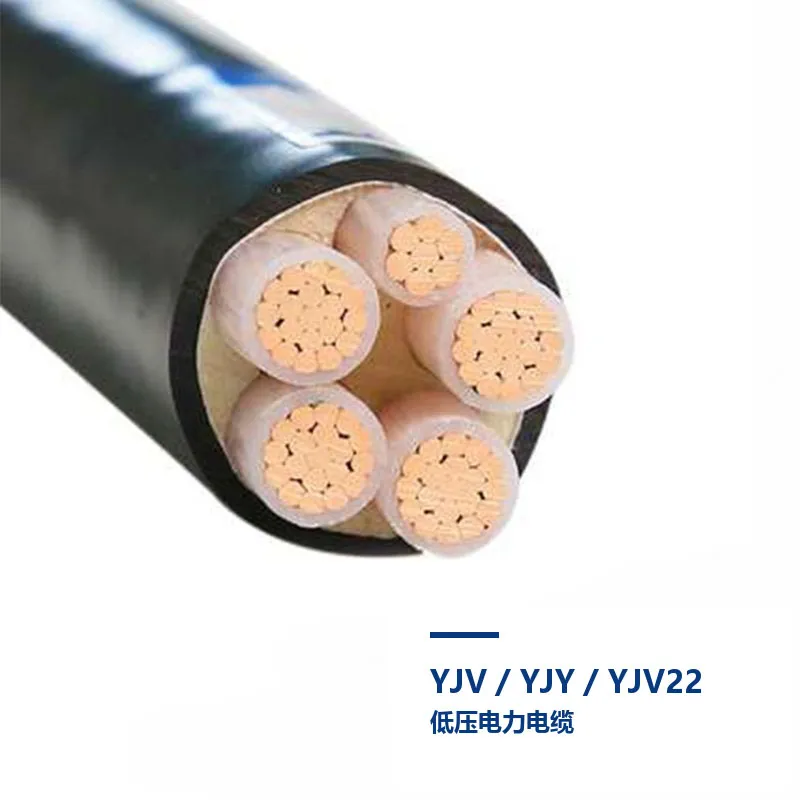
A cable (e.g., NM-B/Romex, NYM, SWA) contains multiple conductors, each individually insulated, then grouped with optional fillers, shielding or armour, and finally covered by an overall jacket for mechanical and environmental protection.
This extra layer is what fundamentally separates **wire vs cable** in both construction and permitted use.
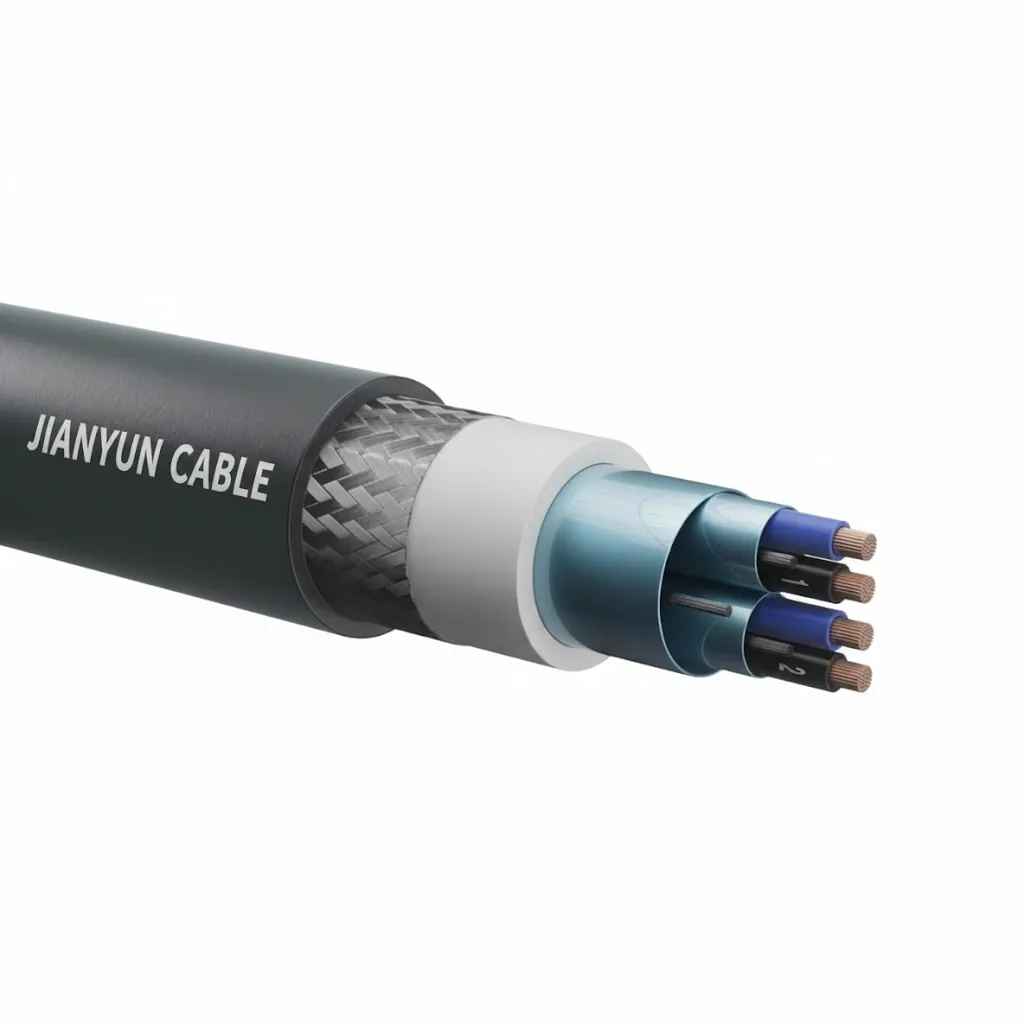
Single wires are mainly used inside conduit, trunking, panels, switchgear and for appliance internal connections where individual routing is required.
Cables are used for complete fixed circuits: from distribution board to sockets, lighting points, underground feeders, machine connections and multi-phase power distribution.
Most residential and commercial final circuits now require sheathed cables for safety and ease of installation.
| Feature | Wiring (Single Conductors) | Cabling (Multi-Conductor Cables) |
|---|---|---|
| Number of Conductors | One | Two or more |
| Outer Protection | Insulation only | Overall sheath/jacket + optional armour |
| Typical Installation Method | Pulled through conduit/raceway | Direct fixed installation |
| Mechanical Protection | Provided by conduit | Built-in (especially armoured) |
| Code Requirement for Final Circuits | Usually prohibited | Required in most modern codes |
| Cost per Meter | Lower | Higher |
Use individual wires when working inside conduit systems, control panels, motor connections or where maximum flexibility for routing is needed.
Choose cables for most fixed building wiring, underground feeds, outdoor supplies and any application requiring built-in grouping and protection.
Always follow the latest edition of your local electrical code — many countries now mandate sheathed cables for safety reasons.
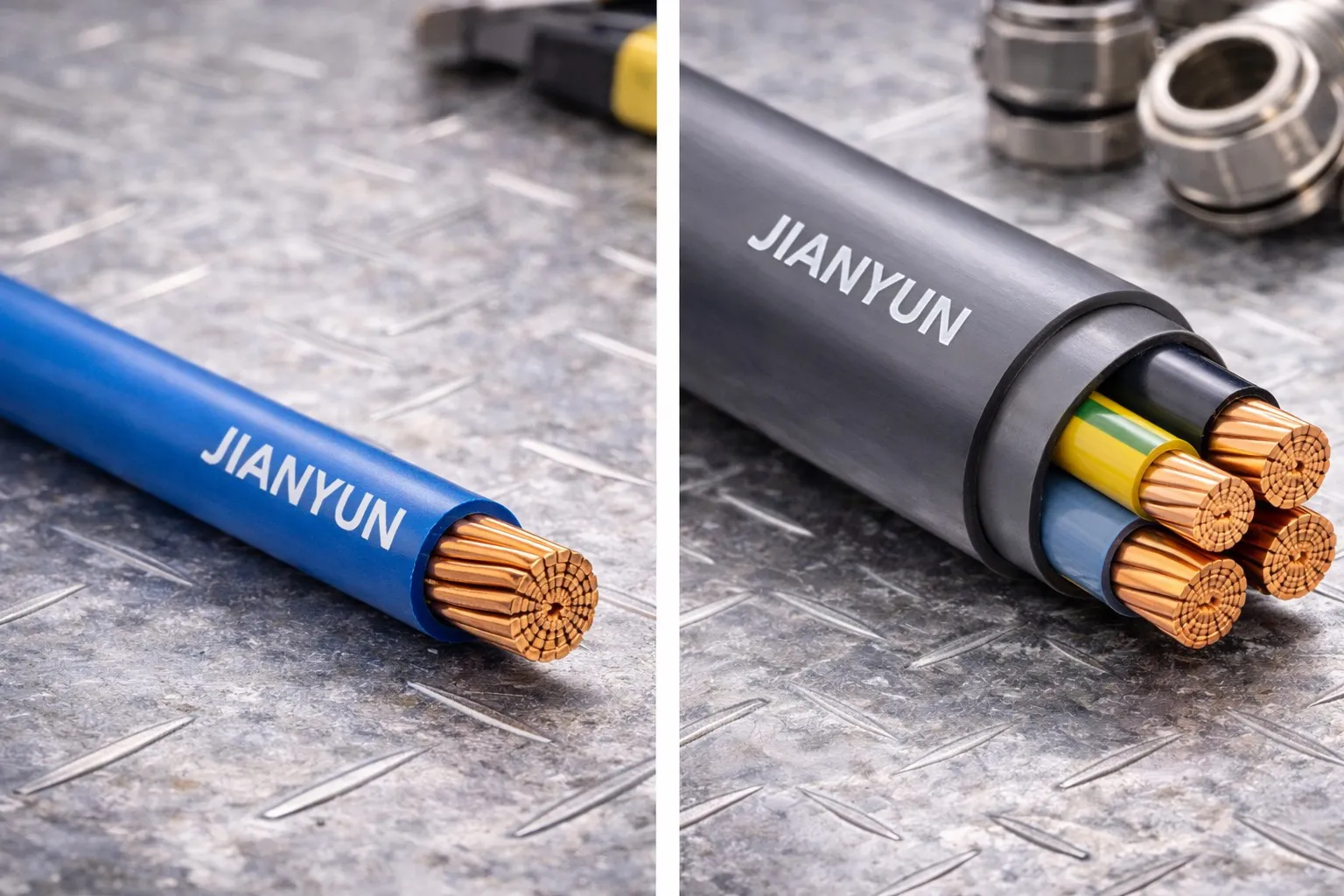
Romex (NM cable) is cabling — multiple conductors inside one outer sheath.
In most countries no — final circuits require sheathed cables for safety and code compliance.
Cables include extra manufacturing steps: grouping conductors, adding fillers, shielding/armour and an overall jacket.
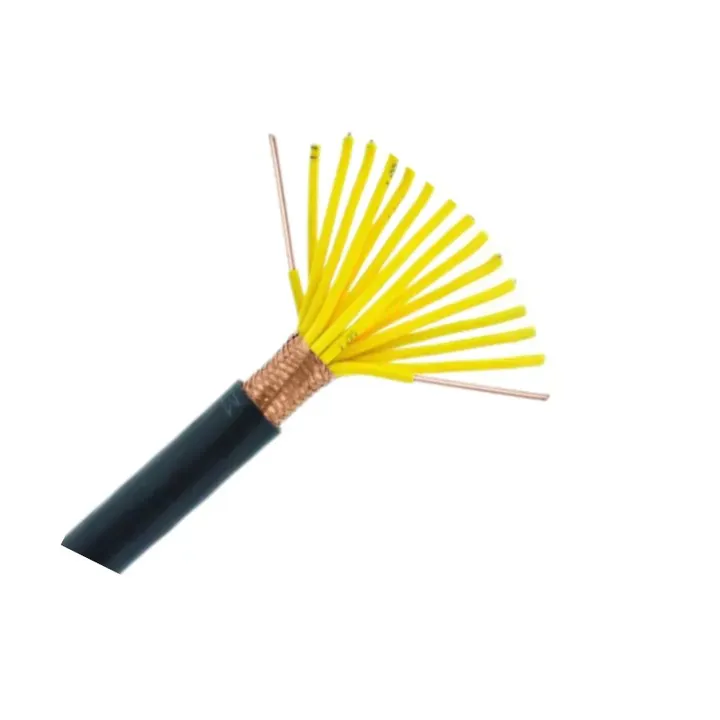
Need high-quality cables or wires for your next project? Explore our trusted range of Armoured Power Cables and Flexible Control Cables. Contact us today for fast delivery and expert support!
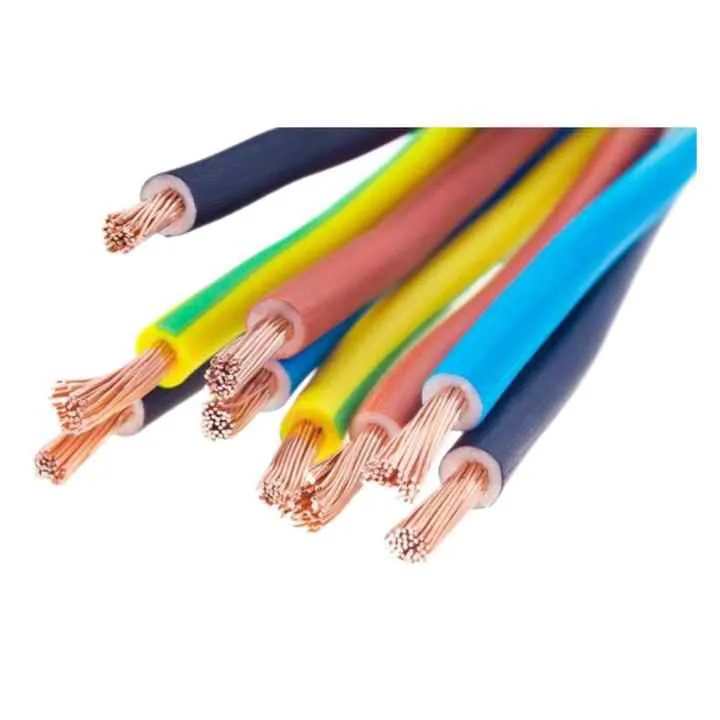
Flexible copper electrical wire with stranded copper conductor, PVC insulation a
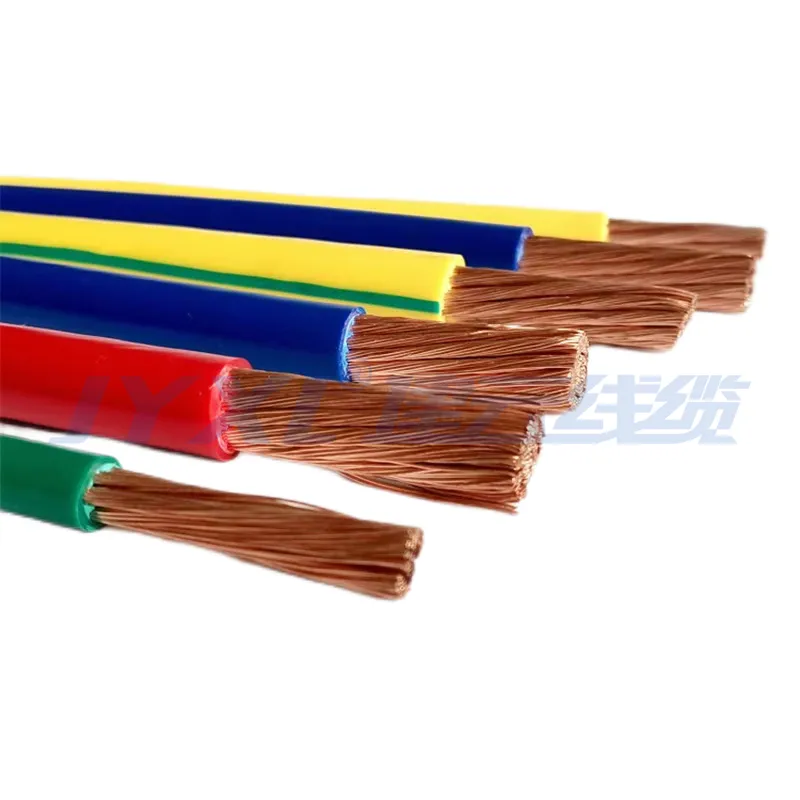
H07V-K flexible electrical wire with 1.5mm² and 2.5mm² stranded copper conductor
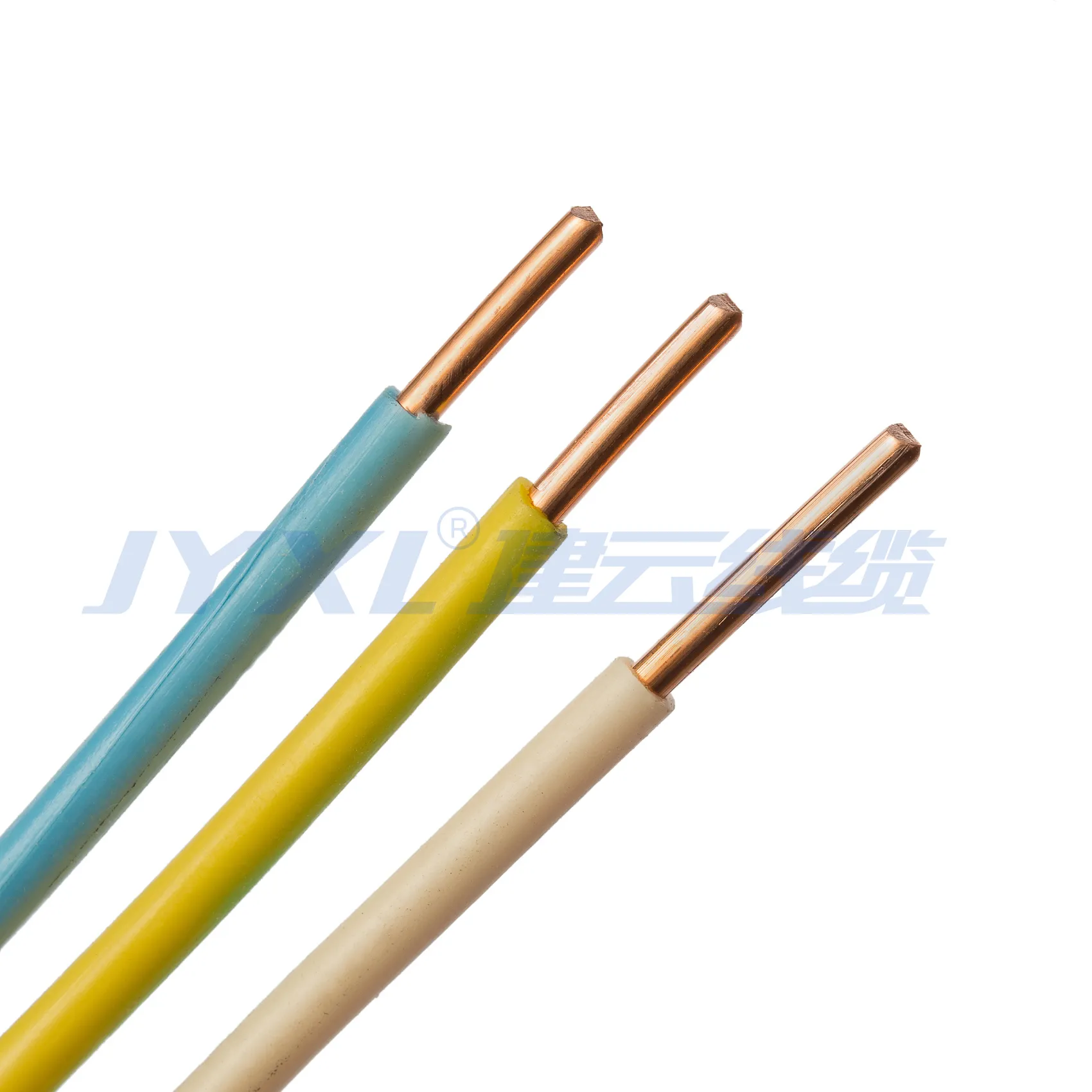
Jianyun H07V-U Solid Copper PVC Wire is a single core rigid electrical wire manu
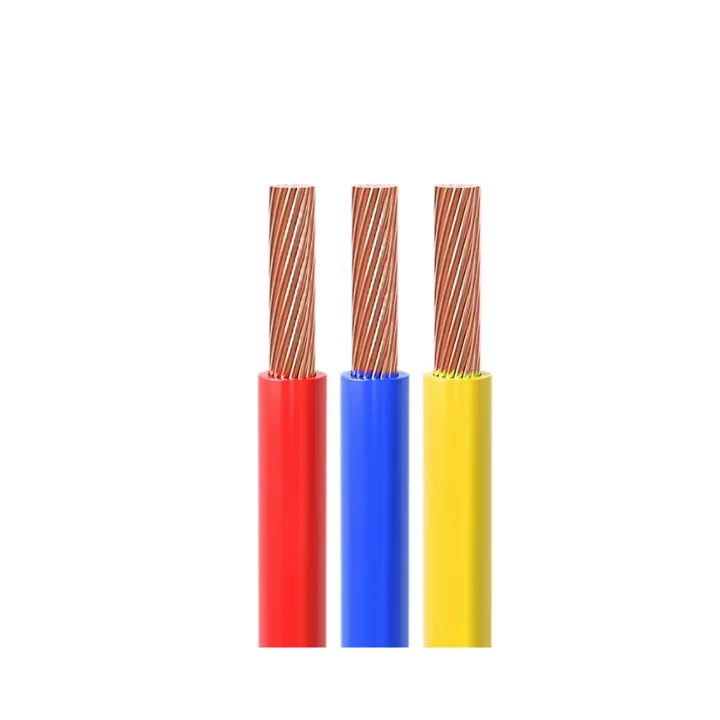
CE Certification 450/750v H07VVF Flexible Copper PVC Insulated Ac Cable 3*2.5 Mm