Keep up to date with our latest company news and relevant industry knowledge.
Time: 2025-12-23 11:46:28 Source: Henan Province Jianyun Cable Co., Ltd.
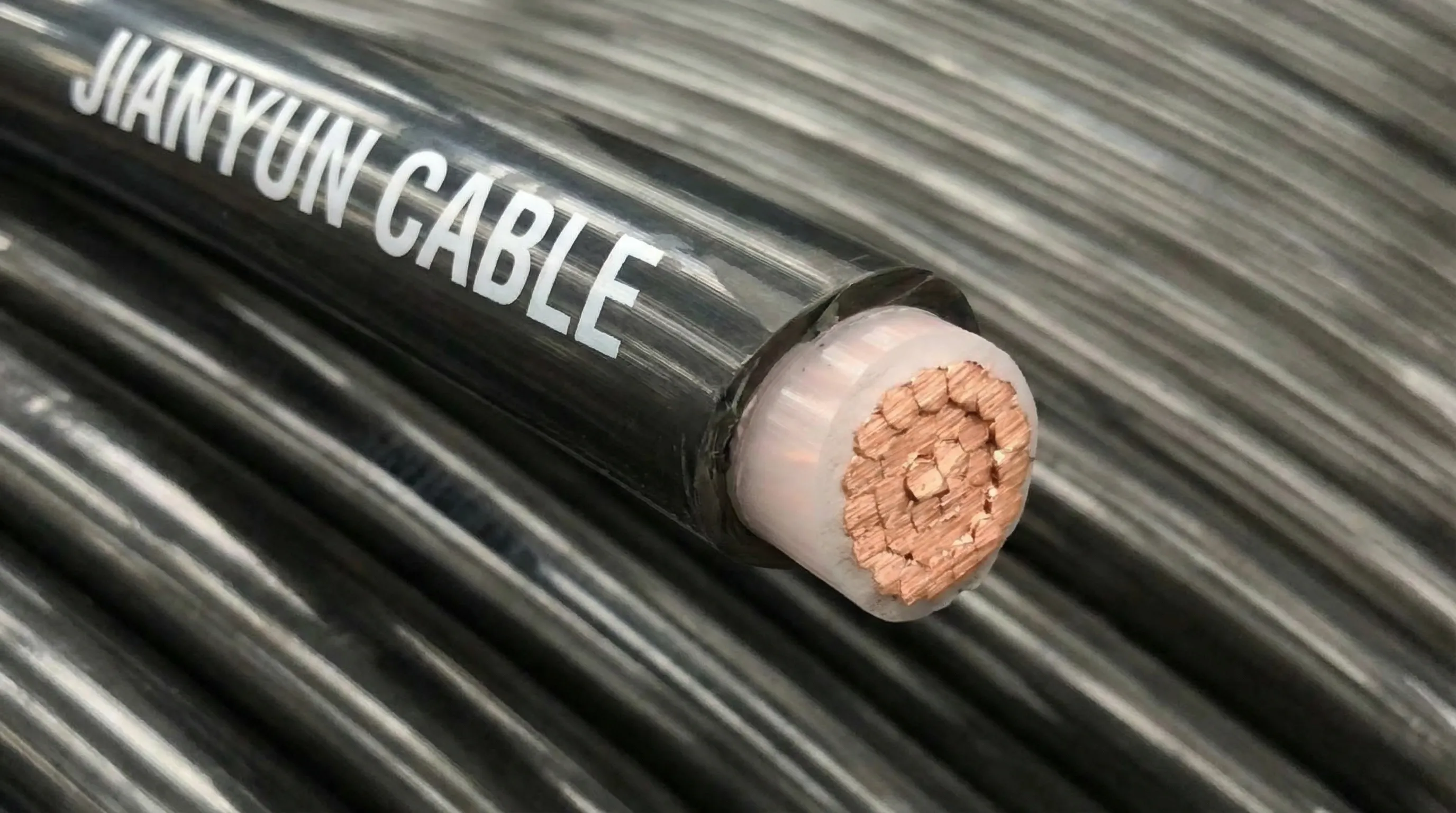
Understanding the difference between a power cable and an electrical cable is essential for safe and efficient electrical installations. While the terms are sometimes used interchangeably, they refer to distinct products designed for different purposes. This guide explores power cable vs electrical cablein depth, helping you make informed decisions for residential, commercial, or industrial projects in 2025.
Both power cables and electrical cables transmit electricity, but their design, robustness, and intended applications vary significantly. A power cable is typically built for higher loads and harsher environments, while an electrical cable covers a broader range of general wiring needs, including low-voltage building installations.
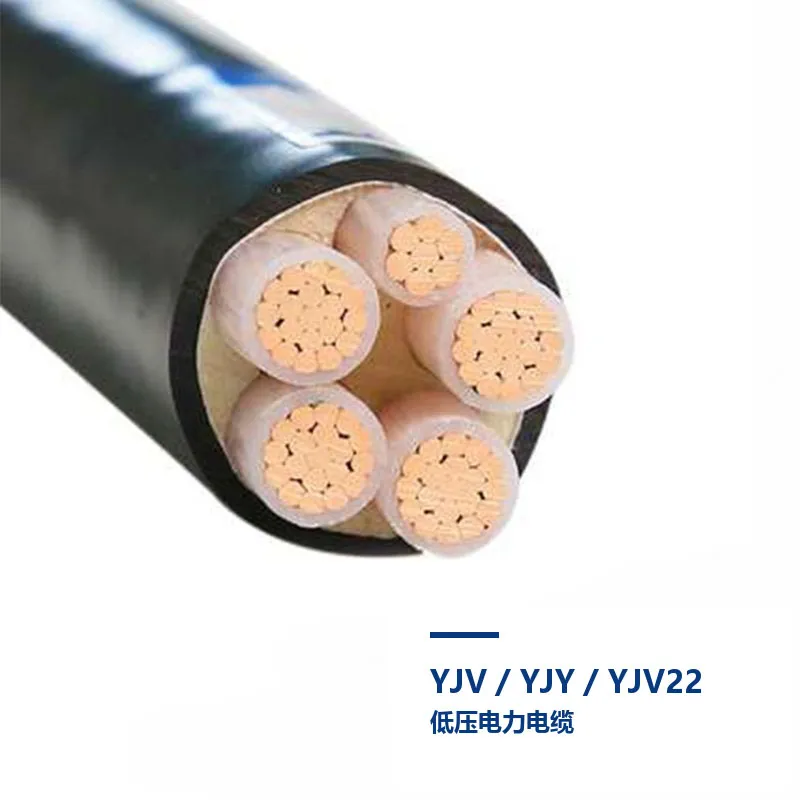
Power Cable: A heavy-duty assembly of conductors designed to transmit large amounts of electrical power, often at medium or high voltage. Power cables include robust insulation, shielding, and armoring for underground, submarine, or overhead use.
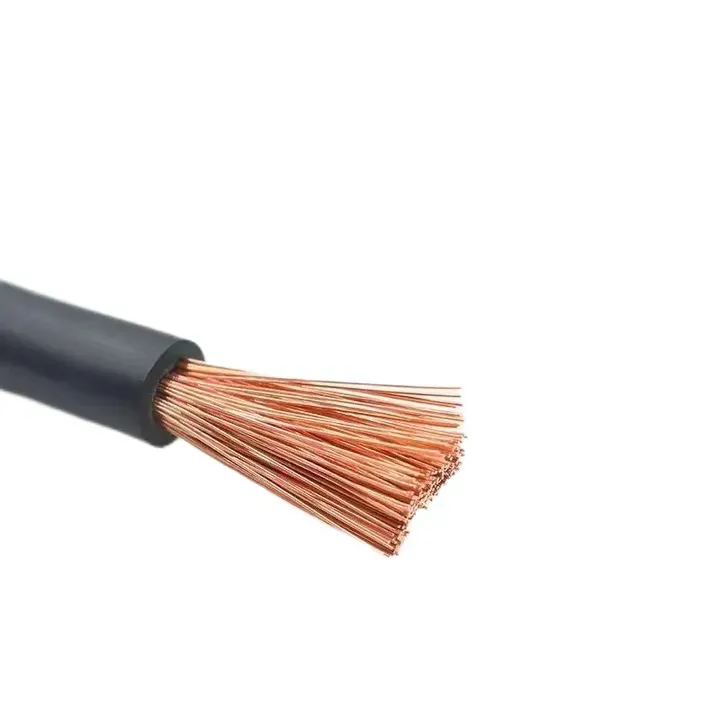
Electrical Cable: A general term for any cable carrying electricity, usually low-voltage multi-conductor assemblies for building wiring, appliances, or control systems. Electrical cables prioritize flexibility and ease of installation in protected environments.
A power cable features thicker conductors, multi-layer insulation (XLPE or EPR), metallic screening, and often steel wire or tape armoring for mechanical protection. These features make power cables suitable for direct burial or high-stress conditions.
An electrical cable typically has PVC or thermoplastic insulation with a simpler sheath, focusing on cost-effectiveness and flexibility for indoor or conduit runs.
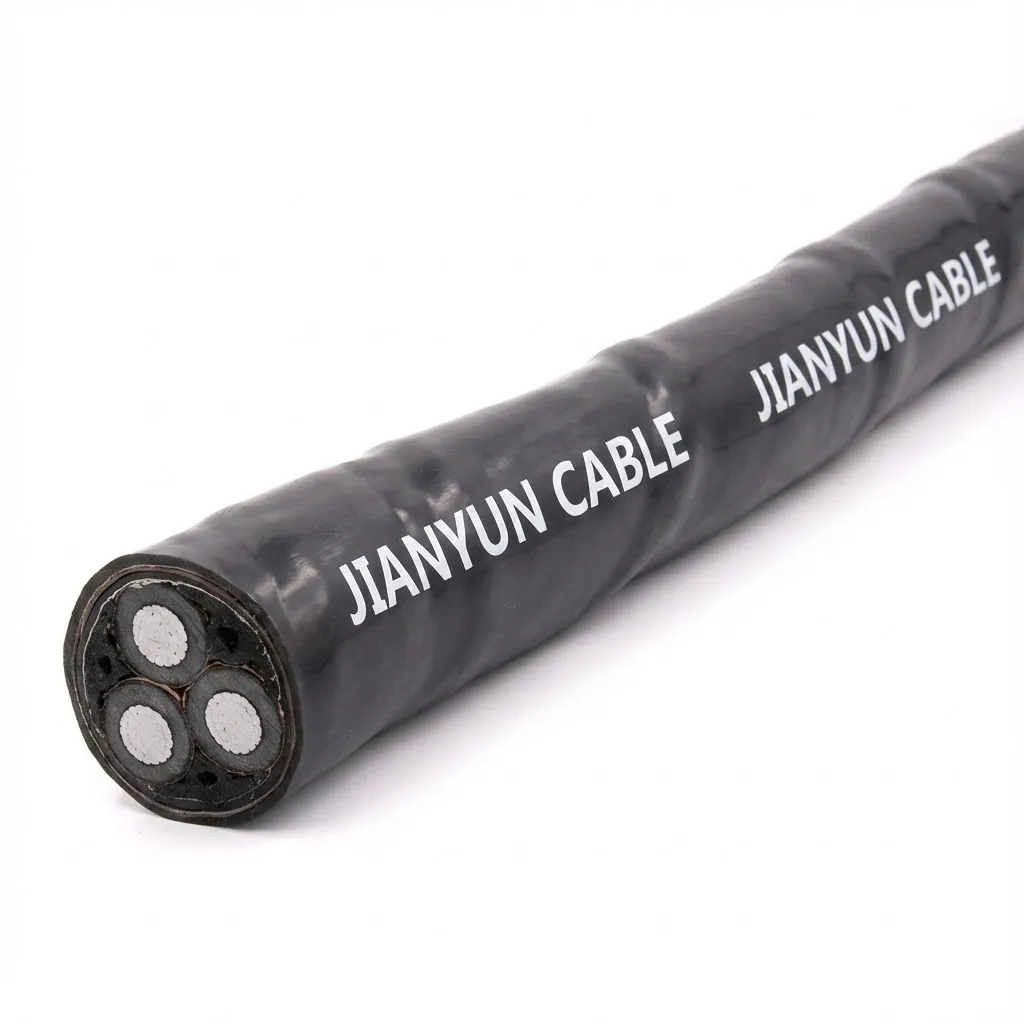
Power cables are used in utility grids, industrial plants, renewable energy (solar/wind farms), data centers, and EV charging infrastructure.
Electrical cables dominate residential wiring, commercial buildings, lighting circuits, socket outlets, and appliance connections.
| Feature | Power Cable | Electrical Cable |
|---|---|---|
| Primary Purpose | High-power transmission/distribution | General wiring and low-power distribution |
| Voltage Rating | Medium (1–35 kV) to High (>35 kV); also low-voltage variants | Low voltage (<1 kV) |
| Conductor Size | Larger (16 mm² to 1000+ mm²) | Smaller (1.5–16 mm² typical) |
| Insulation | XLPE, EPR, paper-oil (robust, heat-resistant) | PVC, thermoplastic (cost-effective) |
| Protection Layers | Screening, armoring, outer sheath | Basic sheath; optional armor |
| Typical Environment | Underground, submarine, outdoor exposed | Indoor, conduits, dry walls |
| Cost | Higher due to materials and construction | More affordable for building projects |
Power cables follow IEC 60502 (1–30 kV), IEC 60840 (>30 kV), or national equivalents, with strict testing for partial discharge and longevity.
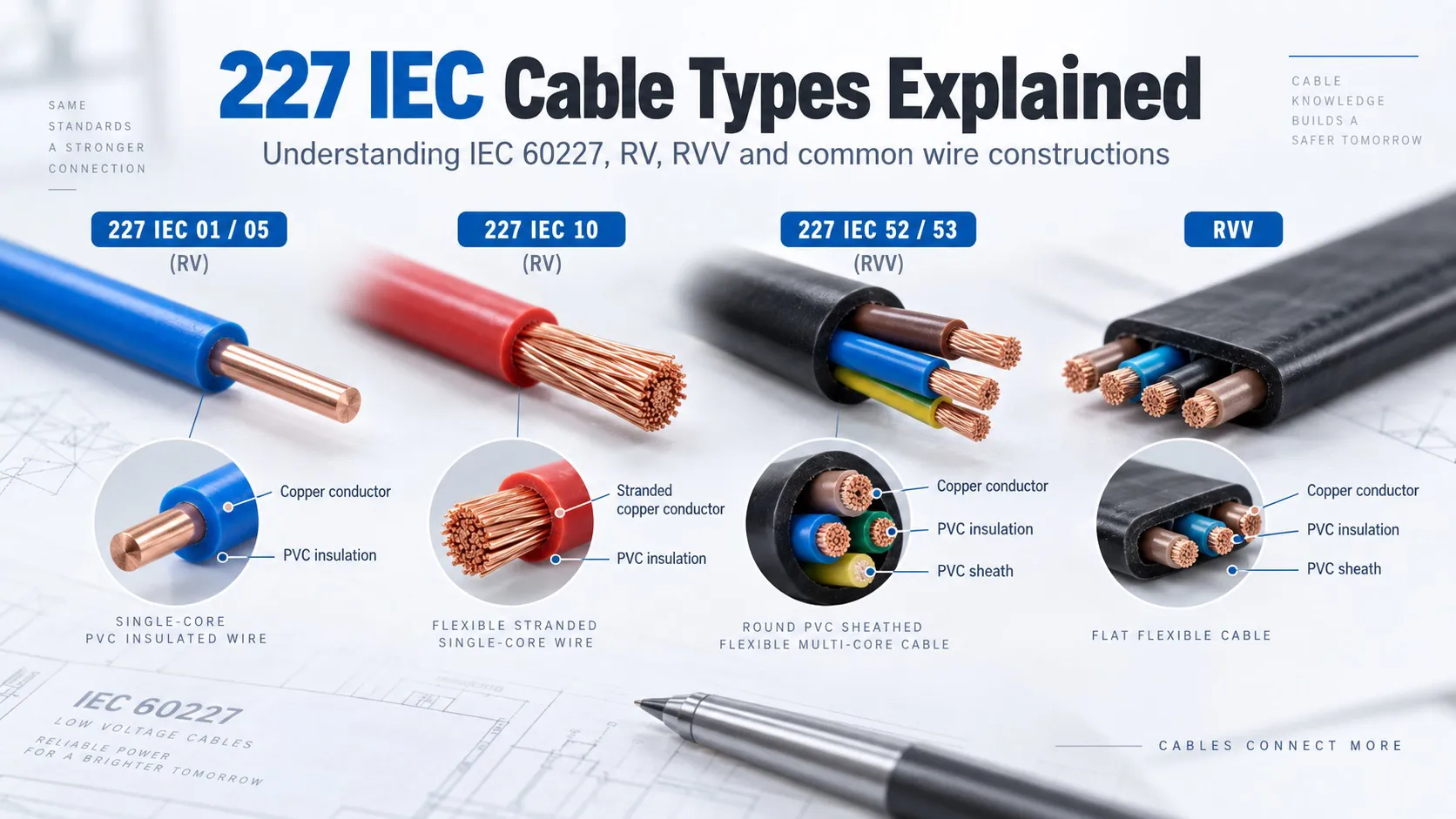
Electrical cables adhere to IEC 60227/60228, BS 6004, or NEC Article 330/338, focusing on flame retardance (CPR Euroclasses) and ease of installation.
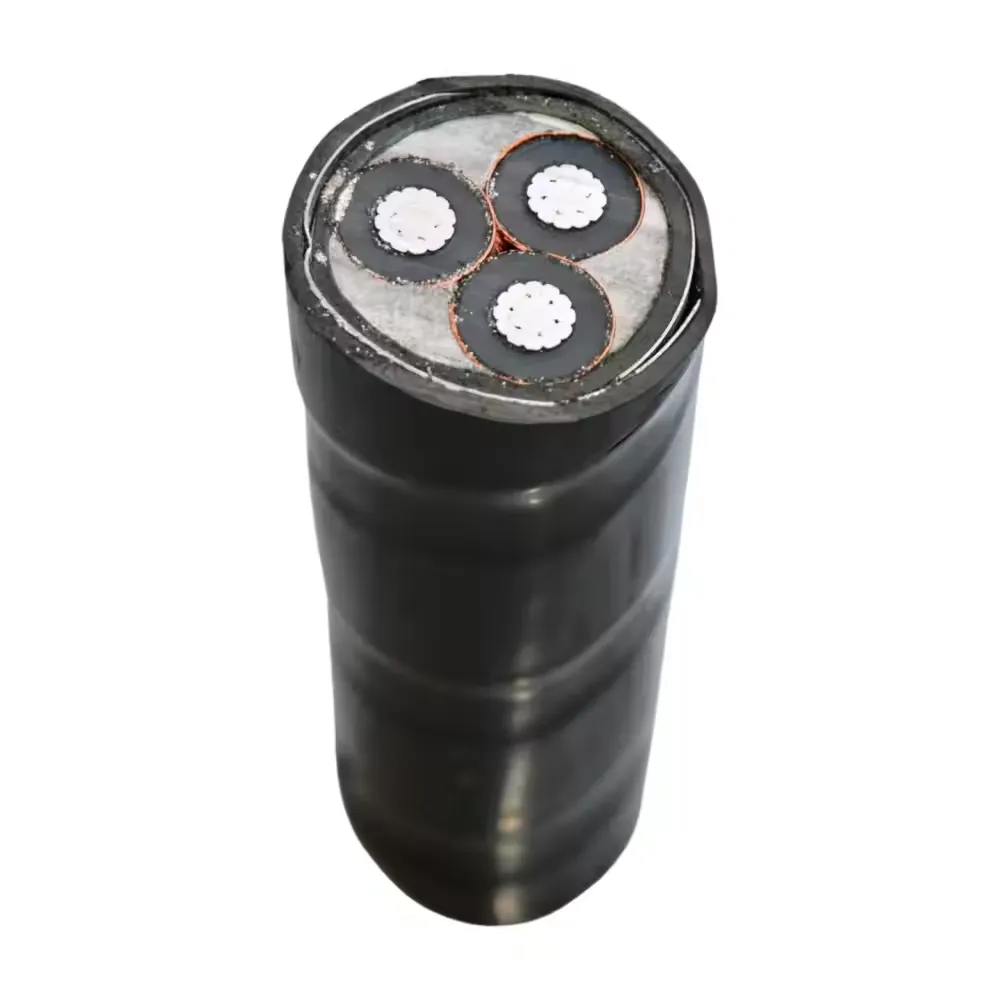
The core distinction in power cable vs electrical cable lies in capacity and robustness: power cableshandle demanding transmission tasks, while electrical cables excel in everyday wiring. Selecting the appropriate type ensures safety, efficiency, and compliance in any electrical project.
Looking for reliable power cables or electrical cables that meet global standards? Contact Henan Province Jianyun Cable Co., Ltd. for customized solutions and expert support.
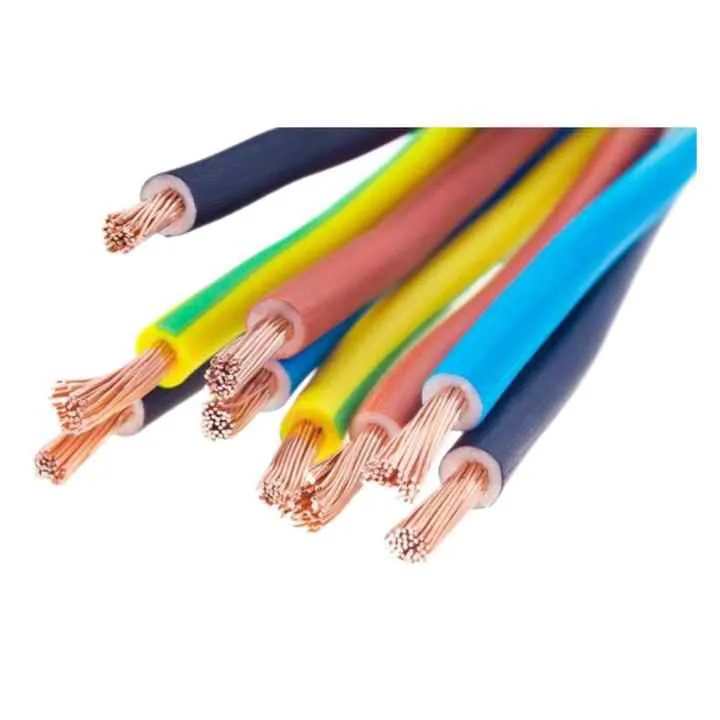
Flexible copper electrical wire with stranded copper conductor, PVC insulation a
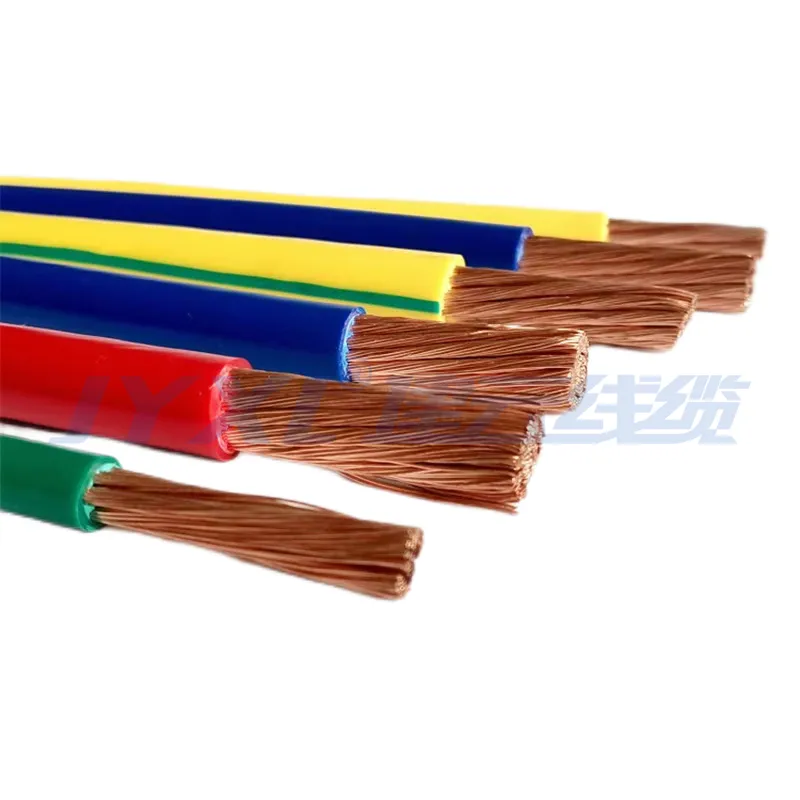
H07V-K flexible electrical wire with 1.5mm² and 2.5mm² stranded copper conductor
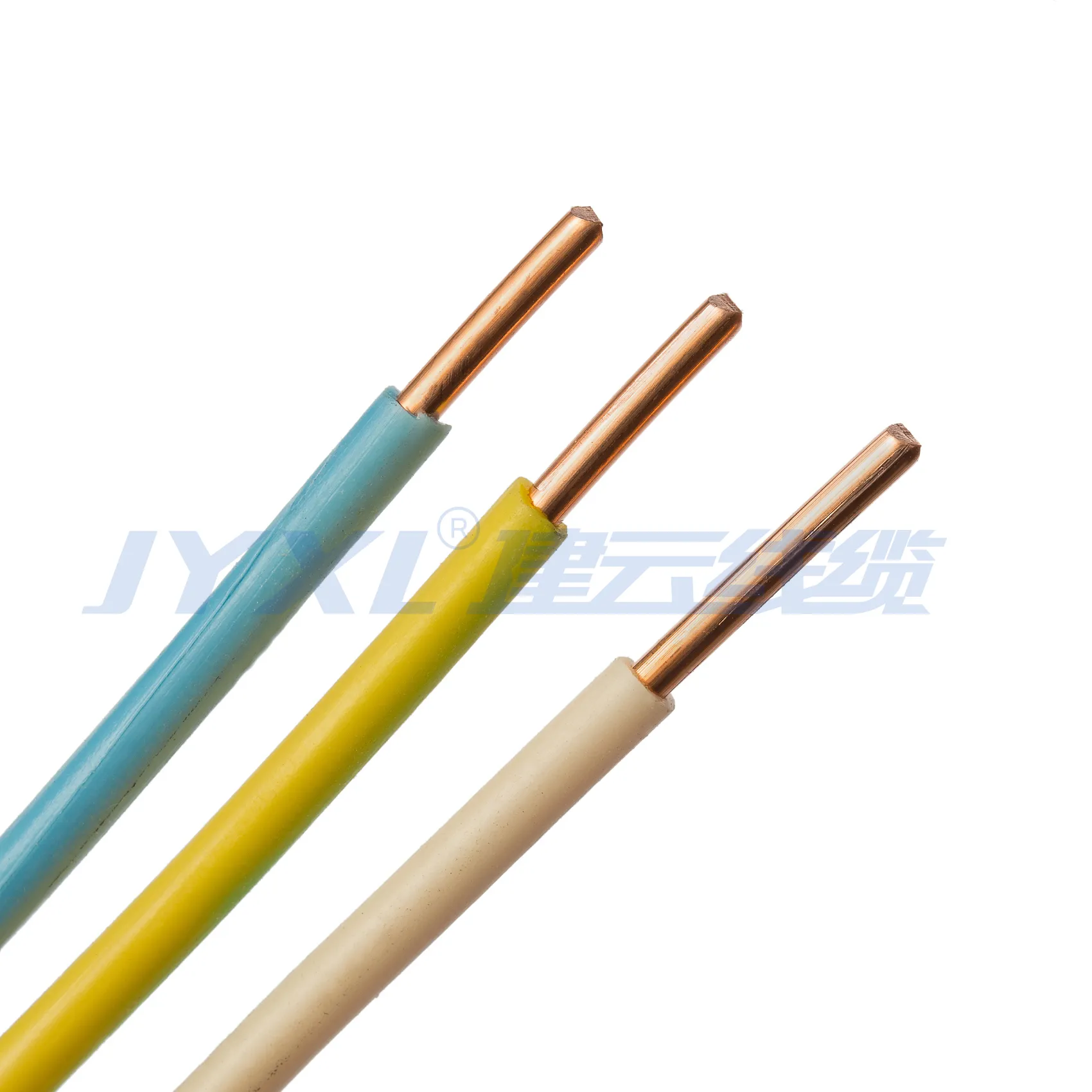
Jianyun H07V-U Solid Copper PVC Wire is a single core rigid electrical wire manu
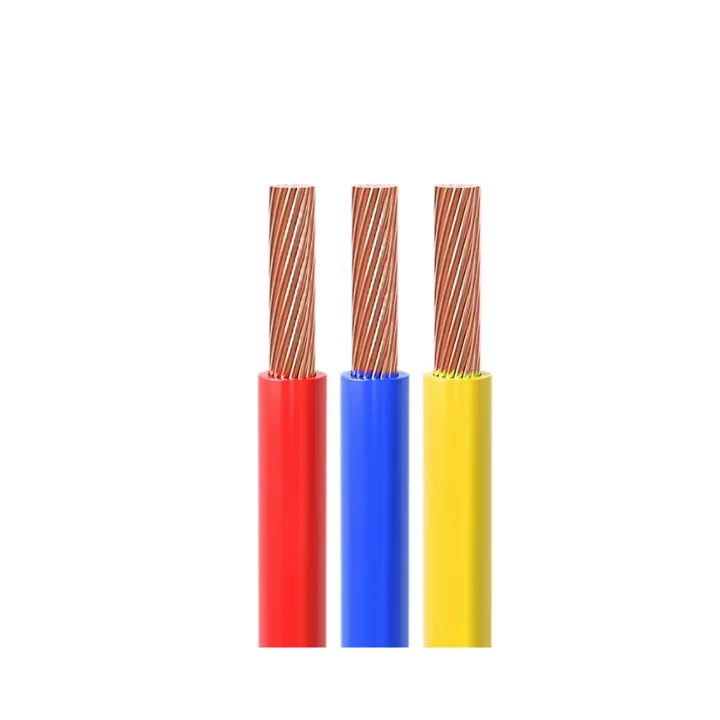
CE Certification 450/750v H07VVF Flexible Copper PVC Insulated Ac Cable 3*2.5 Mm