Keep up to date with our latest company news and relevant industry knowledge.
Time: 2025-12-23 11:40:40 Source: Henan Province Jianyun Cable Co., Ltd.
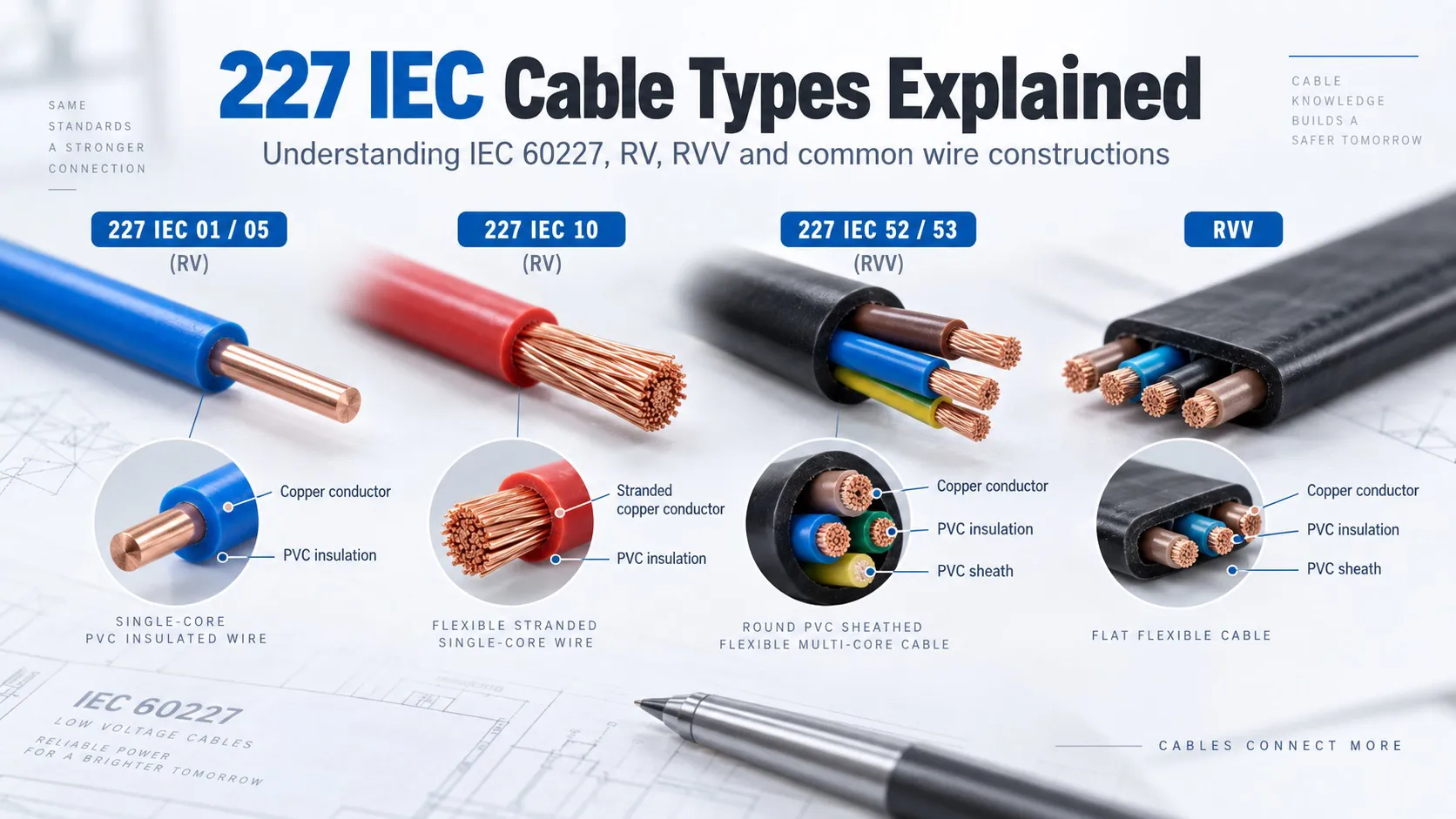
Selecting the correct electrical wire is critical for safety, performance, and code compliance in any wiring project – whether it's a simple home repair, full renovation, or industrial installation. The wrong electrical wire can lead to overheating, fires, or system failures. This step-by-step guide will help you confidently choose the right electrical wire in 2025.
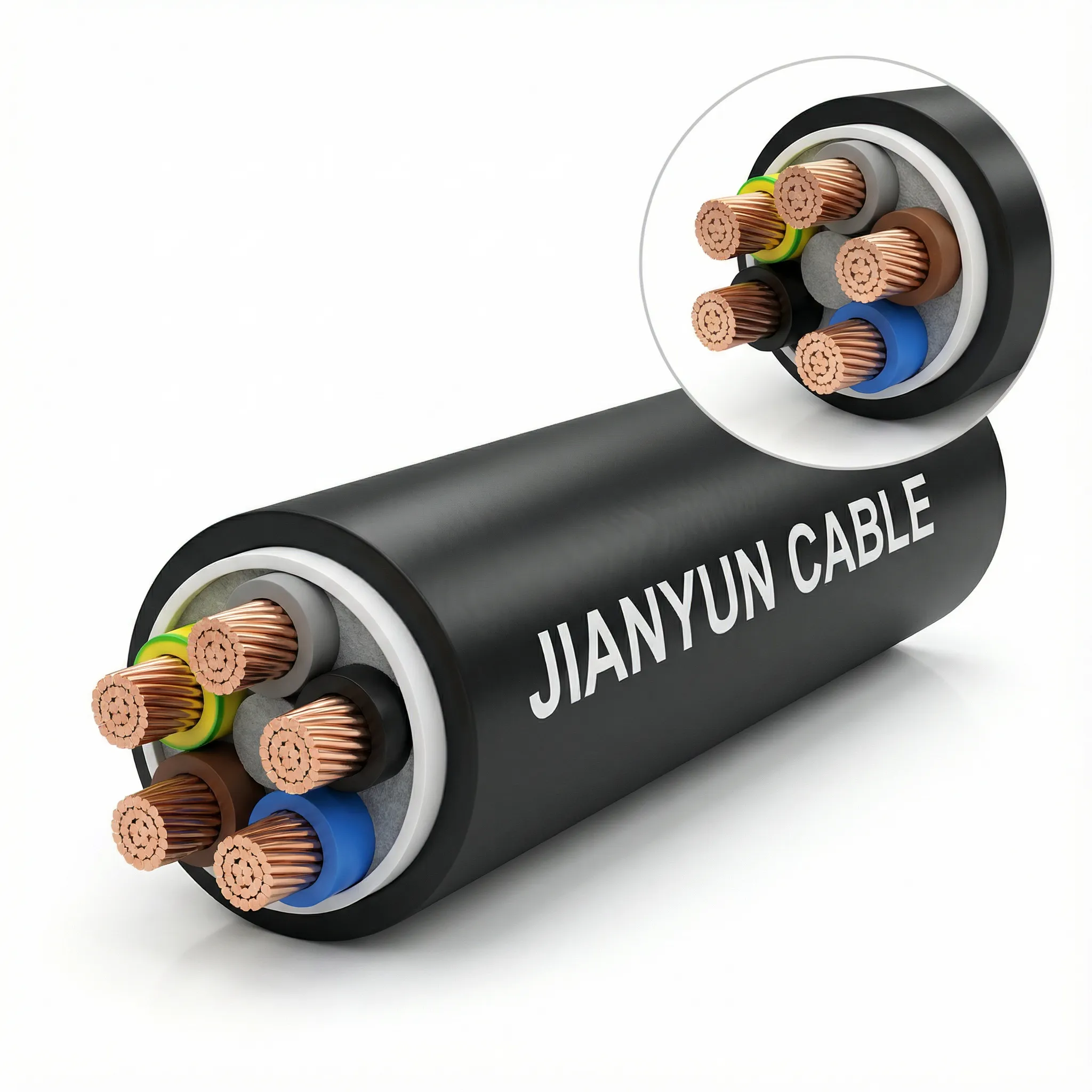
Start by defining the load (amps), voltage, distance (for voltage drop), environment (indoor/outdoor, wet/dry, buried), and installation method (conduit, direct burial, exposed). Calculate total power needs and factor in future expansions like EV chargers or smart devices.
Copper: Most common – excellent conductivity, flexible, corrosion-resistant. Preferred for residential and commercial.
Aluminum: Lighter and cheaper, but lower conductivity and requires larger sizes. Common in service entrances and high-voltage feeds (use anti-oxidant compound at terminations).
Copper-Clad Aluminum (CCA): Budget option – avoid for critical projects due to reliability concerns.
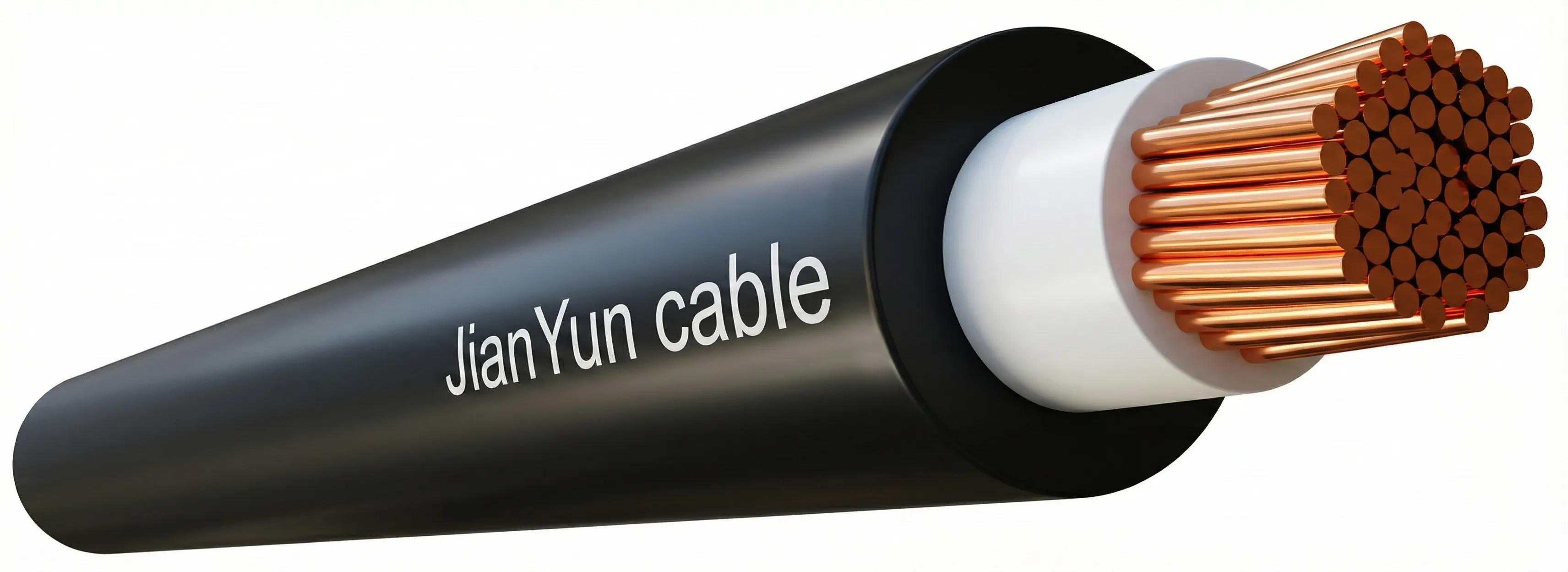
Wire size (AWG or mm²) determines ampacity. Undersized wire overheats; oversized wastes money. Use local code tables (e.g., NEC Table 310.16, BS 7671 Appendix 4).
| Wire Size | Ampacity (Copper, 75–90°C) | Typical Breaker | Common Applications |
|---|---|---|---|
| 14 AWG / 1.5–2.5 mm² | 15–20 A | 15–20 A | Lighting, low-power outlets |
| 12 AWG / 2.5–4.0 mm² | 20–25 A | 20–25 A | General sockets, kitchen appliances |
| 10 AWG / 6.0 mm² | 30–35 A | 30 A | Dryers, water heaters |
| 6–8 AWG / 10–16 mm² | 50–65 A | 40–60 A | EV chargers, sub-panels |
Insulation protects against shock and environment:
Most residential electrical wire is 300–600V rated. For high-voltage or extreme heat (>90°C), choose specialty types. Derate ampacity for ambient temperatures above 30°C or bundled runs.
Look for third-party marks: UL, CSA, VDE, HAR, or BASEC. In Europe, CPR fire rating (Eca to B2ca) is mandatory. Ensure compliance with local codes (NEC, CEC, BS 7671, AS/NZS 3000). Certified electrical wire reduces liability and insurance issues.
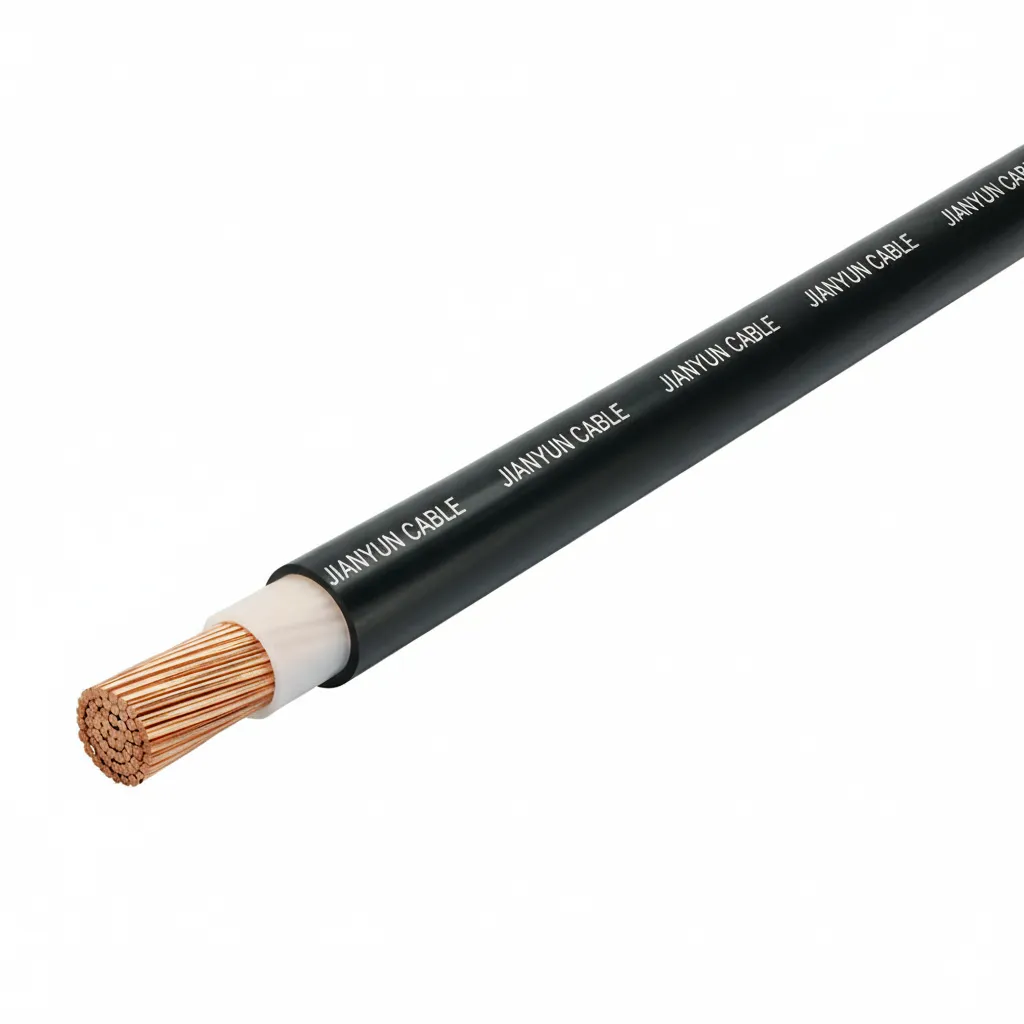
| Wire Type | Best For | Key Features |
|---|---|---|
| THHN/THWN | Conduit runs, commercial | Heat/water resistant, flexible |
| NM-B (Romex) | Residential dry walls | Easy to pull, pre-assembled |
| UF-B | Underground direct burial | Moisture/UV resistant |
| MC Cable | Exposed industrial | Armored protection |
| XHHW-2 | Wet/high-heat locations | Cross-linked, durable |
Choosing the right electrical wire ensures a safe, efficient, and long-lasting installation. Take time to match specifications to your needs – it’s an investment in safety and reliability.
Looking for high-quality, certified electrical wire for your next project? Contact Henan Province Jianyun Cable Co., Ltd. for expert recommendations and competitive solutions.
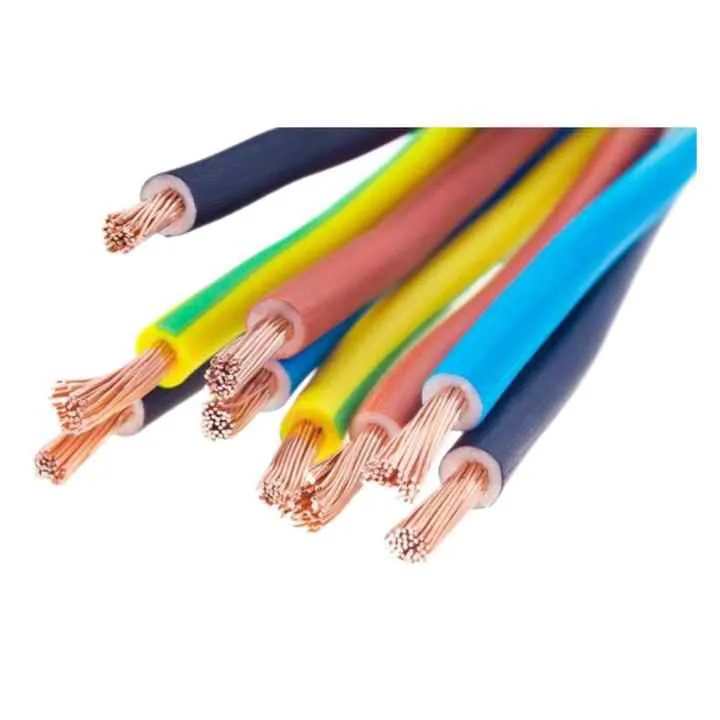
Flexible copper electrical wire with stranded copper conductor, PVC insulation a
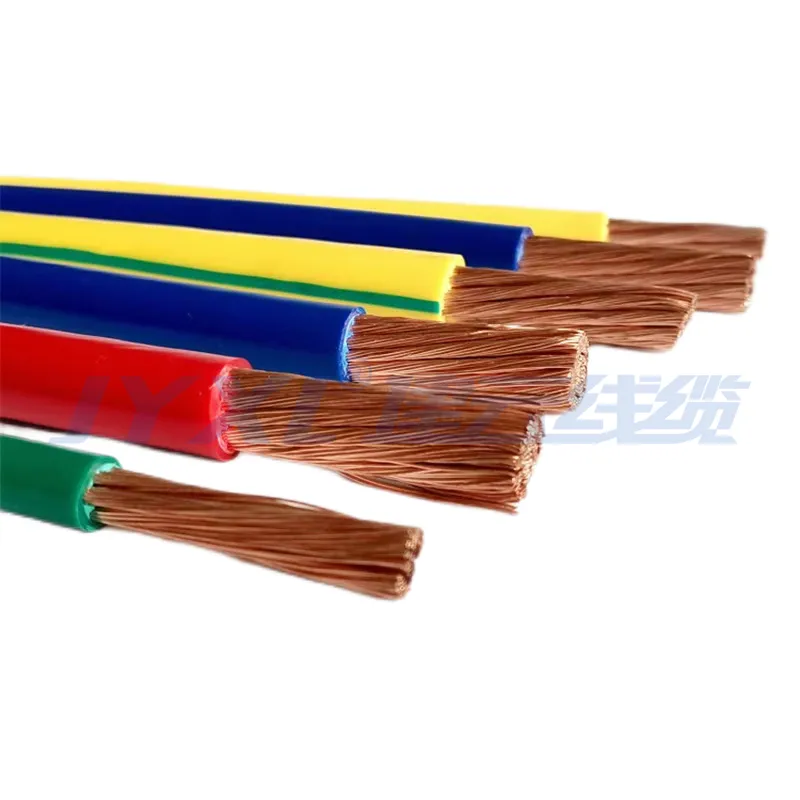
H07V-K flexible electrical wire with 1.5mm² and 2.5mm² stranded copper conductor
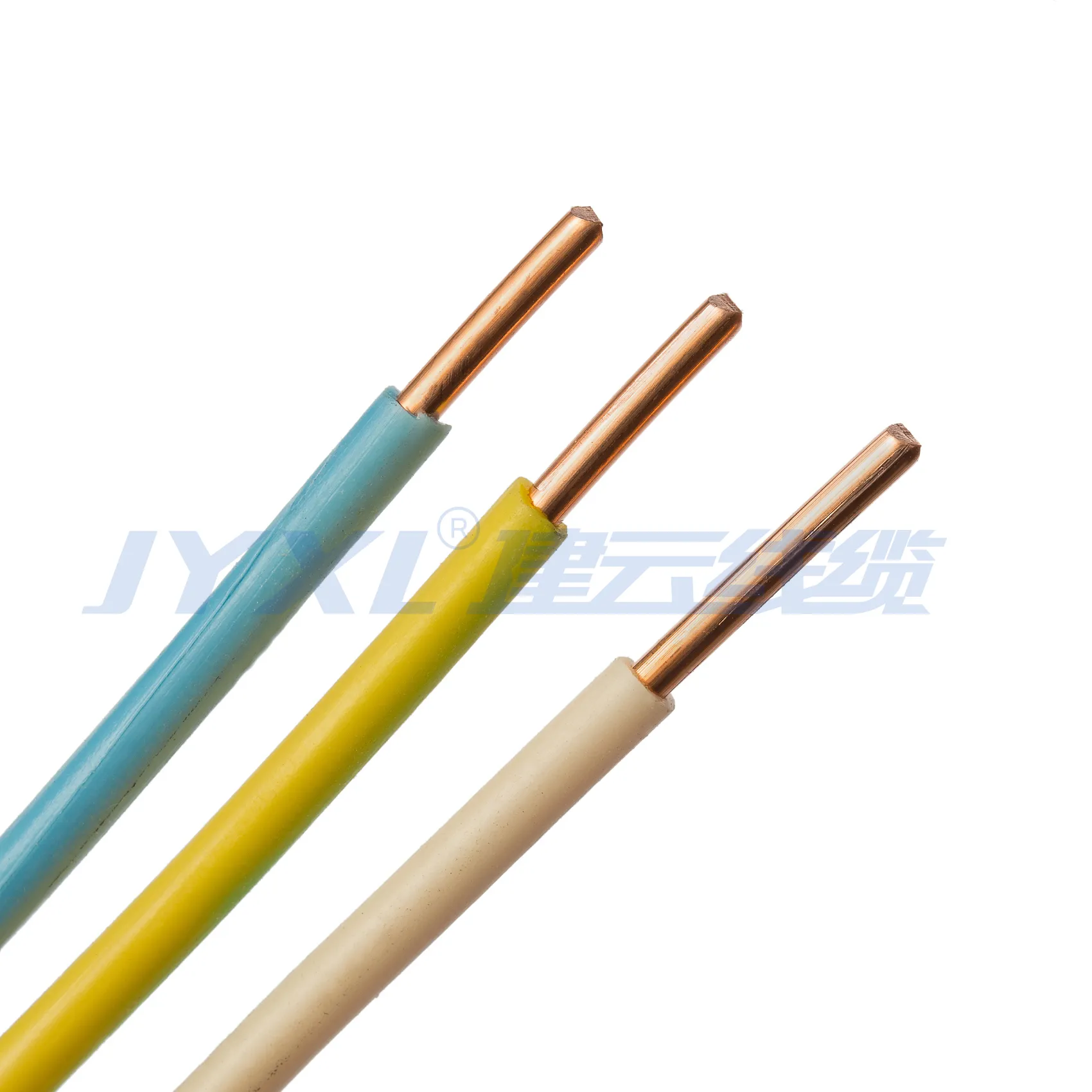
Jianyun H07V-U Solid Copper PVC Wire is a single core rigid electrical wire manu
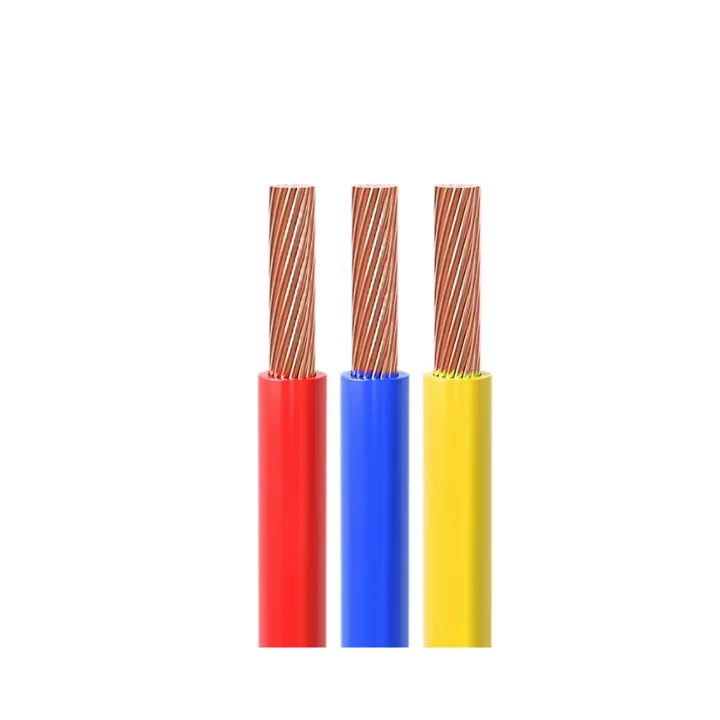
CE Certification 450/750v H07VVF Flexible Copper PVC Insulated Ac Cable 3*2.5 Mm