Keep up to date with our latest company news and relevant industry knowledge.
Time: 2025-12-22 12:18:14 Source: Henan Province Jianyun Cable Co., Ltd.
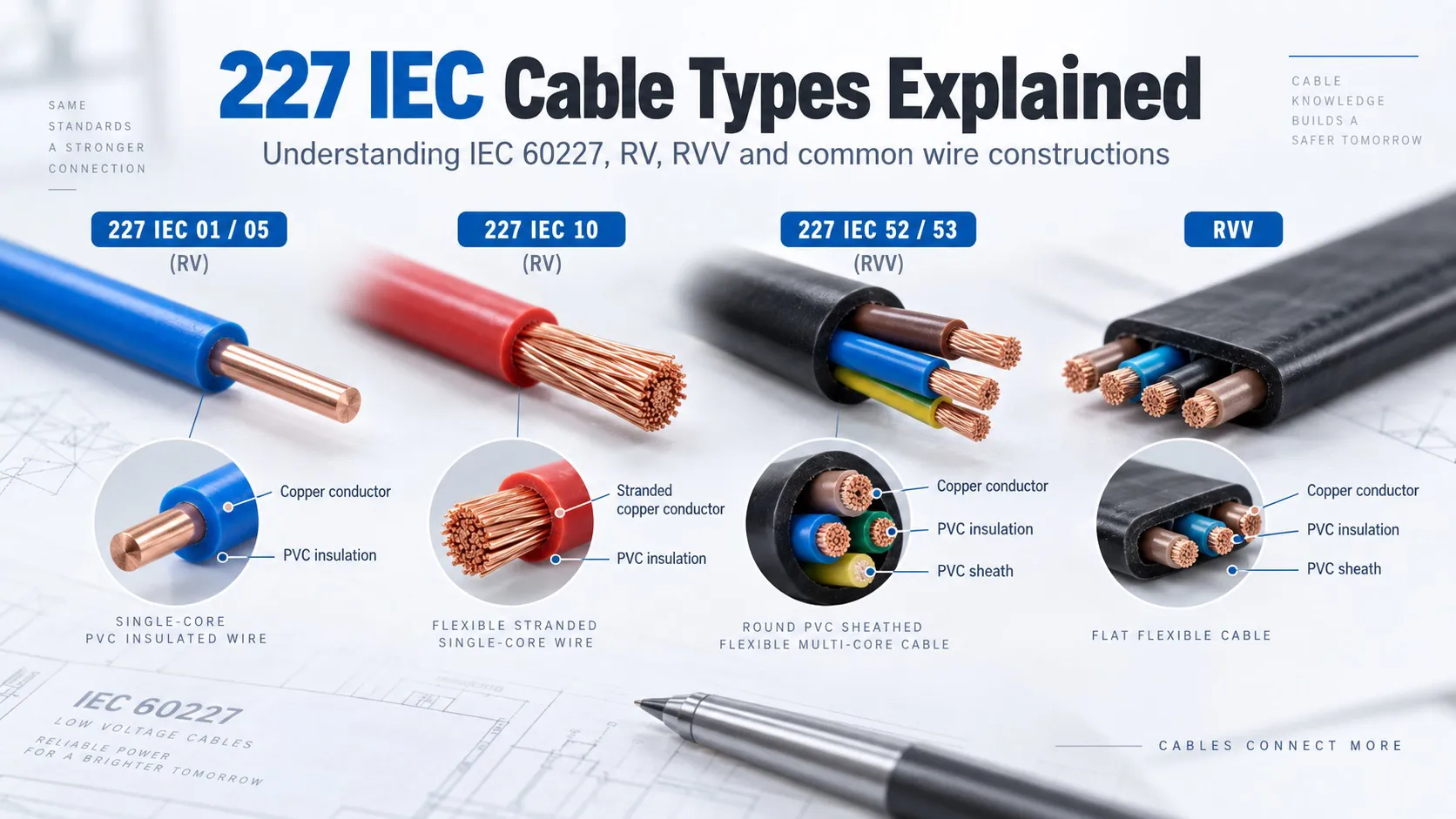
The terms “cable wire” and “electrical wire” are often used interchangeably, leading to confusion among homeowners, DIY enthusiasts, and even some professionals. In reality, they refer to distinct products with different constructions, uses, and performance characteristics. Understanding the difference is crucial for safety, compliance, and optimal electrical performance in any installation or upgrade project.
In everyday language, people frequently say “cable wire” when they actually mean a multi-conductor cable or simply call everything “wire.” Technically, however, a wire is a single conductor, while a cable is an assembly of multiple conductors (or wires) bundled together. This distinction matters because it affects flexibility, protection, current capacity, and suitability for specific environments.
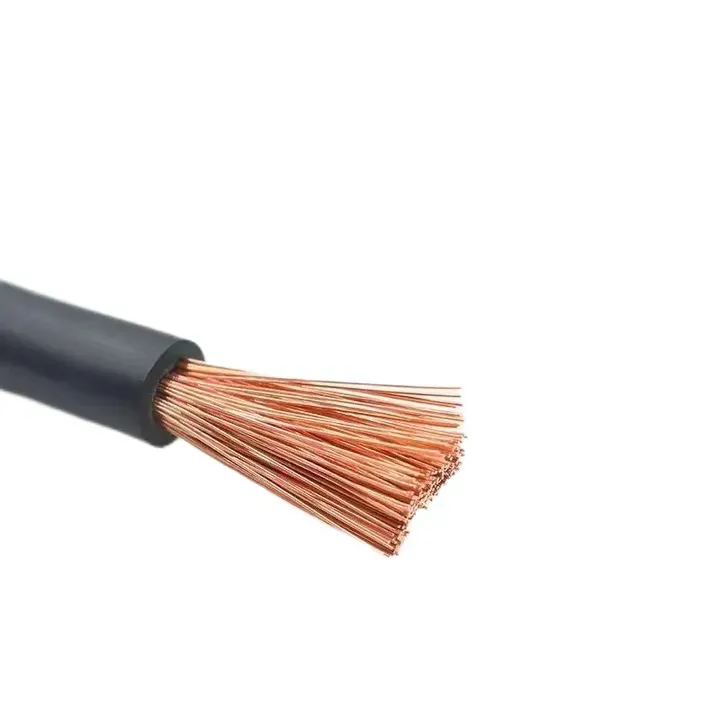
Electrical Wire: A single metallic conductor (usually copper or aluminum) surrounded by insulation. It carries electrical current from one point to another. Examples include THHN, building wire, or hook-up wire.
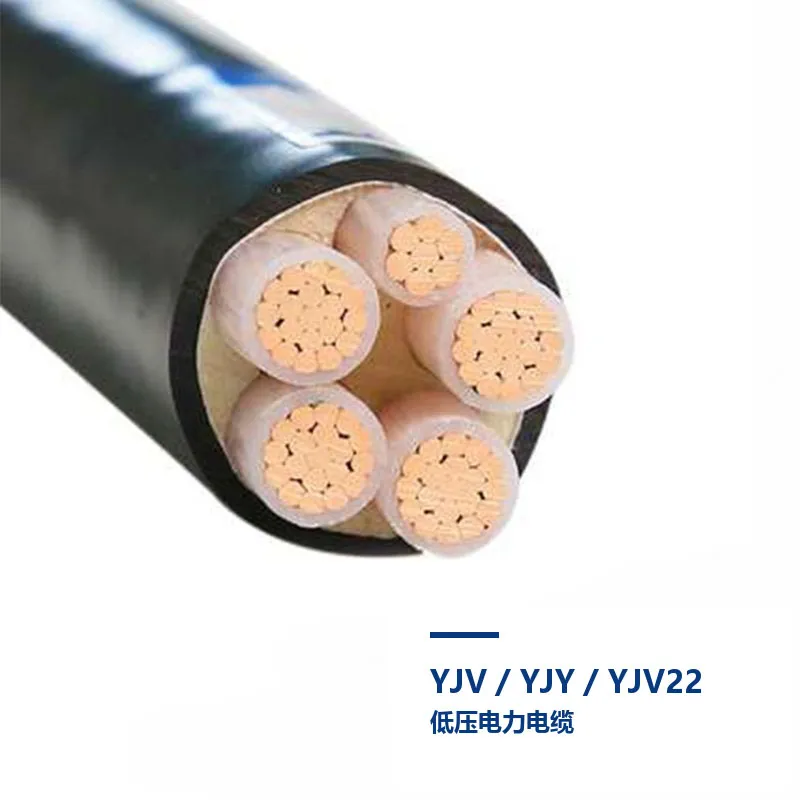
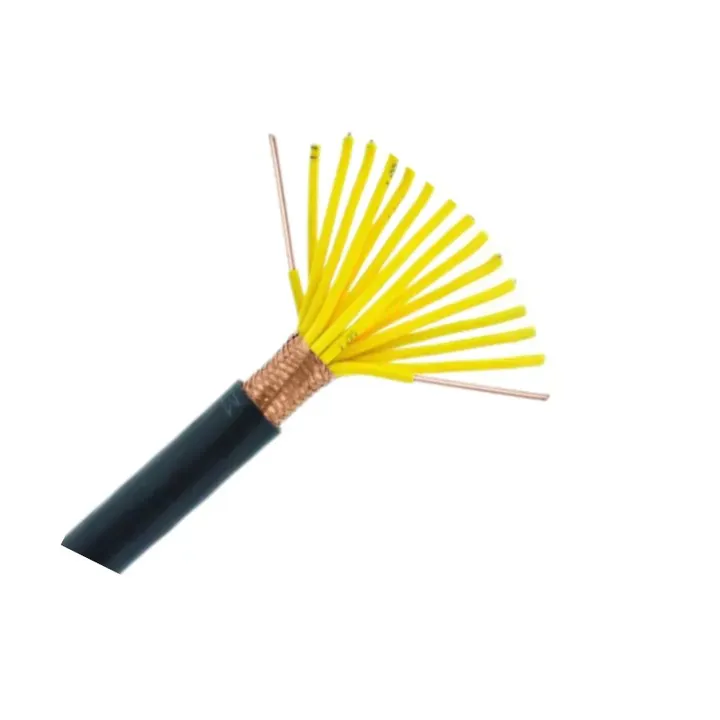
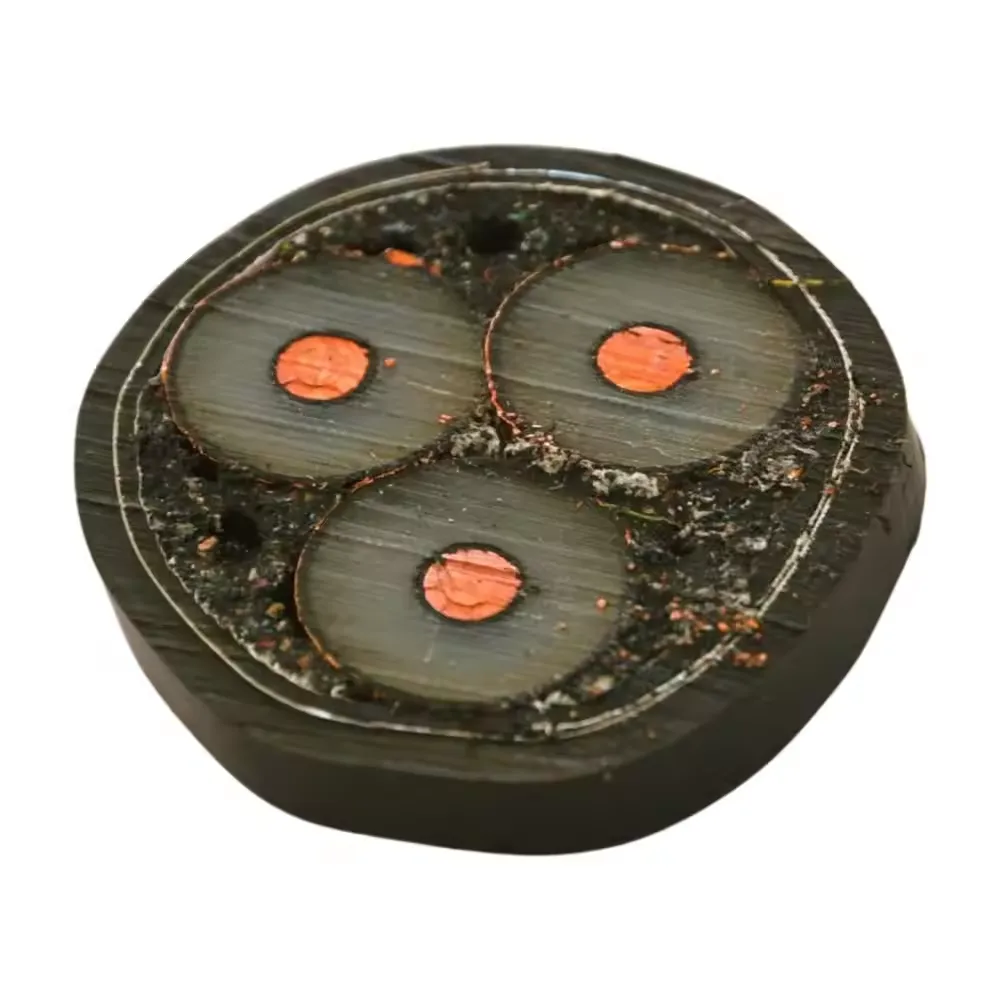
Cable (or Cable Wire): An assembly of two or more insulated conductors (wires) under a common outer sheath or jacket. The bundle provides mechanical protection, organization, and often additional shielding. Common types include NM-B (Romex), armored cable (BX/MC), or power cables like NYM.
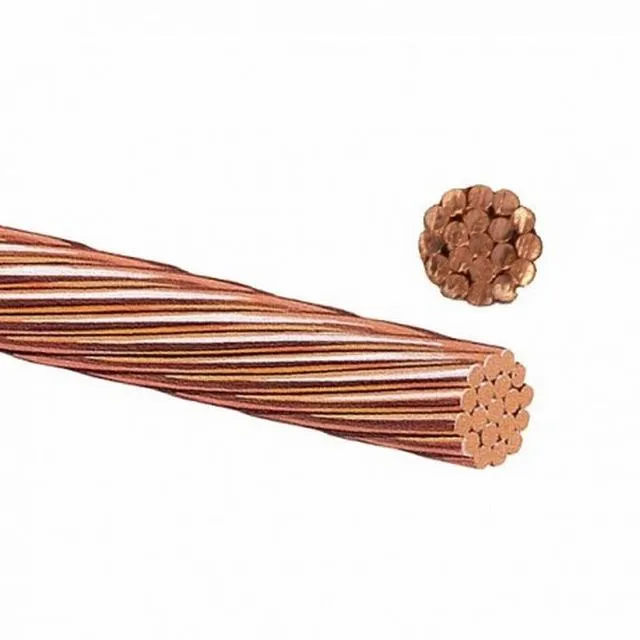
Electrical wire is simpler: one conductor + insulation (e.g., PVC, XLPE). It is flexible but vulnerable to damage without extra protection.
Cable adds layers: multiple insulated conductors twisted or laid together, optional fillers, shielding (for EMI protection), and an outer jacket for durability. This makes cables more robust for fixed installations, direct burial, or exposed runs.
Electrical wires are ideal for internal wiring inside panels, appliances, or conduit systems where individual conductors are pulled separately.
Cables excel in residential wiring (e.g., running from consumer unit to outlets), underground feeds, industrial power distribution, and data/power combos (e.g., solar cables).
| Aspect | Electrical Wire (Single Conductor) | Cable (Multi-Conductor Assembly) |
|---|---|---|
| Number of Conductors | One | Two or more (plus ground) |
| Outer Protection | Insulation only | Insulation + overall jacket/sheath |
| Flexibility | Highly flexible | Less flexible (depends on type) |
| Mechanical Protection | Limited – needs conduit | Better – often direct burial rated |
| Typical Use | Inside panels, conduit fills, appliances | Home wiring, power feeds, outdoor runs |
| Cost | Lower per meter | Higher due to assembly |
| Installation Ease | Requires pulling multiple runs | Single pull for multiple circuits |
Both must meet regional codes (e.g., IEC 60227 for wires, IEC 60502 for cables, NEC Article 310/338, BS 6004/5467). Look for third-party marks like UL, CSA, VDE, or HAR. In 2025, CPR fire ratings (Euroclasses) apply to both, with cables often needing higher classes for bundled conductors.
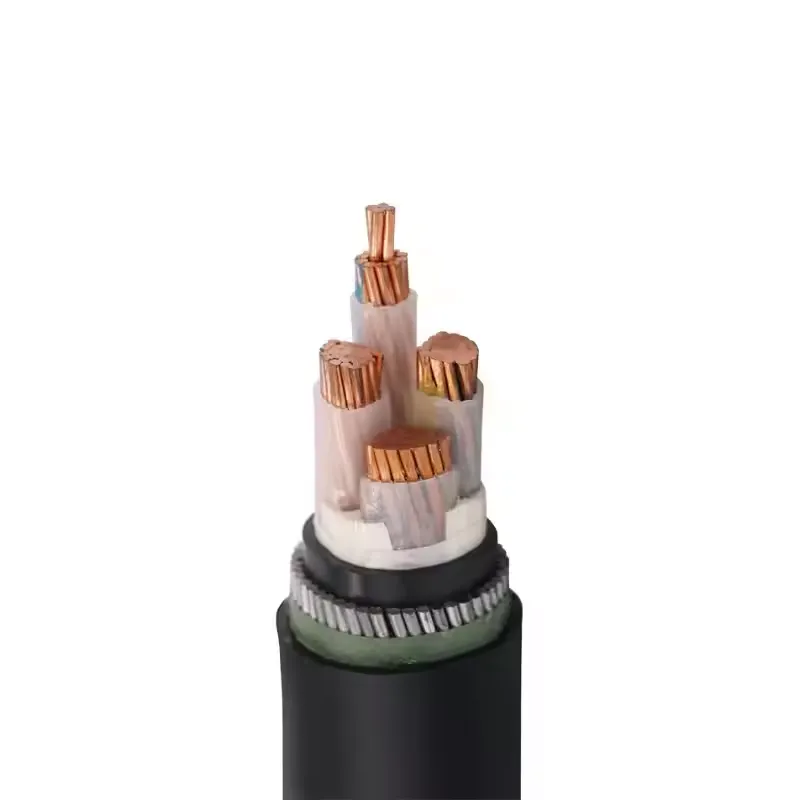
In summary, an electrical wire is a single conductor, while a cable is a protected bundle of wires. Using the correct term and product ensures safety, code compliance, and efficient performance. For most home upgrades or new installations, multi-conductor cables are the practical choice, but single wires remain essential in panels and specialized applications.
Need reliable cables or wires that meet the latest international standards? Contact Henan Province Jianyun Cable Co., Ltd. for expert guidance and high-quality solutions tailored to your project.
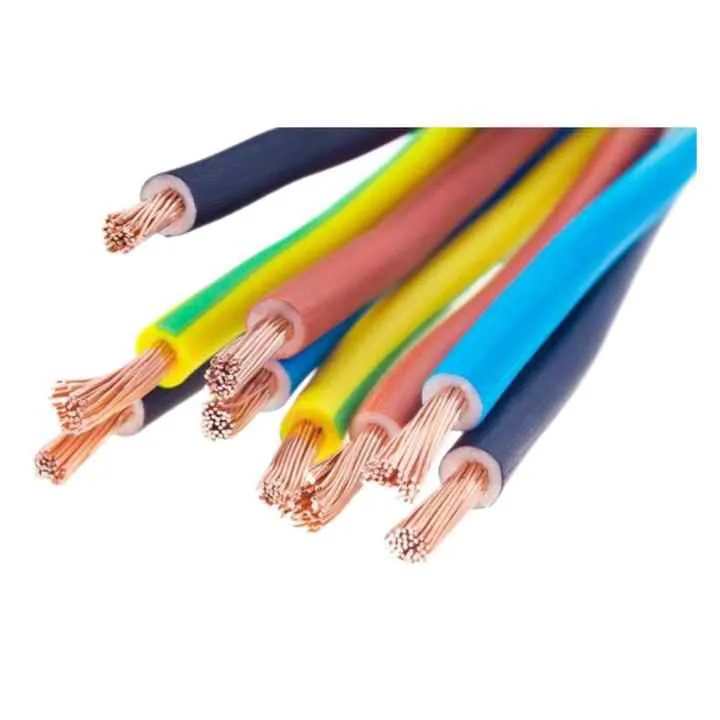
Flexible copper electrical wire with stranded copper conductor, PVC insulation a
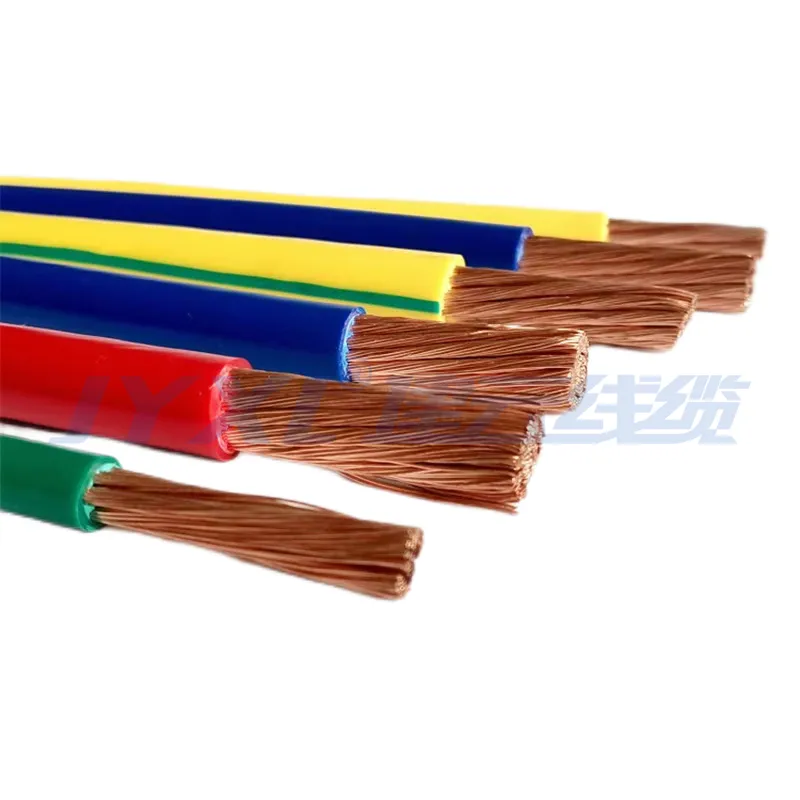
H07V-K flexible electrical wire with 1.5mm² and 2.5mm² stranded copper conductor
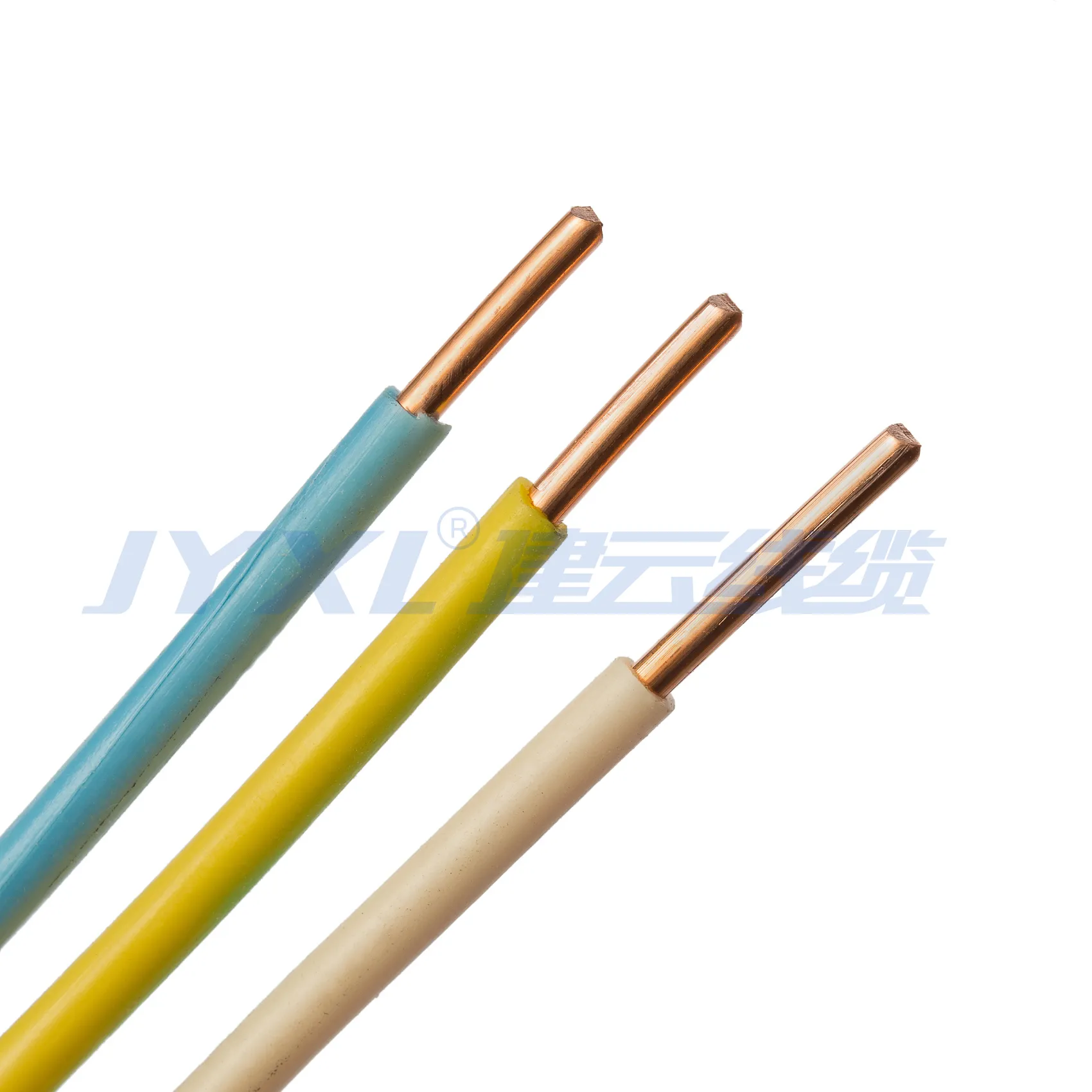
Jianyun H07V-U Solid Copper PVC Wire is a single core rigid electrical wire manu
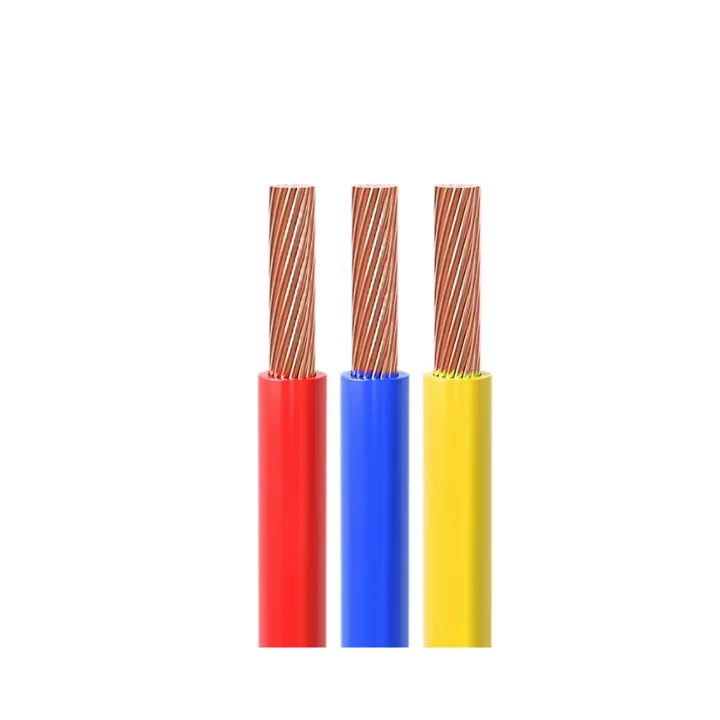
CE Certification 450/750v H07VVF Flexible Copper PVC Insulated Ac Cable 3*2.5 Mm