Keep up to date with our latest company news and relevant industry knowledge.
Time: 2025-12-22 11:43:08 Source: Henan Province Jianyun Cable Co., Ltd.
Upgrading an electrical installation is one of the smartest investments for any homeowner or property manager. Old wiring can pose serious safety risks, limit power capacity, and hinder modern appliances. Choosing the right cables ensures safety, efficiency, and readiness for future technologies like electric vehicles and smart systems. This 2025 guide helps you select suitable cables that meet current standards while providing long-term reliability.
Many homes built before 2000 use outdated cables that cannot handle today’s loads – LED lighting, heat pumps, induction hobs, and home offices push demand higher. Upgrading reduces fire risks (electrical faults cause thousands of fires annually), lowers energy bills through reduced losses, and increases property value. It also ensures compliance with modern regulations, avoiding issues during sales or insurance claims.
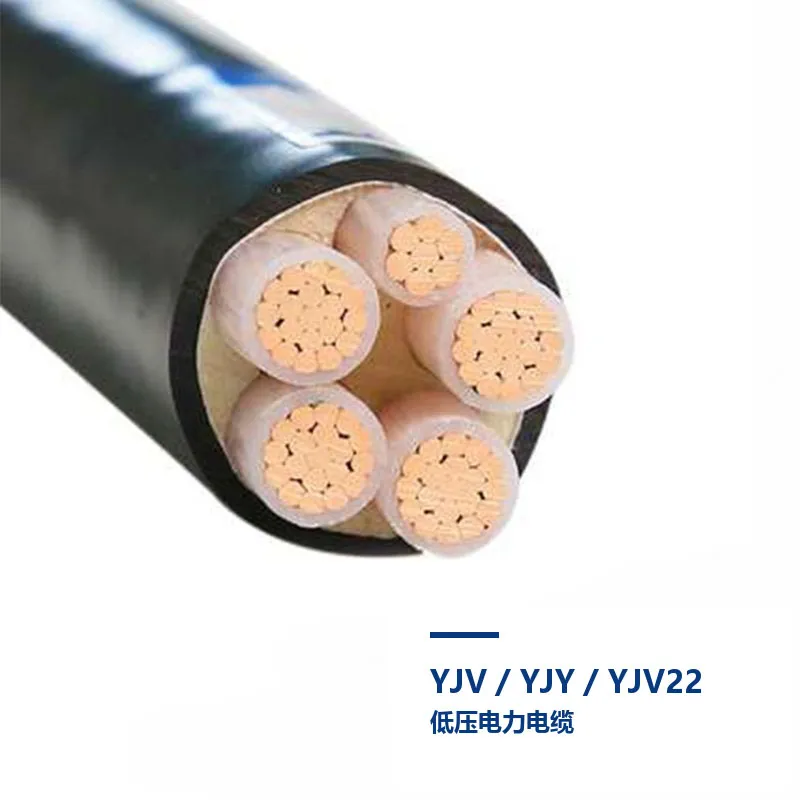
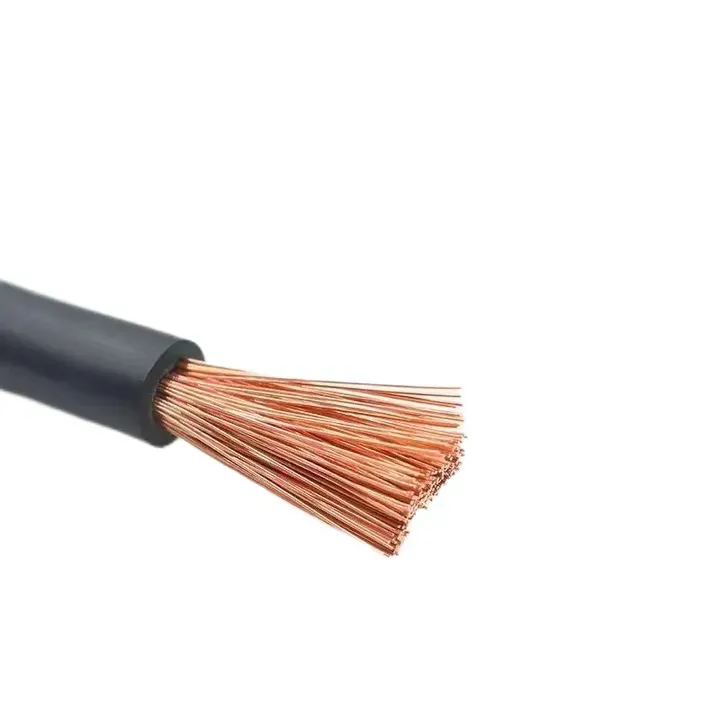
Consider load requirements, installation environment (indoor/outdoor, buried, surface), fire performance (CPR Euroclasses), mechanical protection, and future needs. Prioritize copper conductors for flexibility and conductivity; opt for low-smoke zero-halogen (LSZH) sheathing in enclosed spaces. Voltage drop should stay below 3–5%, and cables must carry relevant certifications (e.g., BASEC, HAR, UL, or national marks).
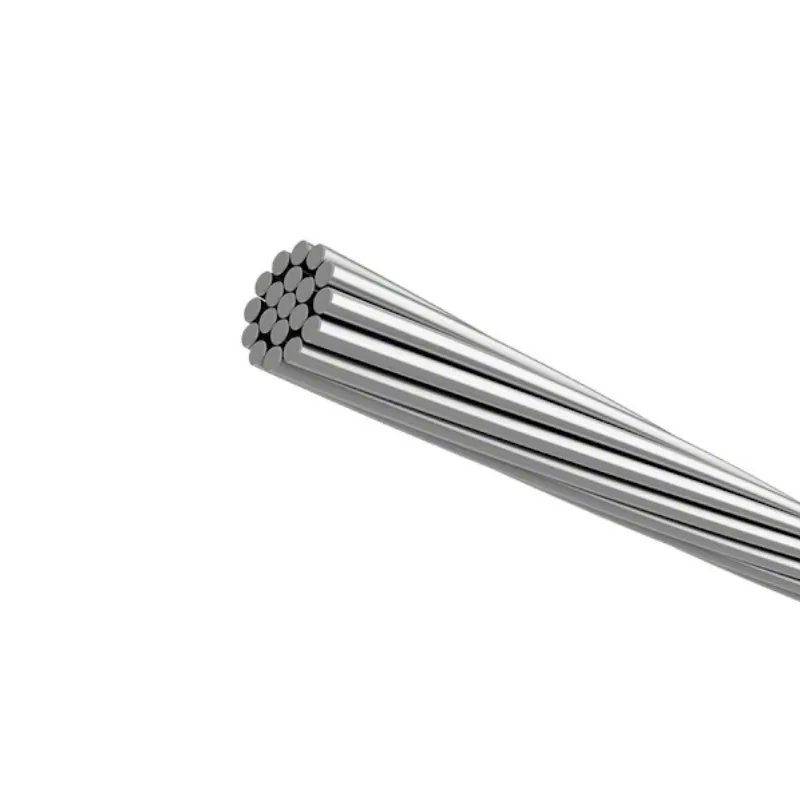
Always calculate based on load, length, and local code (e.g., BS 7671, NEC, AS/NZS 3000). Below are typical minimum sizes for copper cables in residential upgrades:
| Circuit Type | Recommended Size | Typical Breaker | Max Load | Best Cable Type |
|---|---|---|---|---|
| Lighting | 1.5 mm² / 14 AWG | 6–10 A | Low | Twin & Earth or NYM |
| General Sockets | 2.5 mm² / 12 AWG | 16–20 A | 3680–4600 W | LSZH Twin & Earth |
| Kitchen Ring/Radial | 4.0 mm² / 10 AWG | 32 A | 7360 W | Heat-resistant LSZH |
| Cooker / Oven | 6.0 mm² / 8 AWG | 32–40 A | 9–12 kW | HI-Temp flexible |
| EV Charger (Level 2) | 6.0–10 mm² / 6–4 AWG | 32–50 A | 7–11 kW | Tough rubber or SWA |
Install larger sub-mains (16–25 mm²) to consumer units for easier additions. Run dedicated 6–10 mm² circuits for potential EV chargers. Use Cat6a or fiber alongside power for smart systems. Consider energy-monitoring ready cabling and spare conduits for flexibility.
Cables must meet EU CPR (EN 50575) with at least Cca-s1b,d1,a1 for many installations. Look for third-party approval marks. RCD/RCBO protection is mandatory on most circuits. Halogen-free materials are increasingly required in multi-occupancy buildings.
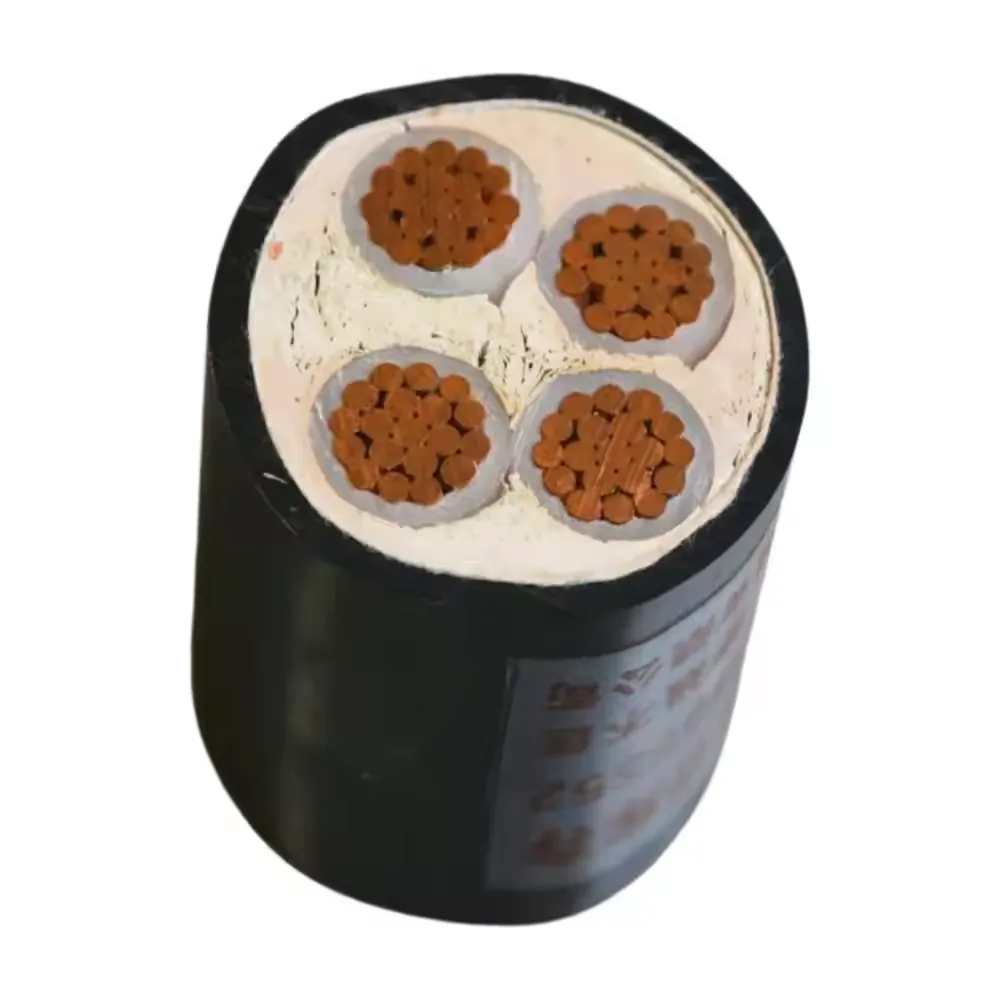
Choosing suitable cables is the foundation of a safe, efficient electrical upgrade. By selecting modern, appropriately sized, and certified cables, you protect your home today while preparing for tomorrow’s technologies. A well-executed upgrade delivers peace of mind, lower running costs, and increased property appeal.
Need high-quality cables that meet the latest standards for your upgrade project? Contact Henan Province Jianyun Cable Co., Ltd. for expert advice and competitive solutions.
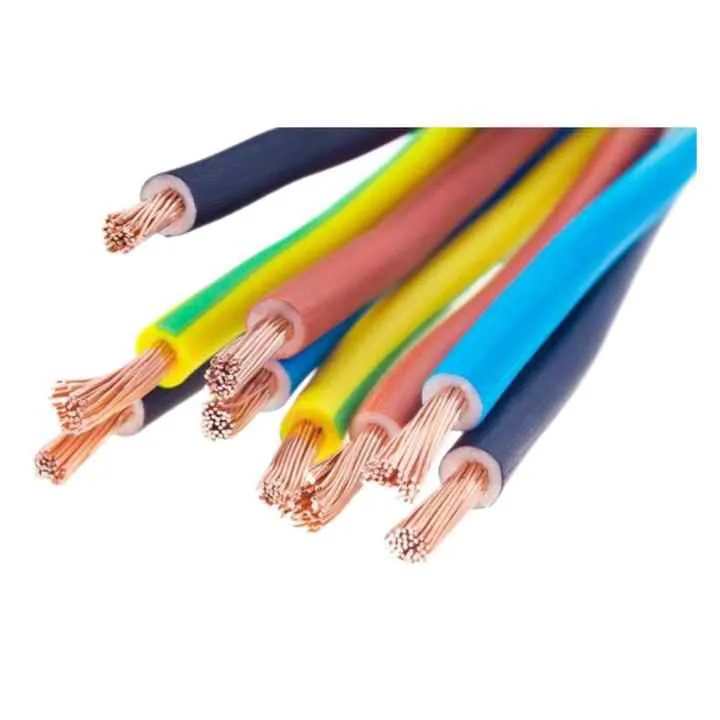
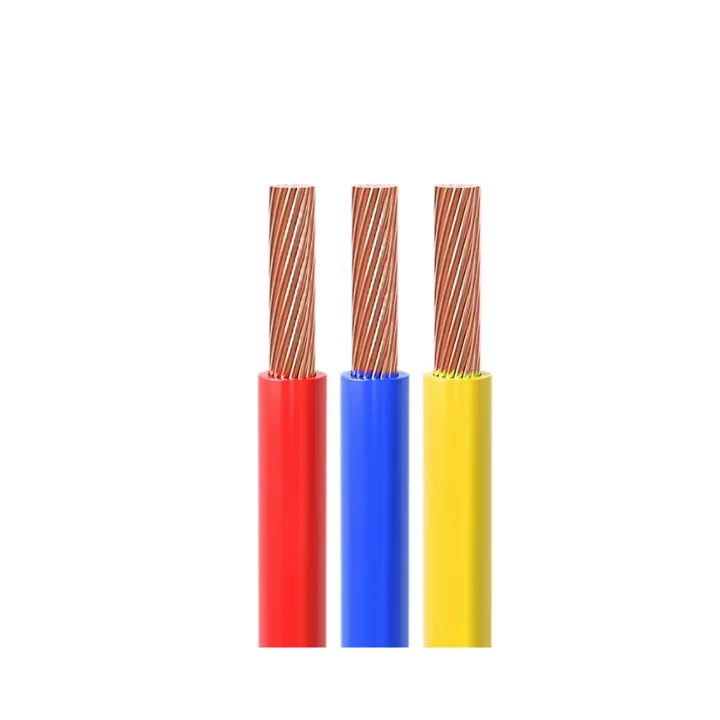
Flexible copper electrical wire with stranded copper conductor, PVC insulation a
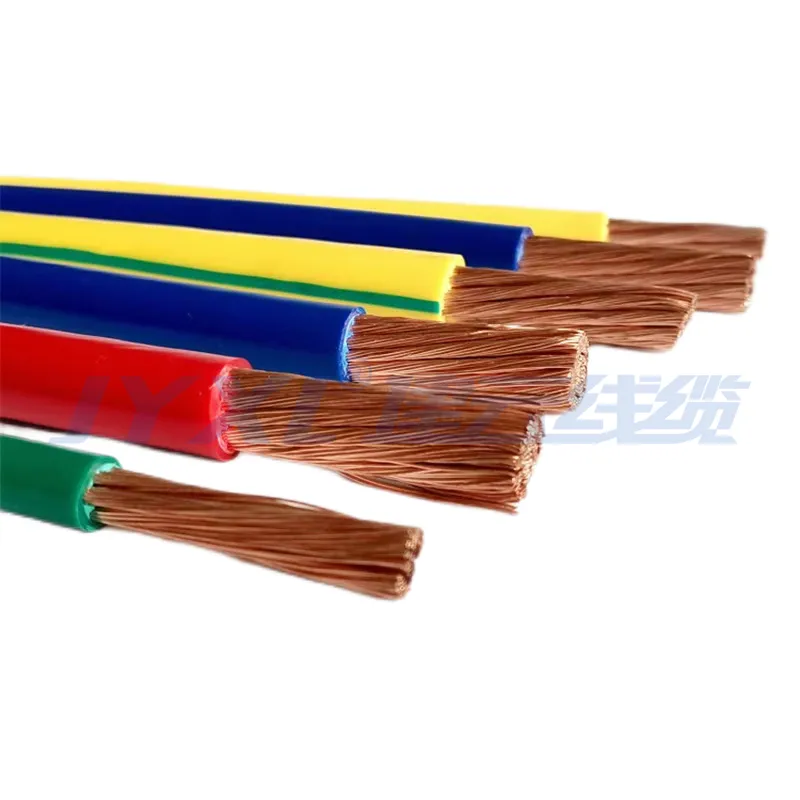
H07V-K flexible electrical wire with 1.5mm² and 2.5mm² stranded copper conductor
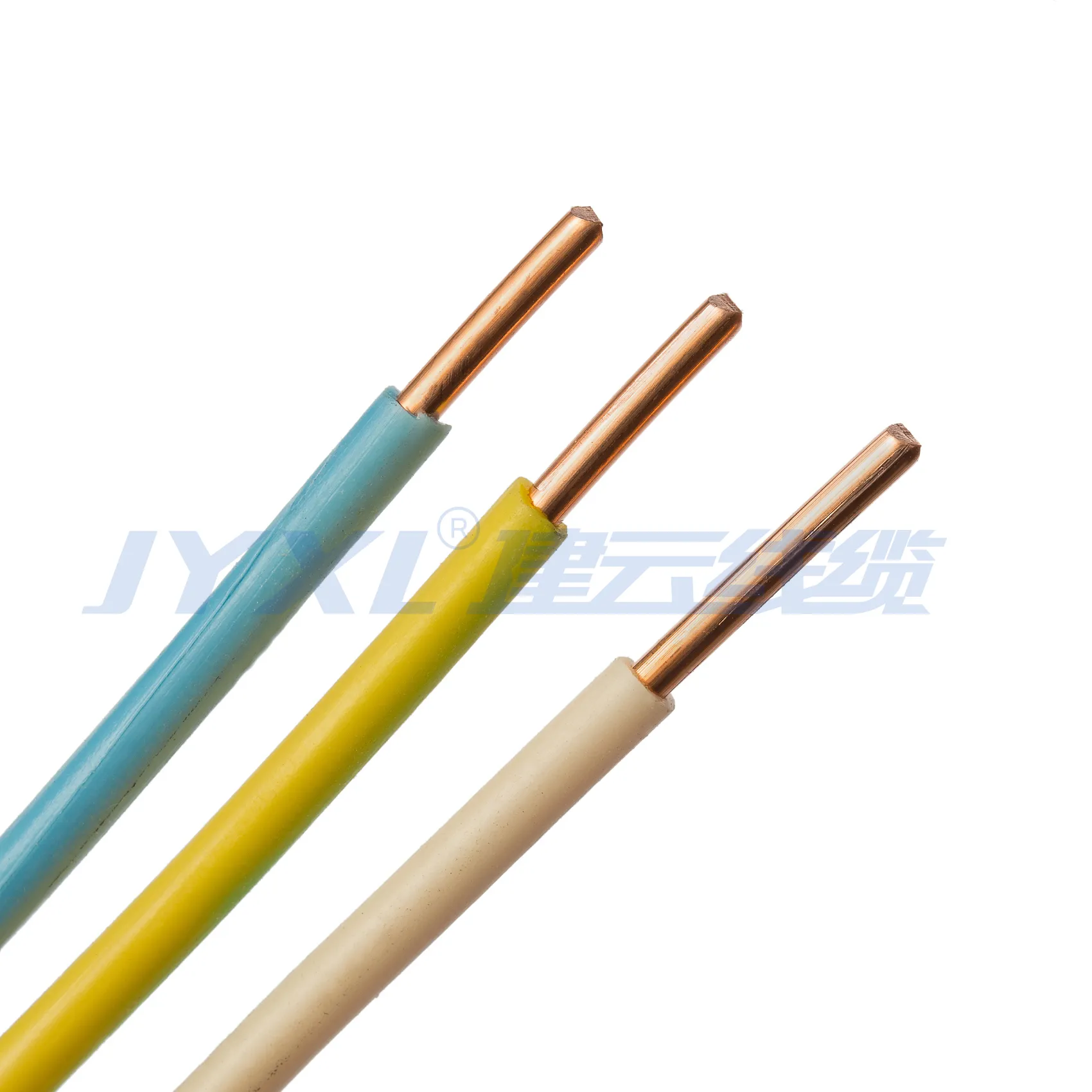
Jianyun H07V-U Solid Copper PVC Wire is a single core rigid electrical wire manu
CE Certification 450/750v H07VVF Flexible Copper PVC Insulated Ac Cable 3*2.5 Mm