Keep up to date with our latest company news and relevant industry knowledge.
Time: 2026-08-18 09:58:27 Source: Henan Province Jianyun Cable Co., Ltd.
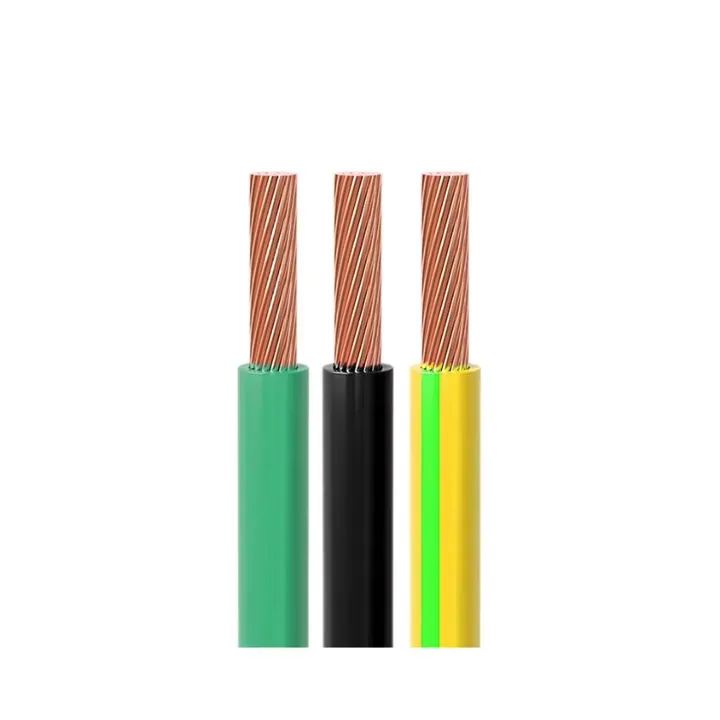
Electric wire is an essential part of residential, commercial and industrial electrical systems. It carries electrical current from a power source to appliances, lighting equipment, control panels and other connected devices. Choosing the correct wire helps improve electrical safety, installation efficiency and long-term system reliability.
Electric wire is a conductive material covered by an insulating layer. Copper is widely used as the conductor because it provides good electrical conductivity, mechanical strength and flexibility. Depending on the application, a wire may use a solid conductor or a conductor made from multiple fine strands.
Solid wire is commonly selected for fixed installations, while stranded electric wire is more suitable for applications that require flexibility. Flexible constructions are easier to route through equipment, around corners and inside areas with limited installation space.
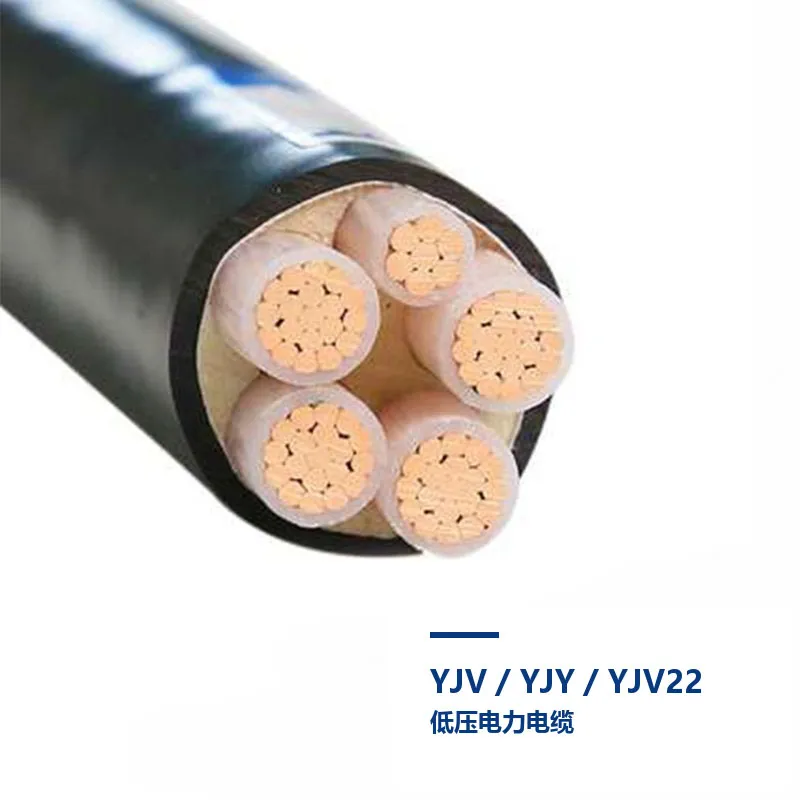
Although electric wire is available in many designs, most products contain two primary components: the conductor and the insulation.
| Component | Main Function | Common Options |
|---|---|---|
| Conductor | Carries electrical current | Solid or stranded copper |
| Insulation | Separates and protects the conductor | PVC and other insulating compounds |
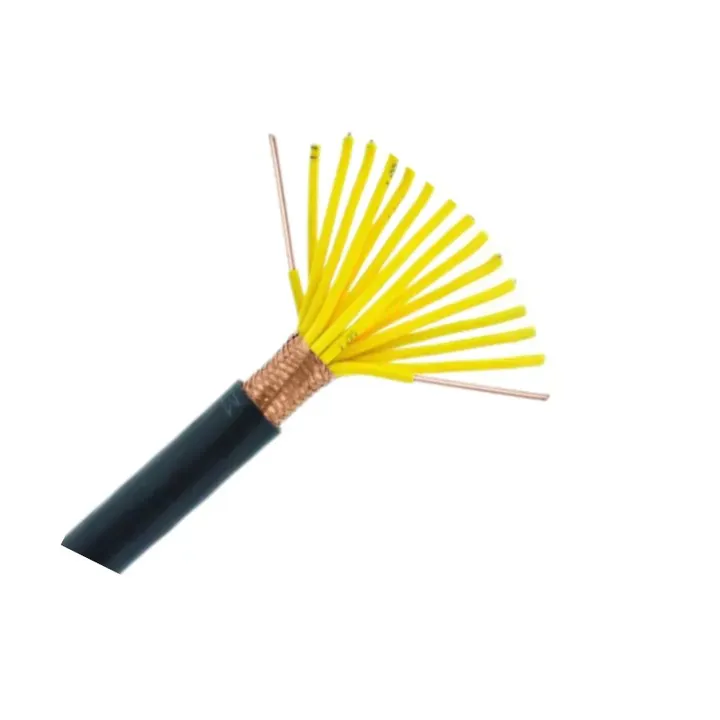
| Outer Sheath | Protects multiple insulated cores | PVC or application-specific materials |
Solid wire contains a single conductor. Its simple construction provides mechanical stability and makes it suitable for fixed wiring where the conductor will not be moved repeatedly.
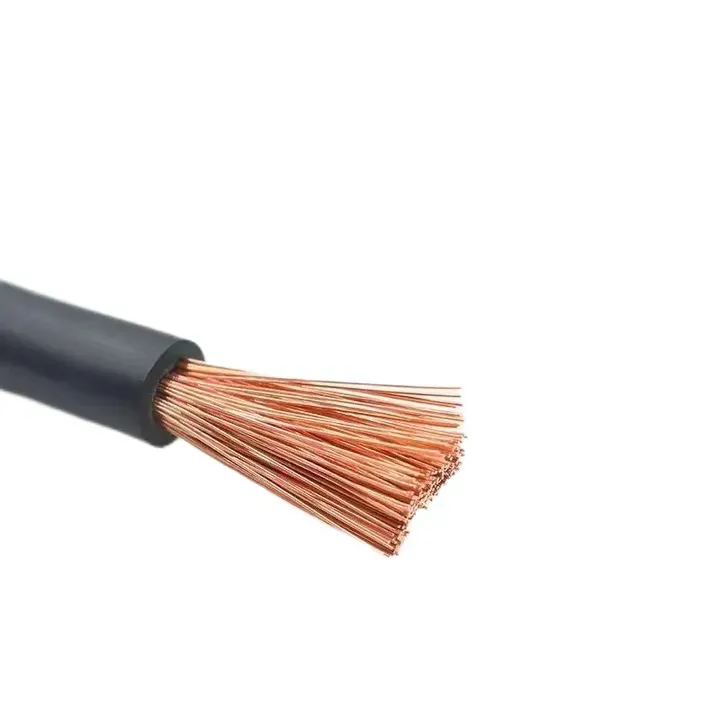
Stranded wire contains multiple small conductor strands. This construction increases flexibility and makes the wire easier to install in control panels, equipment, appliances and confined spaces.
Flexible cable usually combines finely stranded copper conductors with flexible insulation and an outer sheath. It is commonly used for appliances, lighting equipment, portable devices and light-duty electrical connections.
Electric wire can be designed for many different operating environments. Typical applications include:
A wire suitable for indoor equipment may not be appropriate for direct burial, outdoor exposure or continuous mechanical movement. Buyers should clearly define the installation environment before selecting a product.
| Selection Factor | What to Check |
|---|---|
| Rated Voltage | Confirm that the wire rating matches the electrical system. |
| Conductor Size | Select the cross-sectional area according to current, length and voltage-drop requirements. |
| Conductor Type | Choose solid wire for fixed installation or stranded wire where flexibility is needed. |
| Insulation | Evaluate temperature, moisture, oil, chemical and flame-related requirements. |
| Installation Method | Consider conduit, equipment wiring, fixed installation or flexible connection. |
| Applicable Standard | Verify the required national, regional or project-specific standard. |
The rated voltage is one of the first specifications to confirm. Electric wire must have a voltage rating appropriate for the electrical system. Using a wire outside its intended rating may reduce insulation reliability and create safety risks.
Conductor size affects current-carrying capacity, resistance and voltage drop. The required cross-sectional area should be calculated according to electrical load, circuit length, installation conditions and local regulations. Longer circuits may require a larger conductor to control voltage drop.
Stranded conductors are useful when electric wire must pass through narrow spaces or connect equipment that may experience limited movement. However, a wire described as flexible is not automatically suitable for continuous flexing in robots or drag chains. Dynamic applications require cables specifically designed and tested for repeated movement.
Bending electric wire too tightly can damage the conductor, insulation or outer sheath. The minimum bend radius is normally expressed as a multiple of the cable’s outside diameter. Always follow the value provided in the product specification, especially during installation.
| Feature | Flexible Stranded Wire | Solid Wire |
|---|---|---|
| Construction | Multiple fine strands | Single solid conductor |
| Flexibility | Higher | Lower |
| Typical Use | Appliances, panels and flexible connections | Fixed building wiring |
| Installation | Easy to route around bends | Maintains its shape well |
H05VV-F is a flexible PVC-insulated and PVC-sheathed cable commonly used for indoor electrical connections. Its stranded copper conductor provides flexibility, while the insulation and outer sheath protect the internal conductors.
Jianyun Cable supplies a 300/500V H05VV-F flexible cable with stranded copper conductors and PVC insulation. Available configurations include 3 × 2.5mm² and 4 × 2.5mm² for indoor, building, equipment and general electrical connection applications.
View the H05VV-F Flexible Electric Wire for detailed construction, voltage and customization information.
Electric wire generally refers to a single conductor with or without insulation. Electric cable usually contains one or more insulated conductors protected by an outer sheath. In everyday use, the two terms are sometimes used interchangeably.
Neither type is universally better. Stranded wire is more flexible, while solid wire is often preferred for stable fixed installations. The correct choice depends on the circuit and installation method.
Not every flexible wire is designed for continuous movement. Robots, drag chains and automated machinery require specialized high-flex cables tested for repeated bending cycles.
Selecting the right electric wire requires more than choosing a conductor size. Rated voltage, conductor construction, insulation, temperature, installation method, bend radius and applicable standards should all be reviewed.
Explore Jianyun Cable’s stranded copper PVC flexible wire for indoor electrical connections, appliances, equipment and building applications. Voltage ratings, conductor configurations, colors and packaging can be selected according to project requirements.
View Flexible Electric Wire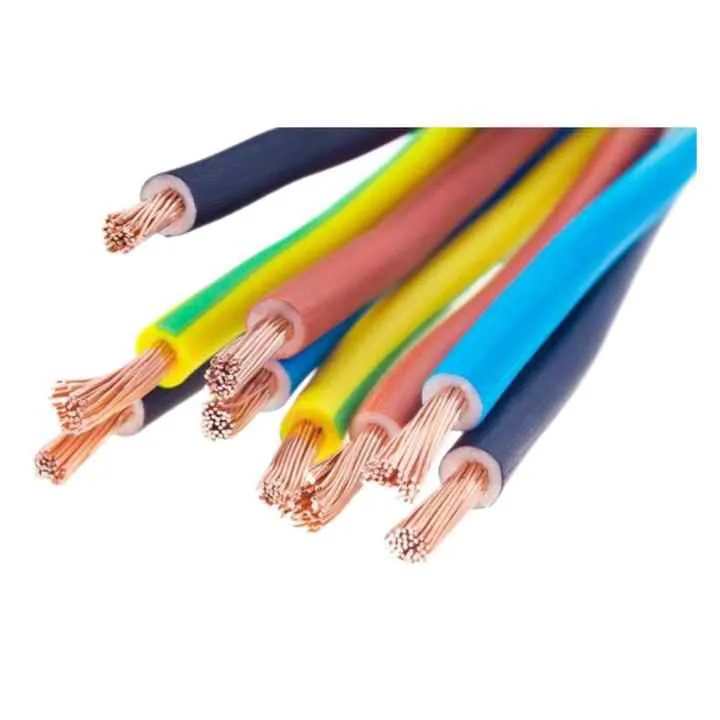
Flexible copper electrical wire with stranded copper conductor, PVC insulation a
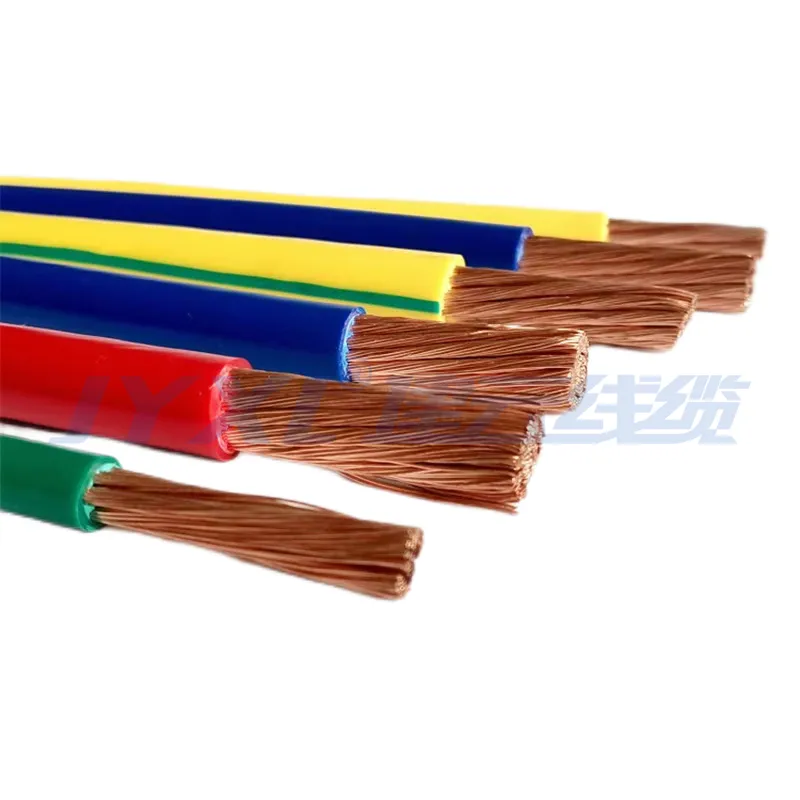
H07V-K flexible electrical wire with 1.5mm² and 2.5mm² stranded copper conductor
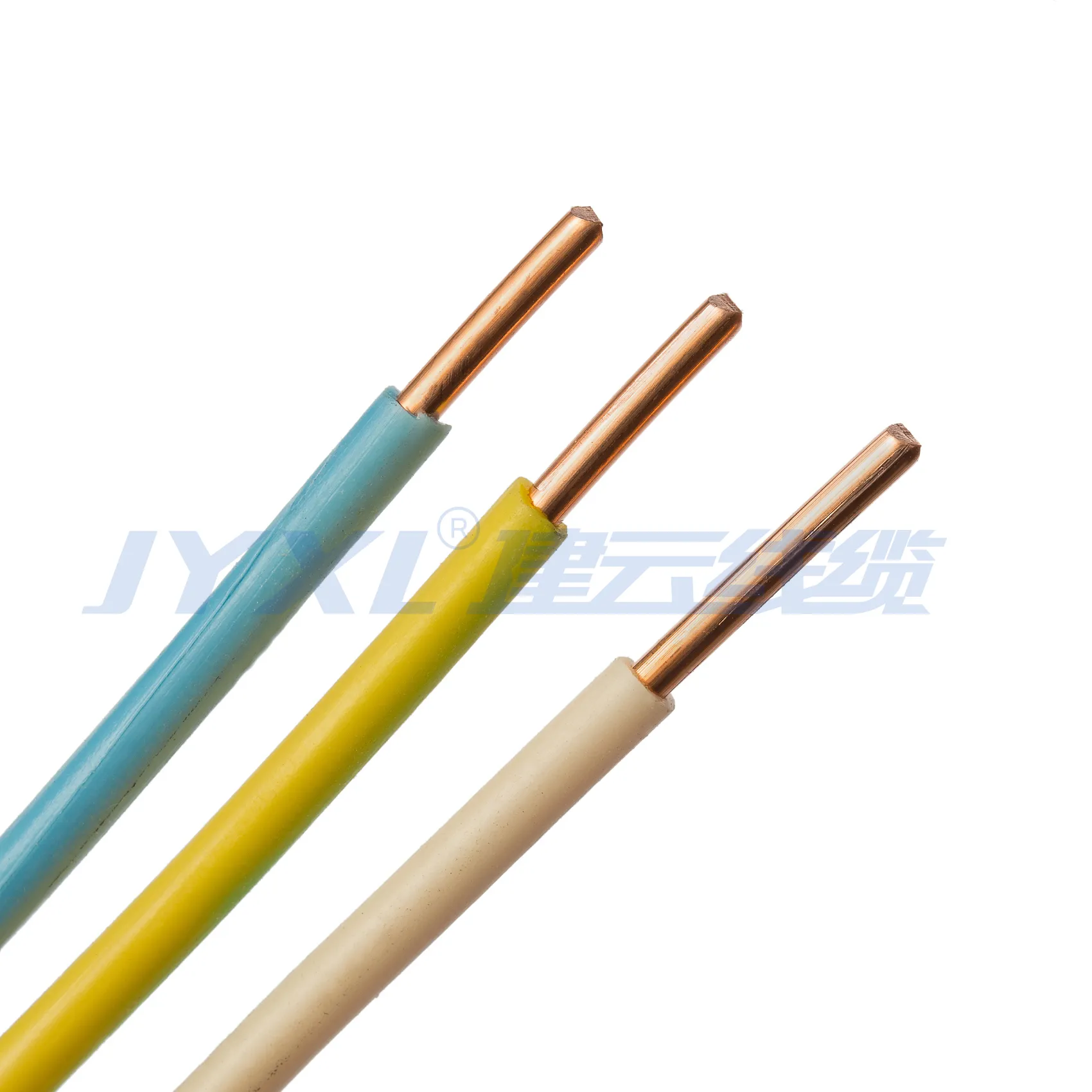
Jianyun H07V-U Solid Copper PVC Wire is a single core rigid electrical wire manu
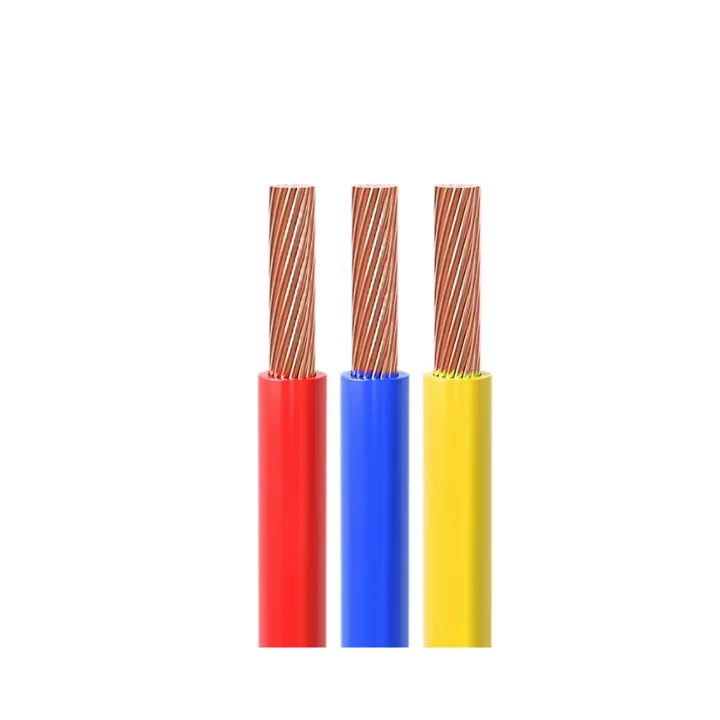
CE Certification 450/750v H07VVF Flexible Copper PVC Insulated Ac Cable 3*2.5 Mm