Keep up to date with our latest company news and relevant industry knowledge.
Time: 2026-08-13 07:18:14 Source: Henan Province Jianyun Cable Co., Ltd.
Author: Jianyun Cable
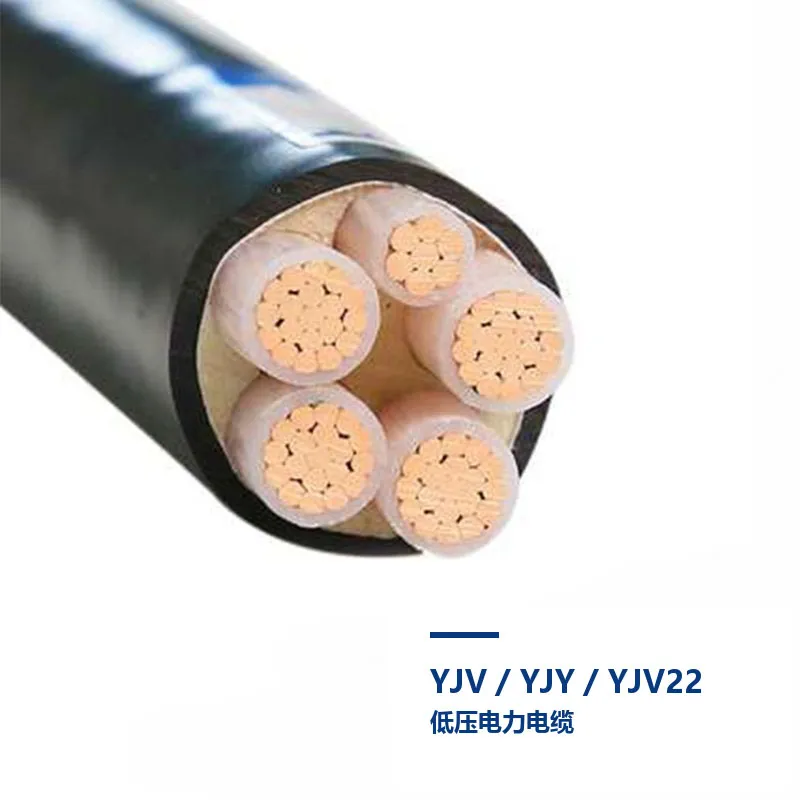
Low Voltage Power Cable is widely used in residential, commercial, industrial, and infrastructure electrical systems. It transfers electrical energy from transformers and distribution panels to buildings, machinery, lighting systems, and other electrical loads.
For underground or mechanically demanding installations, cable construction becomes especially important. The conductor, insulation, armor, sheath, core configuration, and installation environment must all be considered before selecting the correct cable.
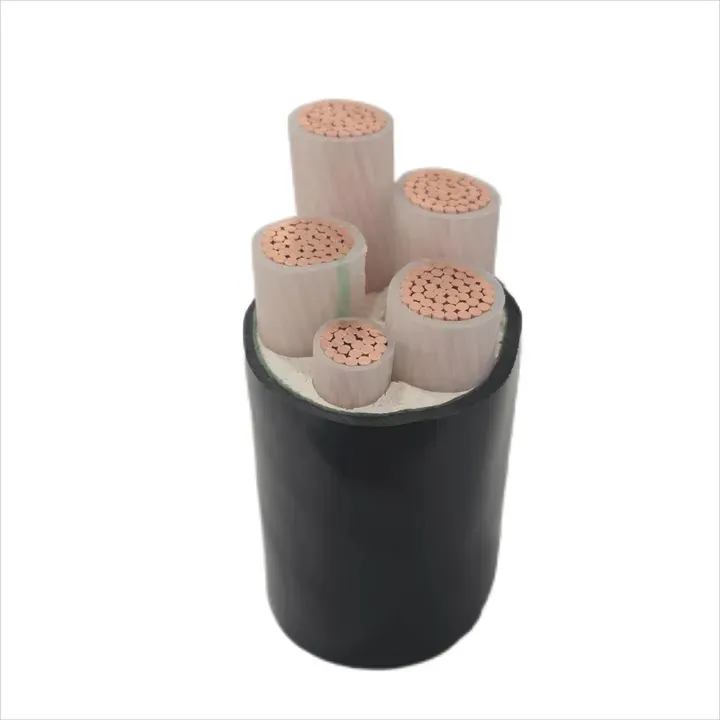
Jianyun Cable supplies RO2V and U1000RO2V low voltage power cable with copper conductors, XLPE insulation, PVC sheathing, and optional armored protection for underground distribution, tunnels, cable trenches, industrial plants, and infrastructure projects.
Recommended Low Voltage Power Cable:
600/1000V RO2V XLPE Low Voltage Power Cable from Jianyun CableA low voltage power cable is designed to transmit and distribute electrical energy in systems operating at voltages up to 1kV. The 0.6/1kV class is one of the most common ratings for building, industrial, utility, and underground distribution systems.
Low voltage power cable may use copper or aluminum conductors together with PVC or XLPE insulation. Depending on the installation conditions, the cable may also include steel wire armor, steel tape armor, aluminum wire armor, or no armor at all.
The Jianyun Cable product uses XLPE insulation and PVC sheathing and can be supplied in armored or unarmored constructions according to project requirements.
| Component | Main Function |
|---|---|
| Copper conductor | Carries electrical current efficiently |
| XLPE insulation | Provides electrical insulation and thermal stability |
| Filler and binding tape | Maintains cable shape and core stability |
| PVC inner sheath | Protects the assembled cable cores |
| AWA / SWA / STA armor | Provides additional mechanical protection when required |
| PVC outer sheath | Protects against moisture, abrasion, and environmental exposure |
| Advantage | Project Benefit |
|---|---|
| XLPE insulation | Supports strong electrical and thermal performance |
| Copper conductor | Provides high conductivity and compact conductor sizing |
| Armored options | Improve protection in underground and industrial environments |
| Multiple core configurations | Supports different single-phase and three-phase systems |
| Wide conductor size range | Allows selection for both small and high-current loads |
| 90°C operating temperature | Supports reliable continuous-load operation |
RO2V and U1000RO2V cables are commonly selected for fixed electrical installations where dependable insulation and environmental protection are required.
They can be installed indoors, outdoors, in damp locations, cable trenches, tunnels, and underground routes when the cable construction is suitable for the expected mechanical conditions.
Armored versions provide additional protection where the cable may be exposed to impact, compression, ground movement, or pulling force.
| Feature | Armored Cable | Unarmored Cable |
|---|---|---|
| Mechanical protection | High | Standard |
| Typical installation | Underground, trenches, industrial routes | Indoor trays, ducts, and protected locations |
| Cable weight | Higher | Lower |
| Installation flexibility | Lower due to armor | Generally easier to route |
| Armor Type | Construction | Typical Application |
|---|---|---|
| AWA | Aluminum wire armor | Single-core AC power cables requiring mechanical protection |
| SWA | Steel wire armor | Multi-core underground cables requiring tensile protection |
| STA | Steel tape armor | Installations requiring resistance to compression and impact |
| Core Configuration | Typical Application |
|---|---|
| 1 Core | High-current individual phase conductors |
| 2 Core | Single-phase power distribution |
| 3 Core | Three-phase systems |
| 3+1 | Three phases plus reduced neutral |
| 3+2 | Three phases with neutral and protective conductor |
| 4 Core | Three-phase systems with full-size neutral |
| 4+1 / 5 Core | Distribution systems requiring separate earth or additional conductor |
Jianyun Cable provides a wide range of conductor sizes to meet different electrical loads and installation requirements.
| Nominal Section | Typical Selection Consideration |
|---|---|
| 1.5–6mm² | Light-duty distribution and small electrical loads |
| 10–35mm² | Building and commercial power distribution |
| 50–120mm² | Industrial equipment and larger distribution systems |
| 150–300mm² | High-current infrastructure and industrial feeders |
| 400–630mm² | Major power distribution and high-capacity feeders |
| Feature | XLPE | PVC |
|---|---|---|
| Continuous temperature | Typically up to 90°C | Generally lower depending on cable design |
| Thermal stability | High | Standard |
| Electrical performance | Excellent dielectric properties | Suitable for general low-voltage use |
| Typical selection | Industrial and higher-load distribution | General electrical installations |
| Selection Factor | Recommendation |
|---|---|
| Rated voltage | Match the cable rating to the 0.6/1kV electrical system |
| Load current | Select conductor size according to current-carrying capacity |
| Voltage drop | Consider route length and allowable system losses |
| Short-circuit current | Verify conductor thermal withstand capability |
| Mechanical exposure | Choose armored cable where impact or compression may occur |
| Installation environment | Evaluate indoor, underground, wet, sloping, or moving terrain |
| Bending radius | Follow the minimum bending radius specified for the cable structure |
| Applicable standard | Confirm IEC, BS, GB/T, VDE, UL, AS/NZS, JIS, or project specifications |
| Specification | Available Option |
|---|---|
| Product type | RO2V / U1000RO2V low voltage power cable |
| Rated voltage | 600/1000V |
| Conductor | Copper |
| Insulation | XLPE |
| Outer jacket | PVC |
| Armor | AWA, SWA, STA, or unarmored |
| Core options | 1, 2, 3, 4, 5, 3+1, 3+2, and 4+1 |
| Conductor size range | 1.5mm² to 630mm² |
| Continuous temperature | Up to 90°C for XLPE insulated cable |
| Short-circuit temperature | Up to 250°C for a maximum of 5 seconds |
Jianyun Cable supplies Low Voltage Power Cable for underground distribution, industrial plants, commercial buildings, tunnels, cable trenches, utility networks, and infrastructure projects.
The product can be supplied with copper conductors, XLPE insulation, PVC sheathing, multiple core configurations, and AWA, SWA, or STA armored protection depending on installation requirements.
View Product Details and Request a Quote:
600/1000V RO2V XLPE Low Voltage Power CableLow Voltage Power Cable is a fundamental component of safe and reliable electrical distribution. For underground, industrial, tunnel, and infrastructure installations, XLPE insulation and optional armor provide a practical combination of electrical performance, thermal stability, and mechanical protection.
Jianyun Cable supplies RO2V and U1000RO2V low voltage power cable in multiple conductor sizes, core configurations, and armored structures to meet different project requirements.
Request Your Low Voltage Power Cable Quotation:
Contact Jianyun Cable for RO2V XLPE Low Voltage Power CableLow voltage power cable is used to distribute electrical energy in residential buildings, commercial facilities, industrial plants, utility networks, underground systems, and infrastructure projects operating up to 1kV.
RO2V is a low voltage power cable commonly manufactured with a copper conductor, XLPE insulation, and PVC outer sheath for fixed power distribution applications.
XLPE provides strong electrical insulation, good thermal stability, higher continuous operating temperature, and reliable long-term performance.
Armored cable should be selected where the cable may be exposed to mechanical impact, pressure, pulling force, ground movement, or other physical stresses.
SWA uses steel wires and provides strong mechanical and tensile protection. STA uses steel tapes and is commonly selected where resistance to compression and impact is required.
Cable size should be selected according to load current, cable length, allowable voltage drop, short-circuit current, installation method, ambient temperature, and applicable electrical standards.
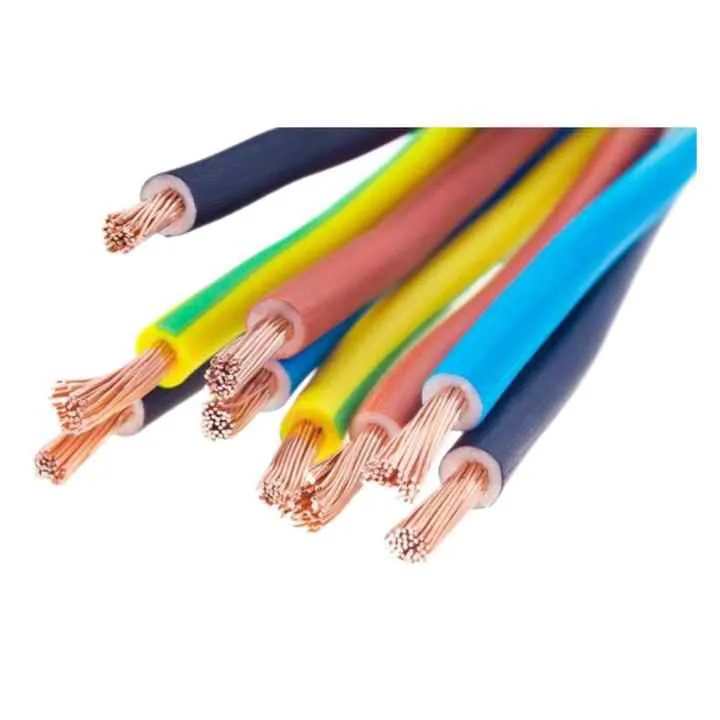
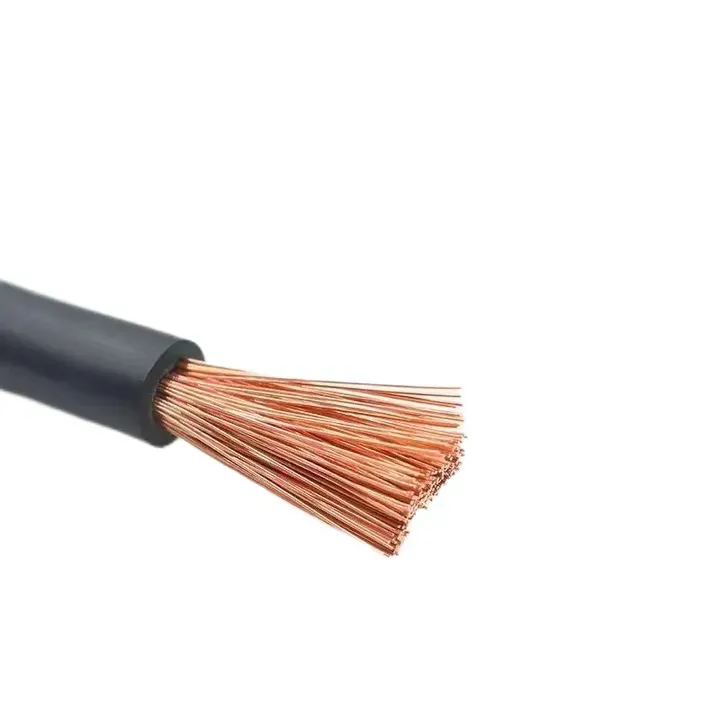
Flexible copper electrical wire with stranded copper conductor, PVC insulation a
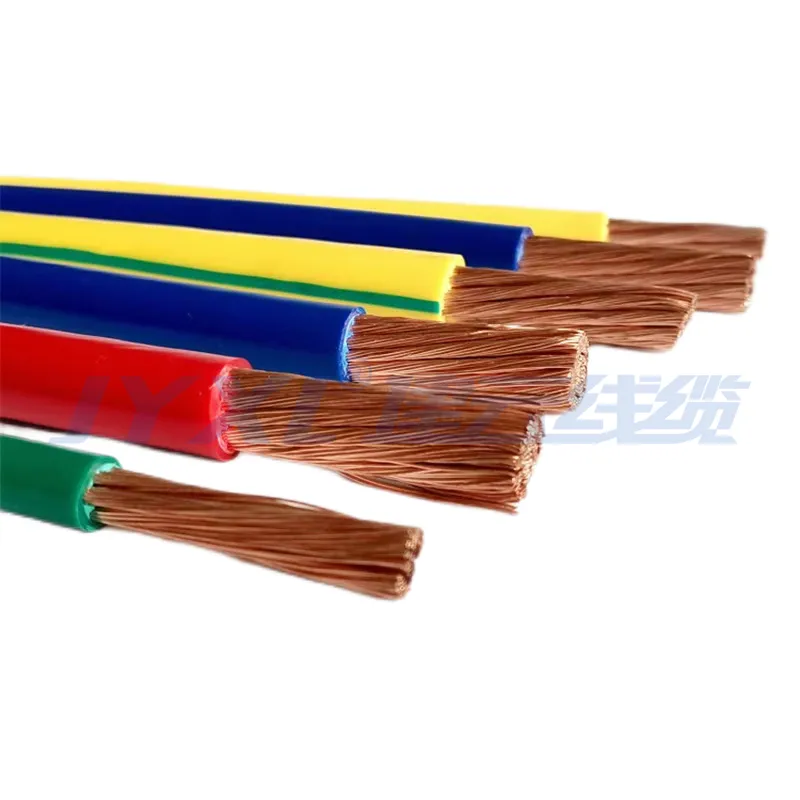
H07V-K flexible electrical wire with 1.5mm² and 2.5mm² stranded copper conductor
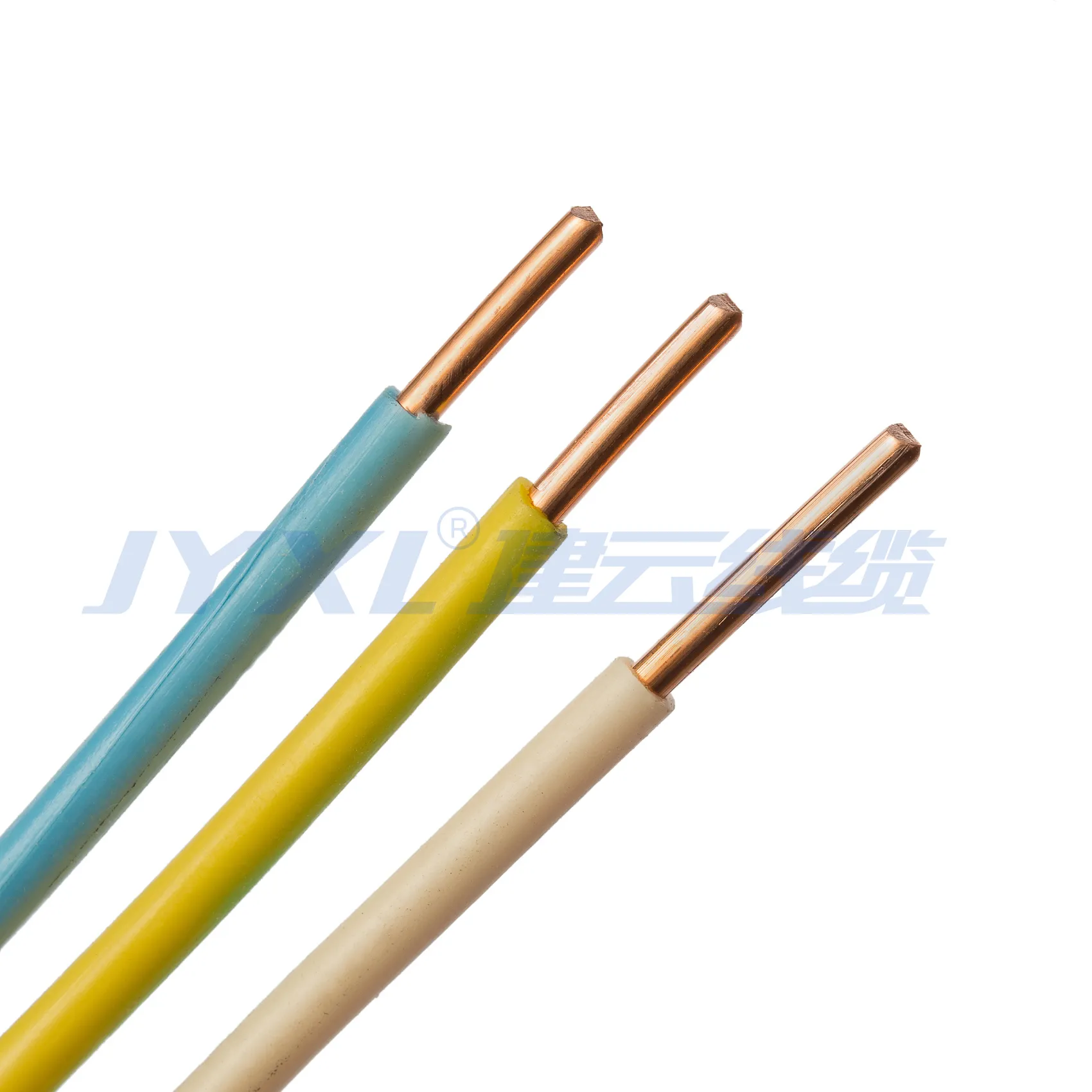
Jianyun H07V-U Solid Copper PVC Wire is a single core rigid electrical wire manu
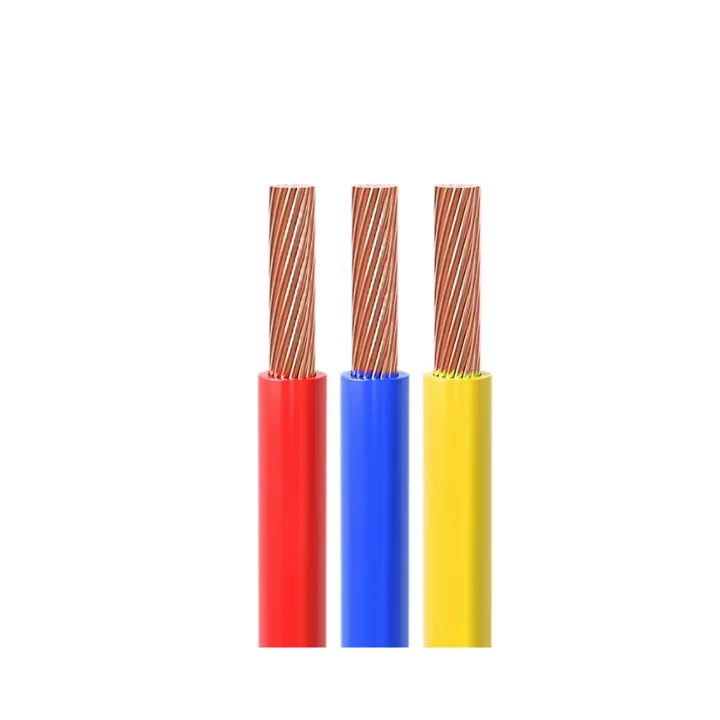
CE Certification 450/750v H07VVF Flexible Copper PVC Insulated Ac Cable 3*2.5 Mm