Keep up to date with our latest company news and relevant industry knowledge.
Time: 2026-08-12 09:13:01 Source: Henan Province Jianyun Cable Co., Ltd.
Author: Jianyun Cable
Medium voltage power cable is a key component in modern electrical distribution systems. It transfers electricity between substations, transformers, industrial facilities, utility networks, renewable energy systems, and other major electrical loads.
Compared with ordinary low-voltage cable, medium voltage power cable requires a stronger insulation system and more carefully designed electrical shielding. XLPE insulation is widely used because it provides excellent dielectric performance, thermal stability, and dependable long-term operation.
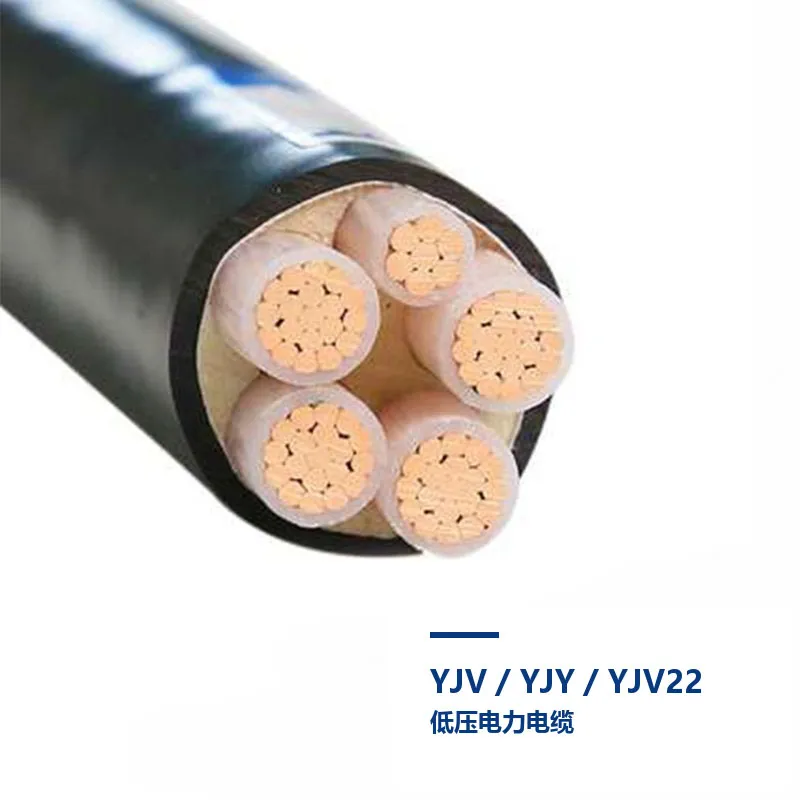
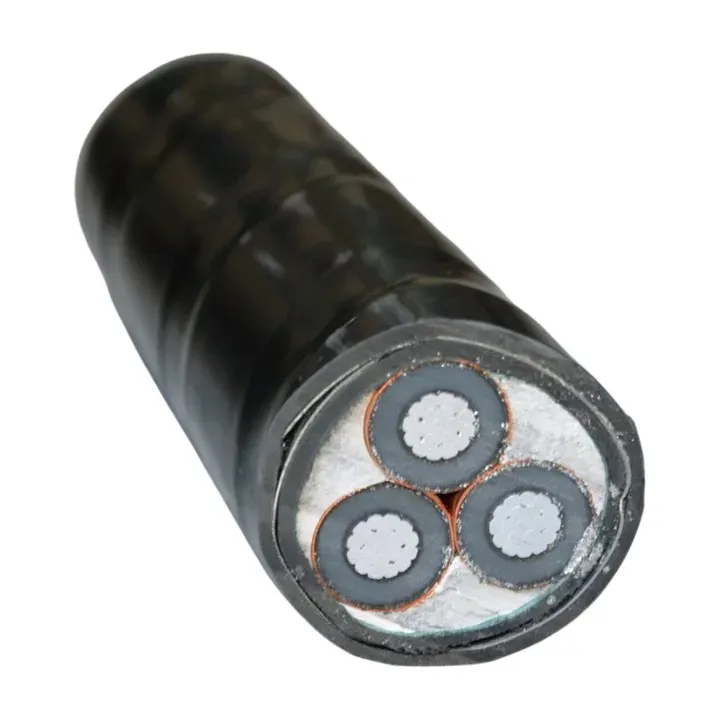
Jianyun Cable supplies XLPE medium voltage power cable with copper or aluminum conductors, PVC outer sheathing, and multiple armored construction options for underground, industrial, utility, and infrastructure applications.
Recommended Medium Voltage Power Cable:
XLPE Medium Voltage Power Cable from Jianyun CableMedium voltage power cable is designed for electrical systems operating above conventional low-voltage distribution. Typical medium-voltage applications include power networks ranging from several kilovolts up to approximately 35kV.
The Jianyun Cable product range includes working voltage classes from 3.6/6kV through 26/35kV. These cables are designed for power transmission and distribution in underground networks, industrial facilities, substations, and infrastructure projects.
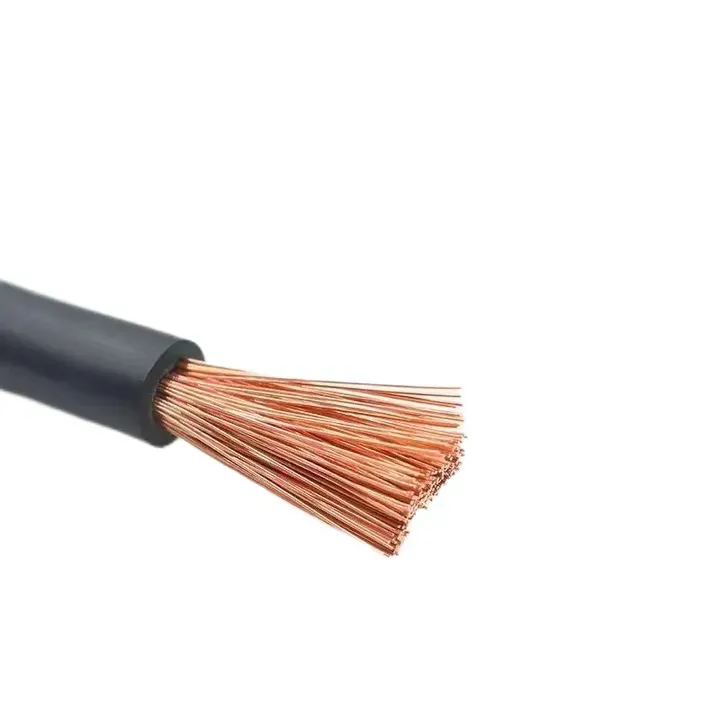
Depending on the project, the cable can use copper or aluminum conductors and may include additional armor to protect against mechanical stress.
| Component | Main Function |
|---|---|
| Copper or aluminum conductor | Carries electrical current efficiently |
| XLPE insulation | Provides the primary dielectric insulation |
| Binding tape and filler | Maintains cable geometry and core stability |
| PVC inner sheath | Protects the internal cable assembly |
| AWA / SWA / STA armor | Provides mechanical protection according to installation requirements |
| PVC outer sheath | Protects against moisture, abrasion, and environmental exposure |
| Advantage | Project Benefit |
|---|---|
| XLPE insulation | Provides strong electrical and thermal performance |
| Copper or aluminum conductors | Allows selection based on conductivity, weight, and project budget |
| Armored construction | Improves mechanical protection in underground and industrial applications |
| Wide conductor size range | Supports different current capacities and project scales |
| 90°C operating temperature | Supports dependable continuous-load performance |
| Multiple international standards | Suitable for different regional and project specifications |
| Voltage Class | Typical Application |
|---|---|
| 3.6/6kV | Industrial and commercial distribution |
| 6/10kV | Factory and utility networks |
| 8.7/15kV | Medium-voltage distribution systems |
| 12/20kV | Substations and infrastructure projects |
| 18/30kV | High-capacity utility and industrial systems |
| 26/35kV | Major distribution and energy infrastructure |
| Feature | Copper Conductor | Aluminum Conductor |
|---|---|---|
| Conductivity | Higher conductivity for the same cross-sectional area | Requires larger area for similar current capacity |
| Weight | Heavier | Lighter |
| Installation space | More compact for equivalent current | May require a larger conductor size |
| Project cost | Generally higher | Often more economical |
| Armor Type | Main Characteristic | Typical Use |
|---|---|---|
| AWA | Aluminum wire armor | Single-core AC power cables |
| SWA | Steel wire armor | Multi-core cables requiring strong tensile protection |
| STA | Steel tape armor | Underground cables requiring compression and impact protection |
| ATA | Aluminum tape armor | Project-specific armored construction |
| Feature | Single Core | Three Core |
|---|---|---|
| Construction | One insulated phase conductor per cable | Three insulated phase conductors under one sheath |
| Handling | Easier to handle at very large conductor sizes | Compact three-phase installation |
| Armor | AWA commonly used when armor is required | SWA or STA can be used |
| Typical application | High-current distribution | Industrial and underground three-phase systems |
| Selection Factor | Recommendation |
|---|---|
| System voltage | Match the cable Uo/U rating to the electrical network |
| Load current | Select conductor cross section according to current-carrying capacity |
| Route length | Check voltage drop and power losses for long cable runs |
| Short-circuit level | Verify conductor and screen thermal capability |
| Mechanical risk | Select AWA, SWA, STA, or another armored design where required |
| Installation environment | Evaluate underground, wet, sloping, vertical, or industrial conditions |
| Applicable standard | Confirm IEC 60502, GB/T 12706, BS, VDE, AS/NZS, JIS, or project specifications |
| Specification | Available Option |
|---|---|
| Product type | XLPE medium voltage power cable |
| Working voltage | 3.6/6kV to 26/35kV |
| Conductor | Copper or aluminum |
| Insulation | XLPE |
| Outer jacket | PVC |
| Armor | AWA, SWA, STA, or ATA |
| Core configuration | Single core or three core |
| Cross section | 1.5mm² to 800mm² depending on cable design |
| Operating temperature | Up to 90°C for XLPE-insulated cable |
| Short-circuit temperature | Up to 250°C for a maximum of 5 seconds |
Jianyun Cable supplies medium voltage power cable with copper or aluminum conductors, XLPE insulation, PVC outer sheathing, and multiple armored structures for underground, industrial, utility, and infrastructure installations.
Cable voltage, conductor material, cross-sectional area, core configuration, armor type, sheath material, drum length, and packaging can be specified according to project requirements.
View Product Specifications and Request a Quote:
XLPE Medium Voltage Power Cable for Underground DistributionMedium voltage power cable is a critical link between substations, transformers, industrial equipment, and electrical distribution networks. Selecting the correct voltage class, conductor material, insulation, armor, and conductor size helps improve system reliability and long-term operating performance.
Jianyun Cable supplies XLPE medium voltage power cable for underground, industrial, infrastructure, and utility projects with multiple conductor, armor, and voltage options.
Request Your Medium Voltage Power Cable Quotation:
Contact Jianyun Cable for XLPE Medium Voltage Power CableMedium voltage power cable is used to transmit electrical energy between substations, transformers, industrial facilities, utility networks, renewable energy systems, and major electrical loads.
Typical options include 3.6/6kV, 6/10kV, 8.7/15kV, 12/20kV, 18/30kV, 21/35kV, and 26/35kV, depending on project requirements.
XLPE provides strong dielectric insulation, good thermal stability, low dielectric loss, and dependable long-term performance under medium-voltage electrical stress.
Armored cable should be selected where additional protection is required against impact, compression, pulling force, ground movement, or other mechanical stresses.
SWA uses steel wire armor and is commonly applied to multi-core cables. AWA uses aluminum wire armor and is often selected for single-core AC cables because aluminum is non-magnetic.
Cable size should be selected according to system voltage, load current, cable length, voltage drop, short-circuit current, installation environment, ambient temperature, and applicable electrical standards.
```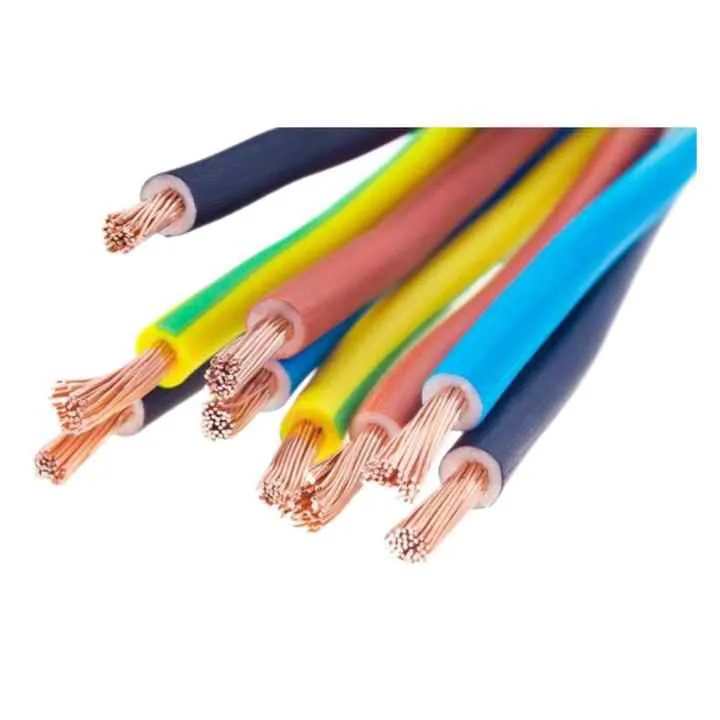
Flexible copper electrical wire with stranded copper conductor, PVC insulation a
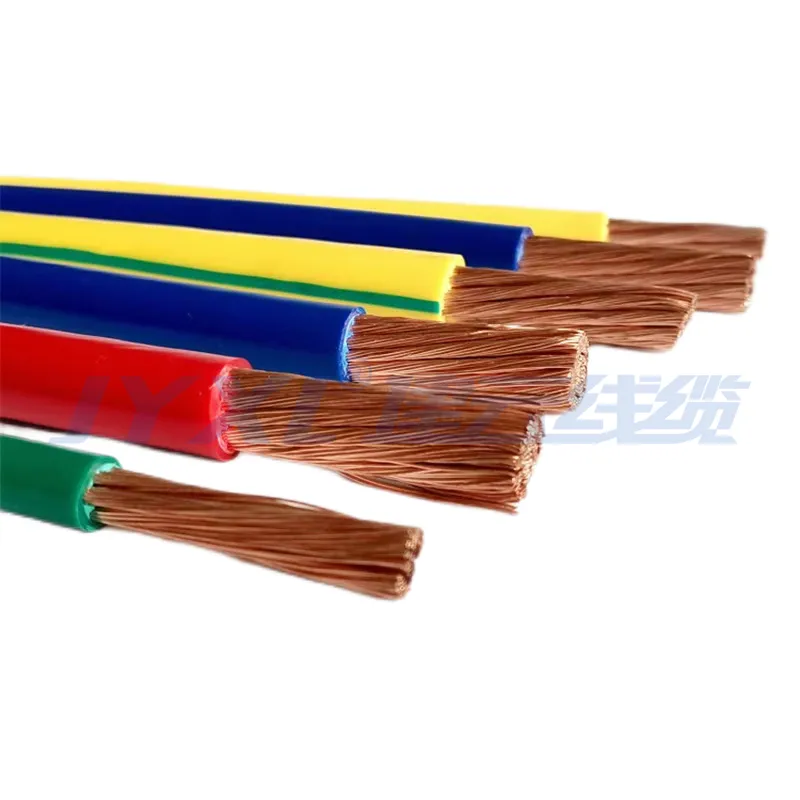
H07V-K flexible electrical wire with 1.5mm² and 2.5mm² stranded copper conductor
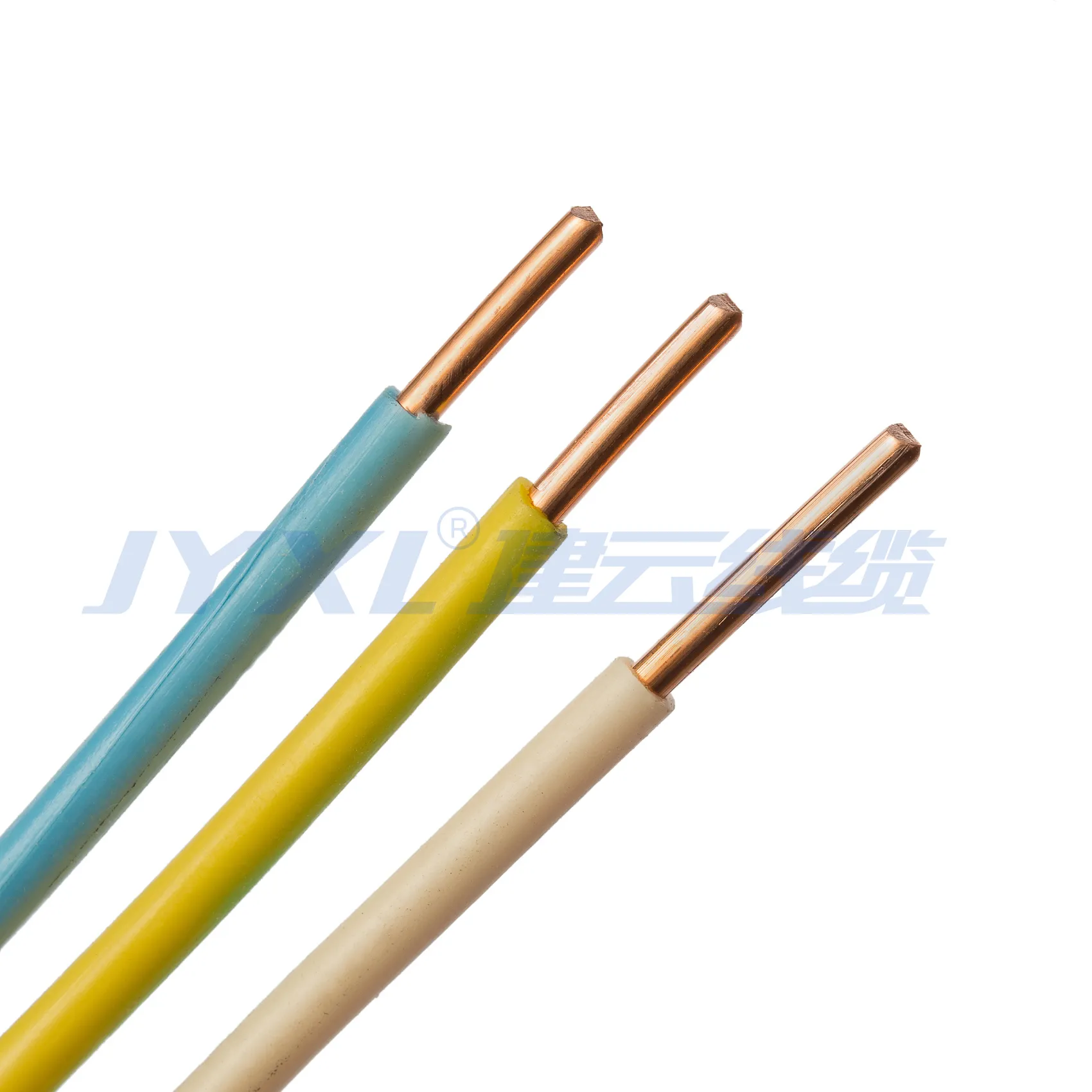
Jianyun H07V-U Solid Copper PVC Wire is a single core rigid electrical wire manu
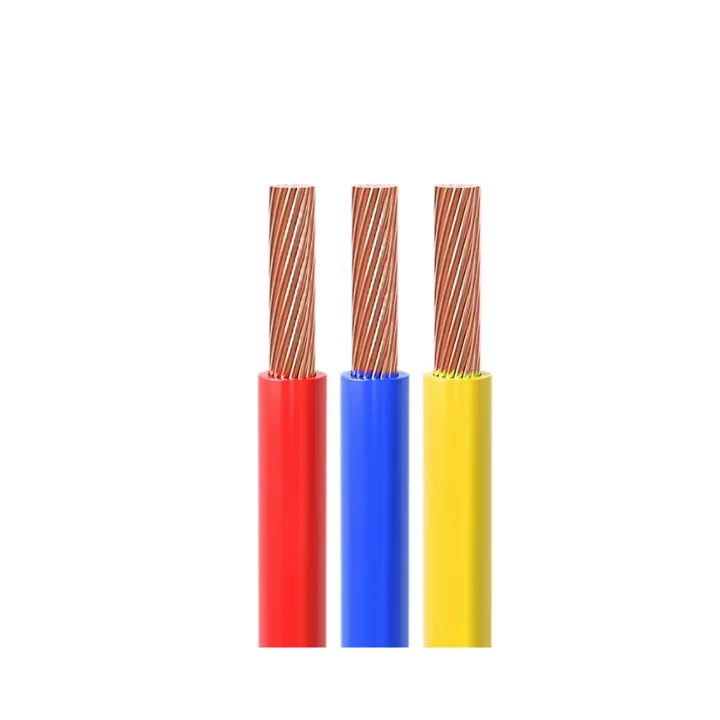
CE Certification 450/750v H07VVF Flexible Copper PVC Insulated Ac Cable 3*2.5 Mm