Keep up to date with our latest company news and relevant industry knowledge.
Time: 2026-09-12 12:18:33 Source: Henan Province Jianyun Cable Co., Ltd.
Cable Knowledge Series
Welding cable looks like ordinary rubber cable from the outside, but it's built for one of the harshest daily workloads any cable faces. Here's what's actually inside H01N2-D welding and battery cable, and why it matters.
A welder picks up the torch lead a few hundred times a shift. It gets dragged across concrete, coiled and uncoiled, exposed to hot spatter, brushed against oily equipment, and made to carry very high current through a fairly thin conductor — all while staying flexible enough not to fight the operator's hand. Very few cables are asked to do all of that at once.
That's exactly the job welding cable, often labeled H01N2-D, is engineered for. This guide breaks down what's actually different about its construction, how it's rated, and how to choose the right size for a welding or battery application.
Welding and battery cable circuits share a demanding profile that ordinary power or building wire isn't designed to handle:
| Layer | Function |
|---|---|
| Conductor | Class 6 extra-flexible copper — hundreds to thousands of very fine strands, far more than a standard flexible cable, to survive constant bending |
| Separator | PET (polyester) tape wrap, helping the sheath separate cleanly from the conductor and easing stripping |
| Sheath | Rubber compound (natural rubber or neoprene) providing flexibility, weather resistance and protection from oil and heat |
The conductor is the real key: where a general-purpose flexible cable might use a Class 5 stranded conductor, welding cable typically steps up to Class 6 — extremely fine individual wires — which is what allows it to survive tens of thousands of flex cycles without the copper fatiguing and breaking.
| Model | Sheath Material | Best For |
|---|---|---|
| YH | Natural rubber sheath | Indoor welding stations and workshops |
| YHF | Neoprene (synthetic) rubber sheath | Outdoor welding, exposed to sun, oil and weather |
Both share the same conductor and general construction — the difference is entirely in the sheath compound, since neoprene holds up much better against UV, ozone and weathering than natural rubber.
| Section (mm²) | Strand Count/Diameter | Sheath Thickness (mm) | Outer Diameter (mm) | Resistance @20°C (Ω/km) |
|---|---|---|---|---|
| 16 | 513/0.20 | 2.0 | 9.2-11.5 | 1.16 |
| 25 | 798/0.20 | 2.0 | 10.5-13.0 | 0.758 |
| 35 | 1121/0.20 | 2.0 | 11.5-14.5 | 0.536 |
| 50 | 1596/0.20 | 2.2 | 13.5-17.0 | 0.379 |
| 70 | 2214/0.20 | 2.4 | 15.0-19.5 | 0.268 |
| 95 | 2997/0.20 | 2.6 | 17.0-22.0 | 0.198 |
The maximum continuous conductor operating temperature is commonly rated at 60-65°C, with DC ripple voltage limited to 1000V and below — well matched to the low-voltage, high-current nature of welding circuits.
In China, welding and battery cable of this type is commonly manufactured to GB/T 5013-2008, the standard covering rubber-insulated cables rated 450/750V and below. Internationally, the harmonized H01N2-D designation is referenced under EN 50525-2-81, with related callouts to IEC 60245-6 in many regional specifications — different code names, but describing a very similar extra-flexible welding cable construction.
Q: Can I use regular rubber cable instead of welding cable for a welding machine?
A: It's not recommended — standard rubber cable typically uses a less fine conductor stranding, which fatigues and breaks much faster under the constant bending and twisting a welding lead experiences.
Q: What does "Class 6" conductor mean?
A: It refers to a conductor flexibility classification under IEC 60228, where higher class numbers indicate more, finer individual strands and greater flexibility — Class 6 is among the most flexible standard classifications.
Q: Is welding cable the same as battery cable?
A: They share very similar construction — extra-flexible fine-strand copper conductor with a rubber sheath — since both applications need to carry high current at low voltage through a cable that gets moved and flexed regularly.
Q: Why does the cable need to resist oil and chemicals?
A: Welding and industrial environments frequently expose cable to lubricants, hydraulic fluid and cutting oils, which can soften or degrade a sheath that isn't specifically formulated to resist them.
Q: What happens if the welding cable is undersized for the current?
A: An undersized cable will run hotter than intended, increasing resistive losses, accelerating insulation aging, and in more extreme cases posing a fire or equipment damage risk.
Welding cable earns its keep in one of the toughest daily environments any cable faces — constant bending, high current, heat, sparks and oil, often outdoors. The extra-fine Class 6 copper stranding and purpose-built rubber sheath aren't overengineering; they're exactly what it takes to keep a welding lead flexible and reliable shift after shift, instead of becoming the next thing that breaks down on the floor.
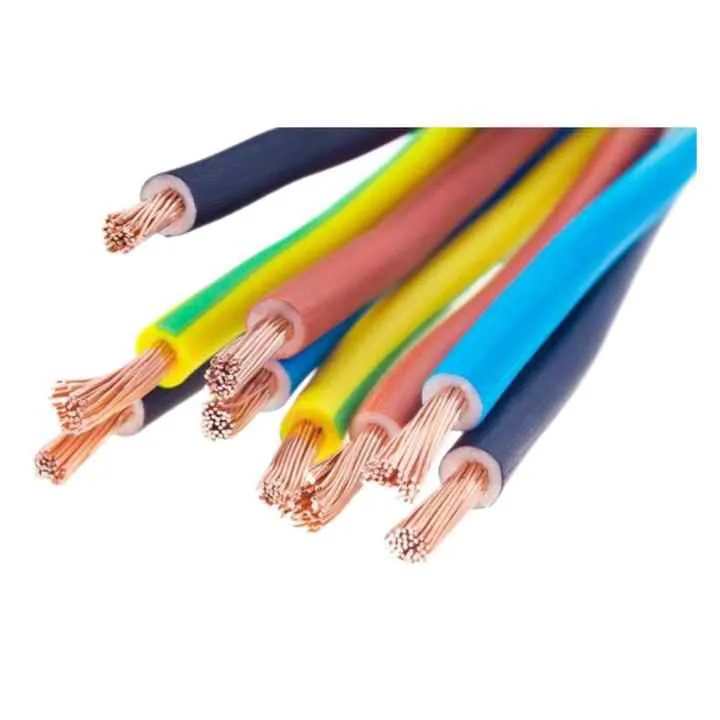
Flexible copper electrical wire with stranded copper conductor, PVC insulation a
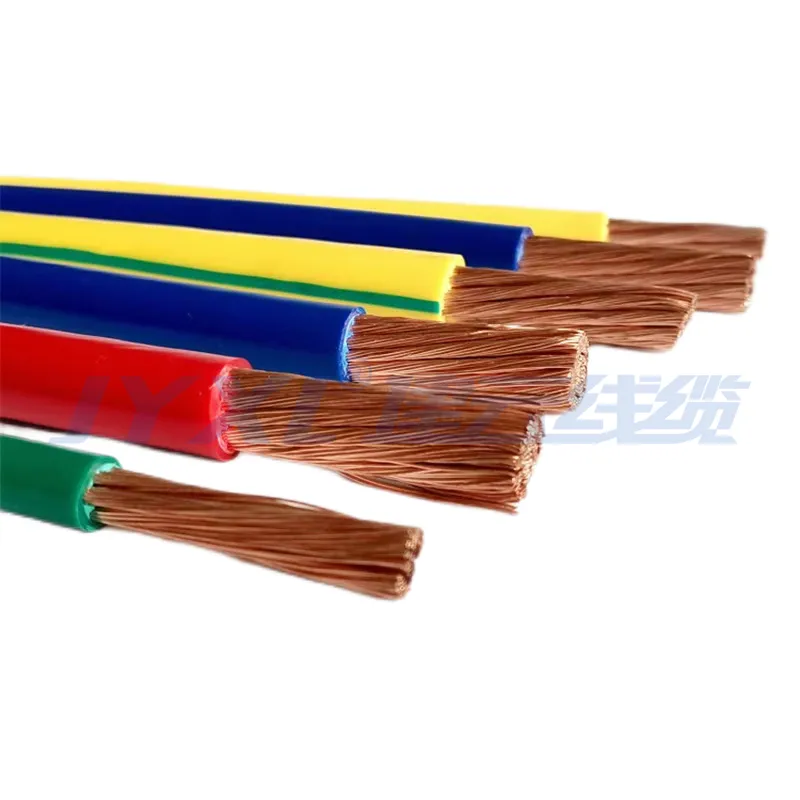
H07V-K flexible electrical wire with 1.5mm² and 2.5mm² stranded copper conductor
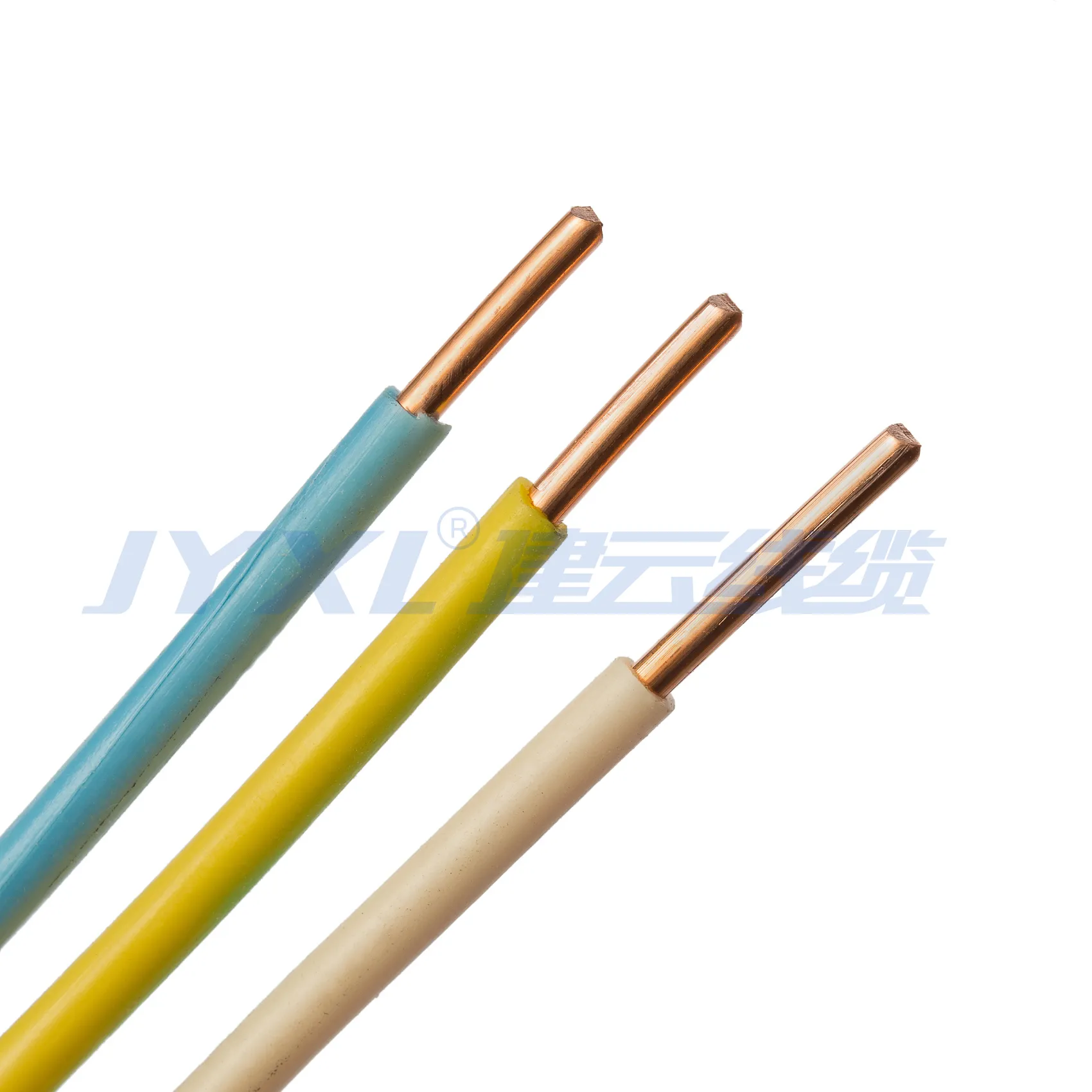
Jianyun H07V-U Solid Copper PVC Wire is a single core rigid electrical wire manu
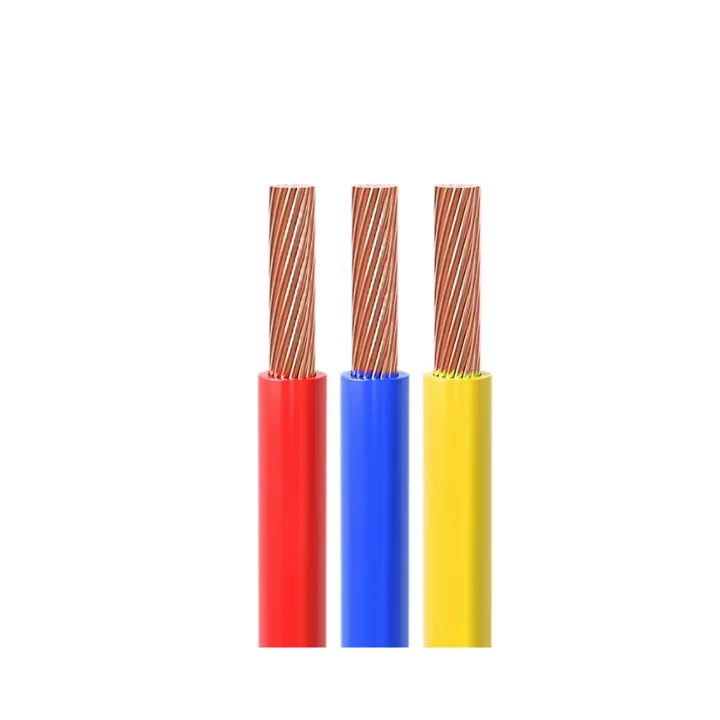
CE Certification 450/750v H07VVF Flexible Copper PVC Insulated Ac Cable 3*2.5 Mm