Keep up to date with our latest company news and relevant industry knowledge.
Time: 2026-09-05 15:37:47 Source: Henan Province Jianyun Cable Co., Ltd.
Cable Knowledge Series
Most people learn cable names like H05VV-F, but a whole other numbered system — 227 IEC 01 through 53 — quietly runs household and building wiring across many parts of the world. Here's what those numbers actually mean.
If you've shopped for building wire in Southeast Asia, the Middle East, or parts of Africa, you've probably run into labels like 227 IEC 01, 227 IEC 10, or 227 IEC 52. These sit alongside — and sometimes instead of — the more commonly discussed H05VV-F or H07V-K harmonized codes, and they follow their own logic.
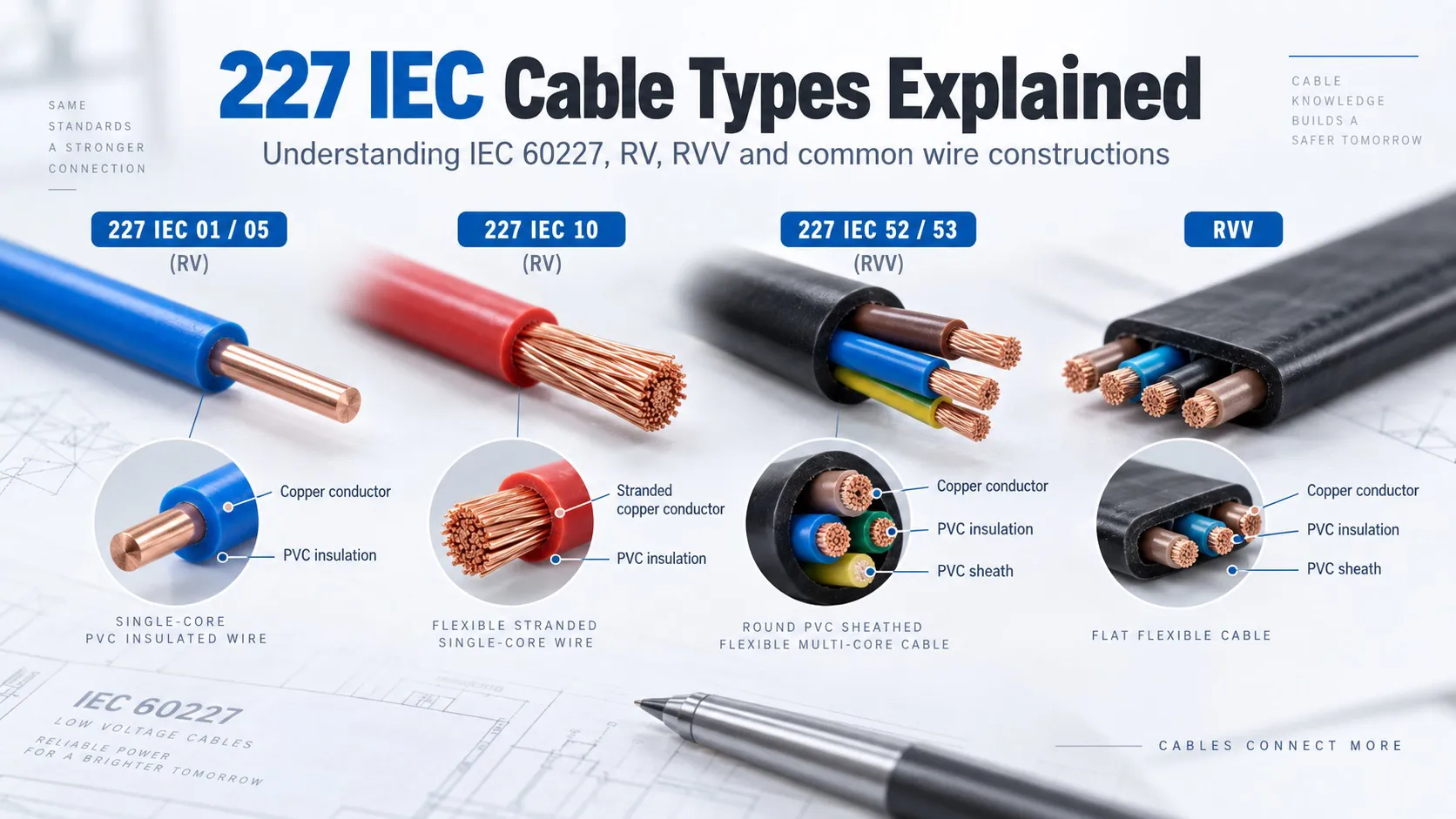
This guide decodes the 227 IEC numbering system, explains how it lines up with Chinese RV/RVV letter codes, and helps you understand what each number actually tells you about a wire's construction and use.
The numbers trace back to IEC 60227, the international standard covering PVC-insulated cables rated up to 450/750V for fixed and general wiring. Within that standard, individual designs are assigned specific numbered types — 227 IEC 01, 227 IEC 02, and so on — each describing a distinct construction: conductor type, insulation, whether there's a sheath, and the rated temperature.
While European markets tend to favor the harmonized "H" naming (H05VV-F, H07V-K), many manufacturers serving Southeast Asian, Middle Eastern and African markets label products with the IEC numbered type directly, since local electrical codes in those regions often reference the number rather than the H-code.
| Type | Construction | Typical Use | Max Temp |
|---|---|---|---|
| 227 IEC 01 / 05 | Copper, PVC insulated, no sheath | Fixed wiring in conduit indoors | 70°C |
| 227 IEC 07 | Copper, heat-resistant PVC insulated, no sheath | Fixed wiring in high-temperature environments | 90°C |
| 227 IEC 02 (RV) / 06 (RV) | Copper, PVC insulated, flexible stranding | Light and medium-duty moving connections, appliances | 70°C |
| 227 IEC 10 | Copper, PVC insulated, PVC sheathed, round | Fixed wiring needing mechanical protection, damp locations, direct burial possible | 70°C |
| 227 IEC 42 | Copper, PVC insulated, flat flexible connector | Flat flexible connections for appliances and lighting | 70°C |
| 227 IEC 52 / 53 | Copper, PVC insulated, PVC sheathed, round flexible connector | Light and common-duty flexible power connections | 70°C |
Manufacturers supplying the Chinese domestic market often label the same underlying constructions with short letter codes instead of IEC numbers. Here's the rough equivalence:
| Chinese Code | Construction | Closest IEC 227 Type |
|---|---|---|
| RV | Copper, PVC insulated, flexible, single core | 227 IEC 02 / 06 |
| RVB | Copper, PVC insulated, flat flexible | 227 IEC 42 |
| RVS | Copper, PVC insulated, twisted pair flexible | No direct 227 IEC equivalent; a twisted-pair variant |
| RVV | Copper, PVC insulated, PVC sheathed, flexible, round | 227 IEC 52 / 53 |
| RVVB | Copper, PVC insulated, PVC sheathed, flexible, flat | Flat sheathed equivalent of 227 IEC 52/53 |
| RV-90 | Copper, heat-resistant PVC insulated, flexible | Heat-resistant equivalent of 227 IEC 07 |
This is also, coincidentally, why the same type of cable can be marketed as "H05VV-F," "RVV," or "227 IEC 52/53" all at once — three naming systems describing one construction: copper conductor, PVC insulation, PVC sheath, flexible stranding.
| Parameter | Typical Value |
|---|---|
| Rated Voltage | 300/500V (most flexible types), 450/750V (fixed wiring types) |
| Conductor | Stranded or solid copper, annealed |
| Continuous Working Temperature | 70°C standard PVC, up to 90°C or 105°C for heat-resistant grades |
| Short-Circuit Temperature | Not exceeding 160-165°C for a maximum of 5 seconds |
| Minimum Bending Radius | 4x cable diameter (diameter ≤25mm) or 6x diameter (diameter >25mm) |
| Common Standards | IEC 60227, BS, DIN, GB/T 5023 |
Q: Is "227 IEC 52" the same thing as H05VV-F?
A: They describe very similar constructions — copper conductor, PVC insulated, PVC sheathed, flexible — but come from different naming traditions, so it's worth confirming voltage rating and exact standard compliance rather than assuming they're identical in every market.
Q: Why do some wires have no sheath at all?
A: Non-sheathed types like 227 IEC 01 or 05 are designed to be installed inside conduit or trunking, which provides the mechanical protection a sheath would otherwise supply.
Q: What does the number after "227 IEC" actually refer to?
A: It's simply a type index number assigned within the IEC 60227 standard to a specific combination of conductor, insulation, sheath and flexibility — there's no simple decoding formula for the digit itself, so it needs to be looked up against the standard's type list.
Q: Can I substitute one 227 IEC type for another with a similar number?
A: No — even close type numbers can differ meaningfully in flexibility class, sheath presence or temperature rating, so always confirm the exact type against the specific application's requirements.
Q: Which regions commonly use the 227 IEC numbering system?
A: It's frequently seen in Southeast Asia, the Middle East and parts of Africa, often alongside or instead of the harmonized H-code system used more commonly in Europe.
The 227 IEC numbering system might look less familiar than H05VV-F, but it's describing the exact same engineering fundamentals — conductor, insulation, sheath, flexibility and temperature rating. Once those numbers stop looking like a random code and start reading as a construction summary, choosing the right building wire for a project becomes much more straightforward, no matter which naming system the local market prefers.
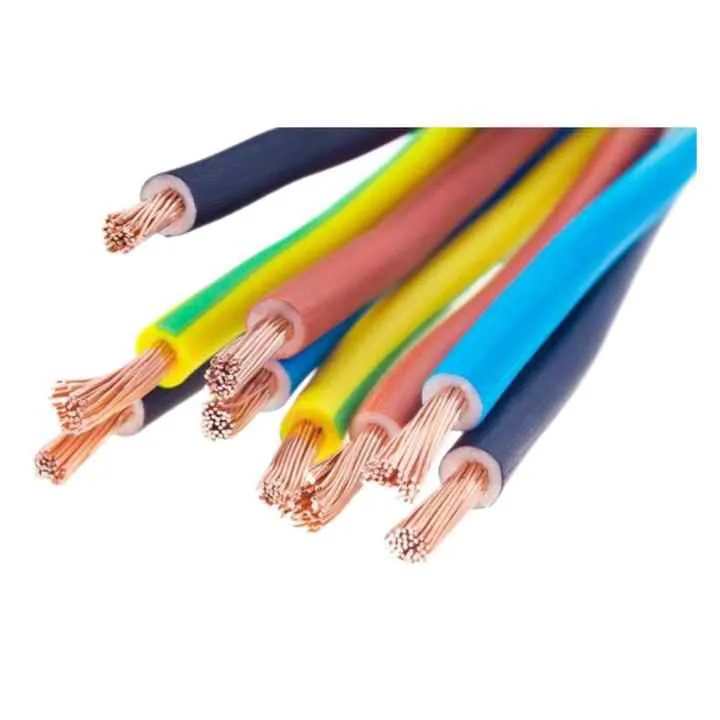
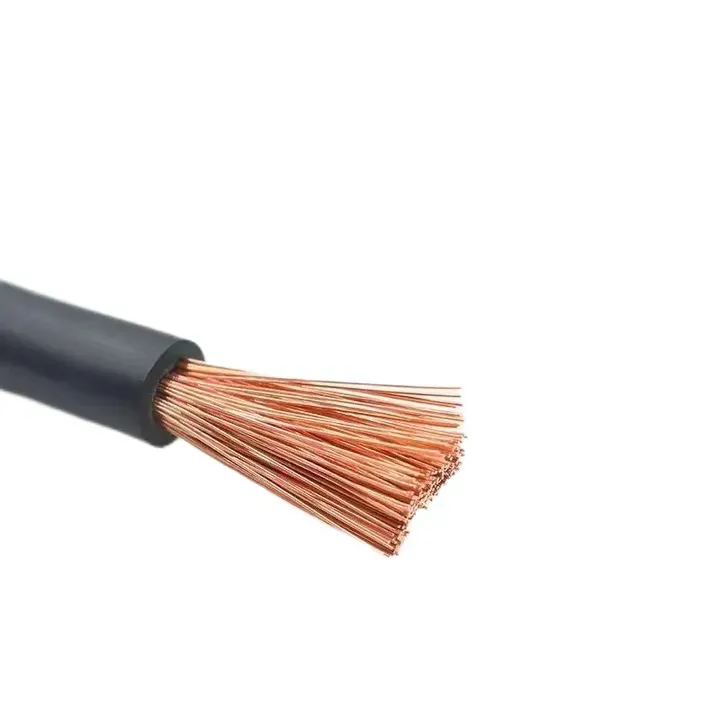
Flexible copper electrical wire with stranded copper conductor, PVC insulation a
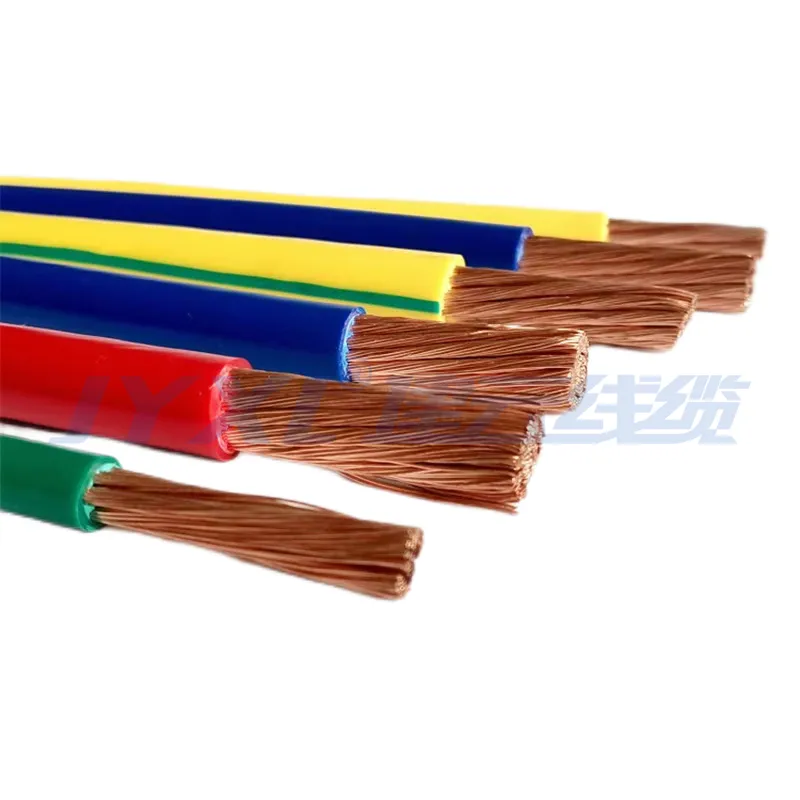
H07V-K flexible electrical wire with 1.5mm² and 2.5mm² stranded copper conductor
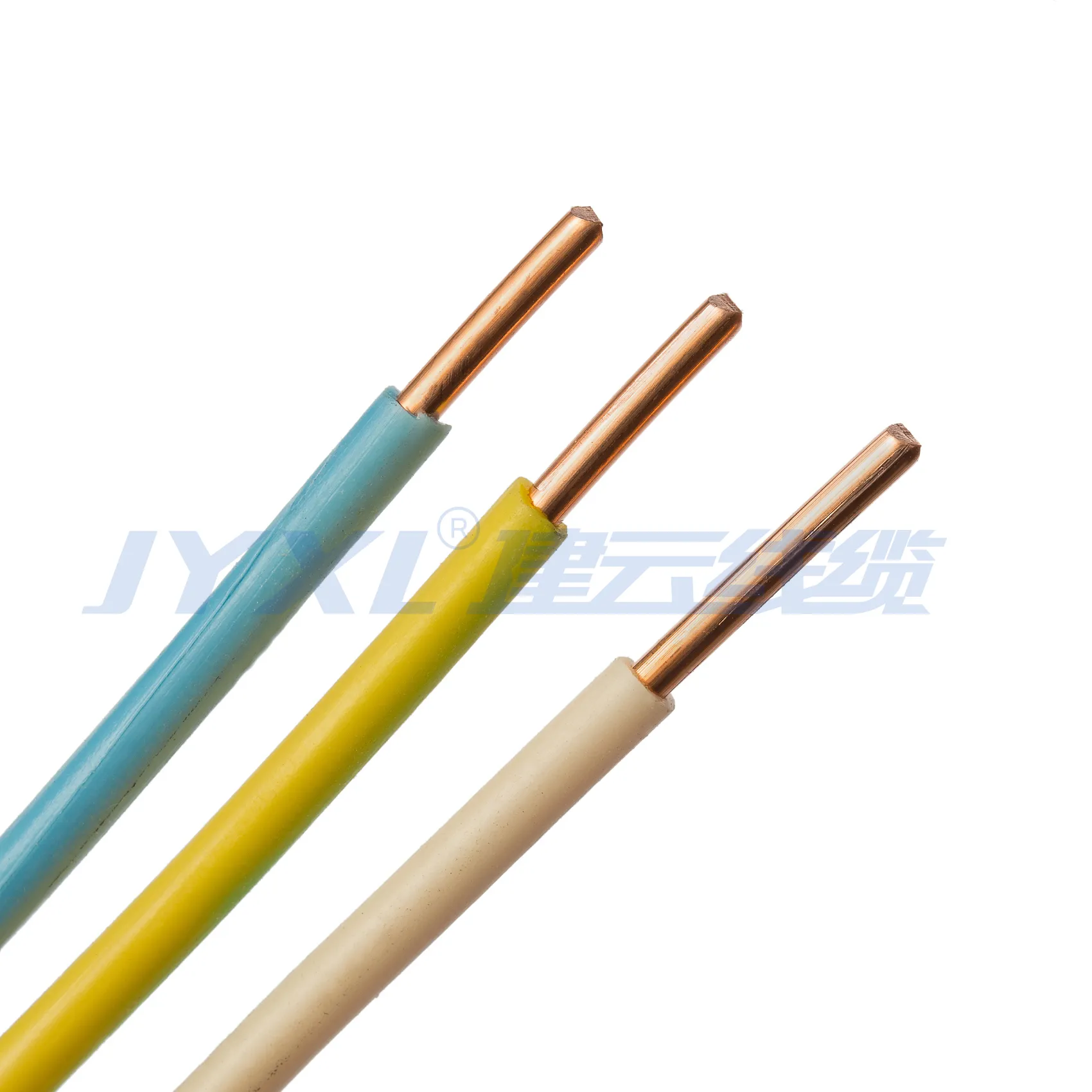
Jianyun H07V-U Solid Copper PVC Wire is a single core rigid electrical wire manu
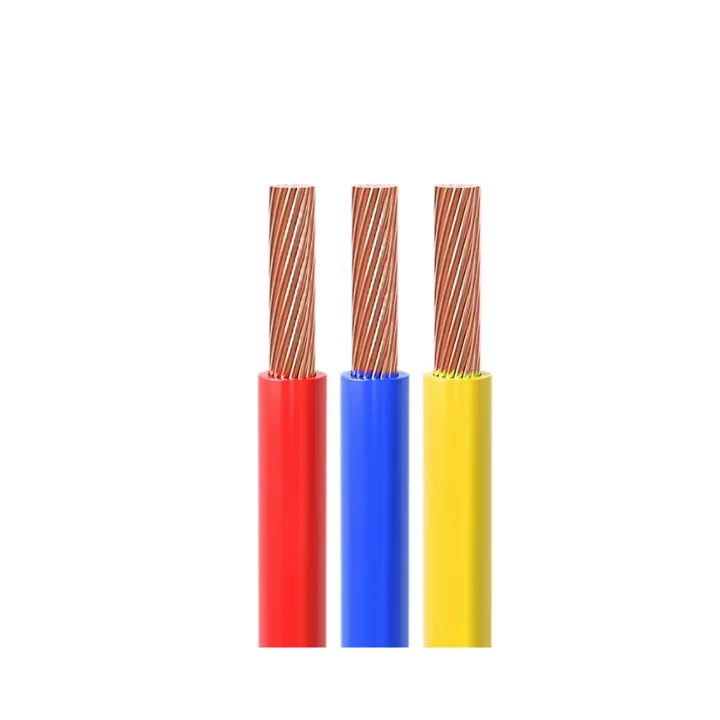
CE Certification 450/750v H07VVF Flexible Copper PVC Insulated Ac Cable 3*2.5 Mm