Keep up to date with our latest company news and relevant industry knowledge.
Time: 2025-12-19 12:01:48 Source: Henan Province Jianyun Cable Co., Ltd.
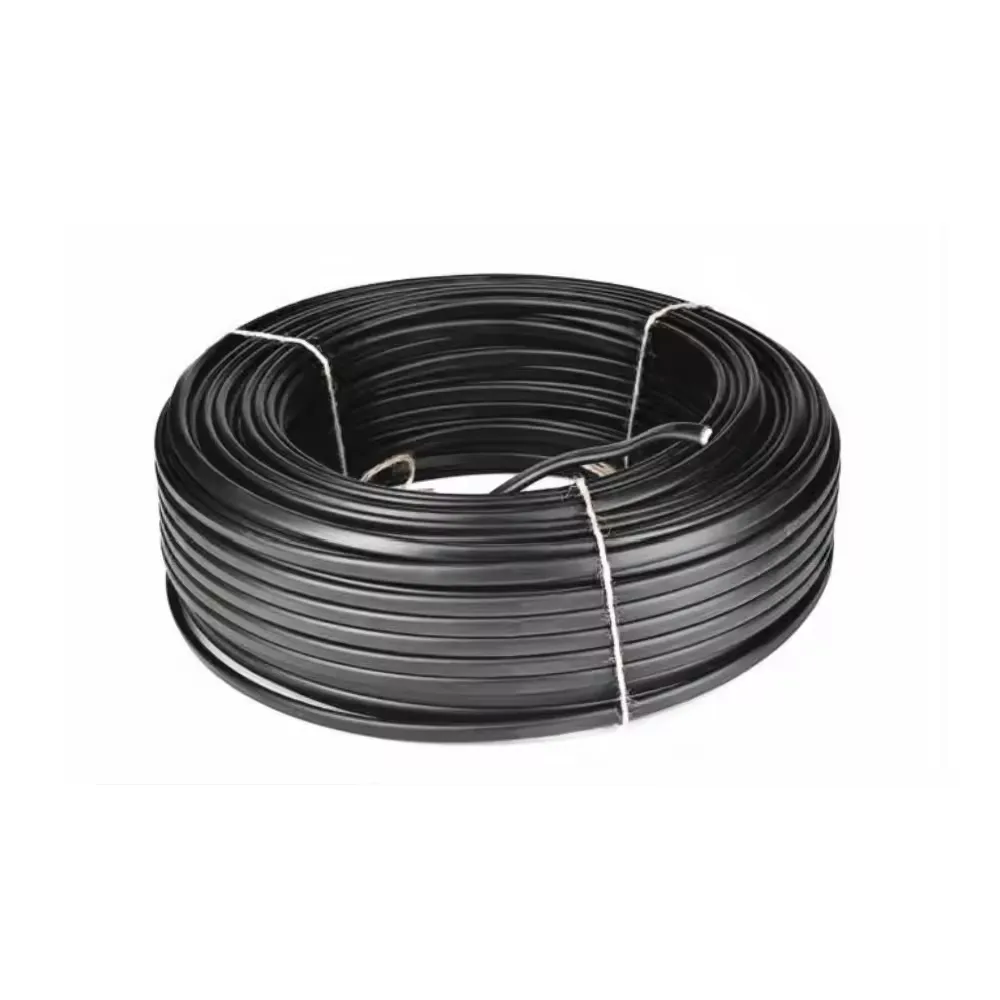
Solar photovoltaic (PV) plants in hot climates—such as deserts or tropical regions—experience extreme ambient and operating temperatures that stress DC cables. Cables exposed on rooftops or ground mounts can reach surface temperatures exceeding 80-90°C, impacting current-carrying capacity, insulation life, and system efficiency. In 2025, with massive solar deployments in sun-rich areas, understanding how solar cables perform under high temperatures is essential for reliable, long-term energy production and safety.
Modern solar cables (e.g., H1Z2Z2-K type) are designed for harsh outdoor conditions, including intense heat. They connect modules, strings, and inverters, carrying DC currents in environments where ambient temperatures routinely exceed 40-50°C. Proper thermal management prevents overheating, voltage drop, and premature aging, ensuring 25-30+ year lifespans.
Standard PV cables are rated for:
Actual cable temperature = ambient + solar irradiance rise (up to 60°C additional on black surfaces).
Derating factors adjust ampacity for temperatures above 40-60°C reference. EN 50618 and IEC guidelines provide correction tables.
| Ambient Temperature (°C) | Derating Factor (Typical XLPE) | Effective Ampacity Reduction |
|---|---|---|
| 40 | 1.00 | None |
| 50 | 0.91 | -9% |
| 60 | 0.82 | -18% |
| 70 | 0.71 | -29% |
| 80 | 0.58 | -42% |
Cross-linked polyolefin (XLPE or electron-beam irradiated) insulation and halogen-free sheaths dominate. Tinned copper conductors resist oxidation. Advanced compounds now offer 120°C ratings for extreme desert installations (e.g., Middle East, Australia).
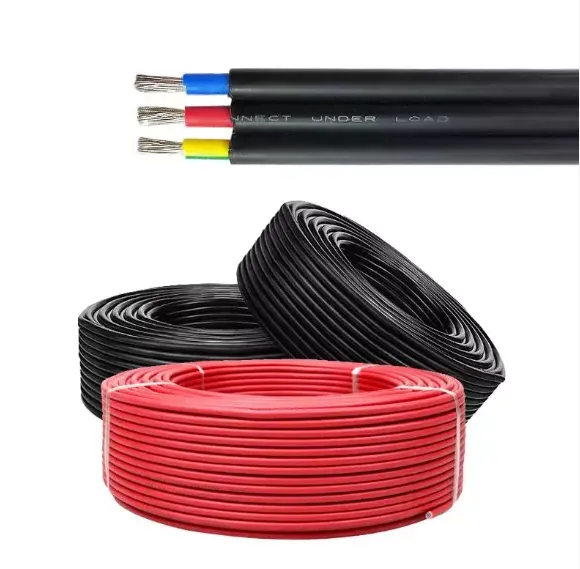
EN 50618 (H1Z2Z2-K) specifies 90°C operation with thermal endurance tests. IEC 62930 and UL 4703 align globally. Ongoing updates address higher temperatures in utility-scale plants, with some manufacturers offering extended 120°C certified options.
High temperatures significantly impact solar cable performance in PV plants, but proper design—through derating, material choice, and installation—ensures reliable operation even in the hottest climates. As solar expands into desert megaprojects in 2025, heat-resistant cables are key to maximizing yield and minimizing losses over decades. Plan for heat from day one—your system's longevity depends on it.
For high-temperature-rated solar cables compliant with EN 50618 and beyond, contact Henan Province Jianyun Cable Co., Ltd. for expert solutions and quotes.
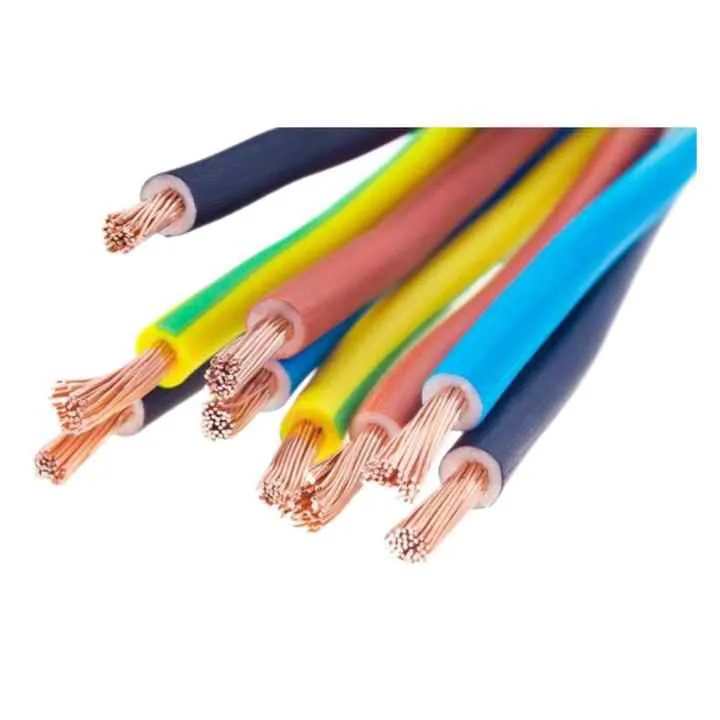
Flexible copper electrical wire with stranded copper conductor, PVC insulation a
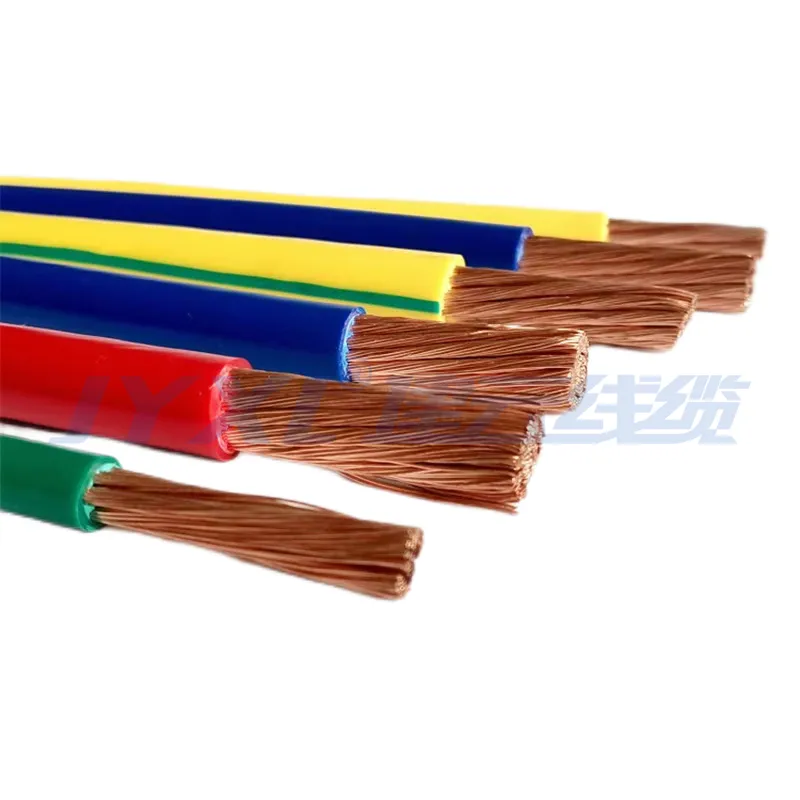
H07V-K flexible electrical wire with 1.5mm² and 2.5mm² stranded copper conductor
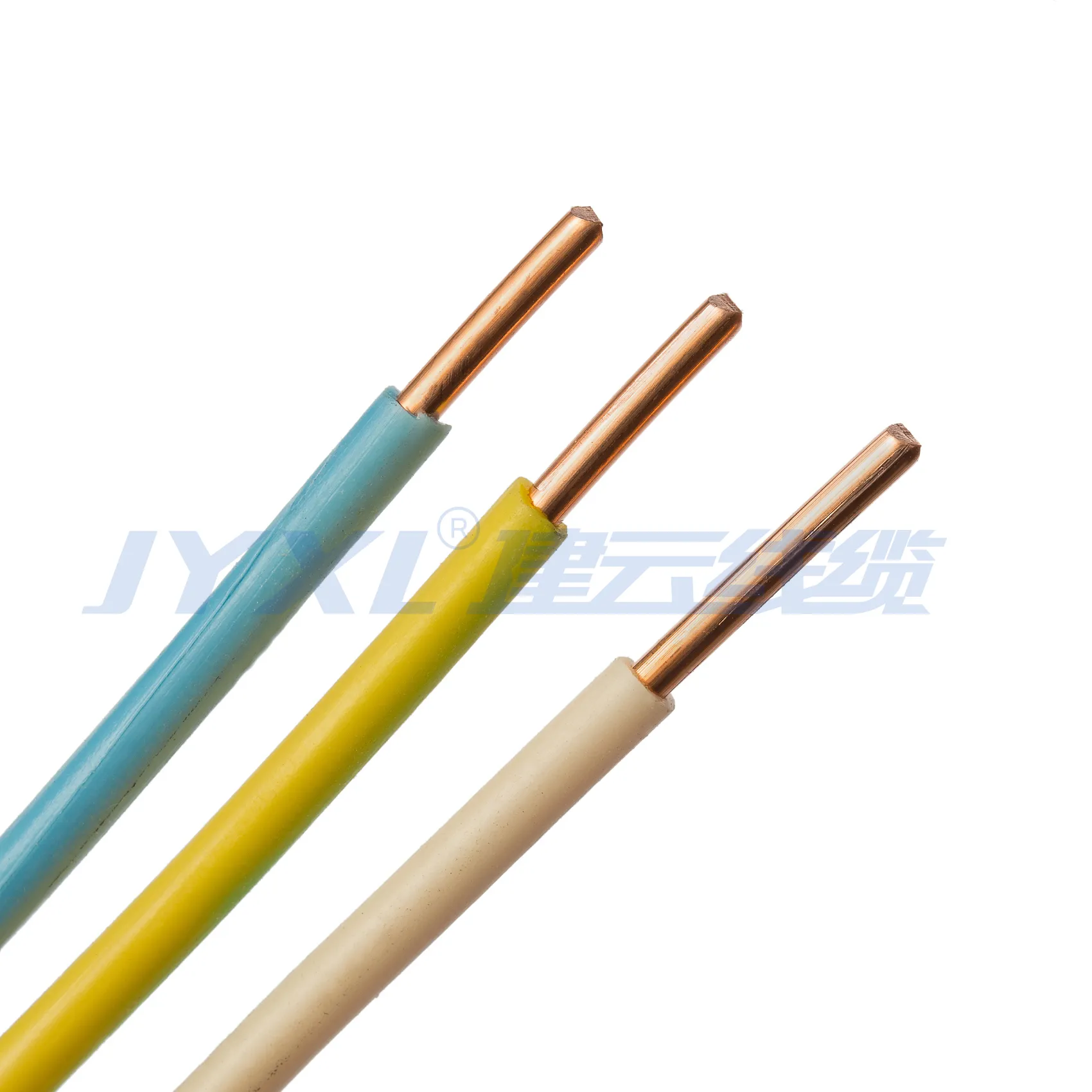
Jianyun H07V-U Solid Copper PVC Wire is a single core rigid electrical wire manu
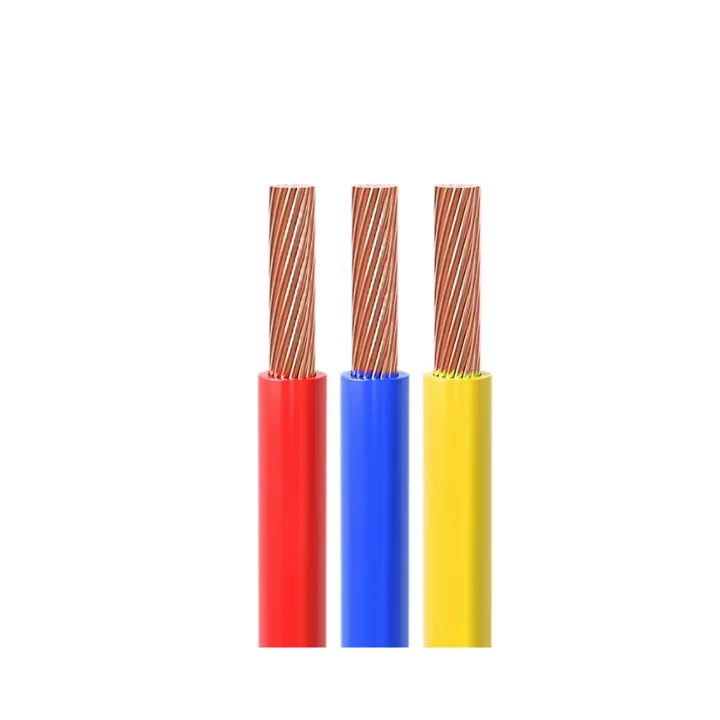
CE Certification 450/750v H07VVF Flexible Copper PVC Insulated Ac Cable 3*2.5 Mm