Keep up to date with our latest company news and relevant industry knowledge.
Time: 2026-08-24 08:35:10 Source: Henan Province Jianyun Cable Co., Ltd.
This article walks through what control cables are, how they are constructed, the common types and voltage grades, and practical tips for selecting the right cable for a project. It is written as a general knowledge reference for engineers, procurement teams and anyone learning about industrial cabling.
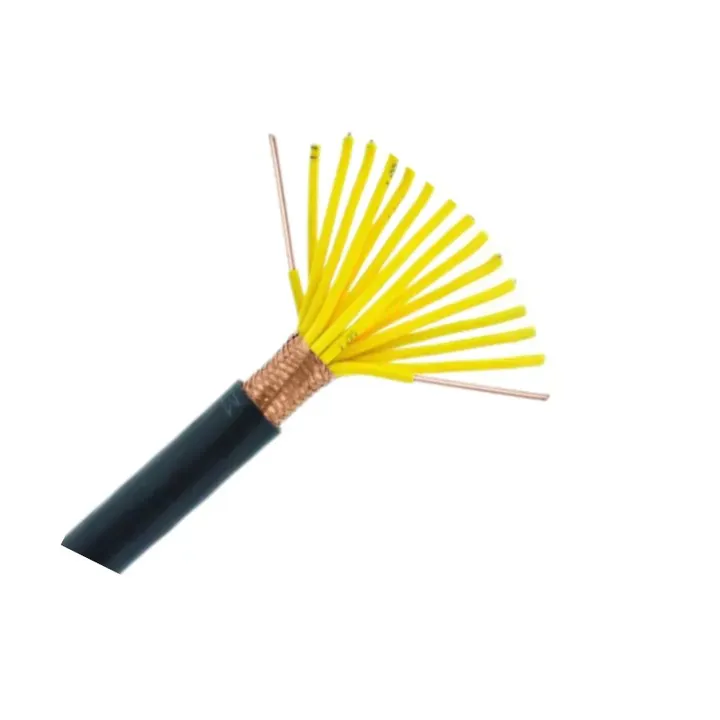
A control cable is an electrical cable designed to transmit control signals rather than deliver large amounts of power. It carries low-voltage signals between control devices such as programmable logic controllers (PLCs), sensors, actuators, relays, motor starters and instrumentation panels.
Typical applications include:
Because these cables often run in multi-core bundles carrying dozens of individual signal circuits, they need to combine flexibility, reliable insulation and, in many cases, shielding against electromagnetic interference.
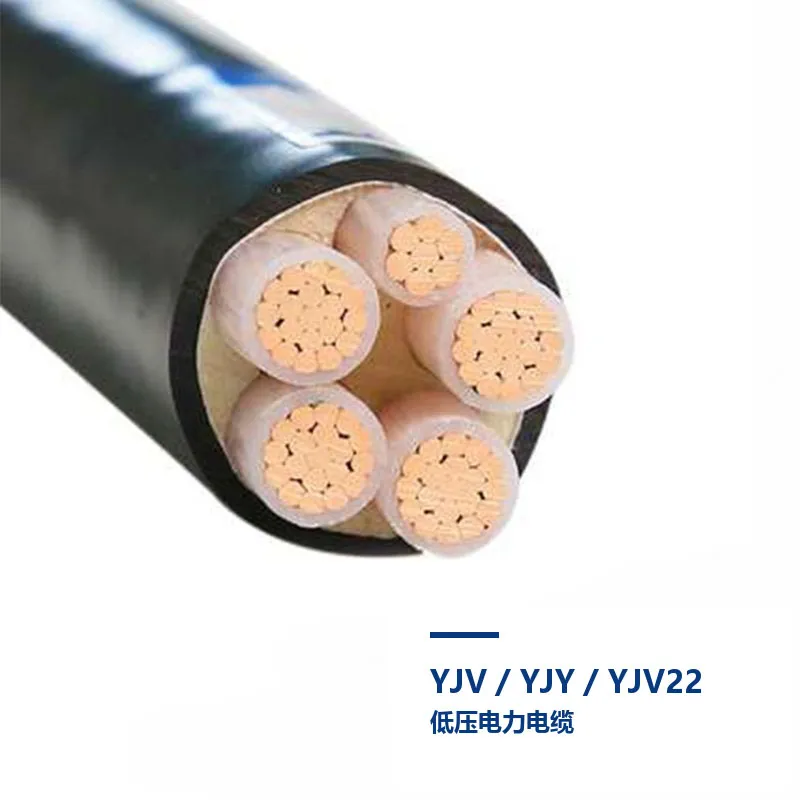
While designs vary by standard and application, most control cables share a similar layered structure:
| Layer | Function |
|---|---|
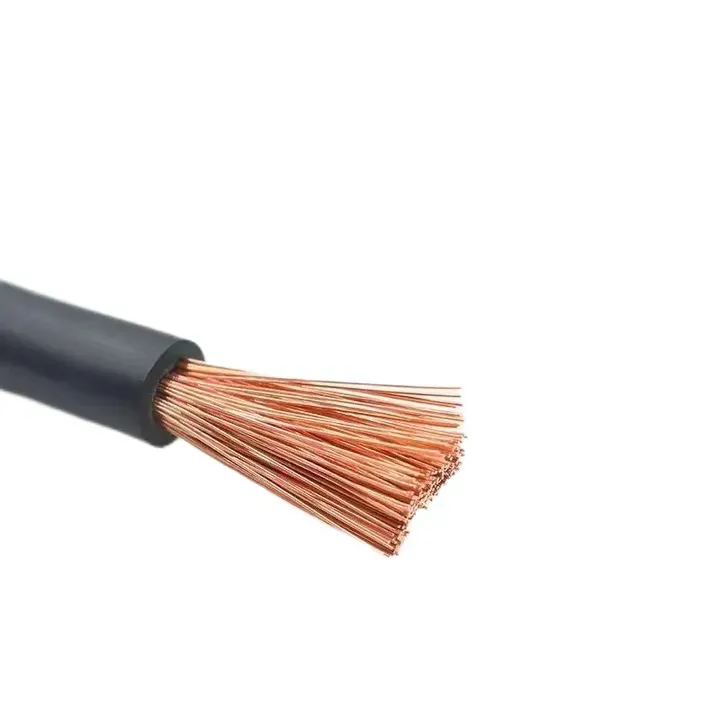
| Conductor | Usually stranded copper, chosen for flexibility and good conductivity |
| Insulation | PVC or XLPE layer that separates conductors electrically |
| Screen / Shield (optional) | Copper braid or steel tape that reduces electromagnetic interference |
| Armour (optional) | Steel tape or wire armour that adds mechanical protection |
| Outer Sheath | PVC jacket protecting against moisture, abrasion and environmental factors |
Many control cables used across power, mining and automation industries follow a naming convention where letters describe the conductor, insulation, screening and armour type. The table below summarizes the most common variants.
| Type | Description | Typical Use |
|---|---|---|
| KVV | Copper conductor, PVC insulated and sheathed | Fixed installation indoors, trenches, ducts |
| KVVP | Same as KVV, with copper braid shielding | Fixed installation where interference shielding is needed |
| KVVP2 | PVC insulated with steel tape shielding | Fixed installation with added shielding protection |
| KVV22 | PVC insulated with steel tape armour | Direct burial or areas needing higher mechanical strength |
| KVVR | Flexible PVC insulated cable | Movable installations requiring flexibility |
| ZR-KVV | Flame-retardant version of KVV | Fixed installation where flame retardance is required |
| ZR-KVVP2 | Flame-retardant with steel tape shield | Fixed installation requiring shielding and flame retardance |
| ZR-KVV22 | Flame-retardant with steel tape armour | Fixed installation needing mechanical protection and flame retardance |
| ZR-KVVR | Flame-retardant flexible cable | Movable installations requiring flame retardance |
Control cables are generally rated for lower voltages than power cables, since their job is signal transmission rather than delivering heavy current. Common parameters include:
| Attribute | Typical Value |
|---|---|
| Rated Voltage | 300/500V or 450/750V |
| Conductor Material | High-purity stranded copper |
| Insulation Material | PVC or XLPE |
| Cross Section | Commonly 0.5mm² to 4mm², customizable |
| Working Temperature | 0°C to 70°C (standard PVC types) |
| Common Standards | GB/T5023, IEC 60227, BS, VDE |
Selecting a control cable is not just about cost — the wrong choice can lead to signal interference, insulation failure or premature wear. A few key questions help narrow the decision:
Q: What is the difference between a control cable and a power cable?
A: Power cables are designed to carry large electrical loads to run equipment, while control cables carry low-voltage signals used to monitor and control that equipment.
Q: Can control cables be used outdoors or underground?
A: Yes, armoured types such as KVV22 are designed for direct burial or outdoor trenching where mechanical protection is needed.
Q: Why do some control cables have a shield?
A: Shielding reduces electromagnetic interference from nearby power equipment, which helps keep control signals accurate and stable.
Q: How many cores can a control cable have?
A: Control cables are commonly available from 2 cores up to more than 60 cores, depending on how many circuits need to be managed.
Q: What does the "450/750V" rating mean?
A: It indicates the cable's rated voltage range — 450V phase-to-earth and 750V phase-to-phase — under normal operating conditions.
Control cables may not carry heavy power loads, but they form the nervous system of industrial and automated systems. Understanding the differences between fixed, flexible, shielded and armoured types makes it much easier to specify the correct cable for a given project, helping avoid signal issues, premature failure or safety risks down the line.
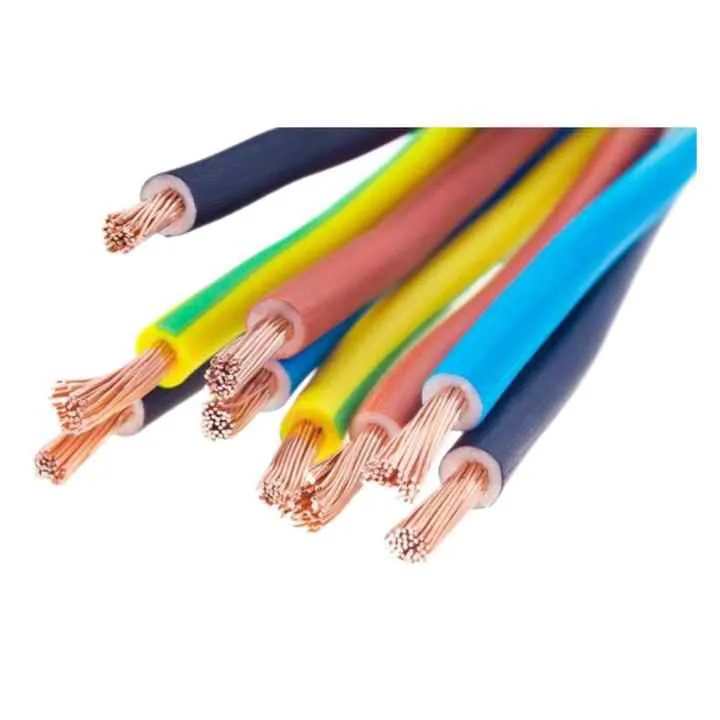
Flexible copper electrical wire with stranded copper conductor, PVC insulation a
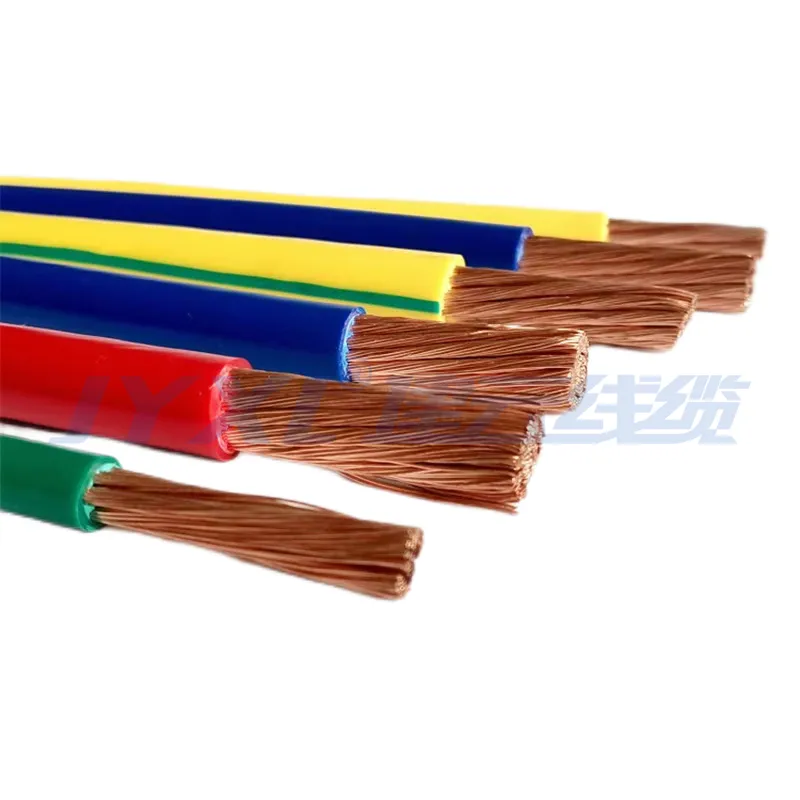
H07V-K flexible electrical wire with 1.5mm² and 2.5mm² stranded copper conductor
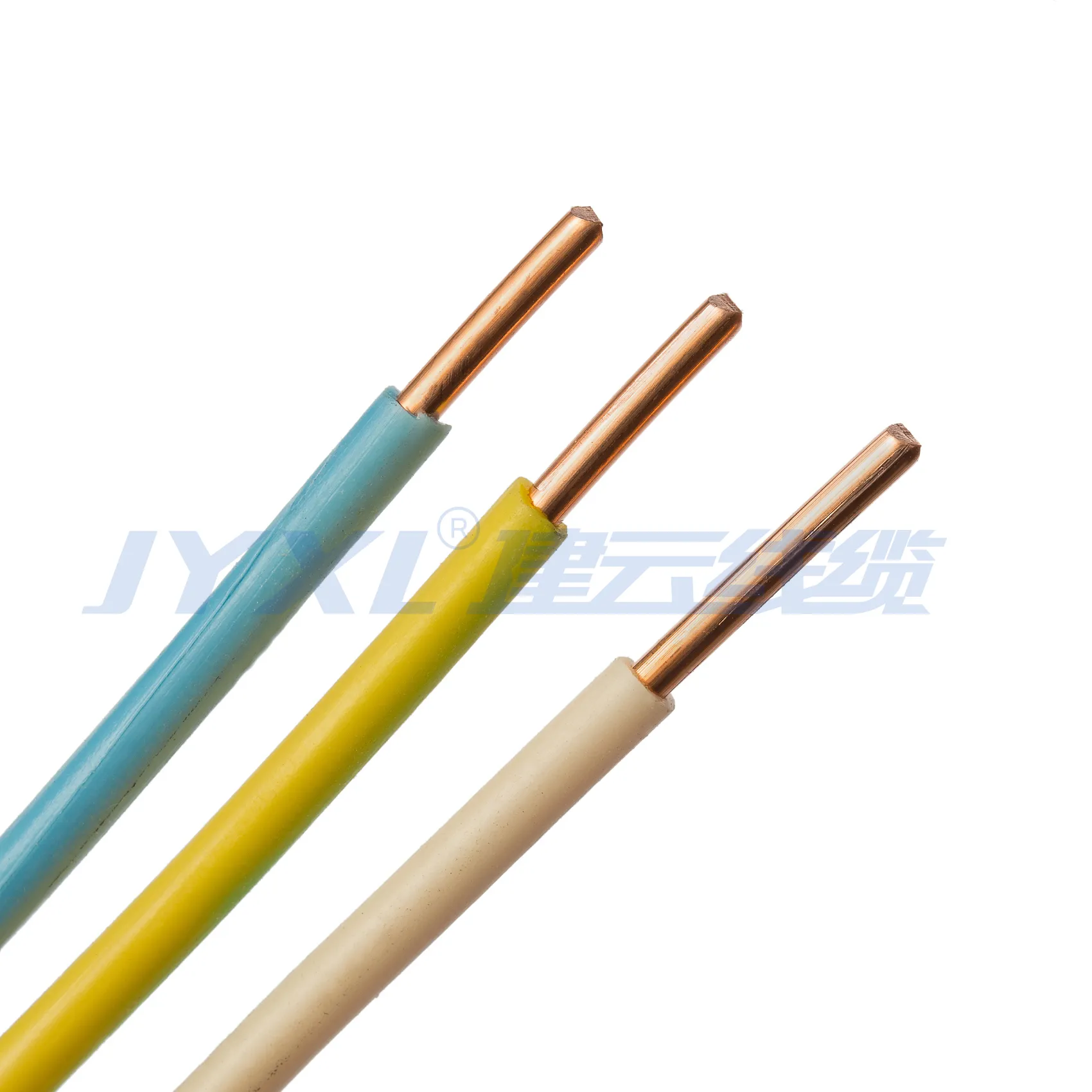
Jianyun H07V-U Solid Copper PVC Wire is a single core rigid electrical wire manu
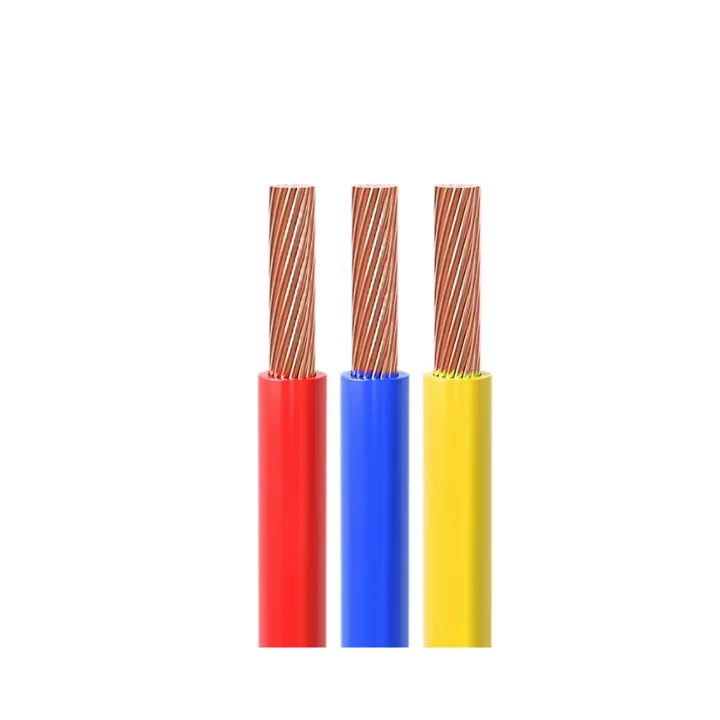
CE Certification 450/750v H07VVF Flexible Copper PVC Insulated Ac Cable 3*2.5 Mm