Keep up to date with our latest company news and relevant industry knowledge.
Time: 2026-08-25 08:05:50 Source: Henan Province Jianyun Cable Co., Ltd.
Not every cable stays still. Power tools get dragged across job sites, welding leads coil and uncoil hundreds of times a day, and submersible pumps work underwater for months at a stretch. Standard PVC-insulated cable would crack, stiffen or fail in these conditions. That's where rubber cable comes in.
Rubber-sheathed cables are built specifically for movement, abrasion, temperature extremes and outdoor exposure. This guide breaks down what rubber cable is, the most common types on the market, how they're constructed, and practical tips for choosing the right one.
A rubber cable is an electrical cable that uses rubber compound (natural rubber, EPR, EPDM, CPE or neoprene/PCP) for insulation and/or the outer sheath instead of PVC. Rubber stays flexible across a wider temperature range and resists oil, weather, abrasion and repeated bending far better than rigid PVC.
Rubber cables are typically used where the cable itself is expected to move, flex, or face harsh conditions:
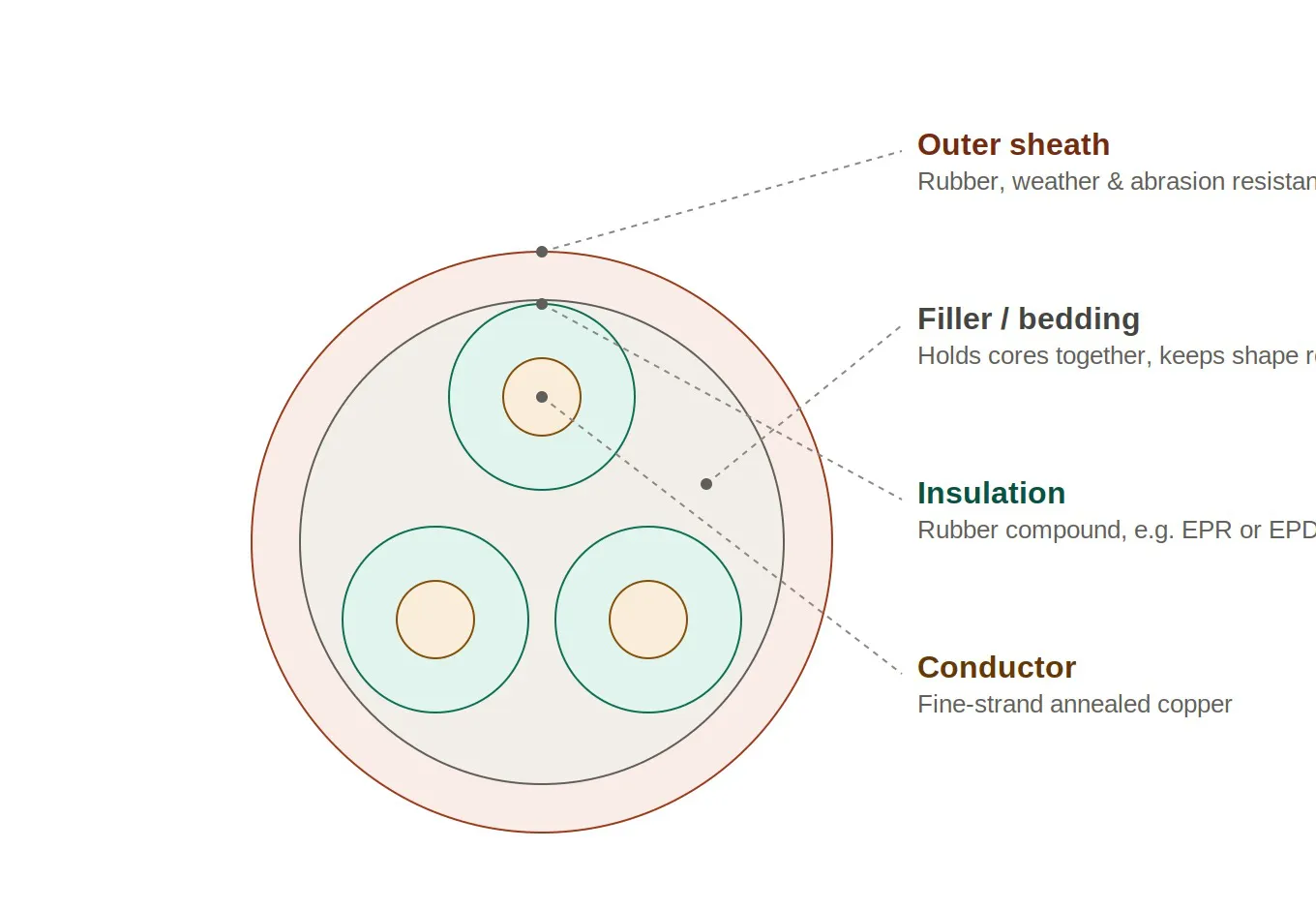
| Layer | Function |
|---|---|
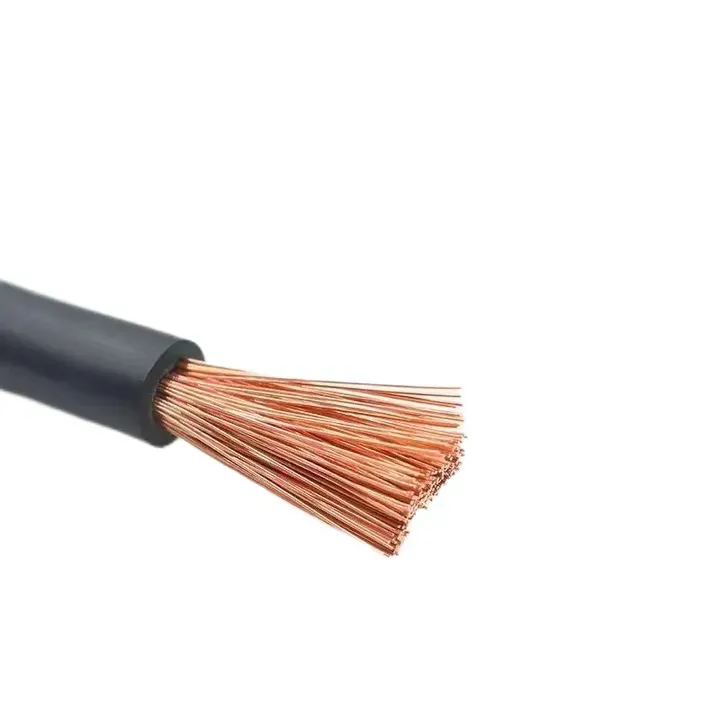
| Conductor | Fine-strand or extra-flexible annealed copper for maximum flexibility |
| Insulation | Rubber compound such as EPR, EPDM or natural rubber blend |
| Inner Bedding (optional) | Fillers or wrapping tape that hold cores together and keep the shape round |
| Outer Sheath | Neoprene (PCP), CPE or rubber blend resisting oil, abrasion, weather and impact |
Rubber cables are usually named after harmonized European (H-series) or national codes describing their insulation, sheath and flexibility class. Here are the most widely used types:
| Type | Description | Typical Use |
|---|---|---|
| H05RN-F | 300/500V flexible rubber cable, light duty | Household appliances, light mobile equipment |
| H07RN-F | 450/750V heavy-duty flexible rubber cable | Construction sites, outdoor power tools, generators |
| H05RR-F | Rubber insulated, rubber sheathed light cable | Indoor/outdoor portable appliances |
| H05BB-F / H07BN4-F | EPDM or PCP-insulated, higher heat and weather resistance | Wind turbine generators, heavy outdoor equipment |
| YC / YZ | Medium and light-duty rubber-sheathed flexible cables | General mobile electrical equipment |
| NSSHOU | Heavy-duty rubber cable, high mechanical strength | Mining equipment, heavy machinery |
| Welding Cable | Extra-flexible fine-strand copper, rubber insulated | Welding machines, DC power leads |
| Submersible Pump Cable | Water-resistant rubber insulation and sheath | Submersible pumps, underwater equipment |
| Attribute | Typical Value |
|---|---|
| Rated Voltage | 300/500V (H05 series) or 450/750V (H07 series) |
| Conductor | Fine-strand annealed copper (Class 5/Class 6) |
| Insulation/Sheath Material | EPR, EPDM, natural rubber blend, CPE or neoprene (PCP) |
| Cross Section | Commonly 0.75mm² up to 70mm², customizable |
| Working Temperature | -25°C to 60°C typical range, higher for EPDM variants |
| Common Standards | GB/T 5013, IEC 60245, VDE, CE certification |
Q: What's the difference between H05RN-F and H07RN-F?
A: The main difference is voltage rating and duty level — H05RN-F is rated 300/500V for lighter household or indoor use, while H07RN-F is rated 450/750V and built for heavier-duty outdoor and industrial use.
Q: Can rubber cable be used outdoors permanently?
A: Yes, many rubber cables such as H07RN-F are specifically designed with weather-resistant sheaths for long-term outdoor exposure, though local installation codes should always be checked.
Q: Why is rubber cable more flexible than PVC cable?
A: Rubber compounds retain elasticity across a wider temperature range and don't stiffen in cold conditions the way PVC can, which is why rubber cable is preferred for cables that move or flex often.
Q: Is rubber cable suitable for welding machines?
A: Yes, welding cables use extra-flexible, fine-strand copper conductors with rubber insulation specifically designed to handle high current and constant movement.
Q: Does rubber cable need special handling or storage?
A: Rubber-sheathed cable should be stored away from direct sunlight and extreme heat for long periods, as UV and prolonged high temperatures can gradually affect rubber compounds.
Rubber cable exists for one reason: to keep working when regular cable would fail. Whether it's a welding lead flexing thousands of times a day, a submersible pump running underwater, or a tool cord dragged across a job site, choosing the right rubber cable type — matched to voltage, flexibility and environment — makes the difference between reliable performance and premature failure.
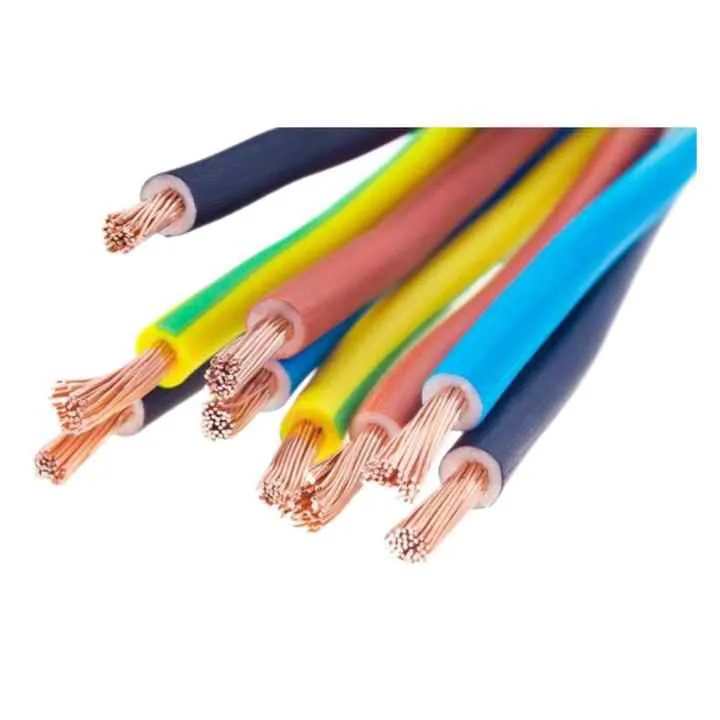
Flexible copper electrical wire with stranded copper conductor, PVC insulation a
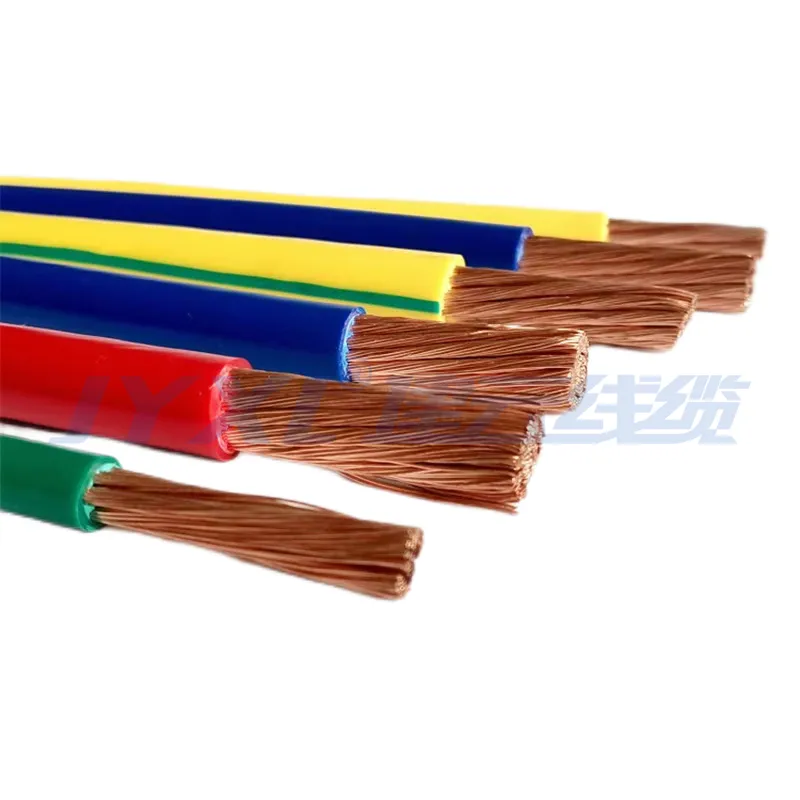
H07V-K flexible electrical wire with 1.5mm² and 2.5mm² stranded copper conductor
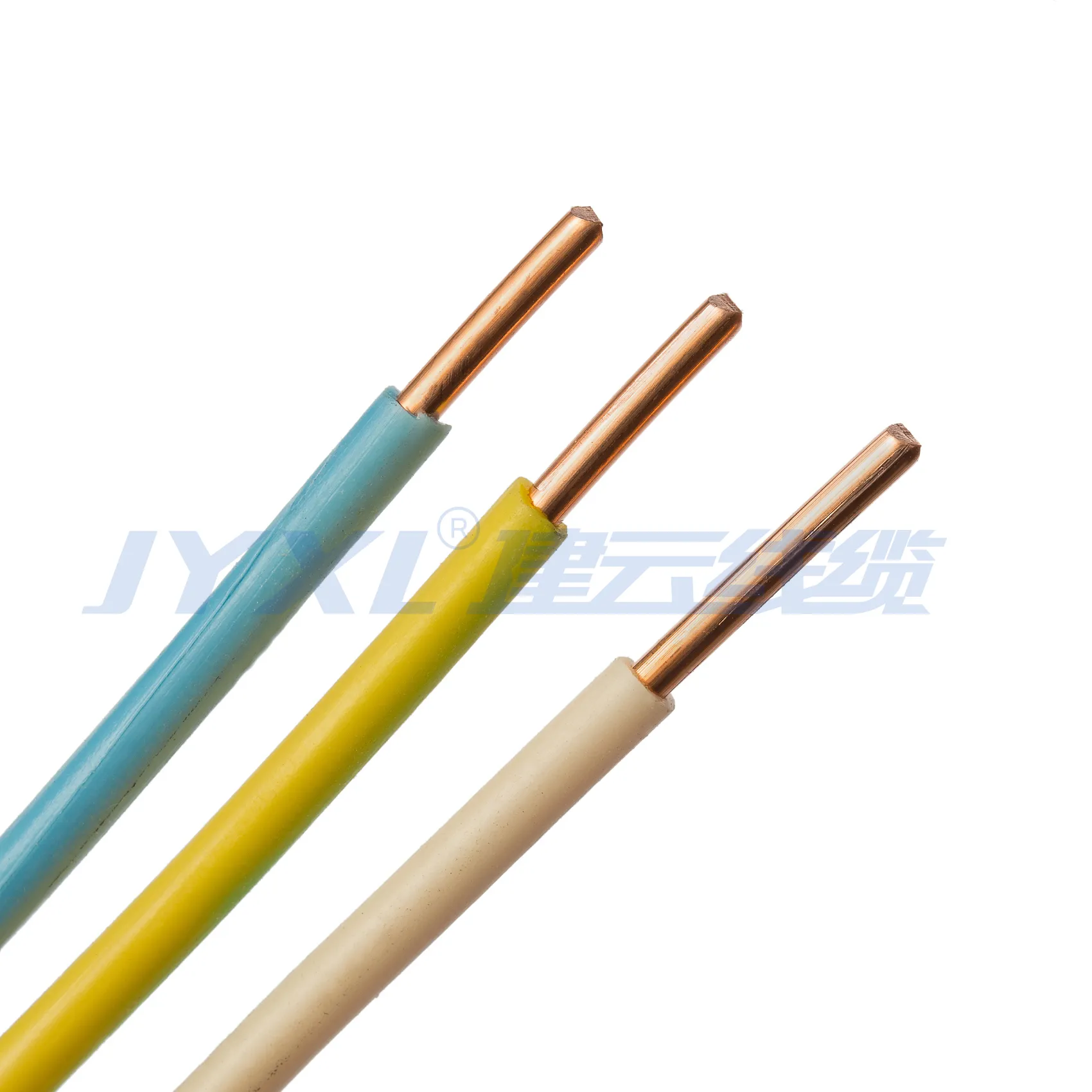
Jianyun H07V-U Solid Copper PVC Wire is a single core rigid electrical wire manu
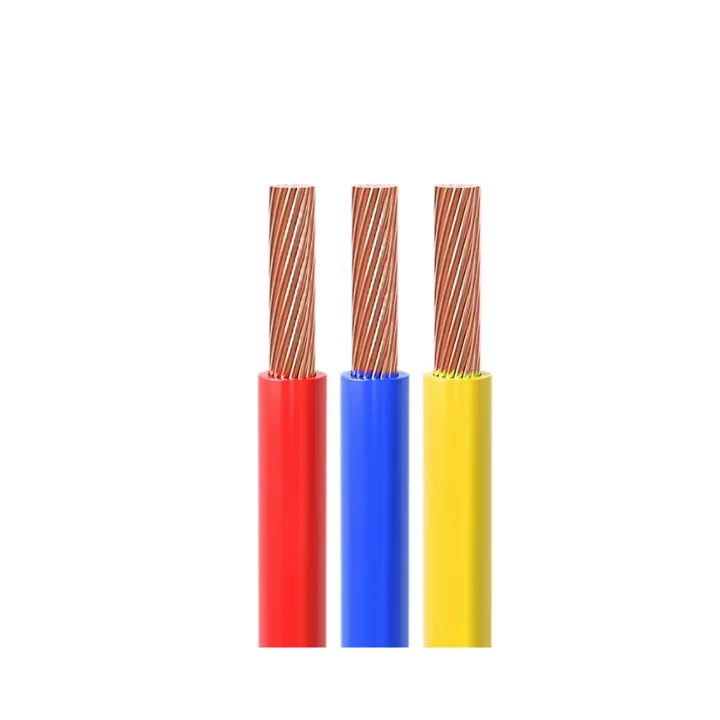
CE Certification 450/750v H07VVF Flexible Copper PVC Insulated Ac Cable 3*2.5 Mm