Keep up to date with our latest company news and relevant industry knowledge.
Time: 2026-08-27 07:13:05 Source: Henan Province Jianyun Cable Co., Ltd.
Cable Knowledge Series
Why an ordinary cable won't survive on a solar rooftop, and what makes PV solar cable different — covering TUV EN50618, H1Z2Z2-K, technical parameters and how to choose the right one for a photovoltaic system.
A solar panel is expected to sit on a rooftop or open field for 25 years or more, facing direct sunlight, temperature swings from freezing nights to scorching afternoons, rain, and constant UV exposure. Every cable connecting those panels to the inverter has to survive the exact same conditions for the exact same lifespan — with zero maintenance.
That's a job ordinary PVC-insulated cable simply isn't built for. This is why the solar industry relies on a dedicated product category: PV solar cable. This guide explains what makes solar cable different, how it's constructed, what its certifications actually mean, and how to choose the right one.
Solar cable, also called PV cable, is a single- or twin-core DC cable specifically engineered to connect solar panels, combiner boxes and inverters in a photovoltaic system. Unlike general-purpose wiring, it is built to withstand:
Because a failed solar cable means lost energy production — and potentially a fire risk — solar cable is manufactured and certified to stricter standards than standard building wire.
| Layer | Function |
|---|---|
| Conductor | Tinned stranded copper — tinning resists corrosion and moisture ingress |
| Insulation | Cross-linked polyolefin (XLPO/XLPE), electron-beam irradiated for heat and chemical resistance |
| Outer Sheath | XLPO/XLPE, halogen-free, UV and ozone resistant, usually black or red |
The cross-linking process is what allows solar cable to hold its properties at much higher temperatures than standard PVC cable, which would soften and degrade under the same rooftop heat.
Solar cable is one of the more heavily regulated cable categories, since a failure can affect both energy output and fire safety. The most common standards you'll see referenced are:
| Standard | What It Covers |
|---|---|
| TUV EN 50618 | European harmonized standard for solar cable (designation H1Z2Z2-K), covering construction, heat, water and UV resistance |
| IEC 62930 | International standard for single-core cables used in photovoltaic systems, closely aligned with EN 50618 |
| UL 4703 | North American standard for PV wire, covering voltage, temperature rating and sunlight resistance |
| CE / PSB / TUV marks | Regional compliance and quality marks confirming the cable meets local electrical safety requirements |
A genuinely certified solar cable will typically carry markings for more than one of these standards, since installers in different regions require different certifications.
Solar cable is commonly supplied in twin-core (2-core, red and black) form for panel-to-inverter runs, sized according to the current the string needs to carry. A typical parameter table looks like this:
| Section Area (mm²) | Insulation Thickness (mm) | Sheath Thickness (mm) | External Diameter (mm) | Current Carrying Capacity (A) |
|---|---|---|---|---|
| 2x1.5 | 0.7 | 0.8 | 4.9x10 | 30 |
| 2x2.5 | 0.7 | 0.8 | 5.5x11.5 | 41 |
| 2x4 | 0.7 | 0.8 | 6.1x12.5 | 55 |
| 2x6 | 0.8 | 0.9 | 7.2x14.5 | 70 |
| 2x10 | 0.9 | 1.1 | 9.0x18.5 | 98 |
| 2x16 | 1.1 | 1.1 | 10.2x20.5 | 132 |
Beyond current rating, solar cable is generally rated for a DC voltage around 0.6/1kV (with test voltages well above that), and an operating temperature range that commonly spans -40°C to +120°C depending on the exact compound used.
Q: Why can't I just use regular PVC cable for solar panels?
A: Standard PVC cable isn't rated for the UV exposure, temperature extremes and multi-decade outdoor lifespan that solar installations require, and it can degrade, crack or become a fire hazard much sooner than dedicated solar cable.
Q: What does H1Z2Z2-K mean?
A: It's the harmonized European designation for solar cable built to the EN 50618 standard, describing a single-core cable with cross-linked polyolefin insulation and sheath.
Q: Is solar cable the same as DC cable?
A: Solar cable is a specific type of DC cable designed for photovoltaic applications; not all DC cable meets the UV, heat and certification requirements needed for solar installations.
Q: Why is the conductor tinned copper instead of plain copper?
A: Tinning protects the copper strands from oxidation and moisture over the cable's long outdoor service life, which is especially important given how long solar systems stay in operation.
Q: Can solar cable be used indoors as well?
A: Yes, solar cable can be used in indoor conduit runs between combiner boxes and inverters, though outdoor-rated performance is what sets it apart from ordinary building wire.
Solar panels are designed to keep producing power for decades with almost no maintenance — and the cable connecting them has to keep pace. Understanding what separates true PV solar cable from ordinary wiring, from the cross-linked insulation to the certification stamps, makes it much easier to choose a cable that will still be doing its job reliably 25 years from now.
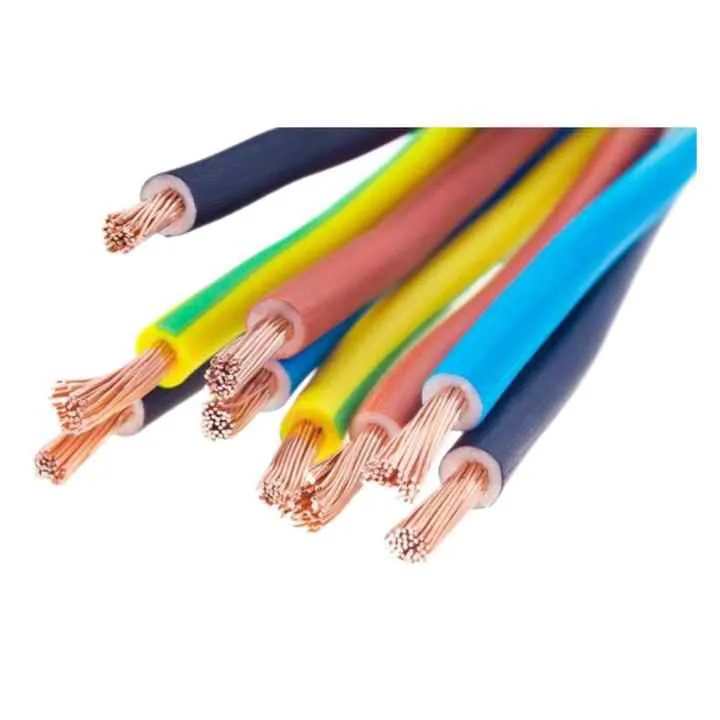
Flexible copper electrical wire with stranded copper conductor, PVC insulation a
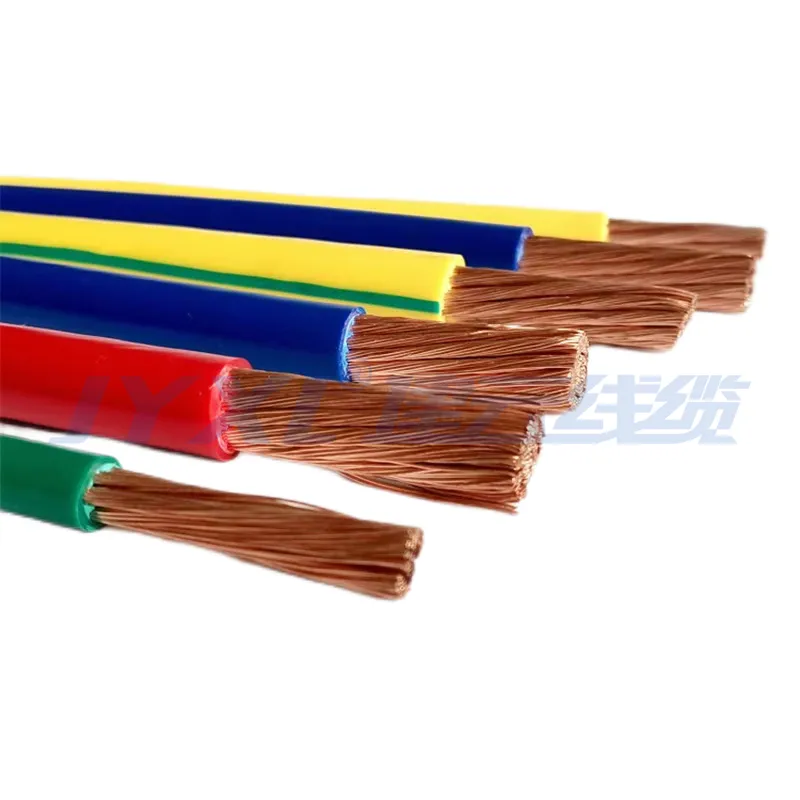
H07V-K flexible electrical wire with 1.5mm² and 2.5mm² stranded copper conductor
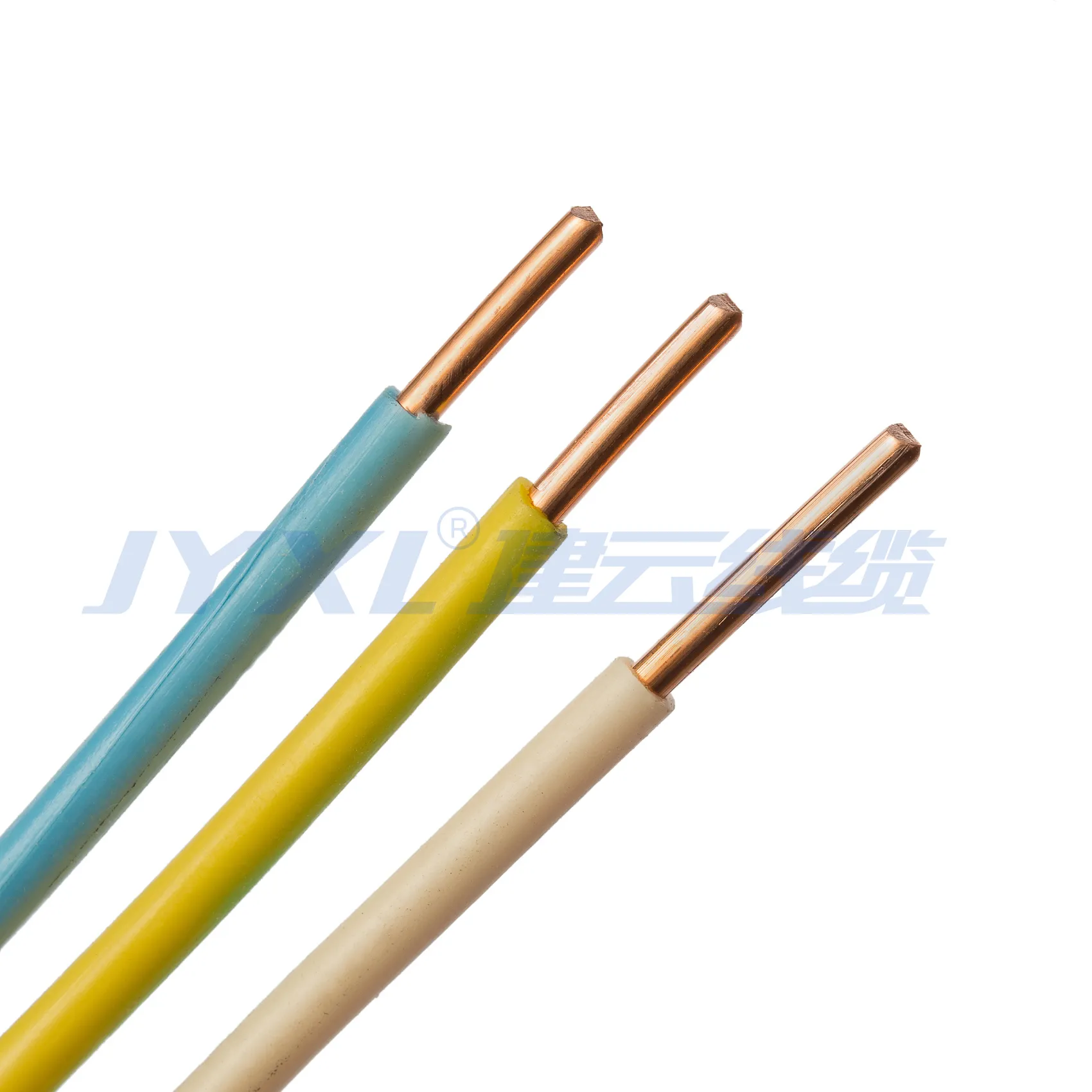
Jianyun H07V-U Solid Copper PVC Wire is a single core rigid electrical wire manu
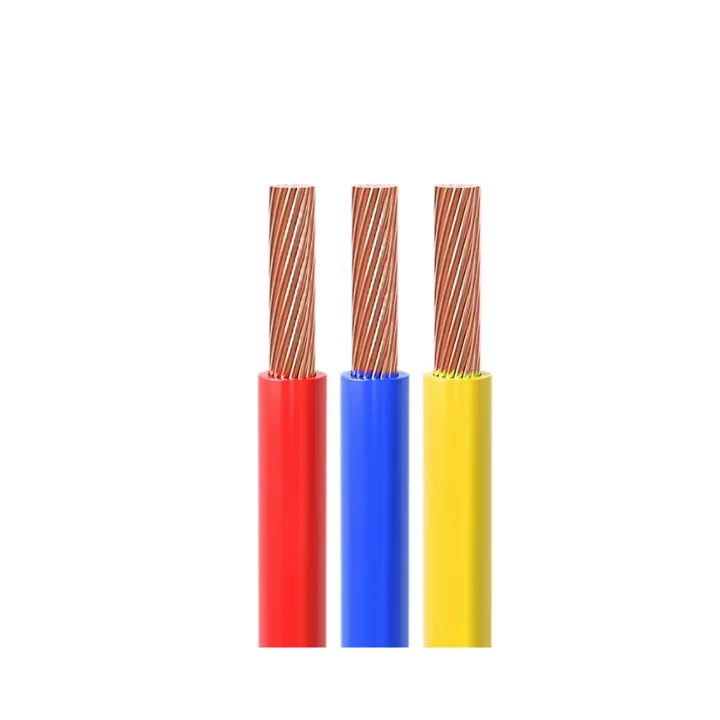
CE Certification 450/750v H07VVF Flexible Copper PVC Insulated Ac Cable 3*2.5 Mm