Keep up to date with our latest company news and relevant industry knowledge.
Time: 2026-08-21 08:12:50 Source: Henan Province Jianyun Cable Co., Ltd.
ELECTRICAL CABLE BASICS
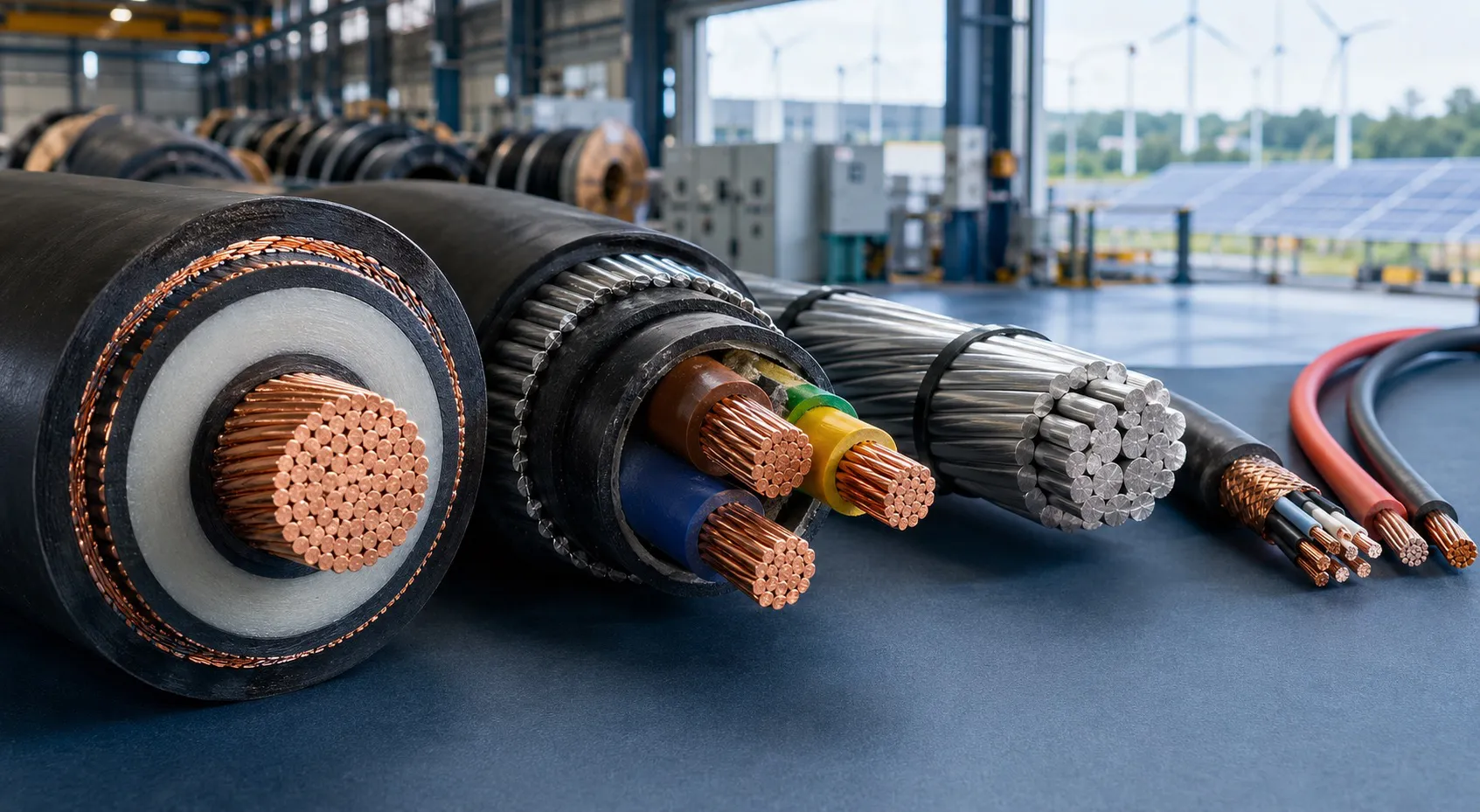
Electrical cables connect power sources, equipment, buildings, industrial systems, and renewable energy installations. Understanding their structure and applications helps you choose a cable that performs safely and reliably in its intended environment.
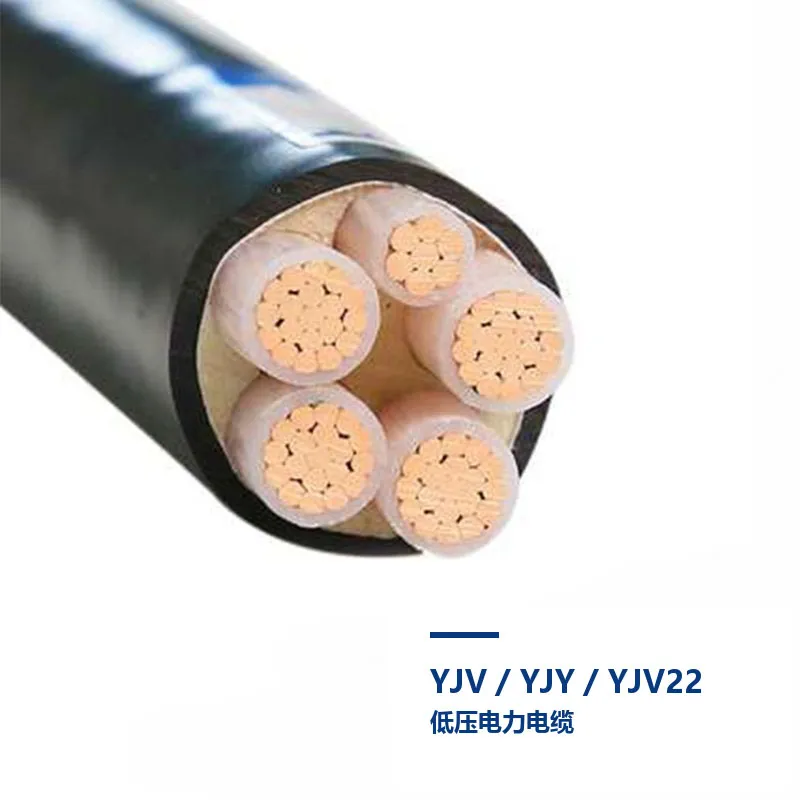
An electrical cable is an assembly containing one or more conductors designed to transmit electrical power, control signals, or other electrical information. Depending on its application, the assembly may include insulation, protective sheathing, shielding, and mechanical reinforcement.
Most electrical cables use copper or aluminum conductors. Their surrounding materials help prevent electrical contact, resist environmental exposure, and support safe installation.
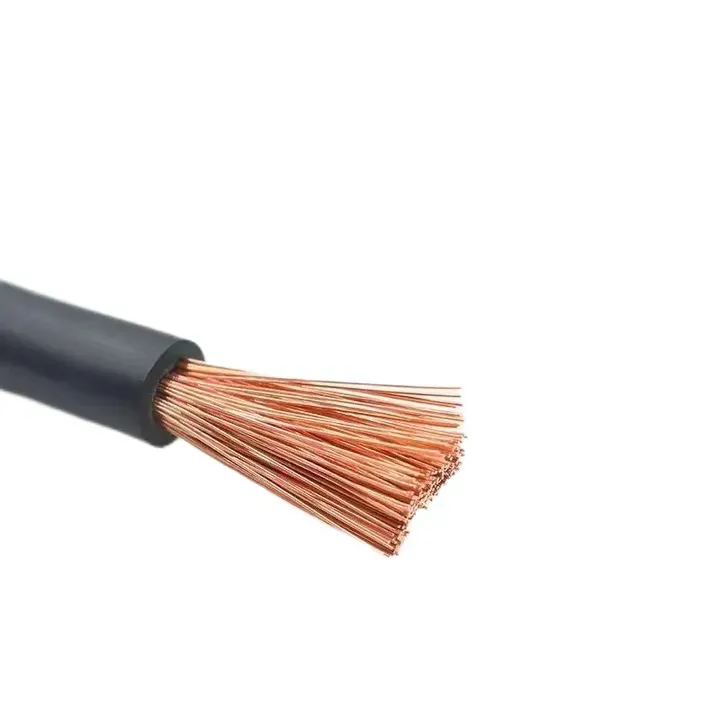
The terms “wire” and “cable” are often used interchangeably, but they usually describe different products:
| Feature | Electrical Wire | Electrical Cable |
|---|---|---|
| Basic construction | Usually one solid or stranded conductor | One or more conductors assembled into a finished product |
| Protection | May be bare or individually insulated | Often includes insulation, an outer sheath, and additional protective layers |
| Typical use | Internal wiring, grounding, and simple electrical connections | Power distribution, industrial equipment, underground circuits, and control systems |
In practical terms, an electrical cable generally offers a more complete assembly for a defined installation or operating environment.
Not every electrical cable contains the same layers. However, most cable designs include several of the following components.
The conductor carries electrical current. Copper provides high conductivity and is commonly used in building wiring, machinery, and control circuits. Aluminum is lighter and is often selected for power distribution, overhead lines, and larger conductor sizes.
Insulation surrounds the conductor and helps prevent current from escaping or contacting other conductive parts. Common insulation materials include PVC, XLPE, polyethylene, and rubber compounds.
Multicore cables may include fillers or inner bedding to maintain their shape, separate internal components, and provide a suitable base for protective layers.
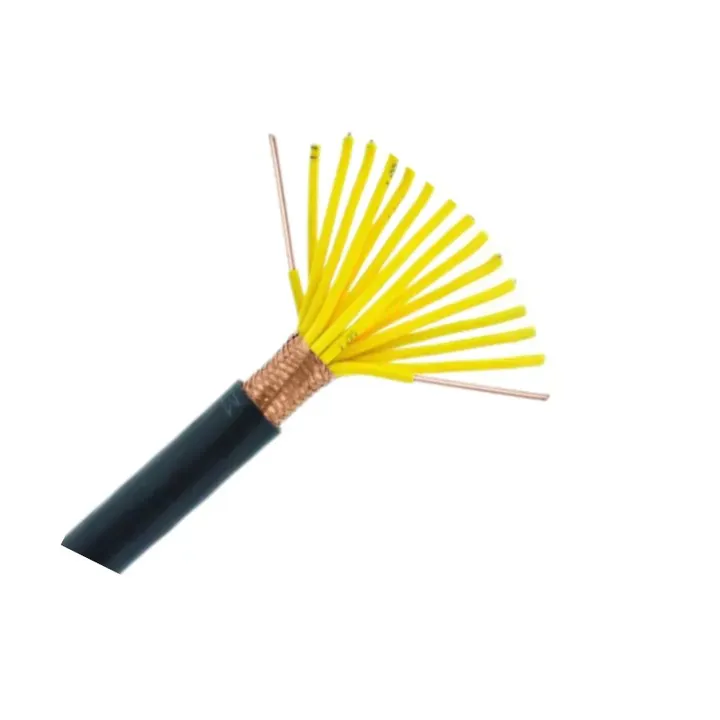
Metallic foil, copper tape, or braided conductors can reduce electromagnetic interference. Shielding is particularly important for control cables, instrumentation circuits, and sensitive industrial equipment.
Armoring adds mechanical protection against impact, compression, and installation-related damage. Common constructions include steel wire armor, steel tape armor, and, where appropriate, nonmagnetic aluminum armor.
The outer sheath protects the cable from conditions such as abrasion, moisture, sunlight, chemicals, and outdoor exposure. Its performance depends on the selected material and the cable’s actual certification and construction.
Electrical cables are classified according to their voltage rating, construction, operating conditions, and intended application.
| Cable Type | Main Characteristics | Typical Applications |
|---|---|---|
| Low-voltage power cable | Common ratings include 0.6/1 kV; PVC or XLPE insulation | Buildings, factories, distribution boards, and infrastructure |
| Medium-voltage power cable | Engineered insulation and screening for distribution networks | Substations, utility networks, industrial facilities, and renewable energy plants |
| Control cable | Multiple cores; shielded or unshielded configurations | Automation systems, control panels, machinery, and instrumentation |
| Flexible cable | Fine-stranded conductors and flexible insulation or sheathing | Portable equipment, construction tools, appliances, and movable machinery |
| Armored cable | Additional metallic protection against mechanical damage | Underground installations, industrial plants, and exposed cable routes |
| Aerial bundled cable | Insulated conductors arranged for overhead distribution | Urban distribution lines, rural electrification, and utility connections |
| Solar photovoltaic cable | Designed for DC systems, outdoor exposure, and demanding environmental conditions | Solar panels, photovoltaic arrays, combiner boxes, and related DC circuits |
| Fire-resistant cable | Designed to maintain circuit integrity under specified fire-test conditions | Emergency lighting, fire alarms, evacuation systems, and essential safety circuits |
Insulation affects operating temperature, flexibility, durability, and installation suitability.
| Material | Main Advantages | Common Applications |
|---|---|---|
| PVC | Cost-effective, widely available, and suitable for many general-purpose installations | Building wiring, control cables, and low-voltage power distribution |
| XLPE | Good thermal performance, electrical insulation, and suitability for higher-rated cable systems | Low-voltage and medium-voltage power cables |
| Rubber | Flexibility and durable performance in appropriately rated demanding environments | Portable equipment, industrial machinery, and temporary power supplies |
Many standard PVC-insulated cables are associated with a 70°C conductor operating temperature, while many XLPE-insulated power cables are associated with 90°C. Actual ratings depend on the cable standard, construction, equipment terminations, and installation conditions.
Electrical cables supply lighting systems, electrical outlets, air conditioning equipment, elevators, and distribution panels. The correct cable choice depends on circuit load, installation method, and local electrical regulations.
Manufacturing plants rely on power cables for motors and machinery, while control cables connect sensors, automation systems, and electrical cabinets. Shielded constructions may be necessary where electrical interference could affect sensitive equipment.
Utility companies use low-voltage and medium-voltage cables to connect substations, transformers, distribution systems, and end users. Depending on the project, these networks may use underground cables or insulated overhead systems.
Photovoltaic cables connect solar modules and associated DC equipment. Solar projects also require power cables for inverters, transformers, substations, and grid connections.
Airports, hospitals, rail networks, tunnels, and construction projects use electrical cables for power, communication, control, and safety systems. Cable specifications vary according to mechanical exposure, fire performance requirements, and environmental conditions.
Selecting an electrical cable requires more than matching its appearance or conductor size. Consider these essential factors:
An electrical cable transmits electrical power or signals between connected parts of a system while providing the insulation and protection appropriate for its intended application.
Most electrical cables contain copper or aluminum conductors combined with insulation and protective materials such as PVC, XLPE, polyethylene, rubber, metallic shielding, or armor.
Armored cable includes an additional protective metallic layer designed to resist mechanical damage. Unarmored cable does not include this reinforcement and may require other protection depending on its installation conditions.
Shielding helps reduce electromagnetic interference that may affect signals, control circuits, or sensitive electrical equipment. Its effectiveness depends on the shield design, installation, and grounding.
No. Cable selection depends on voltage, current, installation method, temperature, mechanical conditions, environmental exposure, and the electrical regulations that apply to the project.
An electrical cable is more than a metal conductor inside a protective cover. Its insulation, shielding, armoring, sheath, and conductor design determine how safely and effectively it performs in a specific application.
Whether a project involves building wiring, industrial automation, underground distribution, or solar power, understanding different electrical cable types makes it easier to choose a suitable and reliable solution.
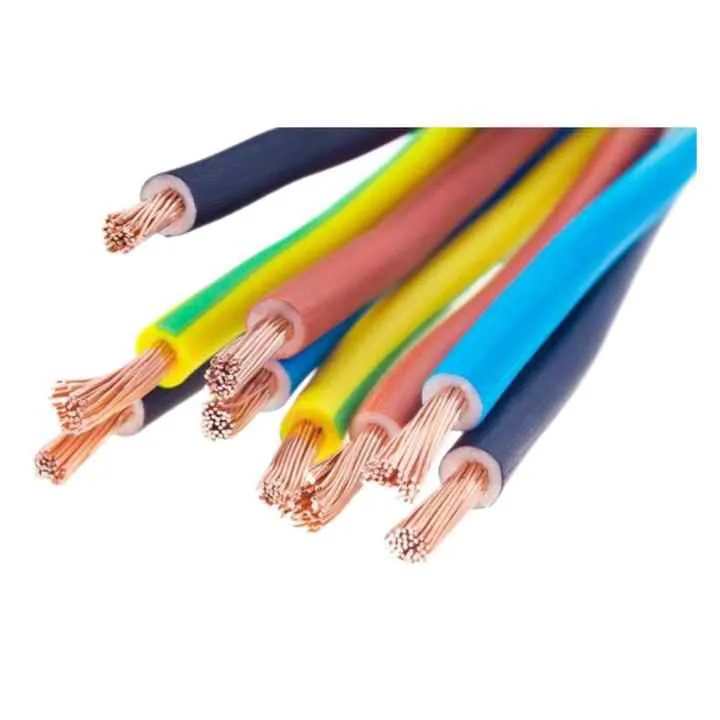
Flexible copper electrical wire with stranded copper conductor, PVC insulation a
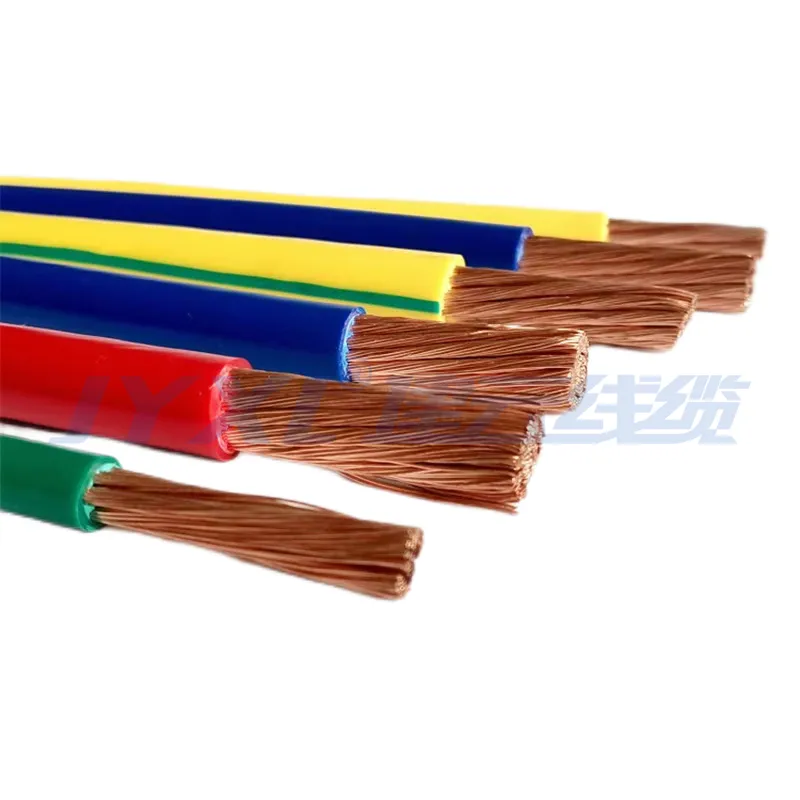
H07V-K flexible electrical wire with 1.5mm² and 2.5mm² stranded copper conductor
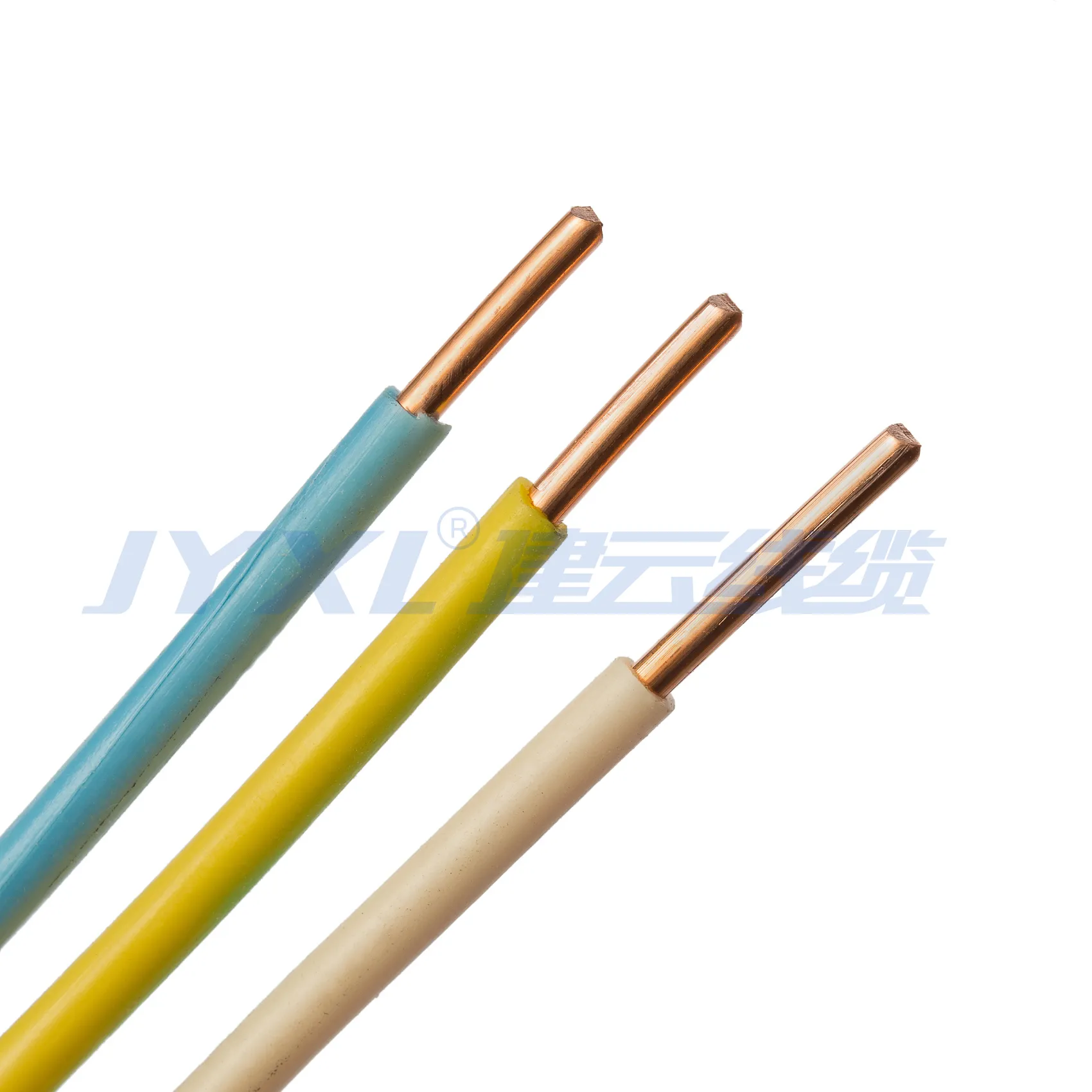
Jianyun H07V-U Solid Copper PVC Wire is a single core rigid electrical wire manu
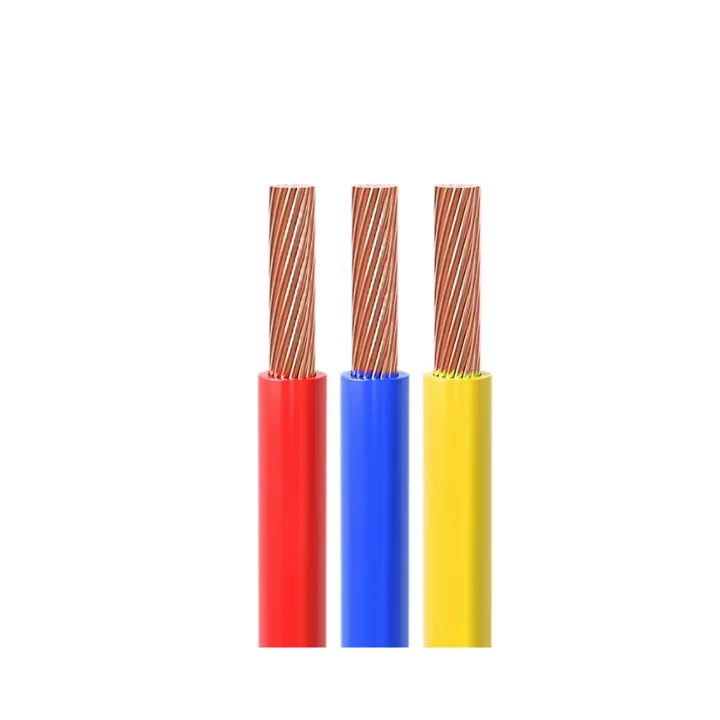
CE Certification 450/750v H07VVF Flexible Copper PVC Insulated Ac Cable 3*2.5 Mm