Installation Tips for Medium Voltage Cables
Time: 2026-01-20 10:48:32
Source: Henan Province Jianyun Cable Co., Ltd.
By Jianyun Cable – Professional Manufacturer of Quality Electrical Cables
Medium voltage (MV) cables (6 kV to 35 kV) are critical for power distribution in industrial plants, commercial buildings, substations, renewable energy farms, and urban networks. Proper installation is essential to ensure long-term reliability, safety, and minimal power loss. Poor installation can lead to insulation breakdown, partial discharge, overheating, faults, fires, or complete system failure.
This 2025 technical guide provides step-by-step installation tips for medium voltage cables, based on IEC 60502-2, IEC 60840, IEEE 400, and industry best practices – helping engineers, contractors, and installers achieve professional results.
1. Introduction to Medium Voltage Cables (6–35 kV)
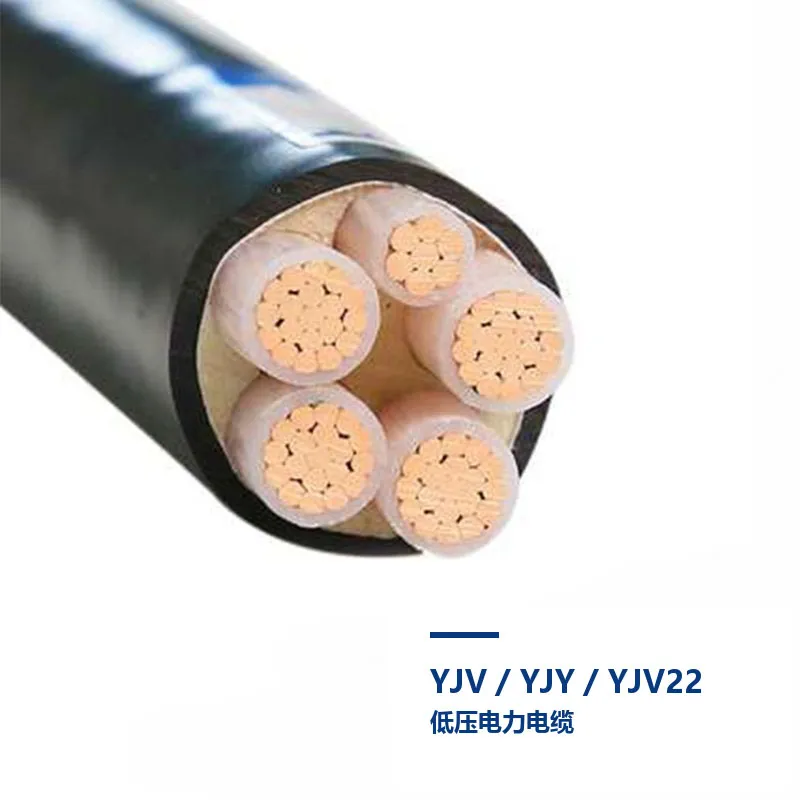
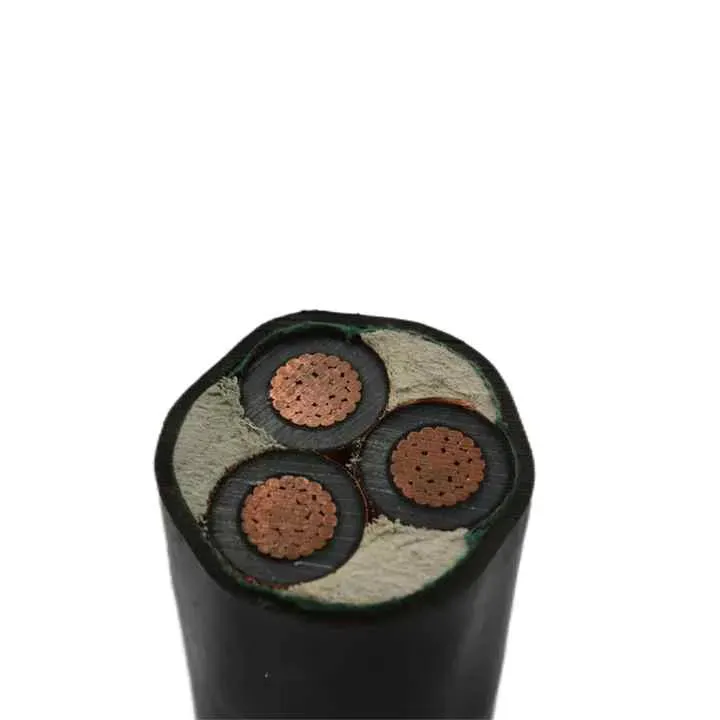
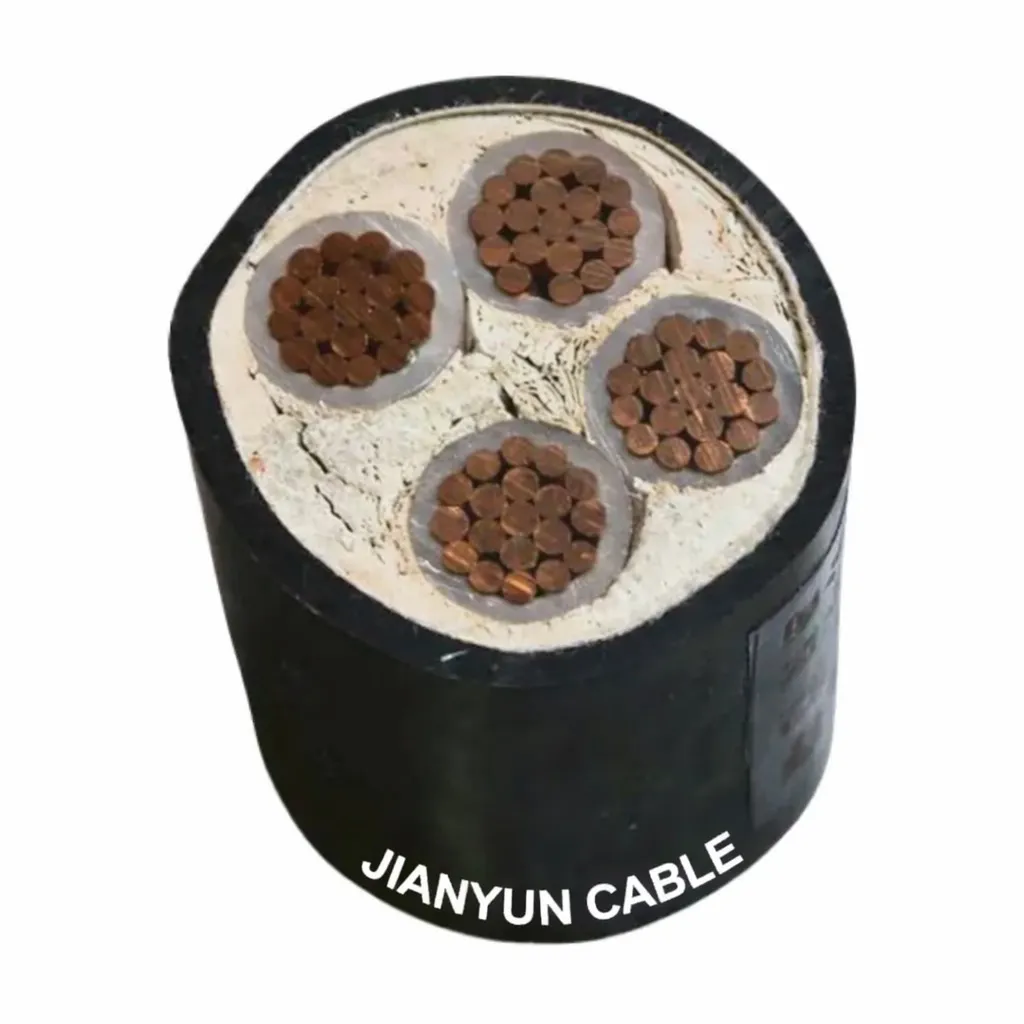
MV cables typically feature XLPE insulation, copper or aluminum conductors, metallic screening (copper tape/wire), and outer sheaths (PVC, PE, LSOH). They are designed for high dielectric strength, thermal stability, and mechanical protection. Common constructions include single-core, three-core, armored (SWA), and unarmored types.
2. Pre-Installation Preparation & Planning
-
Review cable type test reports & factory acceptance test (FAT) certificates
-
Verify drum markings: voltage, size, length, batch number
-
Calculate bending radius (min 12–15× outer diameter for single-core)
-
Plan pulling tension (max 50 N/mm² conductor area for copper)
-
Ensure trench depth (≥0.8 m), sand bedding (10 cm), warning tape
-
Check ambient temperature – install above 0°C (preheat if needed)
-
Prepare jointing & termination kits (heat-shrink or cold-shrink)
3. Safe Handling, Transport & Storage
-
Transport drums upright, flange supported, never roll on side
-
Store indoors or covered; keep drums off ground on battens
-
Avoid stacking more than 2 drums high
-
Protect from direct sunlight, rain, chemicals
-
Use lifting straps or forklift with spreader bar – never drop or shock
-
Inspect cable ends for moisture ingress before installation
4. Cable Laying & Routing Best Practices
|
Parameter
|
Recommendation
|
Reason
|
|
Minimum Bending Radius
|
Single-core: 12–15× OD; Multi-core: 10–12× OD
|
Prevents insulation damage & stress
|
|
Pulling Tension
|
Max 50 N/mm² conductor area (copper)
|
Avoids conductor elongation
|
|
Lubricant
|
Water-based, compatible with sheath
|
Reduces friction & damage
|
|
Trench Backfill
|
10 cm sand bedding + warning tape + 30 cm cover
|
Protects from mechanical damage
|
|
Cable Spacing
|
≥ cable OD between phases
|
Reduces mutual heating
|
5. Medium Voltage Cable Jointing – Key Techniques
-
Use only pre-molded or heat-shrink kits from reputable brands
-
Ensure clean, dry work area (use tent if needed)
-
Follow precise stripping lengths per kit instructions
-
Remove semi-conductive screen carefully – no nicks in insulation
-
Apply stress control mastic or tubes at screen cut-back
-
Tighten shear bolts or compression lugs correctly
-
Perform partial discharge test after jointing
6. Medium Voltage Cable Termination – Essential Steps
-
Use indoor/outdoor termination kits (porcelain or polymeric)
-
Apply stress relief mastic at screen cut-back
-
Ensure correct creepage distance for outdoor terminations
-
Tighten connections to manufacturer torque values
-
Seal against moisture ingress
-
Conduct high-voltage withstand & PD test
7. Post-Installation Testing & Commissioning
-
Insulation resistance test (>1000 MΩ at 5 kV DC)
-
High-voltage withstand test (VLF or DC – per IEC 60502)
-
Partial discharge test (≤5 pC at 1.5–2× Uo)
-
Sheath integrity test (DC 5–10 kV)
-
Phase sequence & continuity check
-
Document all test results for handover
8. Critical Safety Precautions & PPE
-
Lockout/tagout (LOTO) & grounding before work
-
Use dielectric gloves, mats, tools rated for voltage
-
Arc-flash PPE (Category 2 minimum)
-
Barricade & warning signs around work area
-
Trained & certified jointers/terminators only
-
Emergency eye wash & first aid kit on site
9. 10 Common Installation Mistakes to Avoid
-
Exceeding minimum bending radius
-
Using excessive pulling tension
-
Allowing moisture ingress during storage/jointing
-
Incorrect screen grounding (single-end vs both-end)
-
Poor stress control at joint/termination
-
Insufficient backfill protection
-
Skipping partial discharge test
-
Using non-certified joint/termination kits
-
Exposing cable to direct sunlight for too long
-
Improper phasing or cross-connection
10. Final Checklist for Successful MV Cable Installation
-
Verify cable matches specification & certifications
-
Conduct pre-installation drum inspection
-
Plan route, bending radii, pulling method
-
Use trained personnel & proper tools/kits
-
Perform all required tests (IR, HV, PD)
-
Document everything – test reports, photos
-
Partner with experienced manufacturers for support
Medium voltage cable installation is a precision task – one mistake can compromise years of reliable power. Follow these best practices and work with a trusted supplier to ensure safety and performance.
For high-quality medium voltage power cables (6–35 kV) with full IEC compliance, rigorous testing, and expert technical support, contact Henan Province Jianyun Cable Co., Ltd. – your reliable partner for successful MV installations.