Keep up to date with our latest company news and relevant industry knowledge.
Time: 2026-03-10 13:29:20 Source: Henan Province Jianyun Cable Co., Ltd.
Aluminum cable manufacturing continues to drive the evolution of global power transmission, enabling higher capacity, greater efficiency, and more resilient grids amid surging electricity demand from electrification, renewables, and urbanization. With the global aluminum cables and conductors market valued at around $45–65 billion in 2025 and projected to reach $70–82 billion by 2030–2032 (CAGR 4.5–6%), innovations in conductor design, materials, and production processes are unlocking unprecedented performance for high-voltage overhead lines. At Jianyun Cable, we advance these technologies through state-of-the-art manufacturing, delivering ACSR, AAAC, AAC, and emerging HTLS solutions that meet the world's growing transmission needs.
Aluminum conductors dominate overhead transmission lines worldwide due to their excellent conductivity-to-weight ratio, corrosion resistance, and cost advantages over copper. As grids expand to integrate renewables and support rising loads, aluminum cable manufacturing focuses on higher ampacity, reduced sag, lower losses, and enhanced durability. Advancements in alloys, composite cores, and high-temperature designs are key to reconductoring existing lines and building new high-voltage corridors efficiently and sustainably.
The aluminum conductors sector is experiencing robust growth driven by:
Market projections show steady expansion through 2030–2035, with Asia-Pacific leading due to industrialization and renewable investments, followed by North America and Europe focusing on resilience and decarbonization.
| Conductor Type | Core/Reinforcement | Key Strength | Typical Voltage Range | Primary Global Application |
|---|---|---|---|---|
| ACSR | Galvanized Steel Core | High tensile strength for long spans | 33–765 kV+ | Traditional EHV transmission worldwide |
| AAAC | Aluminum Alloy (6201/1120) | Superior corrosion resistance & strength-to-weight | Up to 220 kV | Corrosive/coastal & medium-span lines |
| AAC | All Aluminum | Maximum conductivity per weight | Up to 33–132 kV | Urban distribution & shorter spans |
| ACCC / HTLS Variants | Carbon/Glass Composite Core | High-temp operation, ultra-low sag, 2x ampacity | High & Extra High Voltage | Reconductoring & renewable corridors |
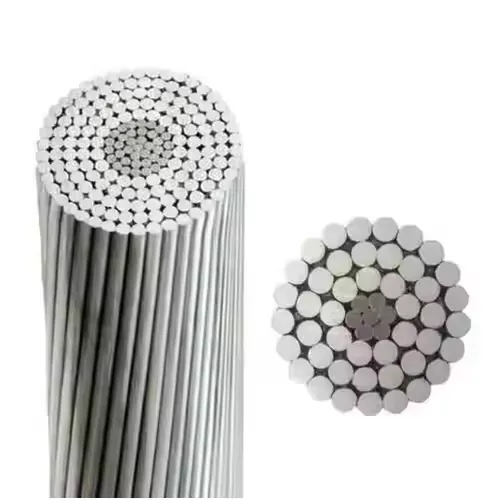
Modern aluminum cable production incorporates:
High-Temperature Low-Sag (HTLS) conductors represent a major leap:
Sustainability is central to advancements:
Aluminum cable manufacturing advancements enable:
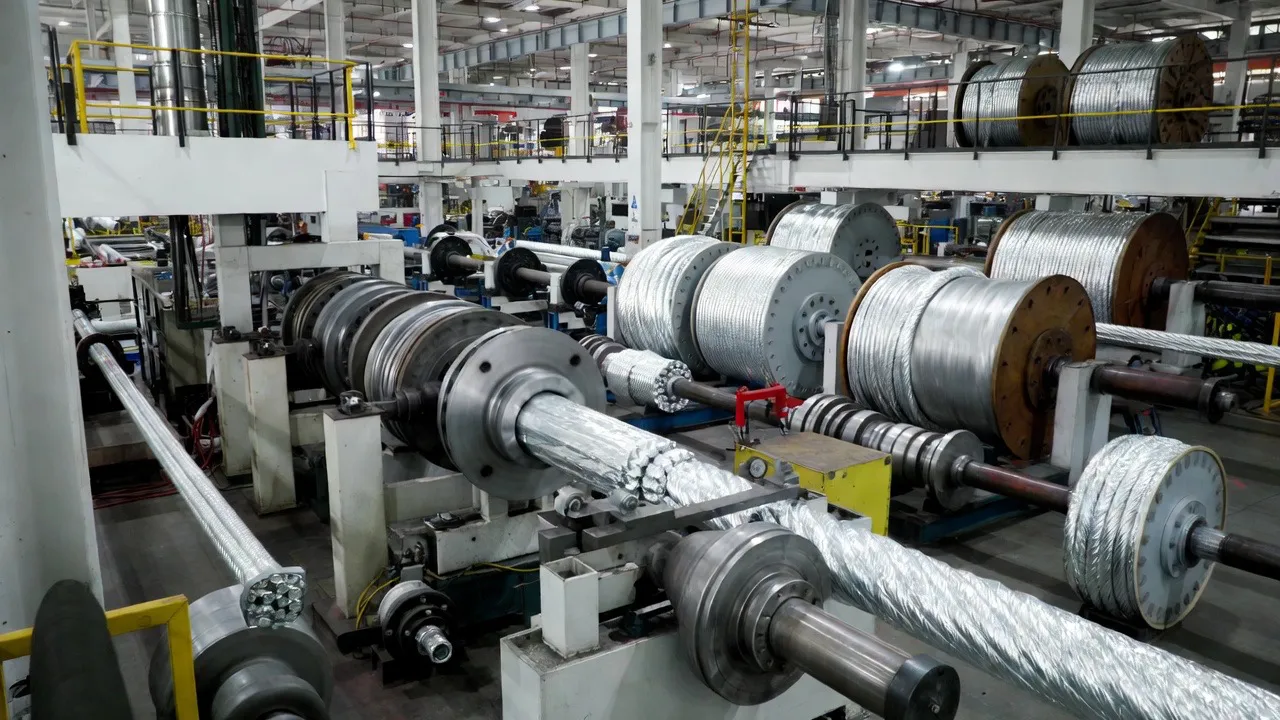
Aluminum cable manufacturing is at the heart of advancing global power transmission — delivering higher capacity, efficiency, and sustainability to meet the world's energy needs. From traditional ACSR and AAAC to cutting-edge HTLS and composite-core solutions, these innovations ensure reliable, cost-effective grids for decades to come. Jianyun Cable remains committed to manufacturing world-class aluminum conductors that power progress, backed by rigorous standards, advanced processes, and a focus on customer success.
Contact our team for tailored transmission conductor solutions, technical support, or project collaboration.
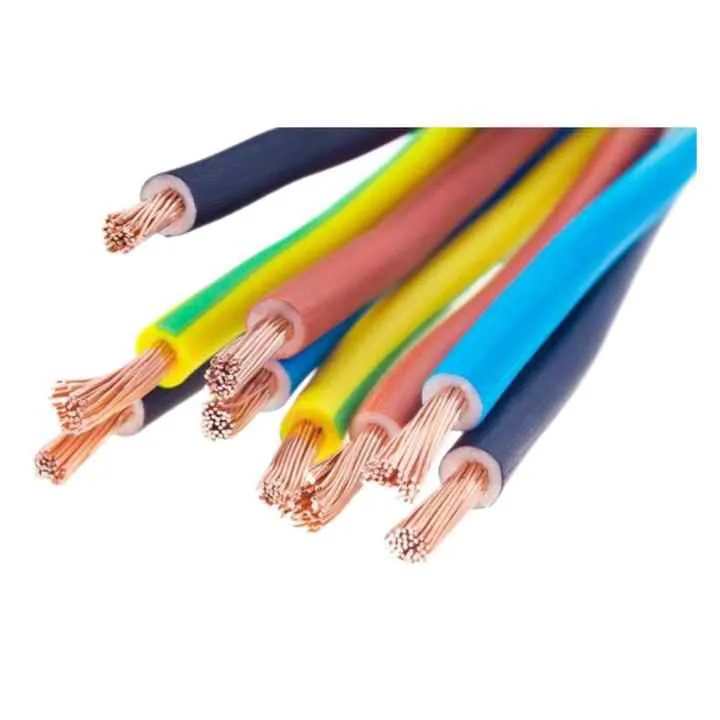
Flexible copper electrical wire with stranded copper conductor, PVC insulation a
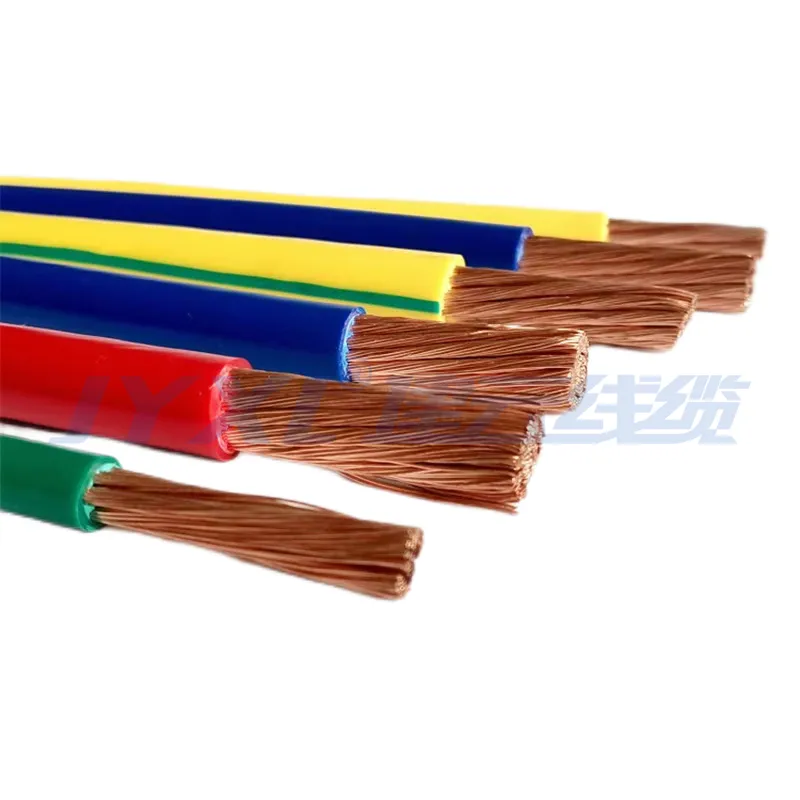
H07V-K flexible electrical wire with 1.5mm² and 2.5mm² stranded copper conductor
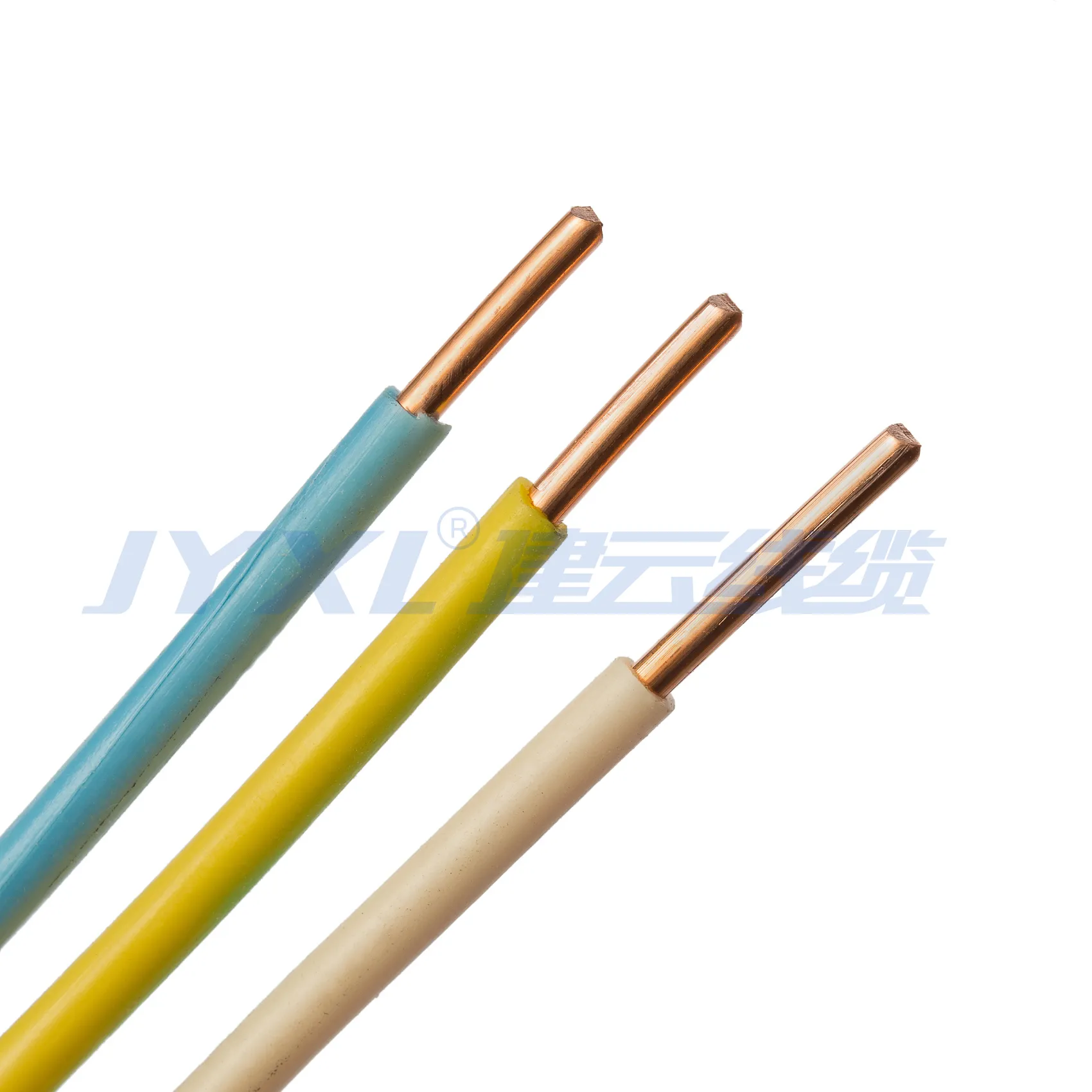
Jianyun H07V-U Solid Copper PVC Wire is a single core rigid electrical wire manu
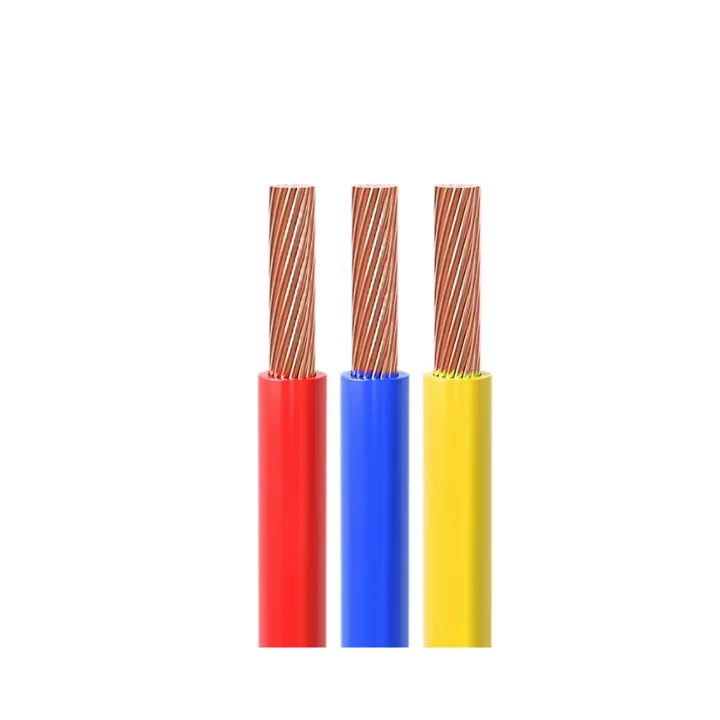
CE Certification 450/750v H07VVF Flexible Copper PVC Insulated Ac Cable 3*2.5 Mm