Keep up to date with our latest company news and relevant industry knowledge.
Time: 2026-03-17 09:00:37 Source: Henan Province Jianyun Cable Co., Ltd.
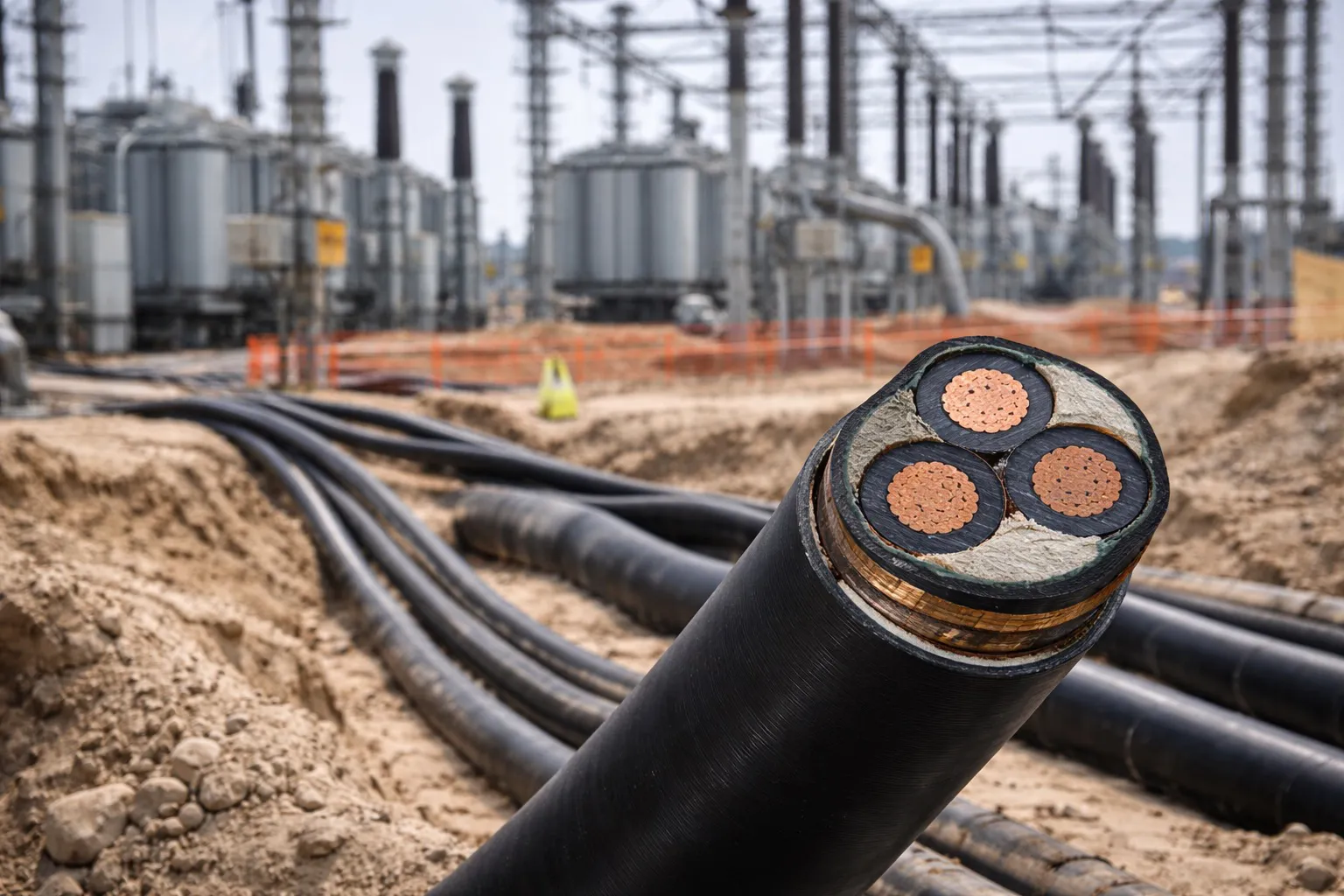
A 19kV XLPE medium voltage cable refers to a power cable with XLPE (cross-linked polyethylene) insulation, rated for a phase-to-ground voltage of 19 kV. In practice, it's most commonly designated as 19/33kV (or 19/33(36)kV), making it a standard medium voltage (MV) cable used in power distribution networks worldwide.
These cables bridge the gap between low-voltage systems (<1kV) and high-voltage transmission (>36kV), delivering reliable power over long distances with minimal losses. Engineers specify them for substations, industrial plants, urban grids, and renewable energy connections.
The notation follows international conventions (e.g., IEC 60038):
This rating suits 33kV distribution networks, common in many countries for secondary transmission and primary distribution to large loads. The cable must withstand basic impulse levels (BIL) around 170-194 kV for lightning protection.
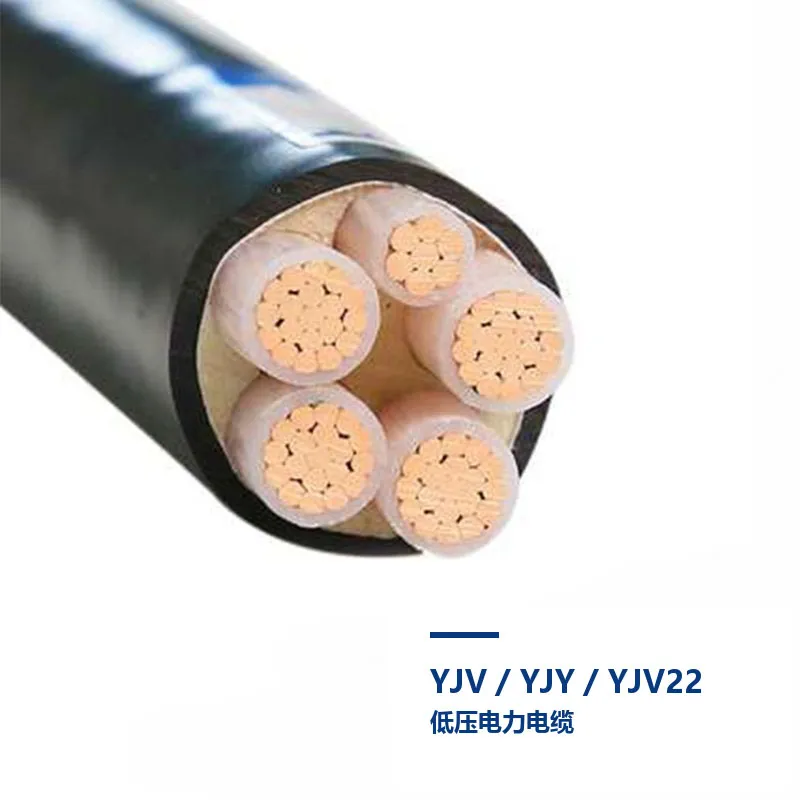
These cables feature layered design for electrical integrity, mechanical protection, and environmental resistance:
| Layer | Material | Function |
|---|---|---|
| Conductor | Copper (CU) or Aluminum (AL), Class 2 stranded (IEC 60228) | Carries current; compacted for reduced diameter |
| Conductor Screen | Semi-conductive compound (extruded) | Eliminates air gaps, uniform electric field |
| Insulation | XLPE (cross-linked polyethylene) | Dielectric barrier; 90°C continuous operation |
| Insulation Screen | Semi-conductive compound + copper tape/wire screen | Grounds capacitive currents, fault detection |
| Metallic Screen/Sheath | Copper wire + counter helix tape (CTS) or lead | Carries fault currents, electromagnetic shielding |
| Inner Sheath/Bedding | PVC or PE | Protects screen, bedding for armour |
| Armour (optional) | Steel wire (SWA) or aluminum wire (AWA for single-core) | Mechanical protection against digging/rodents |
| Outer Sheath | PVC, PE, or LSOH (low smoke zero halogen) | UV, moisture, chemical resistance |
Common types: CU/XLPE/CTS/PVC, AL/XLPE/CTS/PE, or armored variants like NA2XS(F)2Y.
XLPE outperforms traditional paper/oil or PVC insulation:
These features make 19/33kV XLPE ideal for underground, duct, or direct-buried installations.
19/33kV XLPE cables serve:
Installation: Direct burial, ducts, tunnels, or aerial (with support). Min. bending radius: 12-15× outer diameter. Max. pulling tension and sidewall pressure must be observed.
Primary standard: IEC 60502-2 (Power cables with extruded insulation for rated voltages 1-30kV, Um=36kV). Additional references include:
Testing includes routine (voltage withstand), sample (insulation thickness), and type tests (heat ageing, bending).
Sizing depends on load current, voltage drop (<3-5%), short-circuit withstand, and derating (ambient temp, grouping, burial depth). Typical current ratings (in ground, 20°C soil):
Engineers should use ampacity tables from IEC or manufacturer data, factoring in soil thermal resistivity and installation method.
A 19kV (19/33kV) XLPE medium voltage cable combines robust insulation, high current capacity, and long-term reliability—making it a go-to choice for modern MV networks. Selecting the right construction (copper vs. aluminum, armored vs. unarmored, sheath type) ensures safety, efficiency, and compliance.
For premium 19/33kV XLPE medium voltage cables meeting IEC 60502-2 and global standards, explore Henan Province Jianyun Cable Co., Ltd.'s specialized range of 19kV XLPE Medium Voltage Cables.
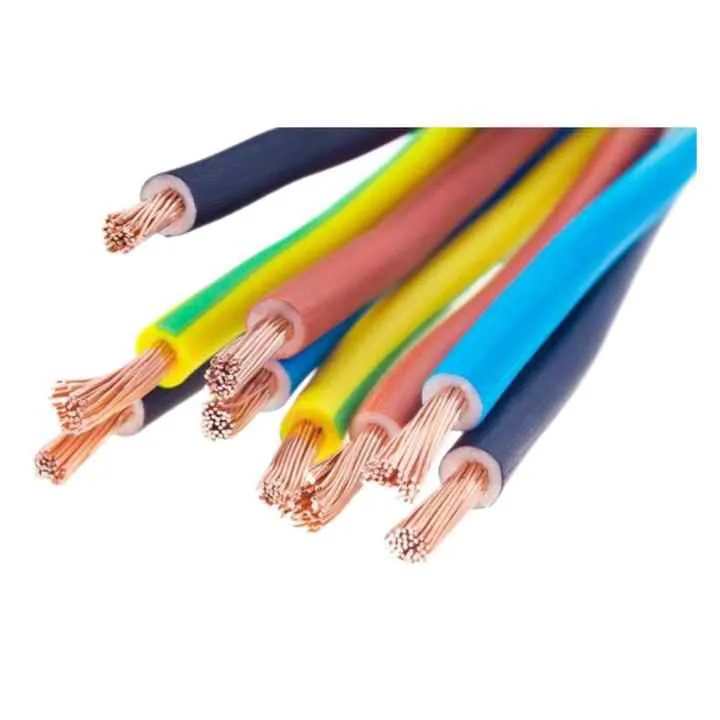
Flexible copper electrical wire with stranded copper conductor, PVC insulation a
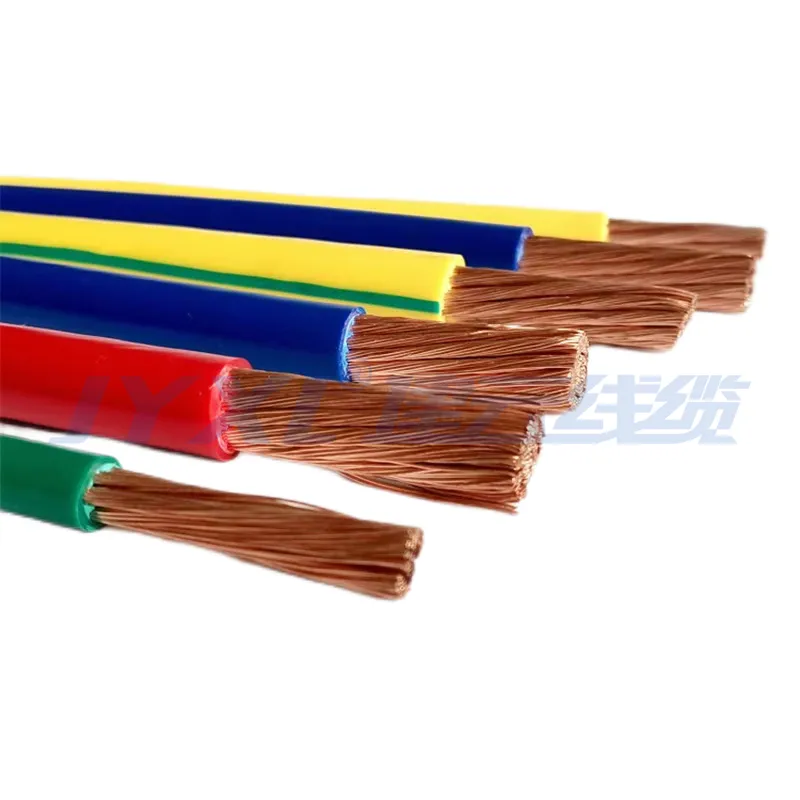
H07V-K flexible electrical wire with 1.5mm² and 2.5mm² stranded copper conductor
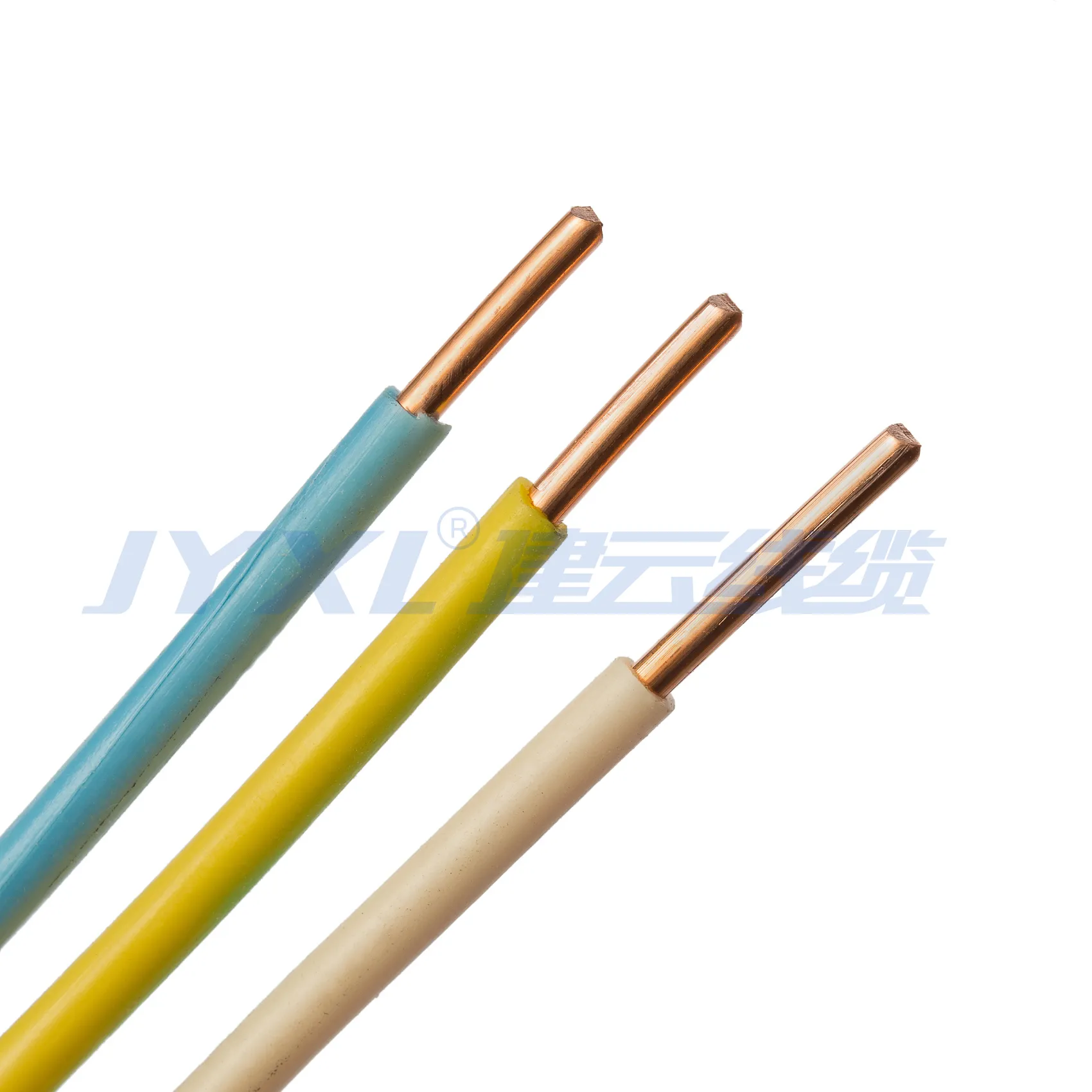
Jianyun H07V-U Solid Copper PVC Wire is a single core rigid electrical wire manu
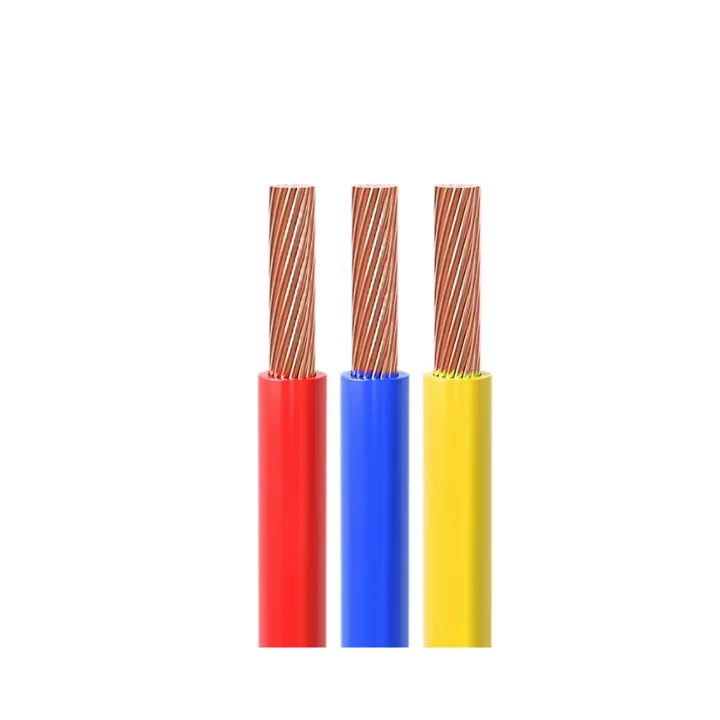
CE Certification 450/750v H07VVF Flexible Copper PVC Insulated Ac Cable 3*2.5 Mm