Keep up to date with our latest company news and relevant industry knowledge.
Time: 2026-03-13 06:32:09 Source: Henan Province Jianyun Cable Co., Ltd.
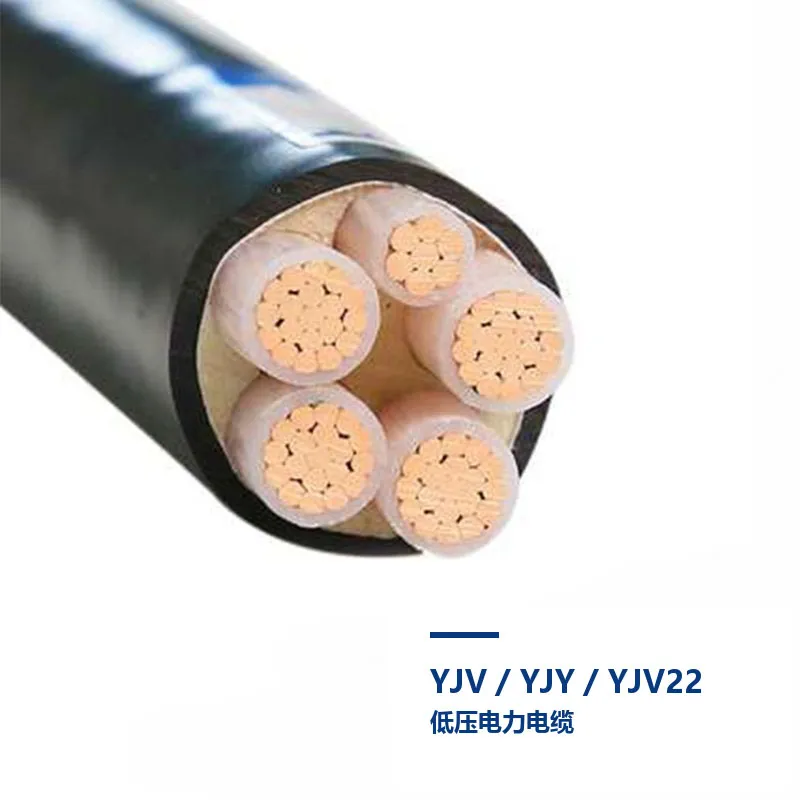
0.6/1kV power cables are the backbone of low-voltage electrical distribution systems worldwide. Rated for 0.6 kV phase-to-ground and 1 kV phase-to-phase (with Um = 1.2 kV max), these cables safely transmit power in residential, commercial, industrial, and infrastructure projects. They power everything from building wiring and machinery to underground feeders and renewable energy connections.
Choosing the wrong cable can lead to overheating, voltage drop issues, safety hazards, or costly failures. This guide walks you through the essential steps to pick the perfect 0.6/1kV cable for your needs.
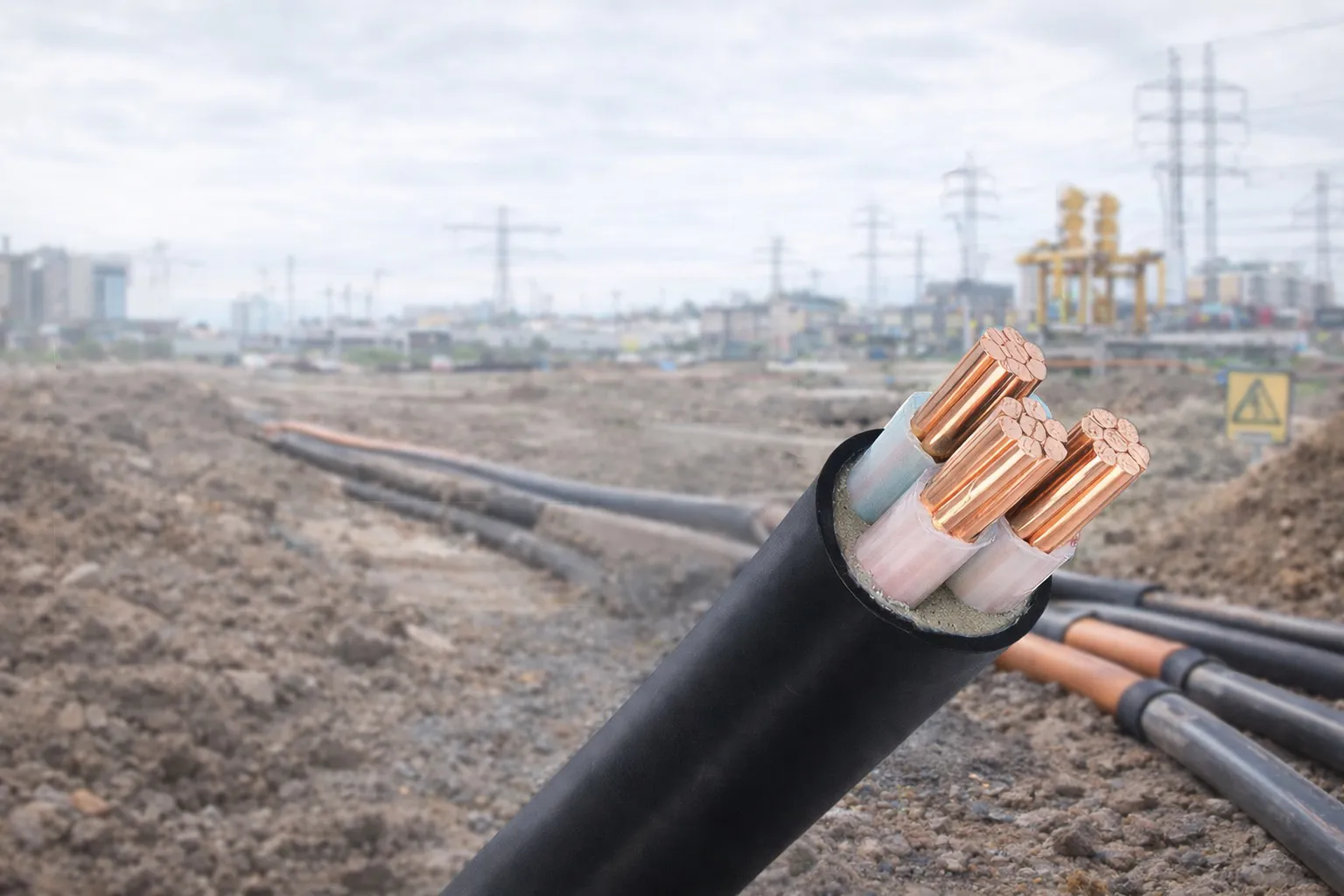
Focus on these core elements:
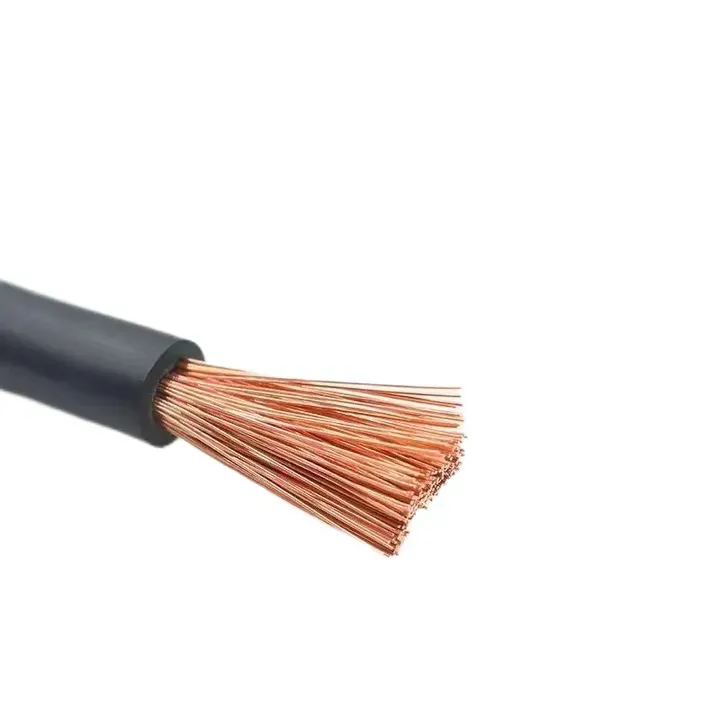
Copper offers superior conductivity, flexibility, and corrosion resistance—ideal for high-reliability applications. Aluminum is lighter and cheaper but requires larger cross-sections for the same current.
For most projects, copper is the go-to choice for better long-term performance.
Insulation determines heat tolerance, durability, and lifespan:
| Feature | XLPE (Cross-Linked Polyethylene) | PVC (Polyvinyl Chloride) |
|---|---|---|
| Max Operating Temperature | 90°C (higher short-circuit tolerance) | 70°C |
| Current-Carrying Capacity | Higher (up to 20-30% more than PVC) | Standard |
| Mechanical Strength & Durability | Excellent chemical & moisture resistance | Good for general use |
| Cost | Higher initial cost | More economical |
| Best For | Industrial, underground, high-load | Indoor, light-duty applications |
XLPE-insulated cables (like CU/XLPE/PVC) are increasingly popular for their superior performance in demanding environments.
Size the cable based on:
Common cross-sections range from 1.5 mm² (lighting) to 400 mm²+ (heavy feeders). Always apply derating factors for ambient temperature, grouping, and burial depth.
Consider where the cable will go:
Bending radius: Typically 8-12× outer diameter (check manufacturer specs). Max operating temp: 90°C for XLPE, 70°C for PVC.
Look for cables meeting IEC 60502-1 (power cables with extruded insulation for 1 kV rated voltage). Additional certifications like RoHS, CPR fire ratings (Euroclasses), or national standards ensure quality and safety.
Selecting the right 0.6/1kV power cable means balancing performance, safety, cost, and longevity. For reliable, high-quality options with premium copper conductors, XLPE insulation, and PVC sheath—compliant with international standards—explore Henan Province Jianyun Cable Co., Ltd.'s range of 0.6/1kV CU/XLPE/PVC Cables.
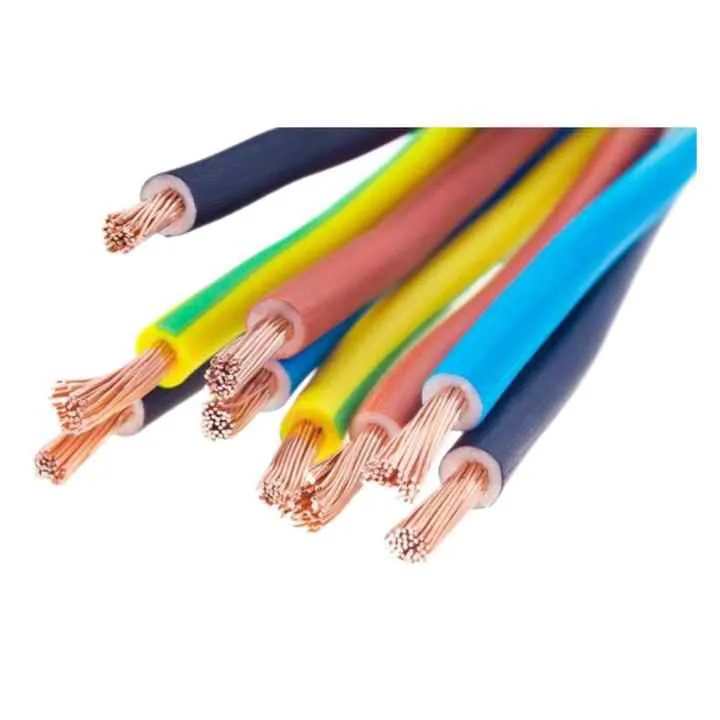
Flexible copper electrical wire with stranded copper conductor, PVC insulation a
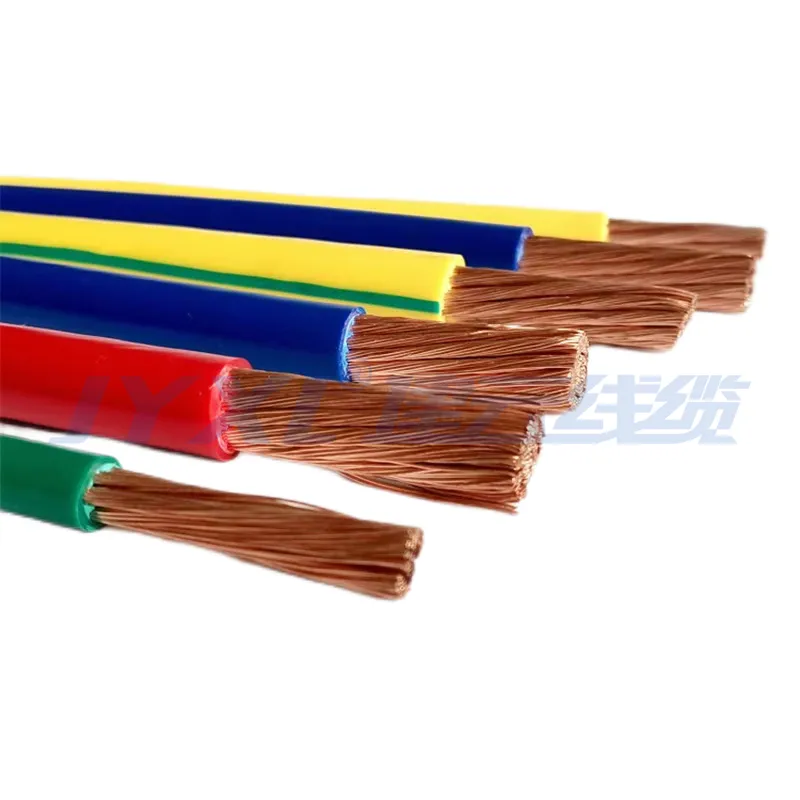
H07V-K flexible electrical wire with 1.5mm² and 2.5mm² stranded copper conductor
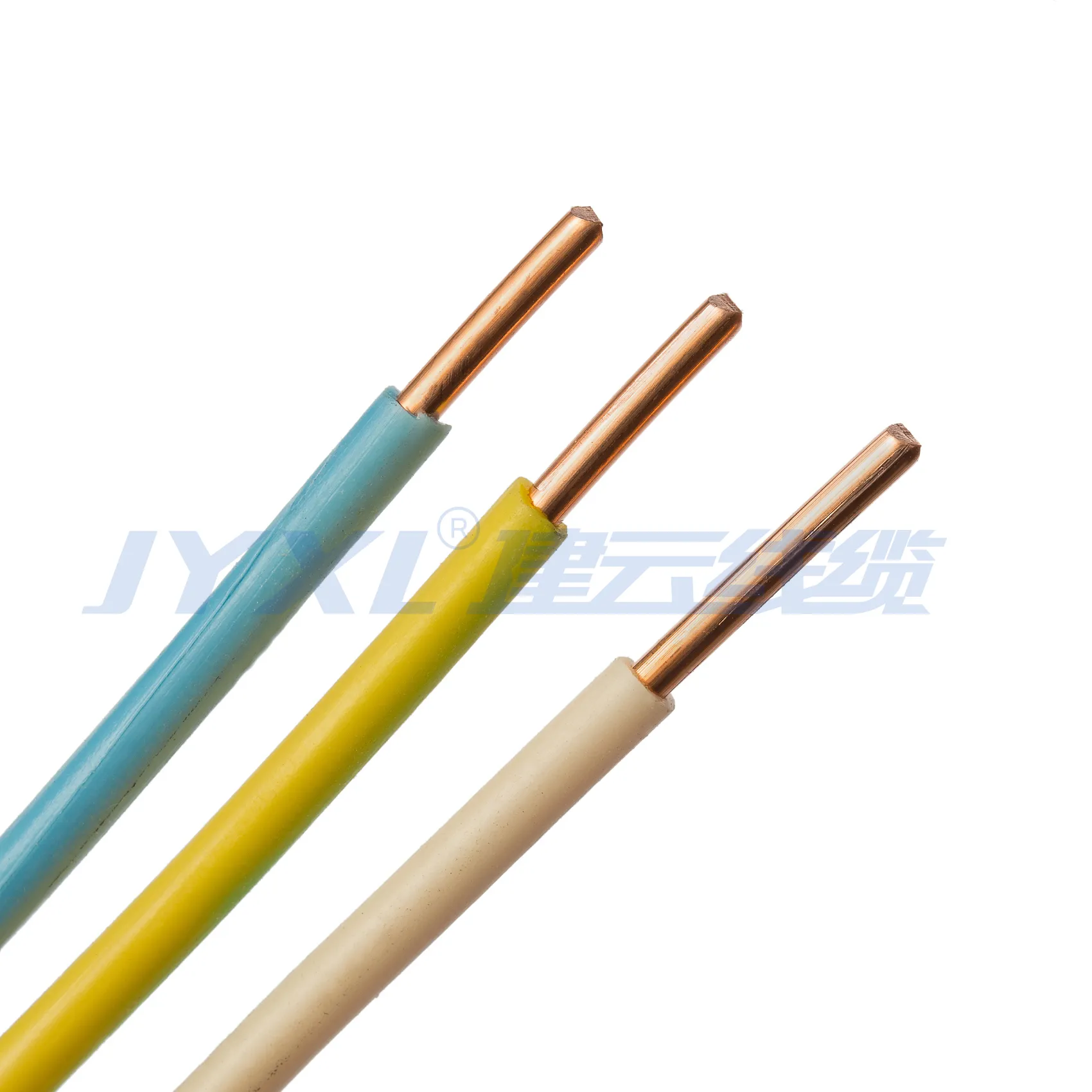
Jianyun H07V-U Solid Copper PVC Wire is a single core rigid electrical wire manu
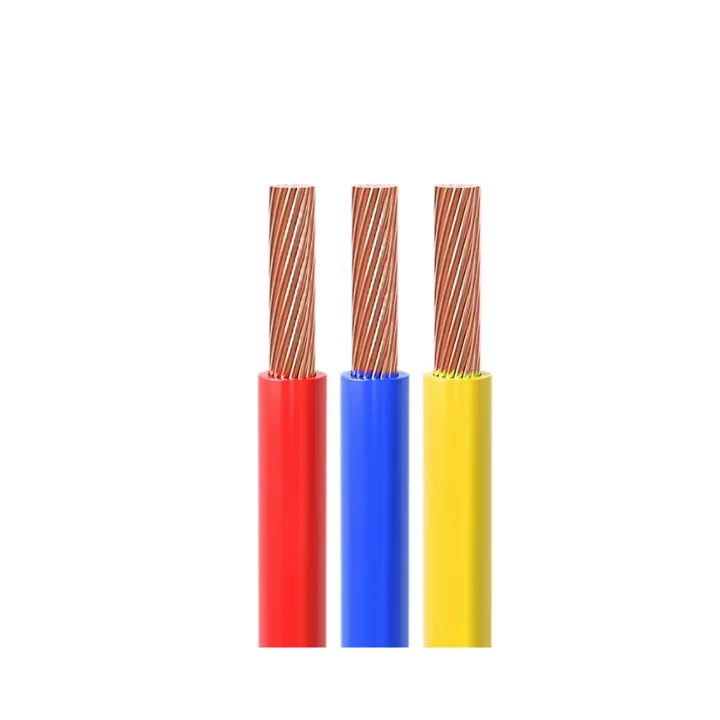
CE Certification 450/750v H07VVF Flexible Copper PVC Insulated Ac Cable 3*2.5 Mm