Keep up to date with our latest company news and relevant industry knowledge.
Time: 2026-03-12 11:34:41 Source: Henan Province Jianyun Cable Co., Ltd.
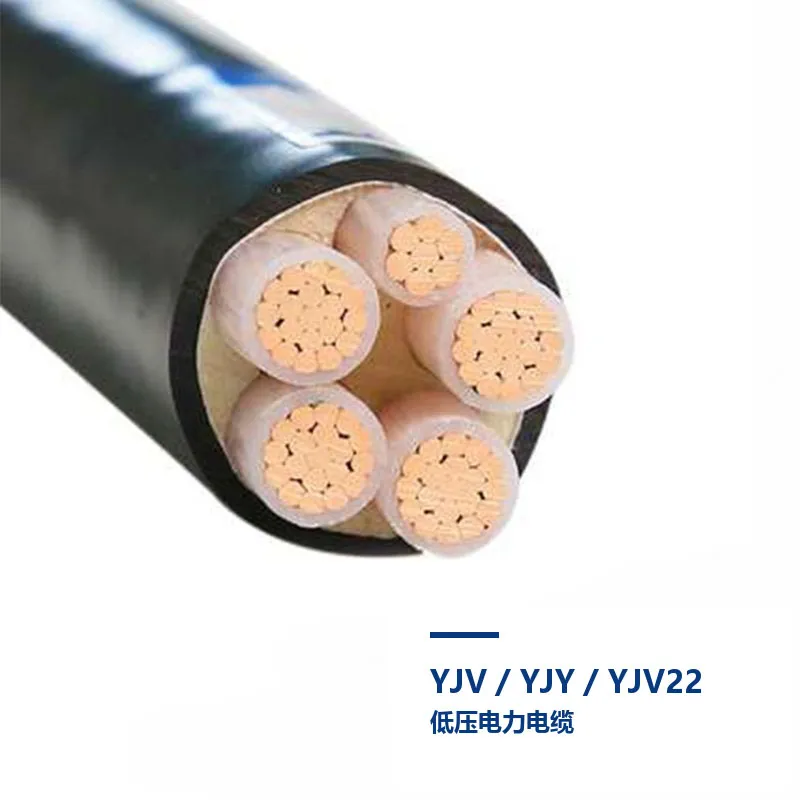
0.6/1kV low voltage power cables (also written as 600/1000V) are designed for fixed installations in power distribution systems operating at rated voltages up to 1kV AC (Um = 1.2kV max). These cables safely transmit electrical power in industrial, commercial, and infrastructure settings where reliability, safety, and durability are critical.
They are widely used in factories, warehouses, data centers, petrochemical plants, mining operations, and building services. The 0.6/1kV rating refers to the voltage between conductor and earth (0.6kV) and between conductors (1kV), making them ideal for 230/400V three-phase systems common in most industrial facilities.
The primary international standard for 0.6/1kV power cables with extruded insulation is IEC 60502-1. This standard covers construction, dimensions, test requirements, and performance for cables used in fixed installations.
Common regional equivalents include:
Compliance ensures excellent electrical, mechanical, thermal, and fire performance. Most high-quality cables also meet RoHS, REACH, and flame-retardant requirements (e.g., IEC 60332).
Industrial 0.6/1kV cables come in various configurations:
| Type | Construction | Typical Use | Armour Option |
|---|---|---|---|
| CU/XLPE/PVC (Unarmoured) | Copper conductor, XLPE insulation, PVC sheath | Indoor, cable trays, conduits, protected runs | None |
| CU/XLPE/STA/PVC | Copper conductor, XLPE insulation, steel tape armour, PVC sheath | Underground, direct burial, mechanical protection needed | Steel Tape |
| CU/XLPE/SWA/PVC | Copper conductor, XLPE insulation, steel wire armour, PVC sheath | Direct burial, high mechanical stress areas | Steel Wire |
| AL/XLPE/PVC | Aluminum conductor, XLPE insulation, PVC sheath | Cost-sensitive projects, similar to copper but lighter | Available |
For industrial applications requiring extra protection, armored versions (STA or SWA) are preferred.
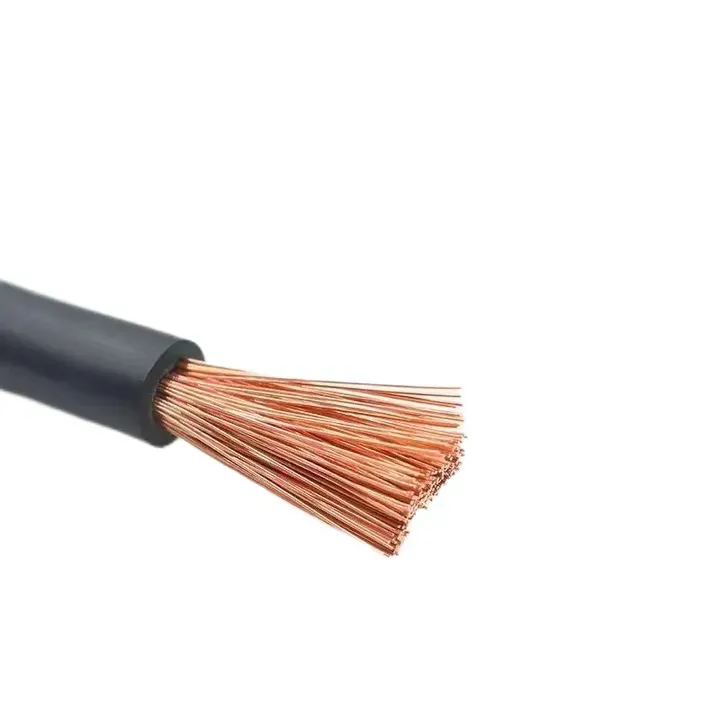
Conductors: High-purity copper (Class 1 or 2 stranded per IEC 60228) is standard for best conductivity. Aluminum conductors are used for cost savings in larger cross-sections.
Insulation:
Sheath: PVC (black or other colors) for UV, oil, and chemical resistance in industrial environments.
Cable cross-sections typically range from 1.5 mm² to 630 mm² (or larger). Current-carrying capacity depends on installation method (air, ground, duct), ambient temperature, grouping, and soil thermal resistivity.
General guidelines (XLPE, 90°C conductor temp):
Selection tips:
Typical uses include:
Installation best practices:
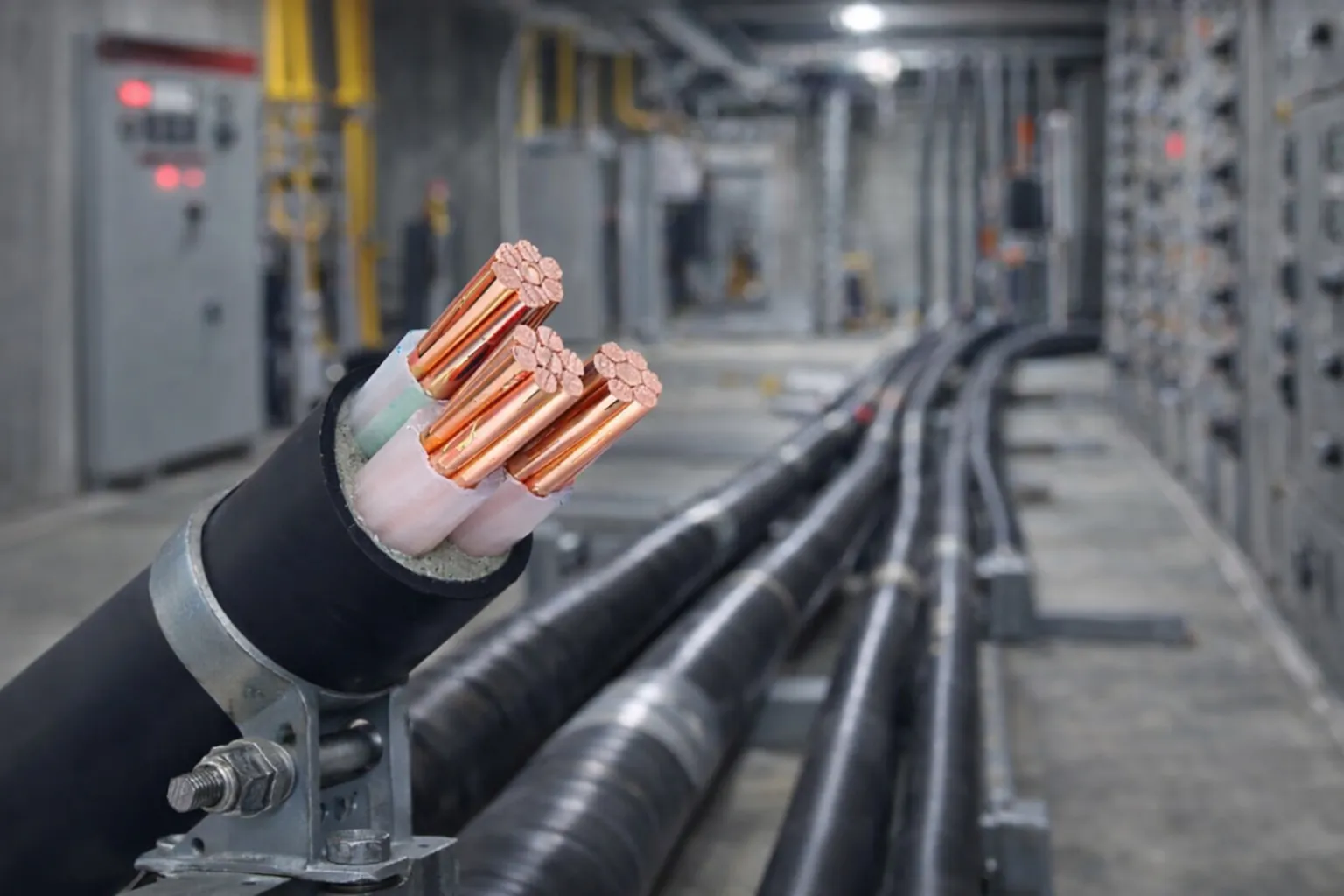
0.6/1kV low voltage power cables are the workhorse of industrial electrical systems, and choosing the right type (especially XLPE insulated copper versions) ensures safety, efficiency, and longevity. For premium, standards-compliant solutions, explore Jianyun Cable's reliable 0.6/1kV CU/XLPE/PVC series, available in unarmored and armored configurations for diverse industrial needs. These cables are manufactured to IEC 60502-1 and offer excellent performance in power distribution, machinery, and heavy-duty applications.
View full specifications and get a quote for our 0.6/1kV CU/XLPE/PVC low voltage power cables here: https://www.jianyuncable.com/low-voltage-power-cable/0.6-1kv-cable.html
Contact our team for custom configurations, technical support, or bulk project pricing.
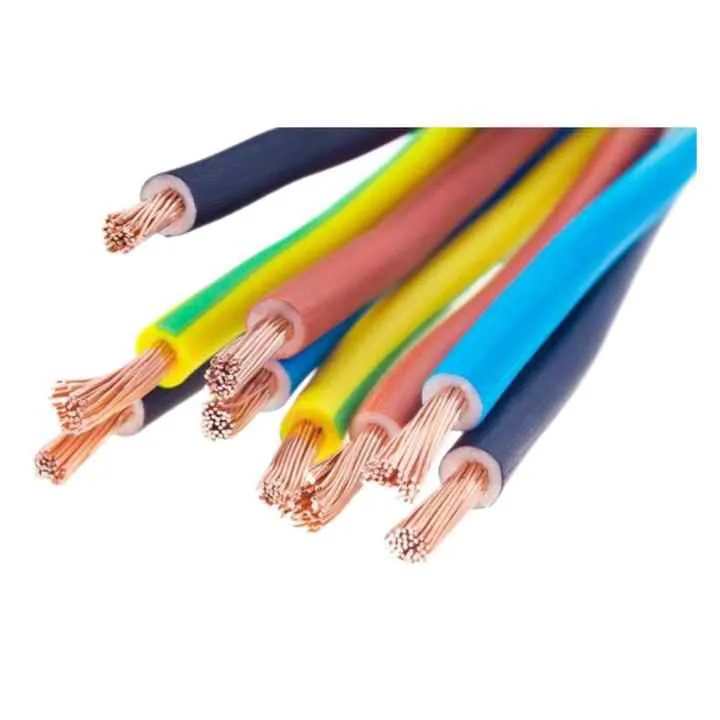
Flexible copper electrical wire with stranded copper conductor, PVC insulation a
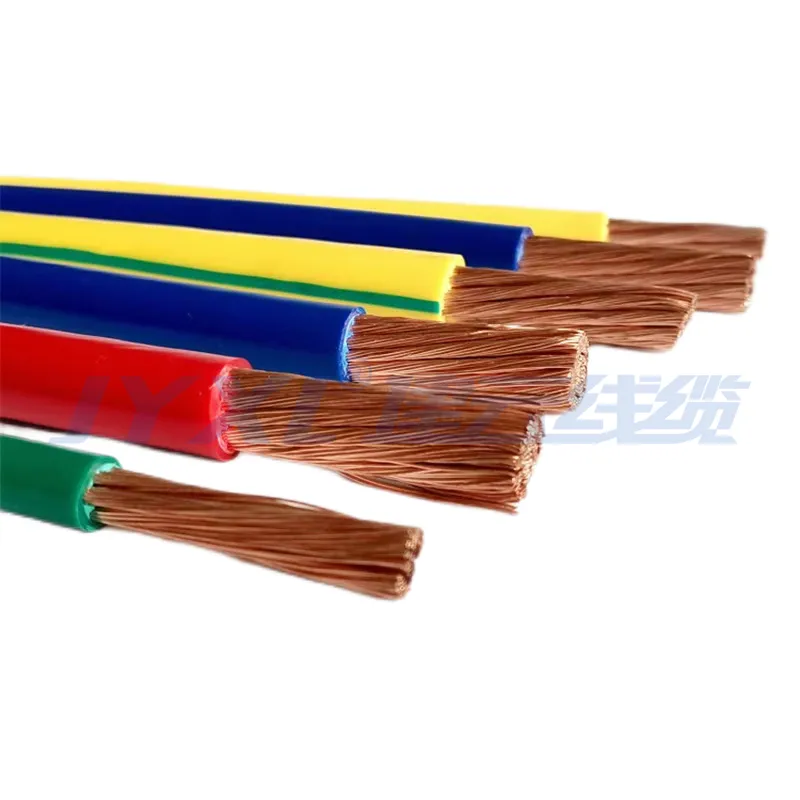
H07V-K flexible electrical wire with 1.5mm² and 2.5mm² stranded copper conductor
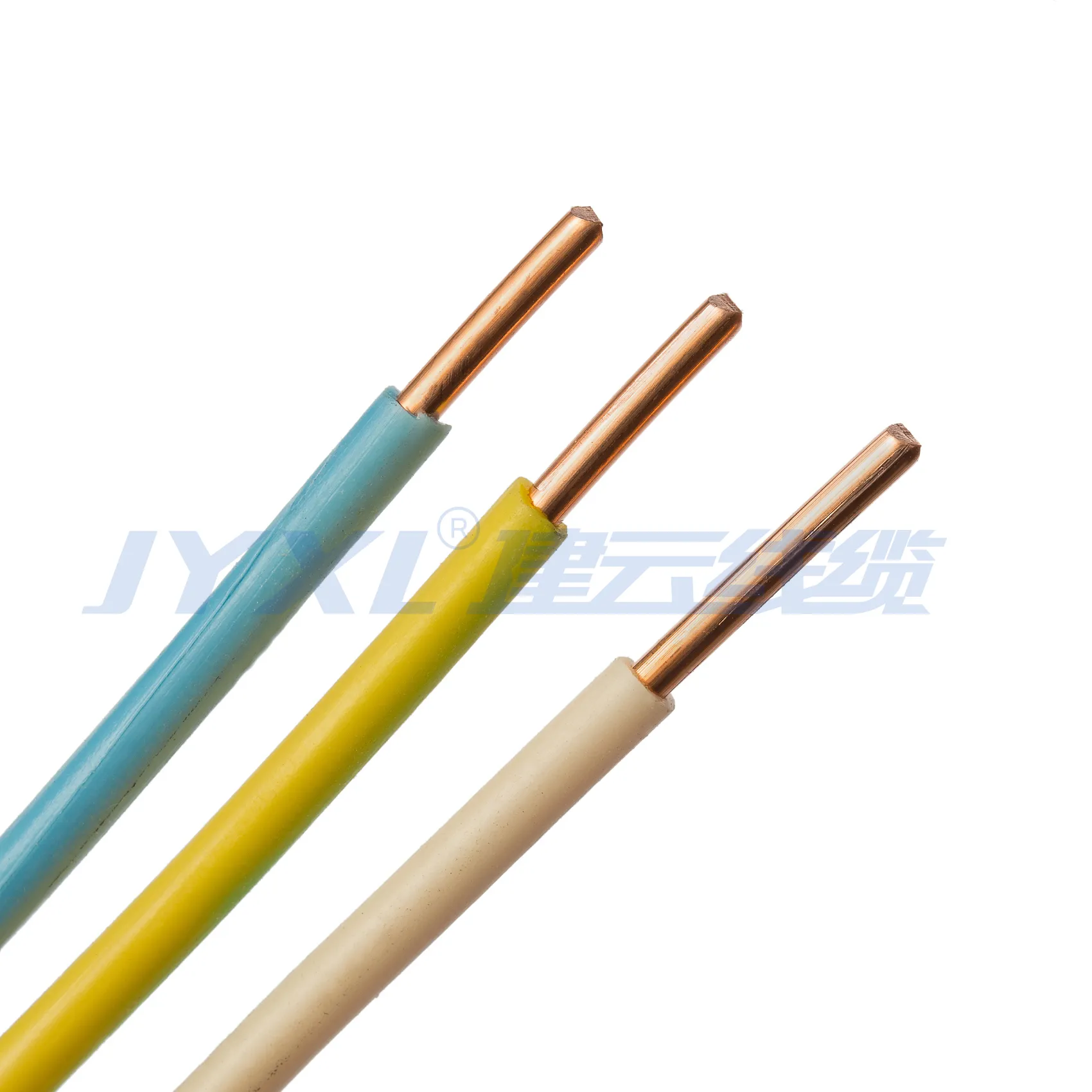
Jianyun H07V-U Solid Copper PVC Wire is a single core rigid electrical wire manu
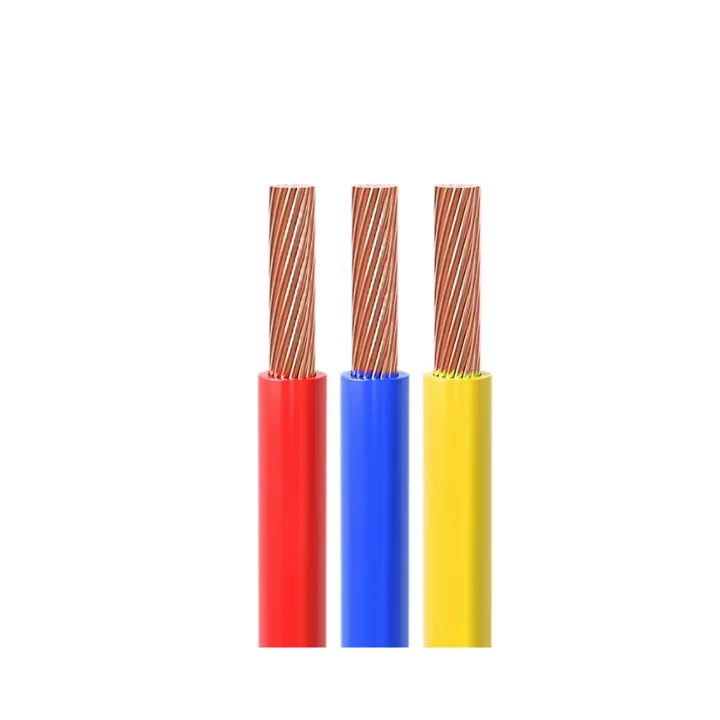
CE Certification 450/750v H07VVF Flexible Copper PVC Insulated Ac Cable 3*2.5 Mm