Keep up to date with our latest company news and relevant industry knowledge.
Time: 2026-01-19 08:16:47 Source: Henan Province Jianyun Cable Co., Ltd.
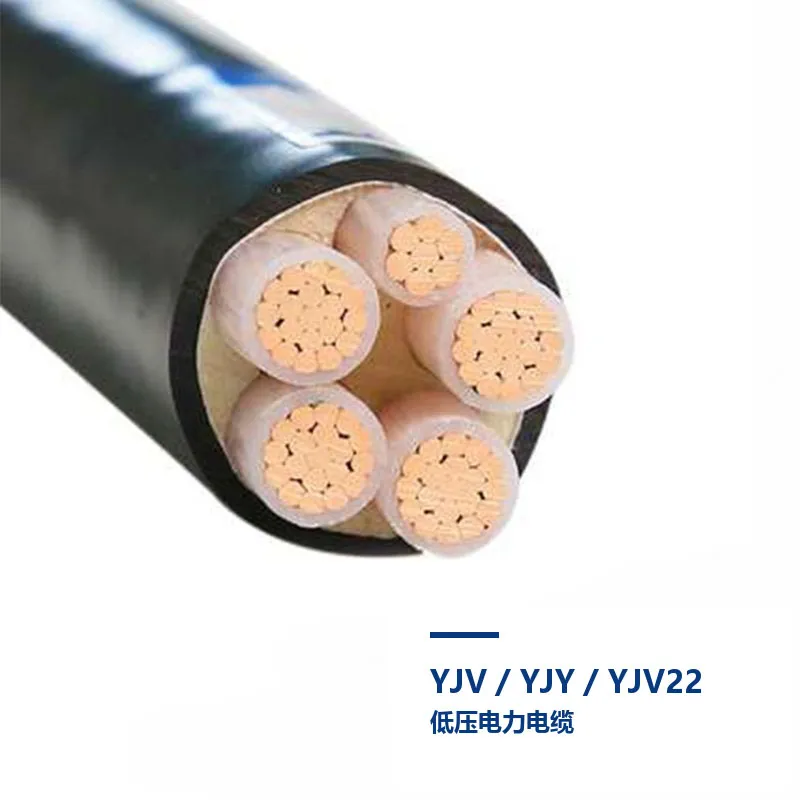
Low voltage power cables (typically 0.6/1 kV or 1.8/3 kV) are the workhorses of modern electrical distribution – carrying power safely and efficiently from transformers and main panels to buildings, factories, infrastructure, and final loads. Choosing the right low voltage cable directly affects system reliability, safety, energy efficiency, and total project cost over 20–40 years.
This comprehensive 2025 guide covers everything you need to know about low voltage power cables – from construction and materials to standards, applications, and how to identify a truly reliable low voltage cable manufacturer.
Low voltage (LV) power cables operate at rated voltages ≤ 1 kV (most commonly 0.6/1 kV). They are designed for power distribution in:
| Type | Construction | Best Applications | Typical Max Temp |
|---|---|---|---|
| PVC Insulated LV Cable | PVC insulation + PVC sheath | Indoor dry locations, cost-sensitive projects | 70°C continuous |
| XLPE Insulated LV Cable | XLPE insulation + PVC/LSZH sheath | Underground, higher load, longer life | 90°C continuous |
| Armored LV Cable (SWA/AWA) | XLPE/PVC + steel wire/aluminum armor | Direct burial, mechanical protection | 90°C |
| LSZH / LSOH LV Cable | XLPE + low smoke zero halogen sheath | Tunnels, hospitals, high-rise buildings | 90°C |
| Fire-Resistant LV Cable | Mica tape + XLPE + LSZH | Emergency circuits, escape routes | 90°C (750°C–950°C circuit integrity) |
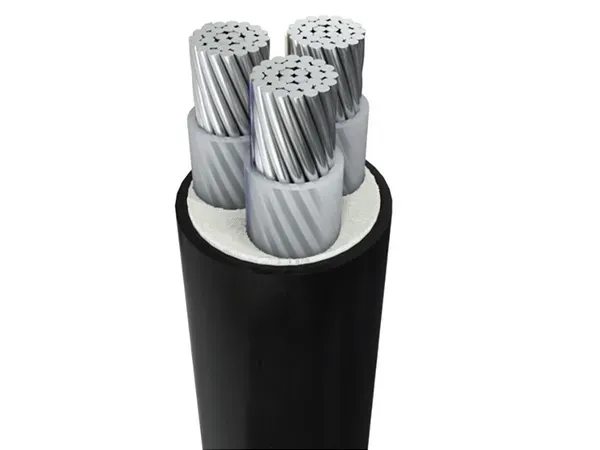
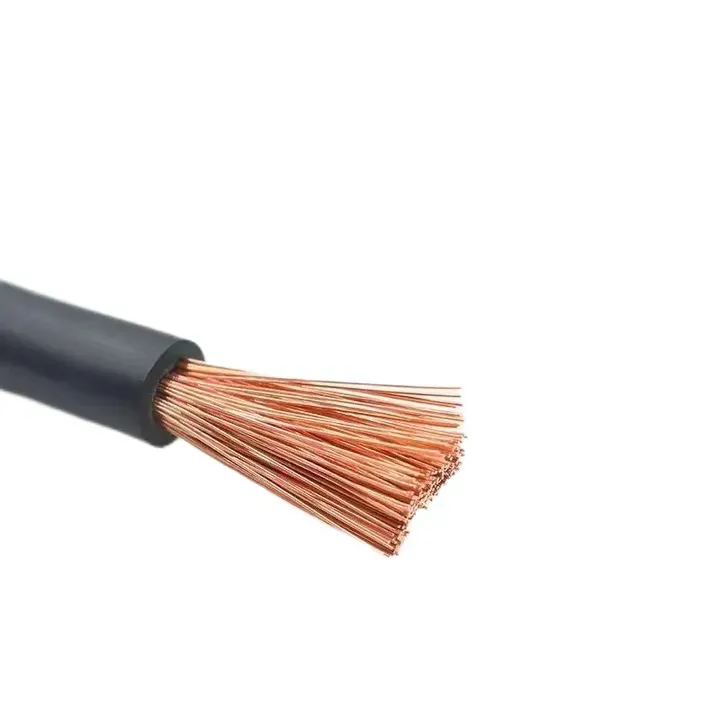
Conductor: Class 1 (solid), Class 2 (stranded), Class 5 (flexible) copper or aluminum. Tinned copper for corrosive environments.
Insulation: PVC (70°C) or XLPE (90°C) – XLPE offers higher ampacity, better short-circuit withstand, and longer life.
Bedding: PVC or LSOH – protects inner layers.
Armour: Galvanized steel wire (SWA) or aluminum wire (AWA) – essential for direct burial.
Outer Sheath: PVC, PE, LSOH – UV resistant for outdoor use.
| Application | Recommended Type | Typical Size Range | Key Requirement |
|---|---|---|---|
| Residential & Commercial Buildings | XLPE/PVC or LSZH | 1.5–300 mm² | LSZH in public areas |
| Underground Distribution | XLPE/SWA/PVC | 16–400 mm² | Direct burial armor |
| Industrial Plants | XLPE/LSZH or XLPE/SWA | 4–630 mm² | Oil/chemical resistance |
| Solar Farms (DC side) | XLPE/LSZH double insulated | 4–35 mm² | UV & weather resistance |
| Fire Safety Critical | Mica + XLPE + LSZH | 1.5–120 mm² | 90 min circuit integrity |
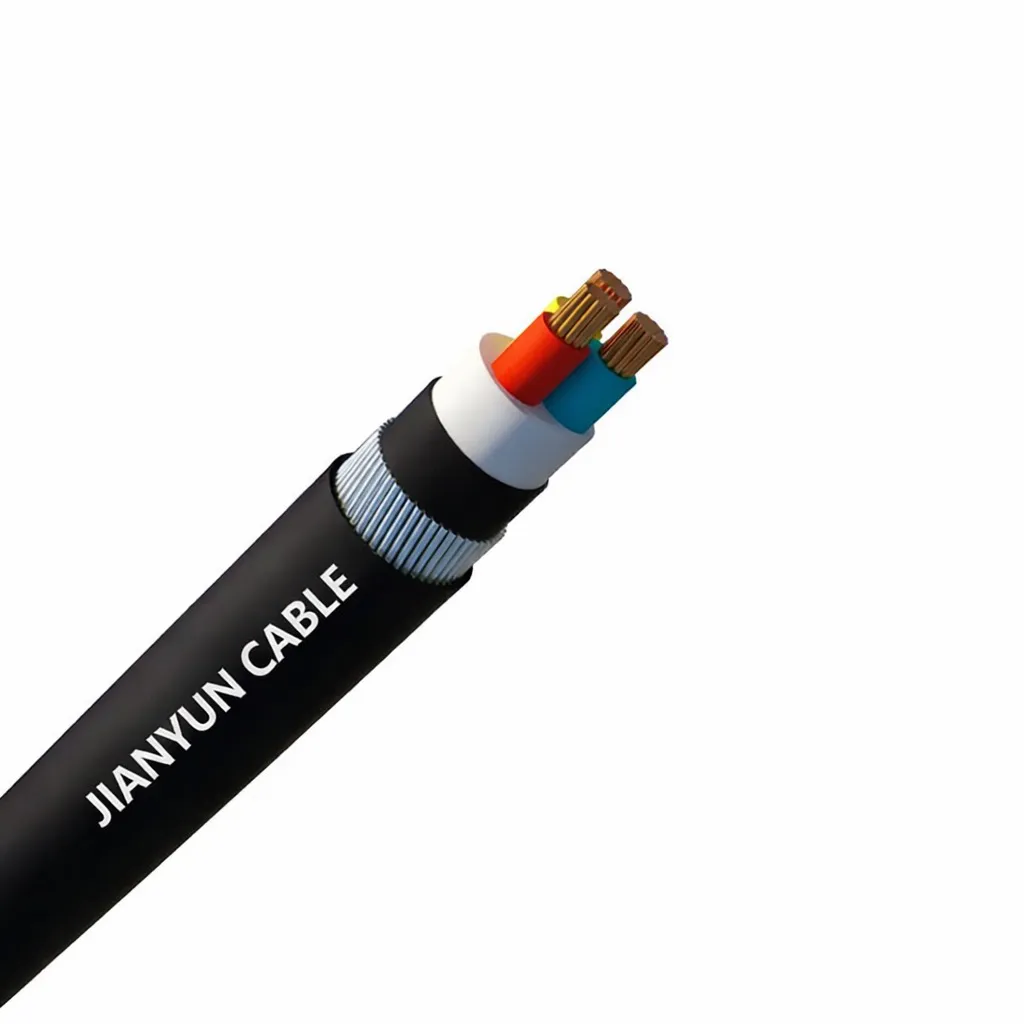
Low voltage power cables are the silent backbone of every electrical project – choosing the right type and supplier ensures decades of safe, efficient power distribution.
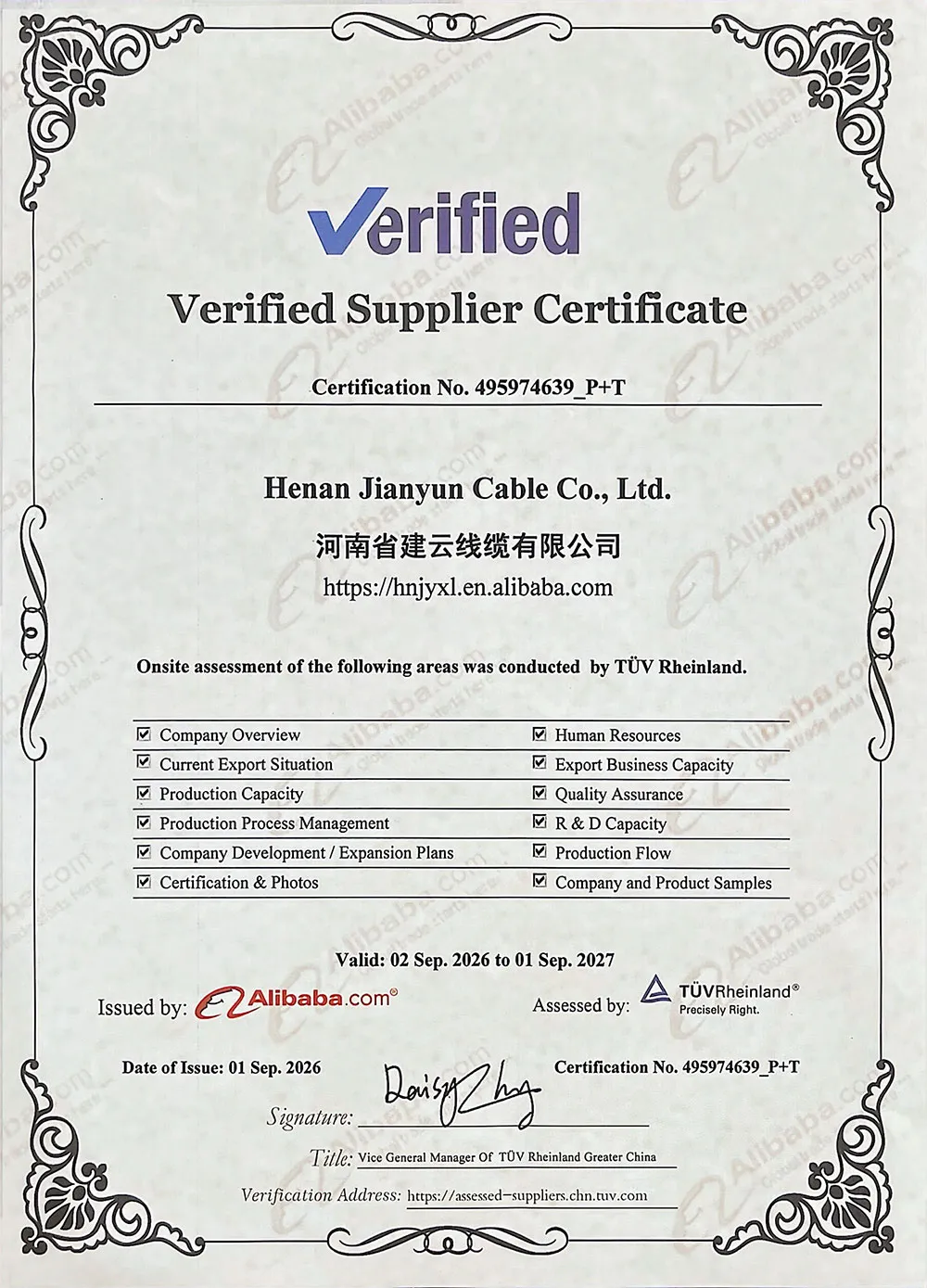
For high-performance 0.6/1 kV low voltage power cables – XLPE, PVC, armored, LSZH, fire-resistant – with full international compliance, strict quality control, and excellent export support, contact Henan Province Jianyun Cable Co., Ltd. – your trusted partner for reliable LV power solutions.
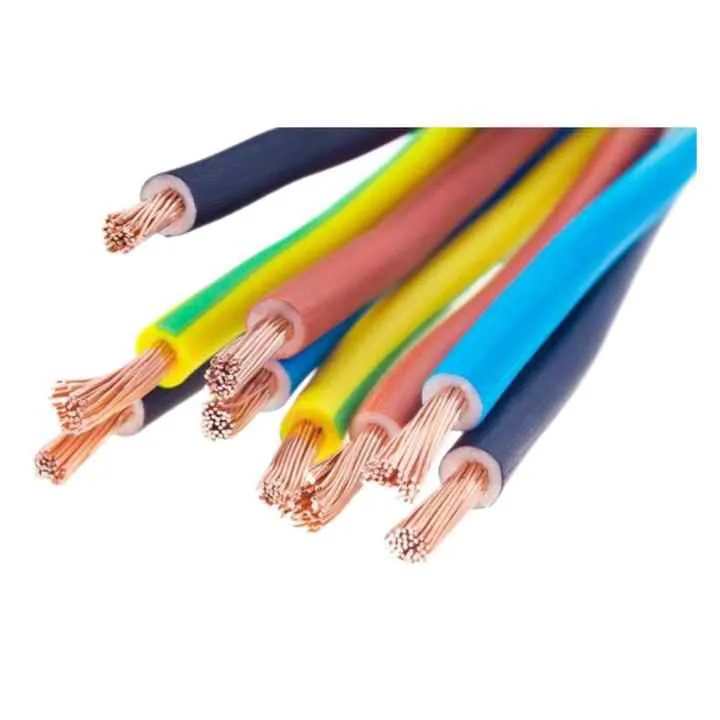
Flexible copper electrical wire with stranded copper conductor, PVC insulation a
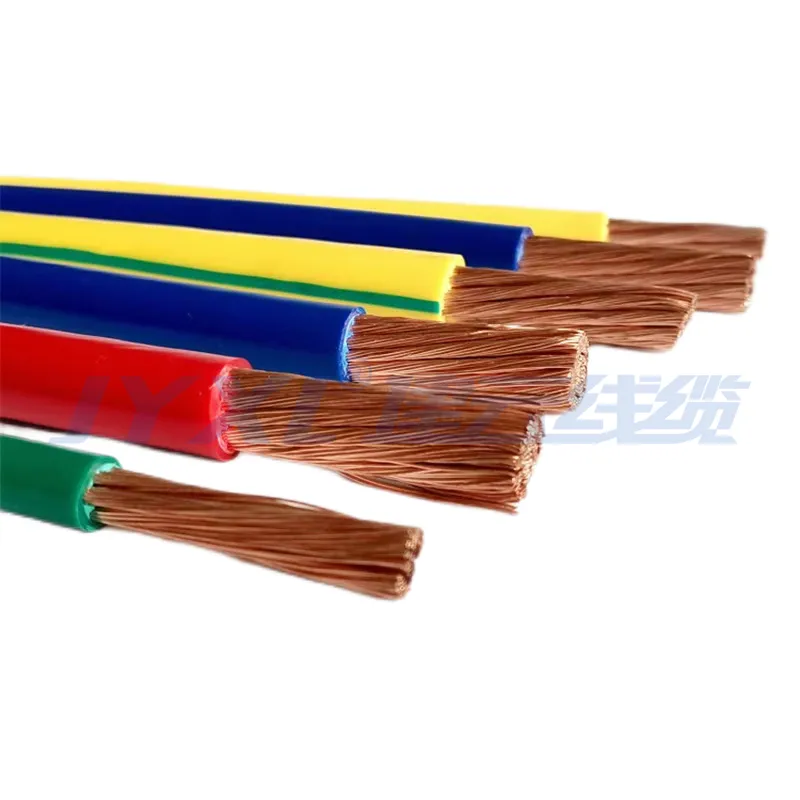
H07V-K flexible electrical wire with 1.5mm² and 2.5mm² stranded copper conductor
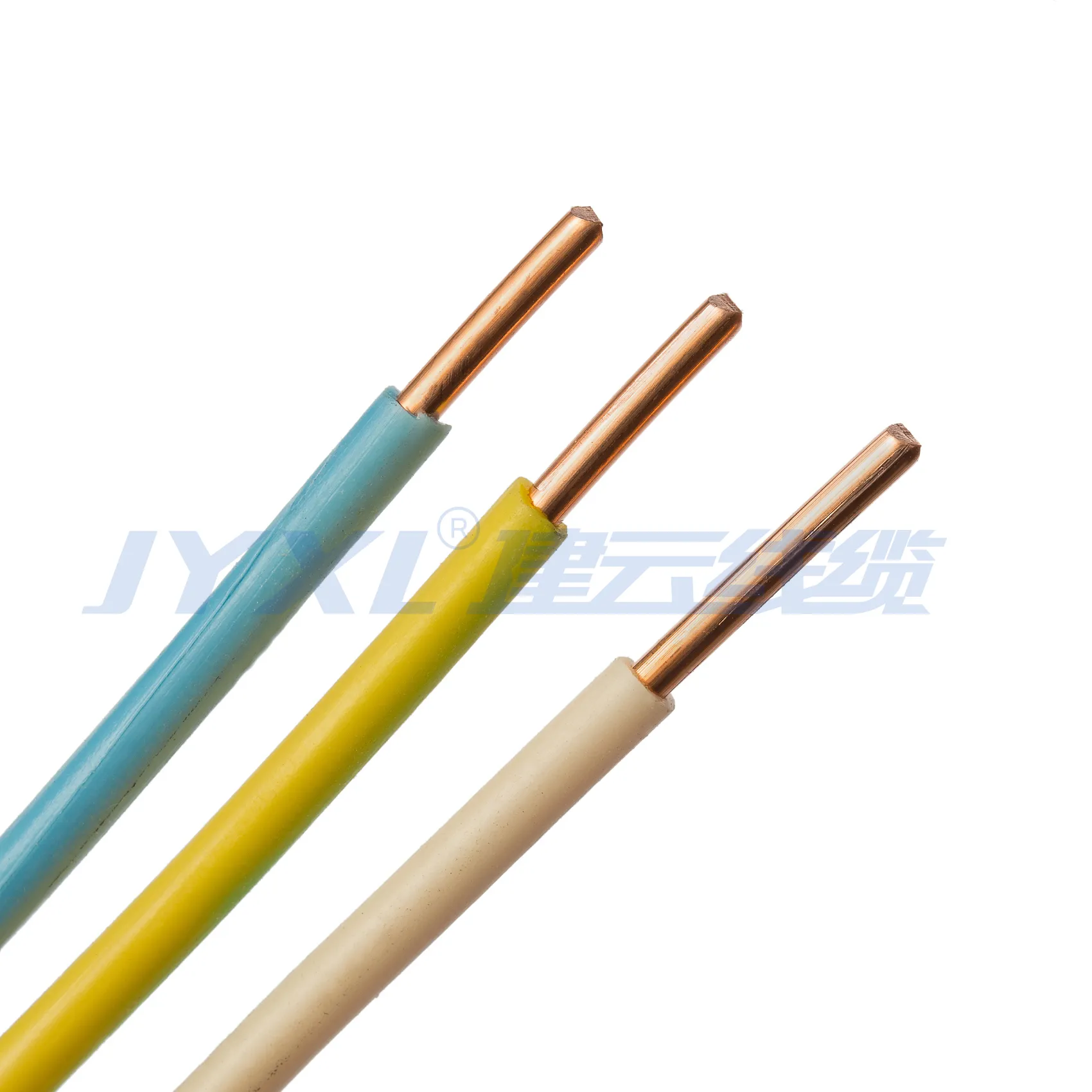
Jianyun H07V-U Solid Copper PVC Wire is a single core rigid electrical wire manu
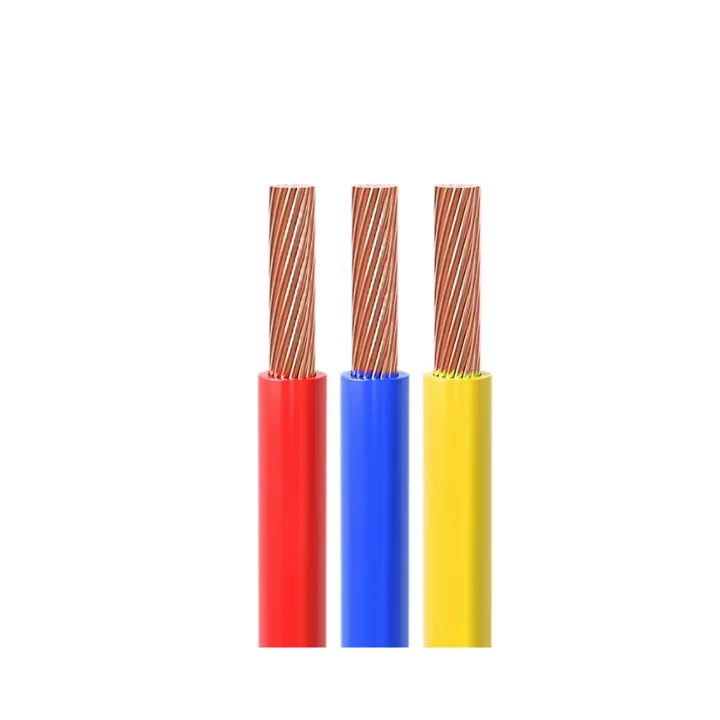
CE Certification 450/750v H07VVF Flexible Copper PVC Insulated Ac Cable 3*2.5 Mm