Keep up to date with our latest company news and relevant industry knowledge.
Time: 2026-01-19 02:51:22 Source: Henan Province Jianyun Cable Co., Ltd.
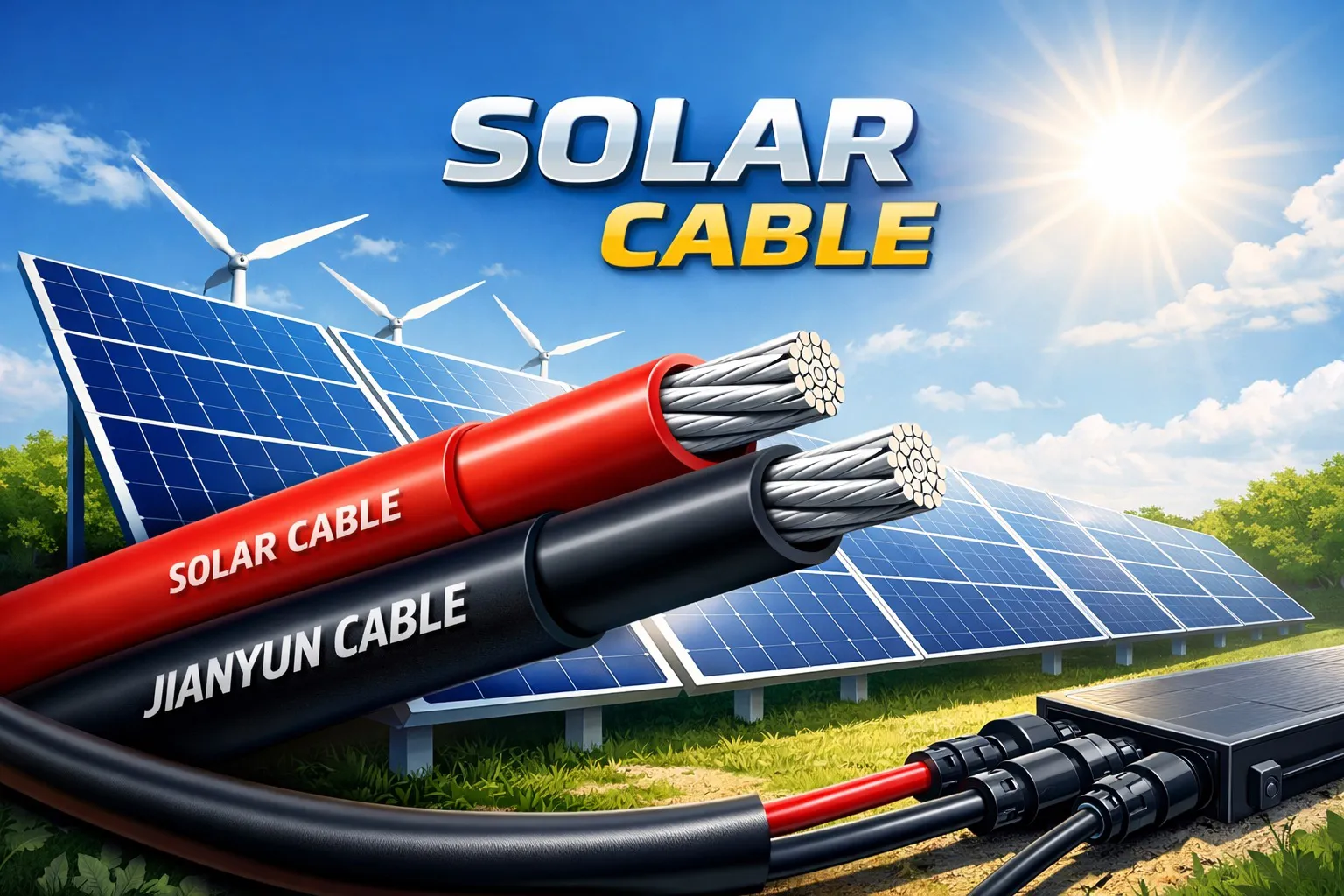
In the booming solar energy industry, the cable that connects PV modules to inverters, combiner boxes, and the grid is far more than just a conductor. A high-quality solar cable directly impacts system efficiency, long-term reliability, safety, and return on investment. Poor solar cables can cause power loss, premature degradation, fires, or complete system failure after just a few years of UV, heat, and weather exposure.
This 2025 guide explains exactly what makes a solar cable truly high-quality – from materials and construction to certifications and factory-level quality control – so you can confidently choose the right product and supplier.
Ordinary electrical cables are not designed to survive 25–30 years outdoors under constant UV radiation, extreme temperature cycling (-40°C to +120°C on the module surface), ozone, humidity, and occasional mechanical stress. High-quality solar cables must meet stringent requirements defined in EN 50618 (Europe), UL 4703 (North America), and IEC 62930 to guarantee:
| Feature | Requirement for High Quality | Why It Matters |
|---|---|---|
| UV & Weather Resistance | ≥7200 h Xenon arc test (EN 50618) | Prevents sheath cracking & degradation |
| High Temperature Resistance | 120°C continuous (black surface), 180°C short-circuit | Module backside can reach 100–110°C |
| Low Smoke Zero Halogen (LSZH) | Halogen-free, low smoke, low toxicity | Critical for safety in fire situations |
| Flame Retardant | Self-extinguishing, VW-1 / FT1 | Reduces fire propagation risk |
| Double Insulation (XLPE/XLPE) | Electron beam cross-linked insulation + sheath | Superior thermal & electrical stability |
Conductor: Tinned copper (Class 5 flexible stranding) – tin coating prevents oxidation in humid environments. Minimum purity 99.99% copper.
Insulation: Cross-linked Polyolefin (XLPO) or Electron Beam XLPE – must withstand 120°C continuous operation without cracking or melting.
Sheath: Black UV-stabilized XLPO – must pass 7200 h Xenon test without cracking, chalking, or brittleness. Halogen-free mandatory in most markets.
Top factories conduct these in-house:
Look for these strong indicators in 2025:
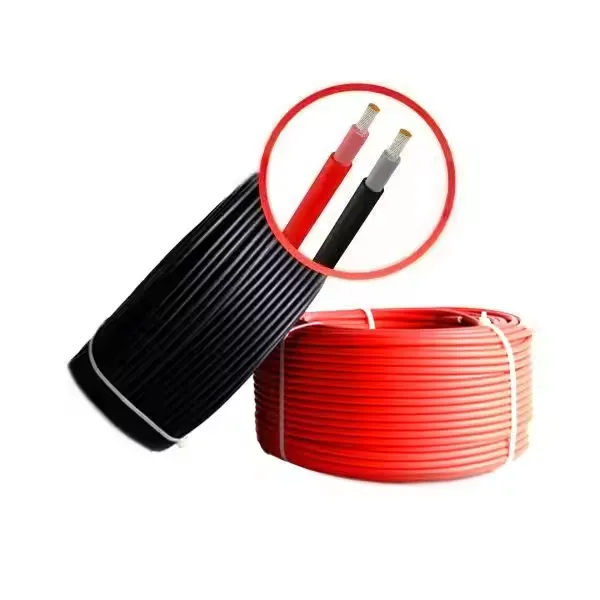
A high-quality solar cable is a long-term investment that protects your PV system performance and safety for 25+ years. Don’t compromise on the cable that carries every watt your panels produce.
Looking for EN 50618-certified, TÜV 2PfG 1169-approved, UV-resistant, high-performance solar cables with full traceability and excellent service? Contact Henan Province Jianyun Cable Co., Ltd. – your reliable partner for quality solar power solutions.
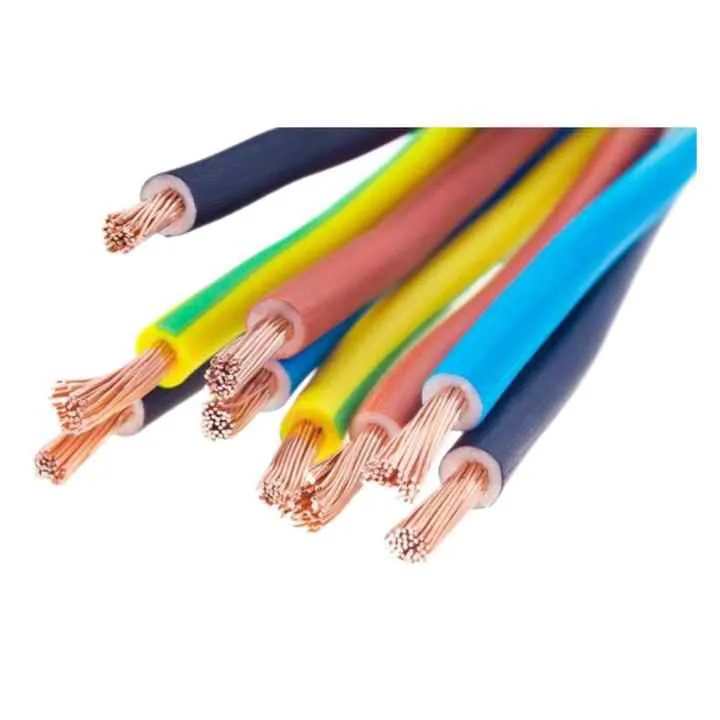
Flexible copper electrical wire with stranded copper conductor, PVC insulation a
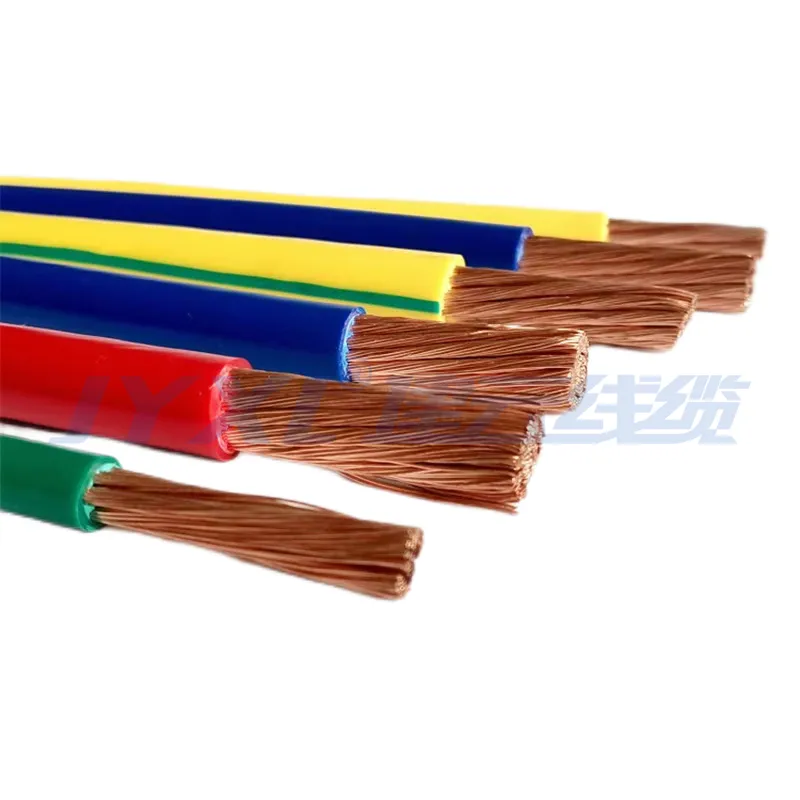
H07V-K flexible electrical wire with 1.5mm² and 2.5mm² stranded copper conductor
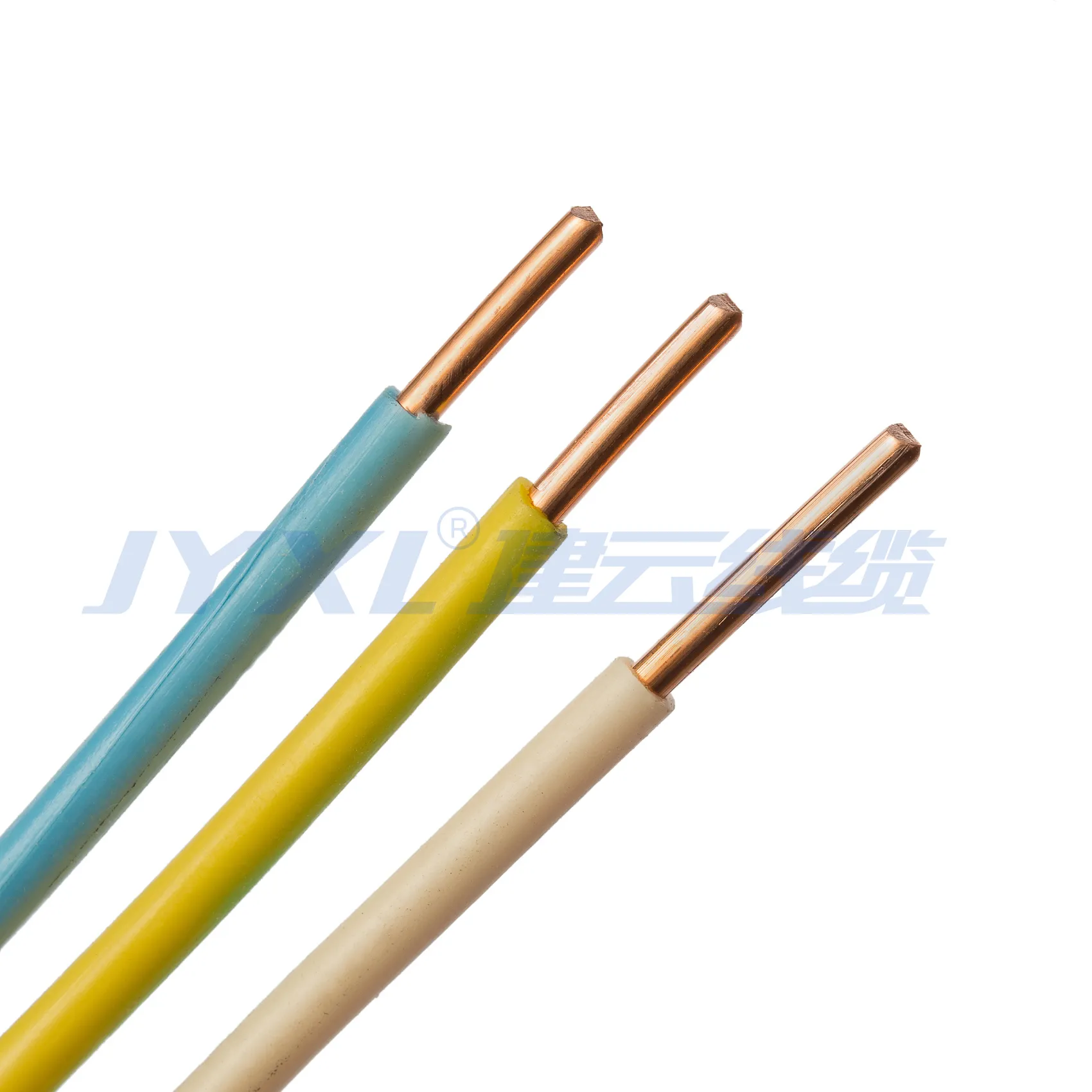
Jianyun H07V-U Solid Copper PVC Wire is a single core rigid electrical wire manu
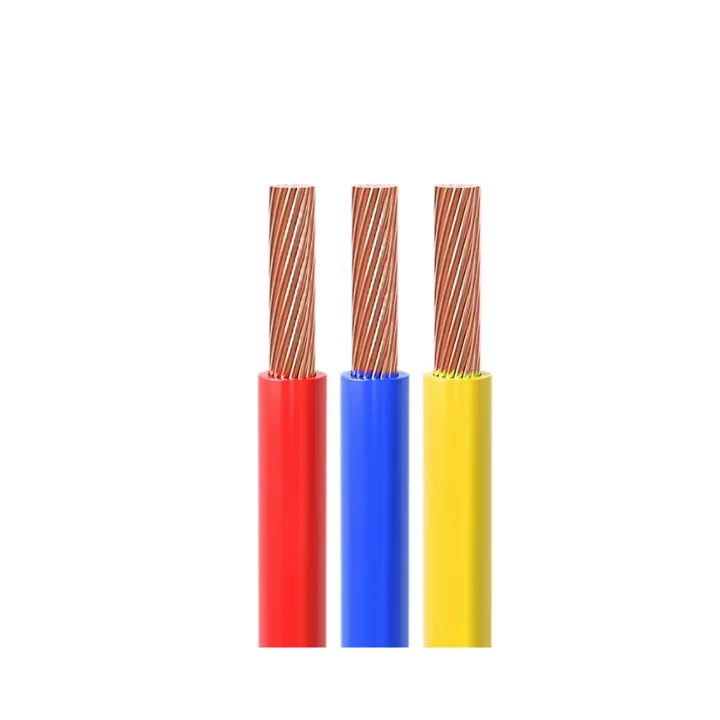
CE Certification 450/750v H07VVF Flexible Copper PVC Insulated Ac Cable 3*2.5 Mm