Keep up to date with our latest company news and relevant industry knowledge.
Time: 2025-11-25 03:16:40 Source: Henan Province Jianyun Cable Co., Ltd.
Electrical installations in Australia and New Zealand are the backbone of safe, reliable power distribution – but they must meet rigorous standards to prevent hazards like fires, shocks, and outages. The AS/NZS 3000:2018 (known as the Wiring Rules), with amendments up to No. 3 (2023) and a key ruling in May 2024, remains the definitive guide as of 2025. This edition emphasizes enhanced safety for emerging tech like EV charging while clarifying installation practices. This article breaks down the hard requirements, helping electricians, builders, and exporters stay compliant in a market worth billions.
AS/NZS 3000:2018 sets minimum requirements for designing, constructing, and verifying low-voltage electrical installations (up to 1000V AC/1500V DC). Divided into Part 1 (essential safety provisions) and Part 2 (deemed-to-comply practices), it's legally mandated across Australia and New Zealand via electrical safety laws. Over 200 changes from the 2007 edition include EV provisions, RCD clarifications, and DC circuit protections. No full 2025 edition yet – focus on amendments for renewables and bushfire resilience.
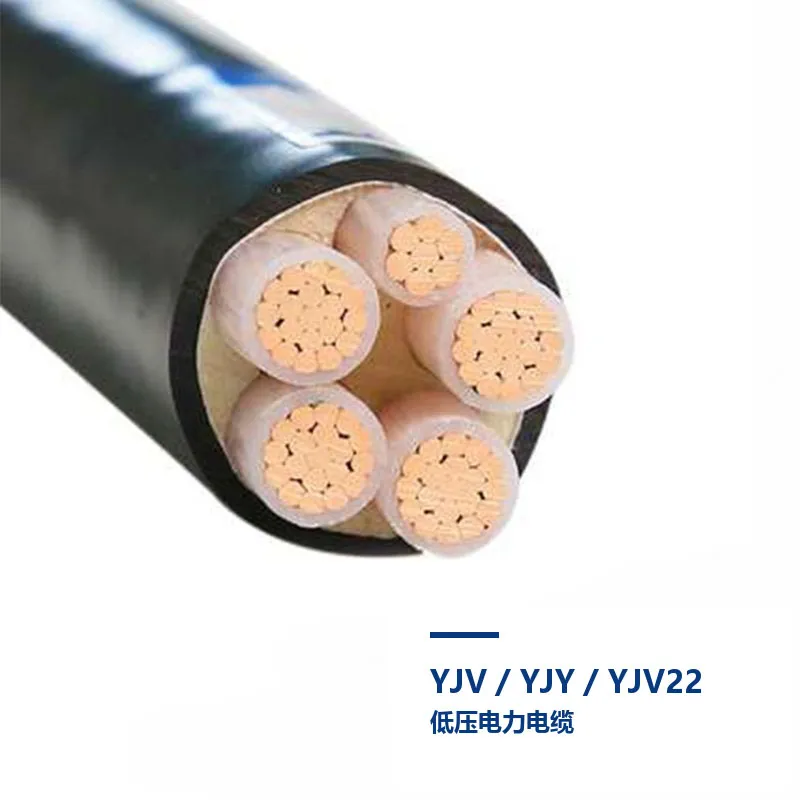
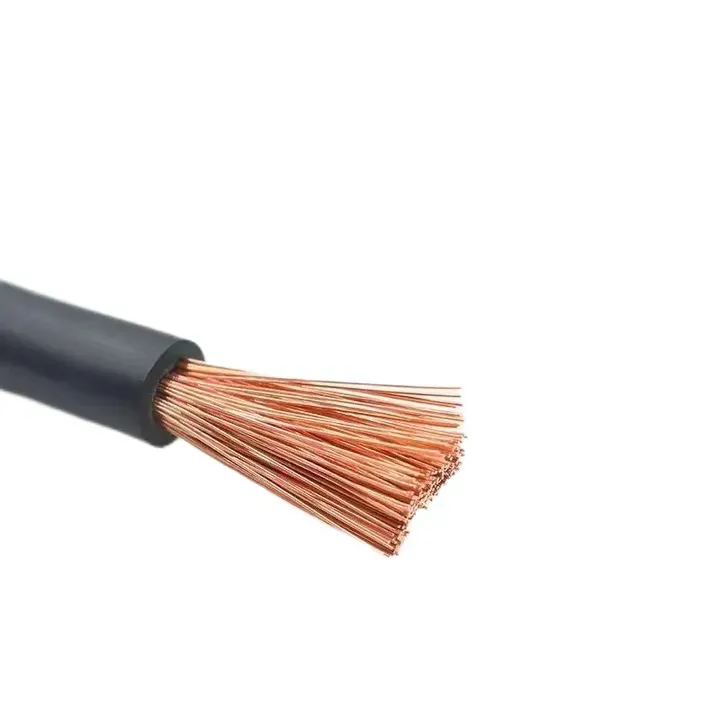
Cable selection follows AS/NZS 3008 series, based on current-carrying capacity, voltage drop (max 5% total), and environmental factors (e.g., ambient 40°C, grouping derating). Use TPS (thermoplastic sheathed) or circular stranded conductors. Minimum sizes: 1.5 mm² for lighting, 2.5 mm² for power. For buried cables, mechanical protection mandatory if <600 mm deep.
data-label="Cable Size">Min 2.5 mm² (copper)| Circuit Type | Cable Size | Current Rating | Protection Device | Typical Use |
|---|---|---|---|---|
| Lighting | 1.5 mm² | 16 A | 10–16 A MCB | Indoor/outdoor lights |
| Power Outlets | 2.5 mm² | 20 A | 20 A MCB | Sockets, appliances |
| Kitchen/High-Load | 4.0 mm² | 32 A | 32 A MCB | Ovens, hotplates |
| EV Charging (Single-Phase) | 6.0 mm² | 32 A | 32 A RCBO | Home chargers |
| Earth (MEN) | N/A | N/A | Multiple Earthed Neutral system |
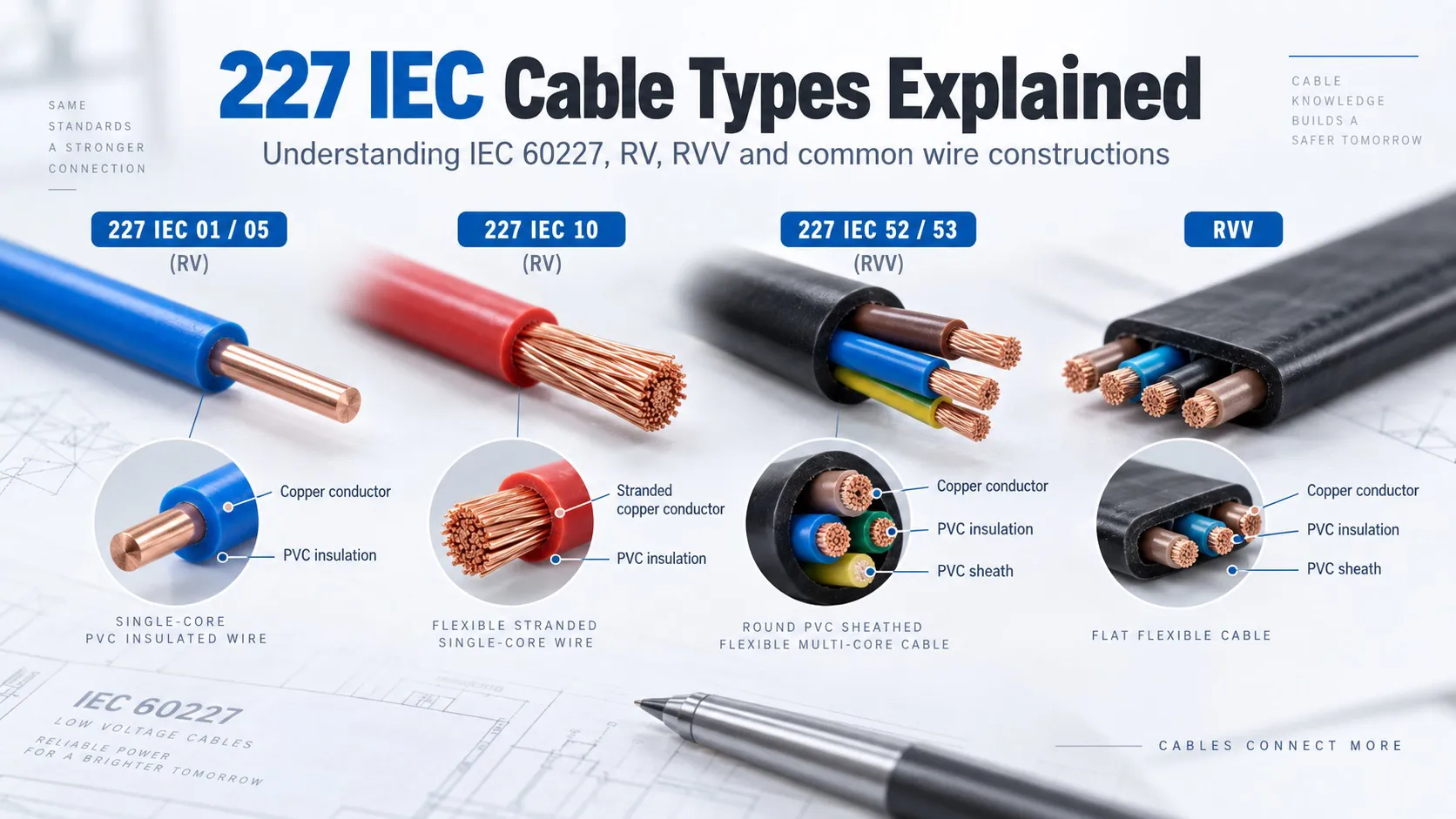
Harmonized with IEC 60446: Active (phase) – brown; Neutral – light blue; Earth – green/yellow. For multi-phase: Brown (L1), black (L2), grey (L3). All cables must be marked at terminations. Legacy red/black systems require labels during modifications to avoid faults.
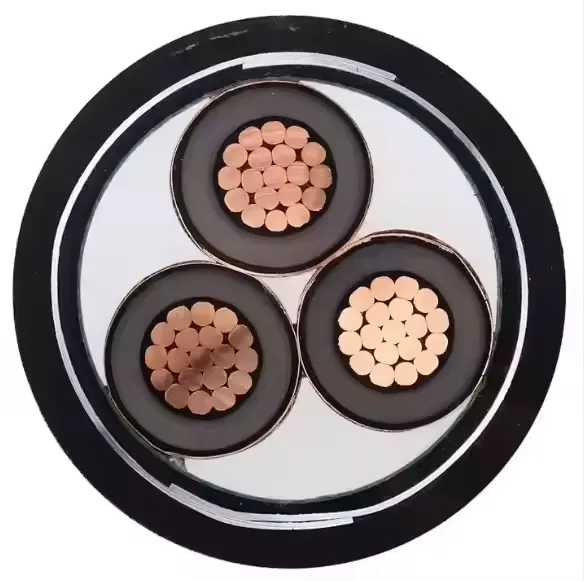
Section 3 mandates radial circuits (no rings), with cables in conduits or enclosures for protection. Key hard rules: Cables in walls <50 mm deep need steel plates; roof spaces require covers if walkable. Separation from gas/water pipes: Min 300 mm. For aerial wiring, UV-resistant TPS mandatory. 2025 emphasis: Bushfire-prone areas demand enhanced mechanical protection per Clause 3.9.3.
All final sub-circuits must have 30 mA RCDs (Clause 2.6.3.2). Testing: Push-button monthly, full verification every 6 months. RCBOs preferred for selectivity. Overcurrent: MCBs/fuses per AS/NZS 60898. EFLI (earth fault-loop impedance) testing clarified in amendments – max 0.4 s disconnection time.
Appendix P details EV socket-outlets: Dedicated circuits, IP ratings for outdoors, and signage. Single-phase up to 32 A; three-phase for commercial. Proximity to doors/windows: Min 1 m. DC protection added in amendments for solar-integrated systems.
Cables must meet AS/NZS 5000 for low-smoke zero-halogen (LSZH) in high-risk areas (e.g., hospitals). Clause 2.4 requires fire-rated barriers in escape routes. 2023 Amendment enhances bundle testing for flame propagation. In bushfire zones, aerial bundles with dielectric cores mandatory.
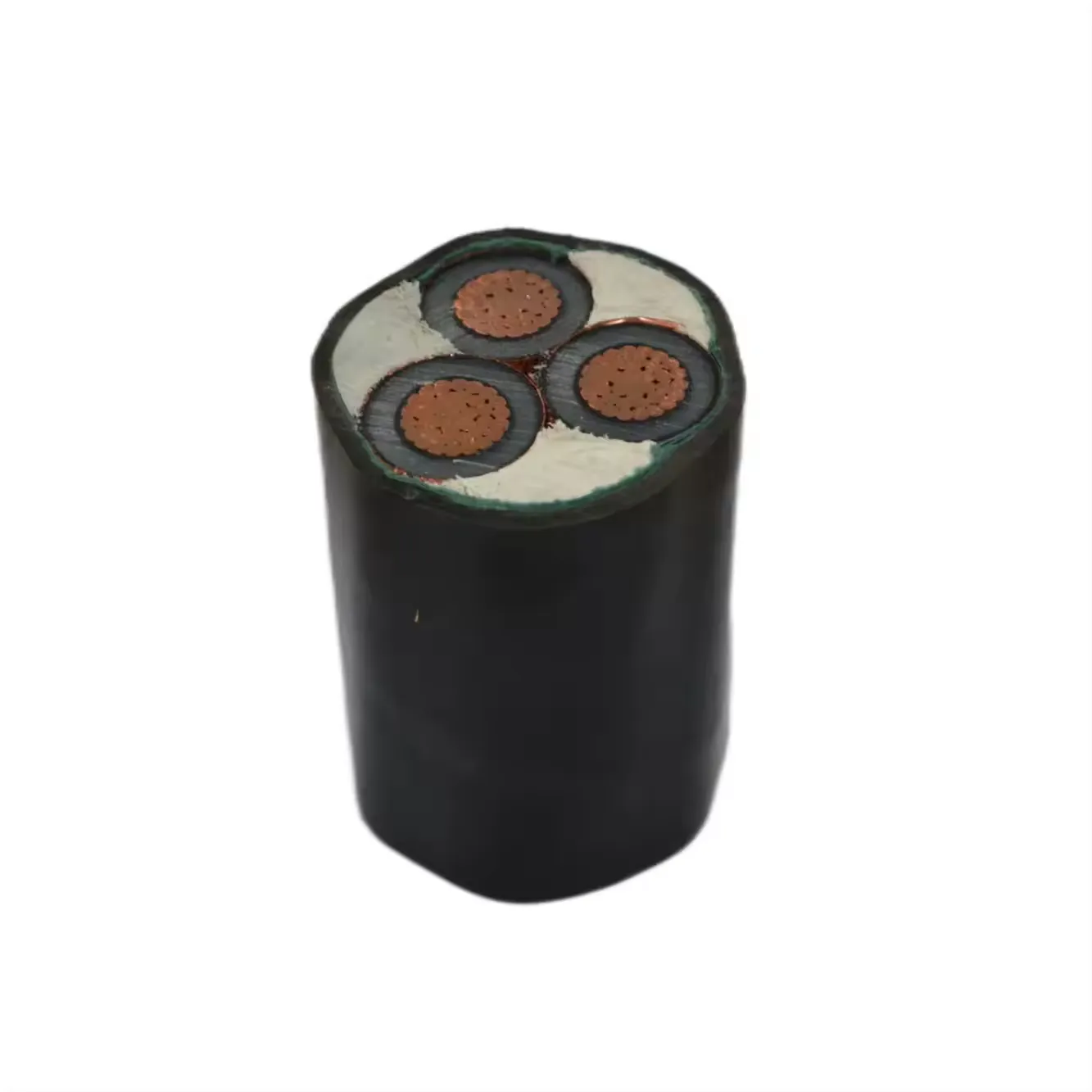
AS/NZS 3000:2018's hard requirements prioritize safety amid Australia's electrification surge – from RCD mandates to EV-ready wiring. Compliance isn't optional; it's essential for liability protection and market access in the AU/NZ $20B+ sector. Stay updated via Standards Australia for seamless projects.
Seeking AS/NZS 3000-compliant cables? Contact Henan Province Jianyun Cable Co., Ltd. for tailored solutions and quotes.
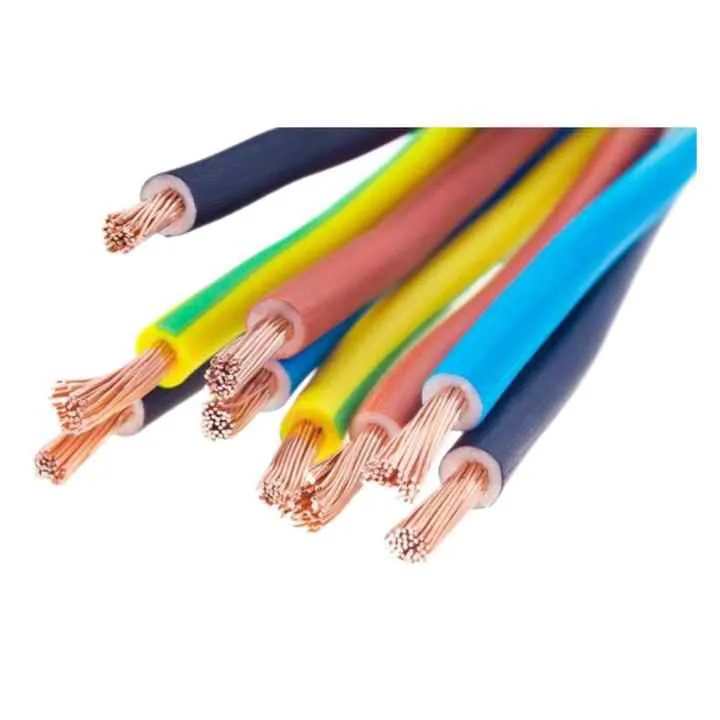
Flexible copper electrical wire with stranded copper conductor, PVC insulation a
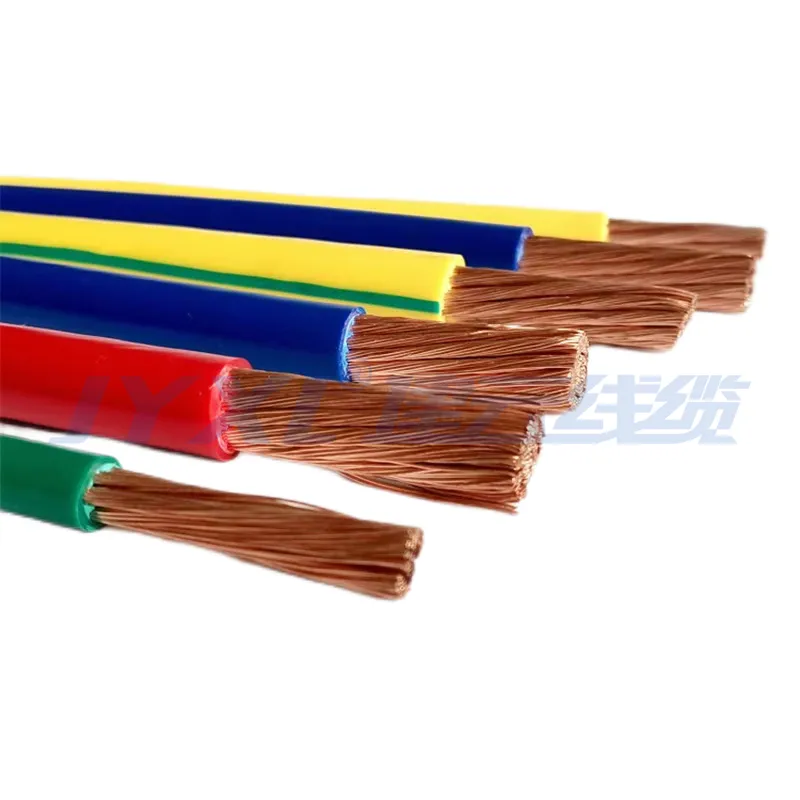
H07V-K flexible electrical wire with 1.5mm² and 2.5mm² stranded copper conductor
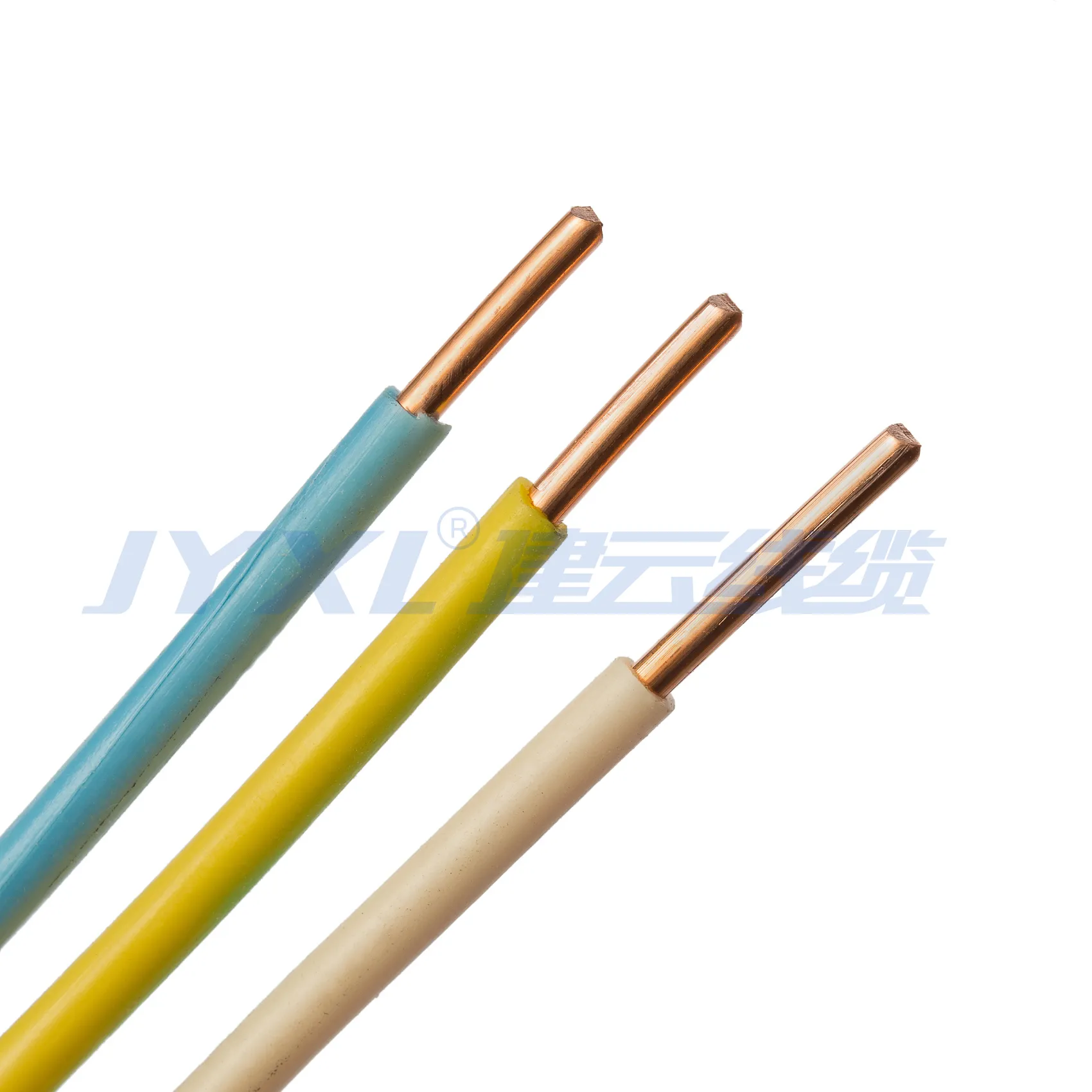
Jianyun H07V-U Solid Copper PVC Wire is a single core rigid electrical wire manu
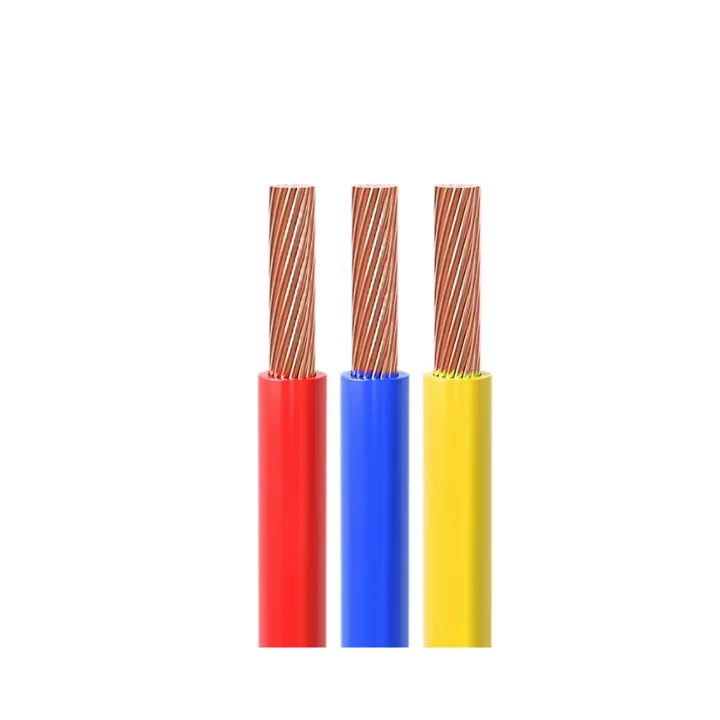
CE Certification 450/750v H07VVF Flexible Copper PVC Insulated Ac Cable 3*2.5 Mm