Keep up to date with our latest company news and relevant industry knowledge.
Time: 2025-11-26 06:59:45 Source: Henan Province Jianyun Cable Co., Ltd.
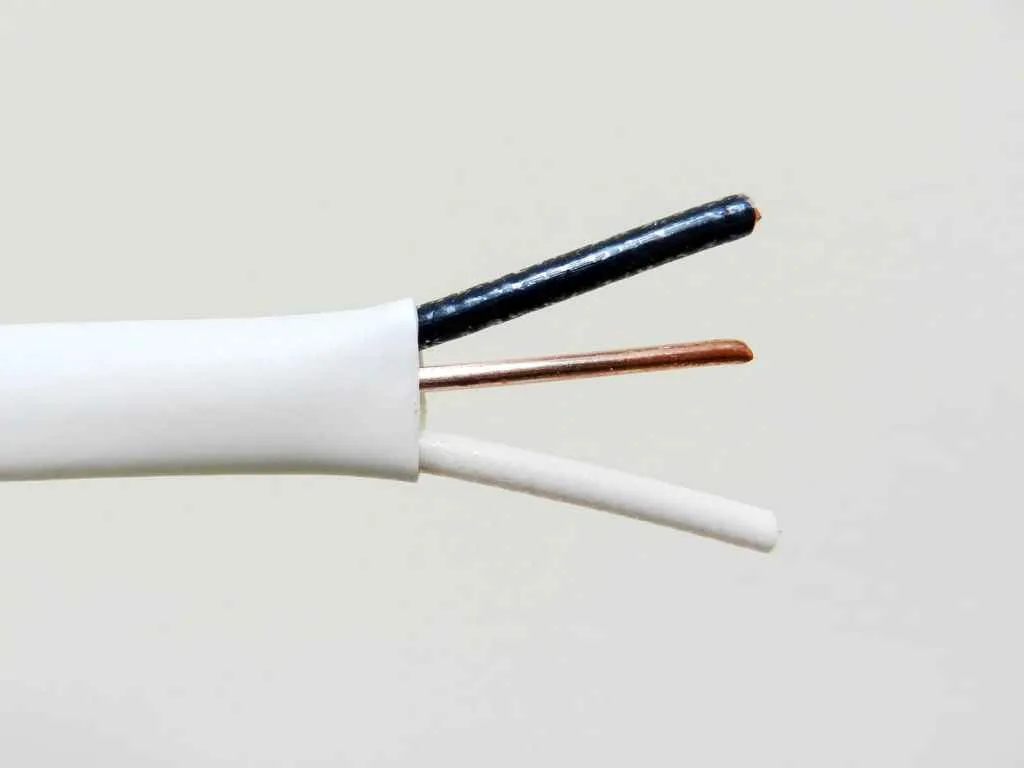
Electrical cables form the vital arteries of any building or infrastructure, and in Canada, they must comply with stringent safety standards to prevent fires, shocks, and failures. The Canadian Electrical Code (CEC), updated to its 26th edition in 2024, governs these installations, while CSA certificationverifies that cables meet rigorous performance criteria. This guide explores CEC essentials and highlights seven key differences with the US National Electrical Code (NEC), helping electricians, engineers, and exporters navigate North American markets effectively.
The CEC (CSA C22.1:24) sets safety rules for low-voltage installations up to 1000V AC or 1500V DC, excluding utilities, vehicles, and railways. Released in March 2024 and adopted variably by provinces (e.g., Ontario effective May 2025), it includes over 200 updates like EV energy management systems (EVEMS), lithium battery allowances in homes, and enhanced pool bonding. Provinces add local amendments for regional needs, such as bushfire resilience in BC.
CSA (Canadian Standards Association) certification, via the CSA mark, confirms cables pass tests for fire resistance (FT1/FT4), insulation integrity, and environmental durability. Mandatory for CEC compliance, it covers construction, performance, and marking per CSA C22.2 standards. Unlike self-declaration, CSA involves lab audits, factory inspections, and ongoing surveillance – reducing fire risks by up to 50%. For cables, it ensures compatibility with harsh Canadian climates (-40°C to industrial heat). CSA is also NRTL-recognized in the US, bridging markets.
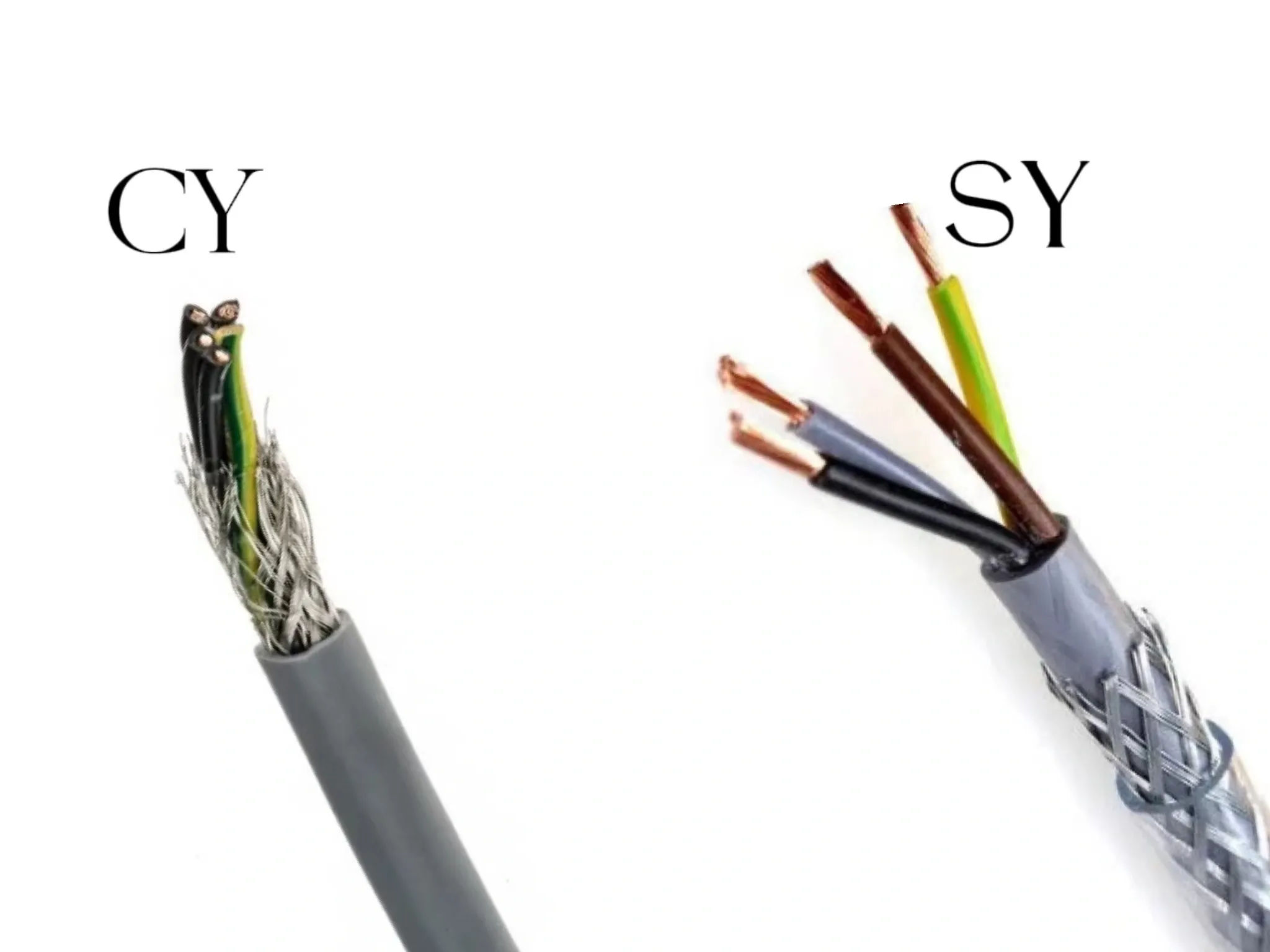
CEC Section 4 mandates sizing based on ampacity tables (AS/NZS 3008 equivalent), voltage drop (max 5%), and derating for temperature/grouping. Use copper or aluminum conductors; minimum 1.5 mm² for lighting. 2024 updates clarify EV circuits and high-voltage DC (up to 1500V).
| Circuit Type | Cable Size (Copper) | Ampacity | Breaker Rating | Typical Use |
|---|---|---|---|---|
| Lighting | 14 AWG (2.08 mm²) | 15 A | 15 A | Indoor lights |
| General Outlets | 12 AWG (3.31 mm²) | 20 A | 20 A | Sockets, appliances |
| Kitchen/High-Load | 10 AWG (5.26 mm²) | 30 A | 30 A | Ranges, dryers |
| EV Charging | 6 AWG (13.3 mm²) | 50 A | 40–50 A | Level 2 chargers |
| Grounding (EGC) | Min 14 AWG | N/A | N/A | Equipment protection |
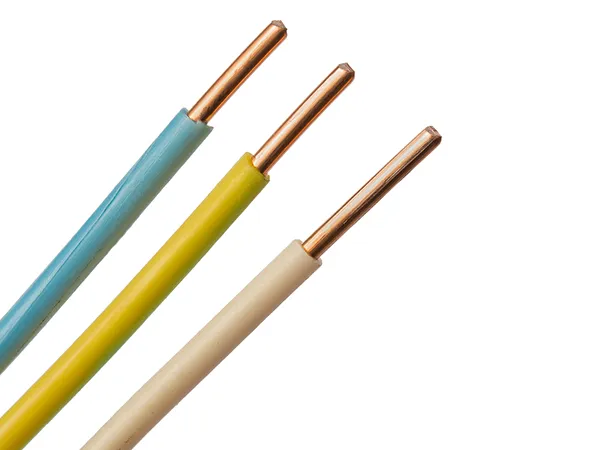
CEC Rule 4-034 aligns with IEC: Brown (phase), light blue (neutral), green/yellow (ground). Multi-phase: Brown (L1), black (L2), grey (L3). Markings required at terminations; legacy red/black systems need labels. This harmonization enhances safety and cross-border compatibility.
Section 12 requires radial circuits, RCDs (30 mA) for all finals, and mechanical protection for buried cables (<600 mm). 2024 adds EVEMS for load exclusion and pool bonding rules. Cables in walls <50 mm deep need guards; separation from pipes is 300 mm minimum.
While CEC and NEC share roots, CEC adapts for Canadian needs. Here's a comparison of seven key distinctions:
| Aspect | CEC (Canada) | NEC (US) |
|---|---|---|
| Hazardous Locations | Mandates Class/Zone system for new installs since 1998 | Allows Class/Division or Zone; Division common |
| Cable in Trays | Requires armored conductors generally | Unarmored allowed with exceptions |
| Grounding Terminology | Identified conductor (neutral); Bonding conductor | Grounded conductor (neutral); Equipment grounding conductor |
| Service Panels | Barrier for service conductors; main disconnect accessible | No barrier required |
| Wire Gauge | kcmil for large sizes | AWG/kcmil; stricter aluminum limits |
| GFCI Requirements | 30 mA RCDs for all socket circuits | GFCIs in wet areas; 2023 expands to more |
| EV Load Calculations | Excludes demand with EVEMS (2024) | Includes full load; managed via Article 625 |
Canada's CEC and CSA certification prioritize safety in diverse climates, differing from NEC in zoning, armoring, and EV rules. Understanding these ensures seamless projects across borders. For the $50B+ North American market, compliance is non-negotiable.
Need CSA-certified cables for CEC projects? Contact Henan Province Jianyun Cable Co., Ltd. for compliant solutions and quotes.
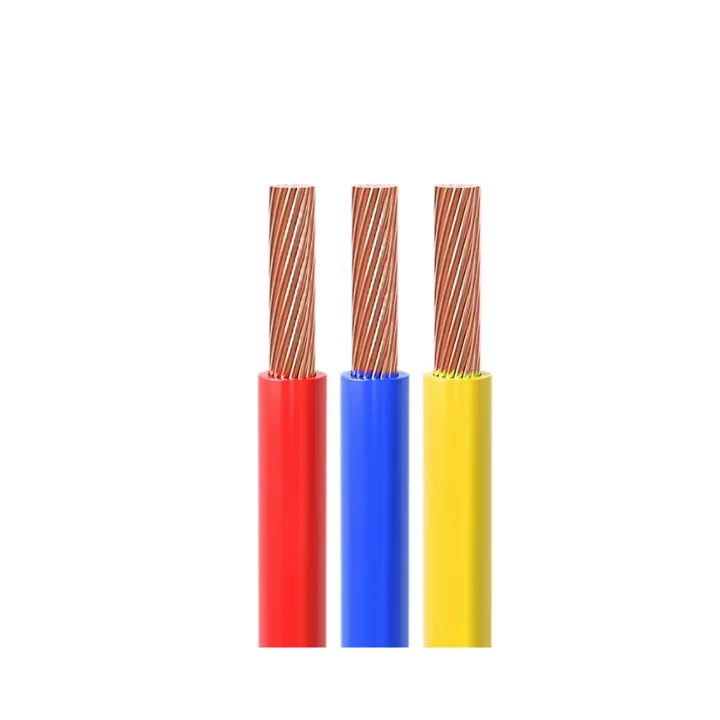
CE Certification 450/750v H07VVF Flexible Copper PVC Insulated Ac Cable 3*2.5 Mm
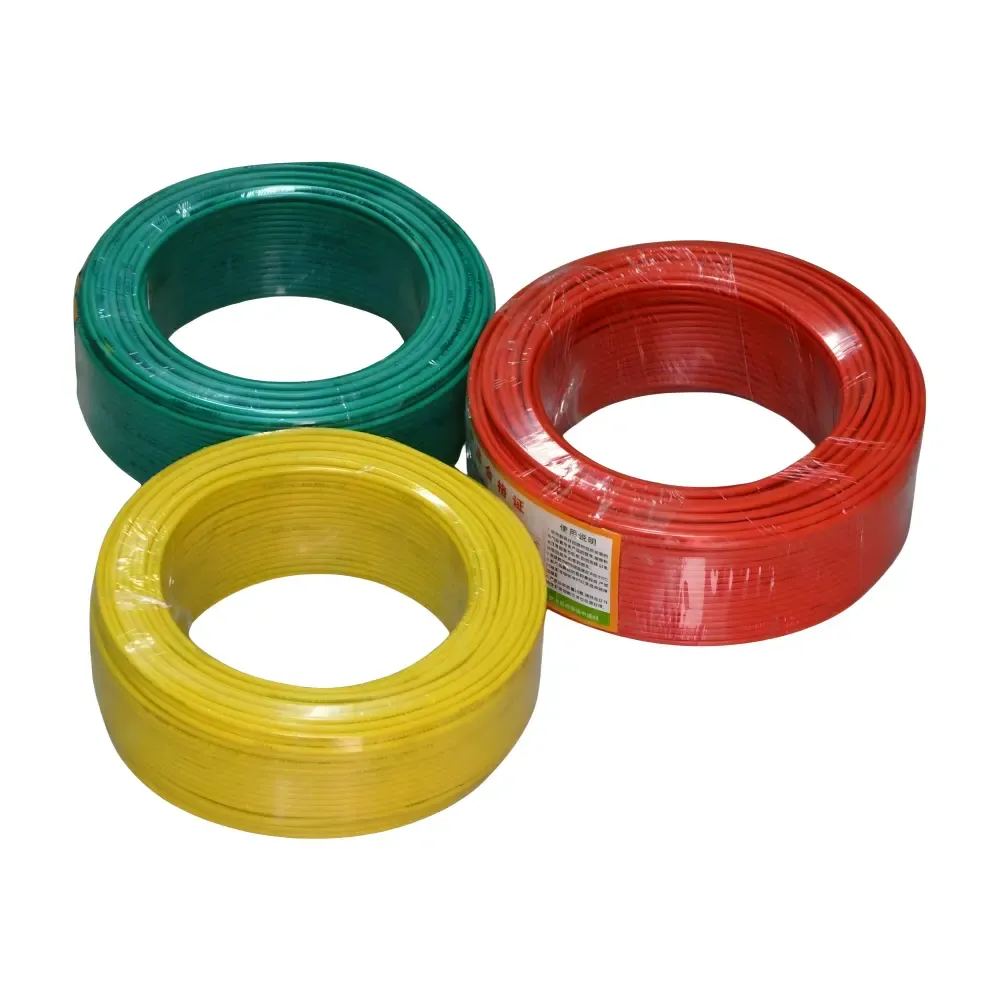
low voltage copper conductor PVC insulation underground BV BVR cable for industr
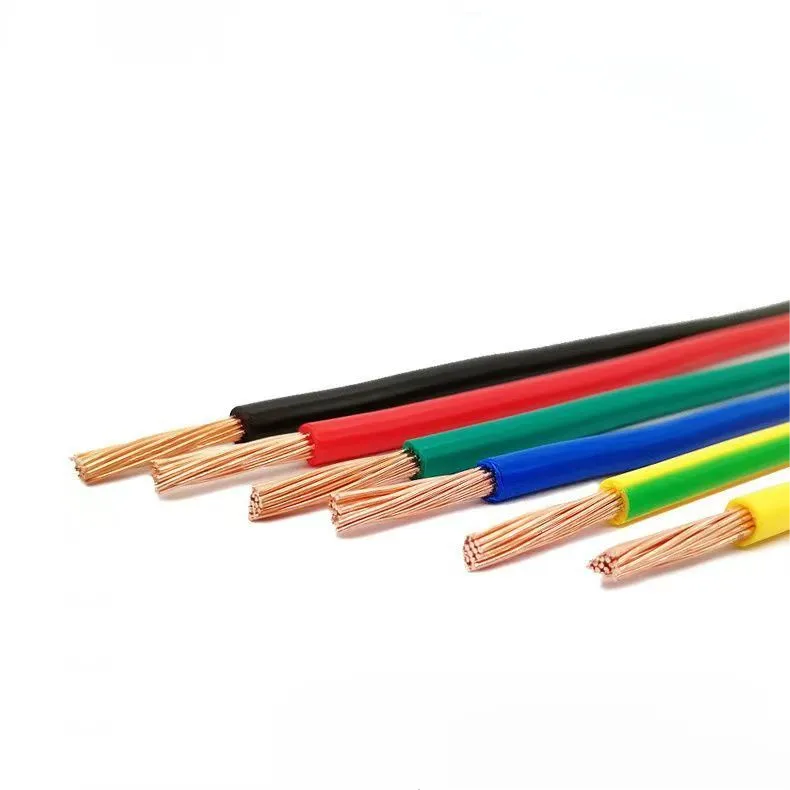
PVC electric wires are one of the most widely used electrical conductors in resi
H07V-U wire is a flexible, low voltage electrical wire commonly used in industri