Keep up to date with our latest company news and relevant industry knowledge.
Time: 2026-03-03 13:52:09 Source: Henan Province Jianyun Cable Co., Ltd.
Aluminum has revolutionized power transmission since the mid-20th century, becoming the material of choice for overhead lines worldwide. Its excellent conductivity-to-weight ratio, corrosion resistance, and cost-effectiveness make it ideal for long-distance, high-voltage grids. This guide explores manufacturing standards, conductor types, processes, and compliance requirements for aluminum cables in modern power transmission as of 2025.
Aluminum conductors carry the majority of global electricity over long distances. With grids expanding for renewables and urbanization, aluminum's advantages in weight and economics drive its dominance over copper in overhead transmission. Key applications include high-voltage lines (110 kV+), distribution networks, and emerging HVDC systems.
Aluminum offers about 61% of copper's conductivity but only 30% of its density, yielding twice the conductivity per unit weight. This reduces tower loads, spans, and installation costs. Aluminum forms a protective oxide layer for superior corrosion resistance in harsh environments. Combined with steel reinforcement, it handles mechanical stresses while keeping costs 30-50% lower than copper equivalents.
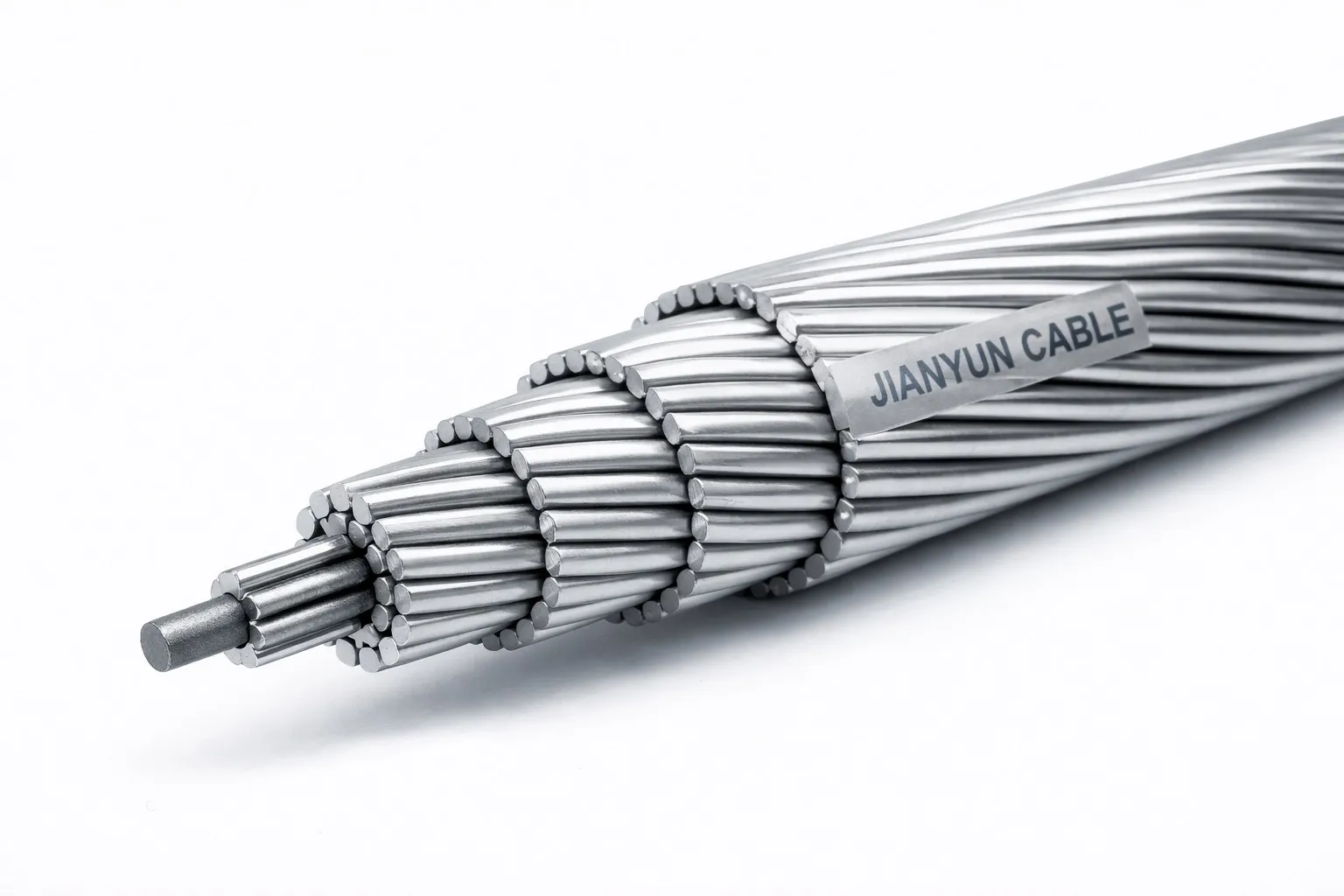
Modern transmission relies on specialized stranded designs:
| Conductor Type | Full Name | Core Material | Typical Voltage Range | Key Application |
|---|---|---|---|---|
| AAC | All Aluminum Conductor | None (All Al) | Up to 33 kV | Short spans, urban distribution |
| AAAC | All Aluminum Alloy Conductor | None (Al Alloy) | Up to 132 kV | Corrosive environments, medium spans |
| ACSR | Aluminum Conductor Steel Reinforced | Galvanized Steel | 33 kV – 765 kV+ | Long-span high-voltage transmission |
| ACSS | Aluminum Conductor Steel Supported | Annealed Steel | High voltage | High-temperature, high-capacity lines |
| ACCC | Aluminum Conductor Composite Core | Carbon/Glass Composite | Extra high voltage | Upgrade existing lines, higher ampacity |
Standards ensure uniformity, safety, and performance:
These specify wire purity (min 99.5-99.7% Al), stranding, tensile strength, resistivity, and testing (e.g., elongation, galvanizing thickness).
1. Rod production: Continuous casting/rolling of EC-grade aluminum (1350 alloy) or alloys (e.g., 6201).
2. Wire drawing: To precise diameters with controlled annealing for temper (H19 hard-drawn).
3. Stranding: Concentric layers around core (steel for ACSR, composite for ACCC).
4. Galvanizing (steel cores): Hot-dip zinc coating per standards.
5. Testing: Conductivity, tensile, sag, vibration, corona, and bundle burning.
Quality control includes resistivity checks (<0.028264 Ω·mm²/m at 20°C for EC Al) and mechanical tests.
Advantages:
Disadvantages:
High-temperature conductors (ACSS, ACCC) for reconductoring existing lines increase capacity 50-100% without new towers. Nano-enhanced alloys promise better strength-conductivity balance. Composite cores reduce sag and weight while enabling higher ampacity. Sustainability drives recycled aluminum use and low-loss designs for renewable integration.
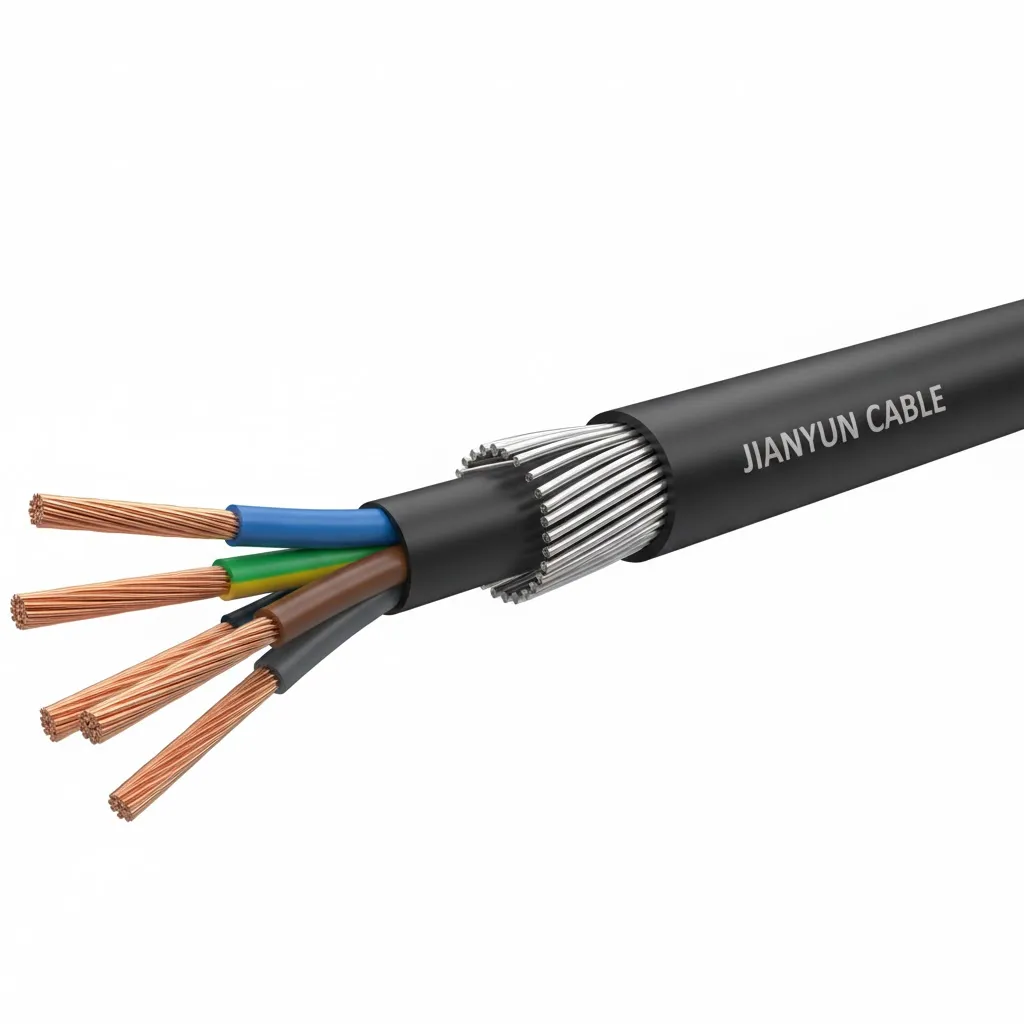
Aluminum cable manufacturing standards ensure reliable, efficient power transmission in a world demanding more capacity and sustainability. From traditional ACSR to advanced composite-core designs, adherence to IEC 61089, ASTM B232, and equivalents guarantees performance. As grids evolve in 2025, aluminum remains central to cost-effective, high-voltage solutions.
Need high-quality aluminum conductors meeting global standards? Contact Henan Province Jianyun Cable Co., Ltd. for expert manufacturing and tailored solutions.
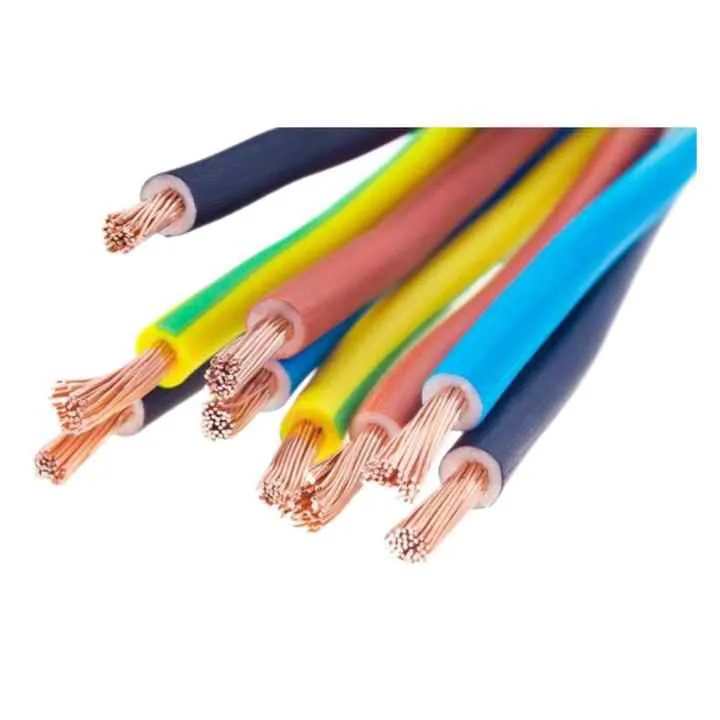
Flexible copper electrical wire with stranded copper conductor, PVC insulation a
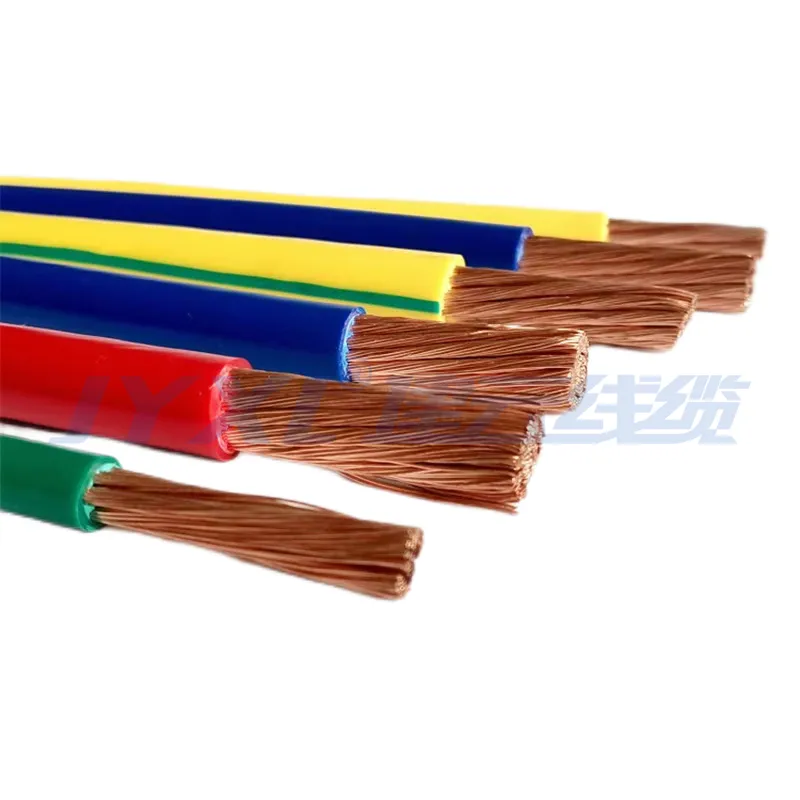
H07V-K flexible electrical wire with 1.5mm² and 2.5mm² stranded copper conductor
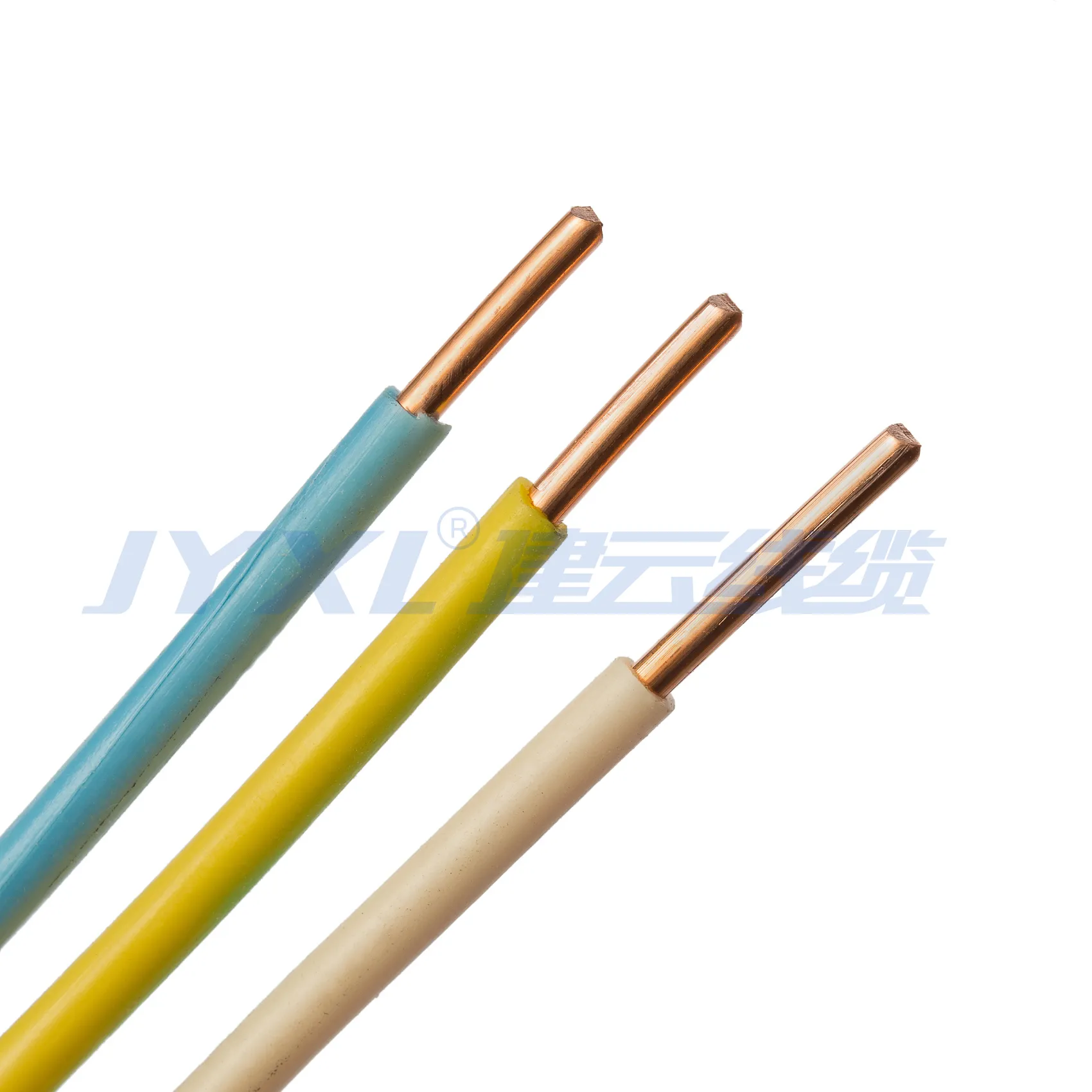
Jianyun H07V-U Solid Copper PVC Wire is a single core rigid electrical wire manu
CE Certification 450/750v H07VVF Flexible Copper PVC Insulated Ac Cable 3*2.5 Mm