Keep up to date with our latest company news and relevant industry knowledge.
Time: 2025-11-25 03:03:49 Source: Henan Province Jianyun Cable Co., Ltd.
Electrical wiring powers the American dream – from sprawling homes to skyscrapers – but it demands precision to avoid hazards. Enter the National Electrical Code (NEC), NFPA 70's bible for safe installations. Updated every three years, the 2023 edition (fully adopted in many states by 2025) covers everything from wire gauges (AWG) to protective conduits. This guide demystifies it all, helping electricians, builders, and exporters navigate the code's intricacies for compliance and safety.
The NEC, first published in 1897, sets minimum safety standards for low-voltage systems (up to 1000V). The 2023 edition introduced over 900 revisions, including GFCI expansions, surge protection mandates, and clarifications for EV charging and cybersecurity. It's not federal law but adopted by all 50 states (with local amendments), enforced via inspections. Key chapters: 3 (Wiring Methods), 4 (Equipment), and 5 (Special Occupancies). Always check state adoption – e.g., full 2023 rollout in Colorado, Texas by mid-2025.
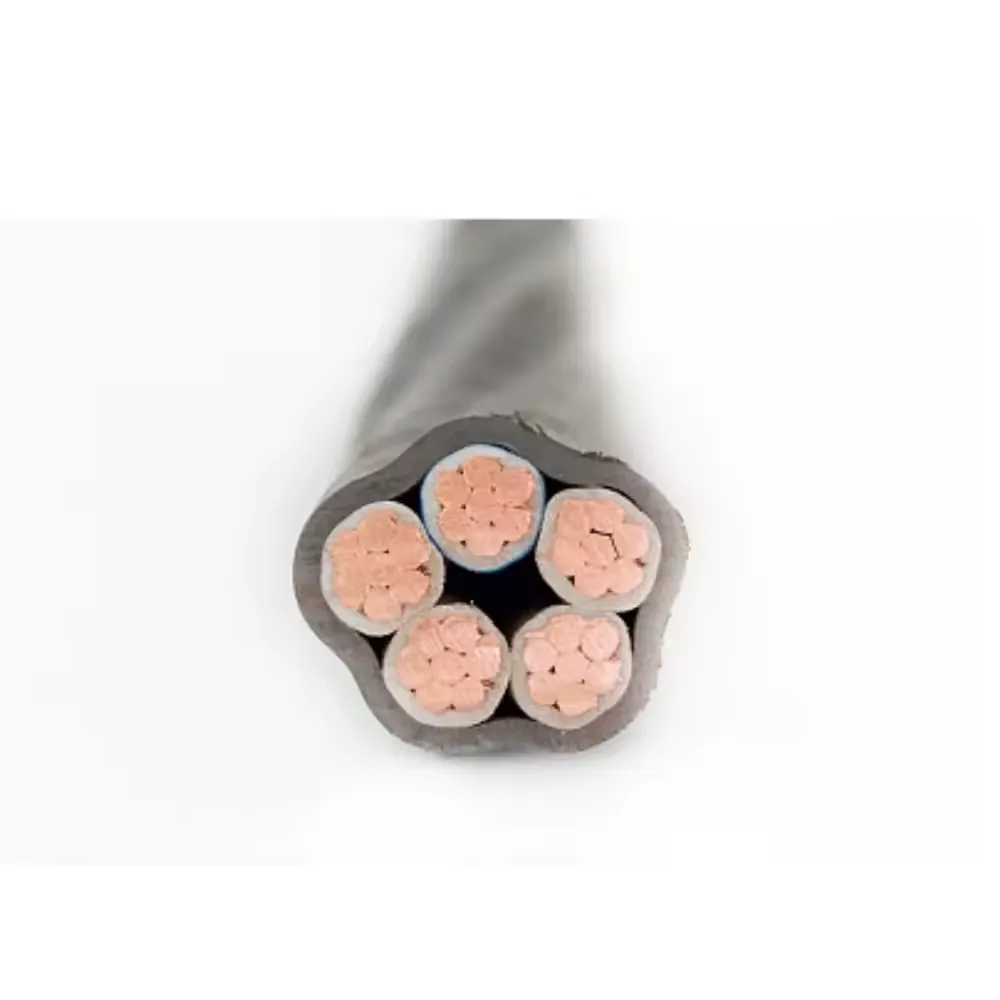
AWG (American Wire Gauge) measures conductor diameter; lower numbers mean thicker wires for higher amps. Sizing follows Article 310, factoring load, temperature (90°C max for most), and derating (e.g., 80% for continuous loads). Voltage drop: Max 3% for feeders, 5% total. Aluminum wires (AA-8000 series, 8 AWG+) are allowed but copper dominates branches.
| Circuit Type | AWG Size (Copper) | Ampacity (90°C) | Breaker Rating | Typical Use |
|---|---|---|---|---|
| Lighting | 14 AWG | 20 A | 15 A | Indoor lights, low-load |
| General Outlets | 12 AWG | 25 A | 20 A | Receptacles, appliances |
| Kitchen/High-Load | 10 AWG | 35 A | 30 A | Ranges, dryers |
| EV Charging (Level 2) | 6 AWG | 65 A | 50 A | 40A chargers |
| Grounding (EGC) | Min 14 AWG | N/A | N/A | Equipment protection |
Article 358–384 mandates conduits for protection in exposed/wet areas. Fill limits: 40% for 3+ conductors. Common types: EMT (indoor, lightweight), RMC/IMC (outdoor/damp, rigid metal), PVC (Schedule 40/80 for underground/corrosive). For EV stations, use liquidtight flexible nonmetallic for vibration resistance. 2023 updates allow EMT above hazardous zones with proper fittings.
Article 210.5 standardizes colors for safety (black/red/blue for phases, white/grey for neutral, green/bare for ground). No strict law, but NEC recommends: 120/208V (black hot, white neutral); 277/480V (brown/orange/yellow hots). Mismatches require marking. This prevents shocks – vital for multi-phase systems.
Branch circuits (Article 210) limit outlets (e.g., 8 max on 15A). GFCIs required for kitchens/bathrooms (2023 adds ovens/dryers); AFCIs for bedrooms. Derate for bundling (70% at 4–6 currents). Supports: Every 4.5 ft for conduits. Bathrooms: No receptacles in tubs (Zone 0). 2025 focus: Surge protection for dwellings, lockable AC disconnects.
Article 334 (NM cable) requires CL2/CL3 ratings for low-smoke in plenums. 2023 relocates comms cables to Article 800 for unified fire rules. Cables in walls <1.6" deep need metal protection. Halogen-free preferred; test via bundle burning/smoke density. Enhances evacuation in fires.
The NEC evolves with tech – from AWG basics to conduit fortresses – safeguarding lives amid electrification booms. Mastering it isn't just code; it's craftsmanship. For the $100B+ US market, compliance is key. Exporters: Align early for seamless entry.
Need NEC-compliant cables? Contact Henan Province Jianyun Cable Co., Ltd. for UL-listed solutions and quotes.
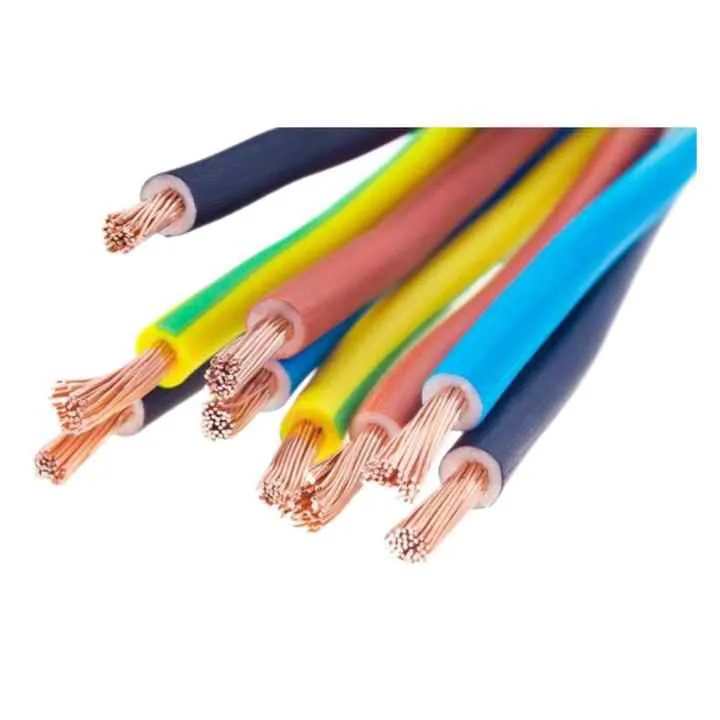
Flexible copper electrical wire with stranded copper conductor, PVC insulation a
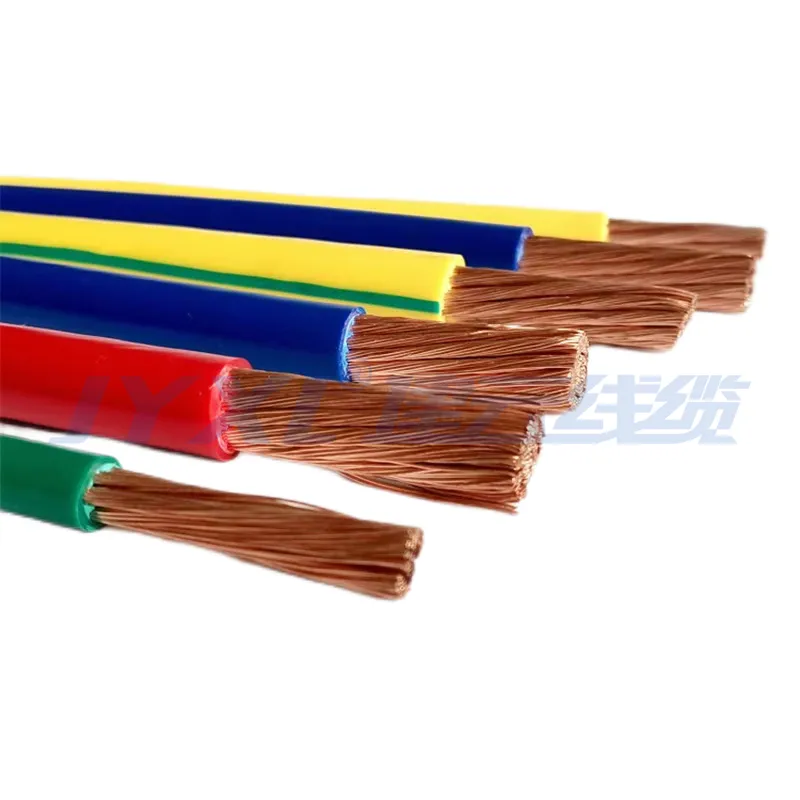
H07V-K flexible electrical wire with 1.5mm² and 2.5mm² stranded copper conductor
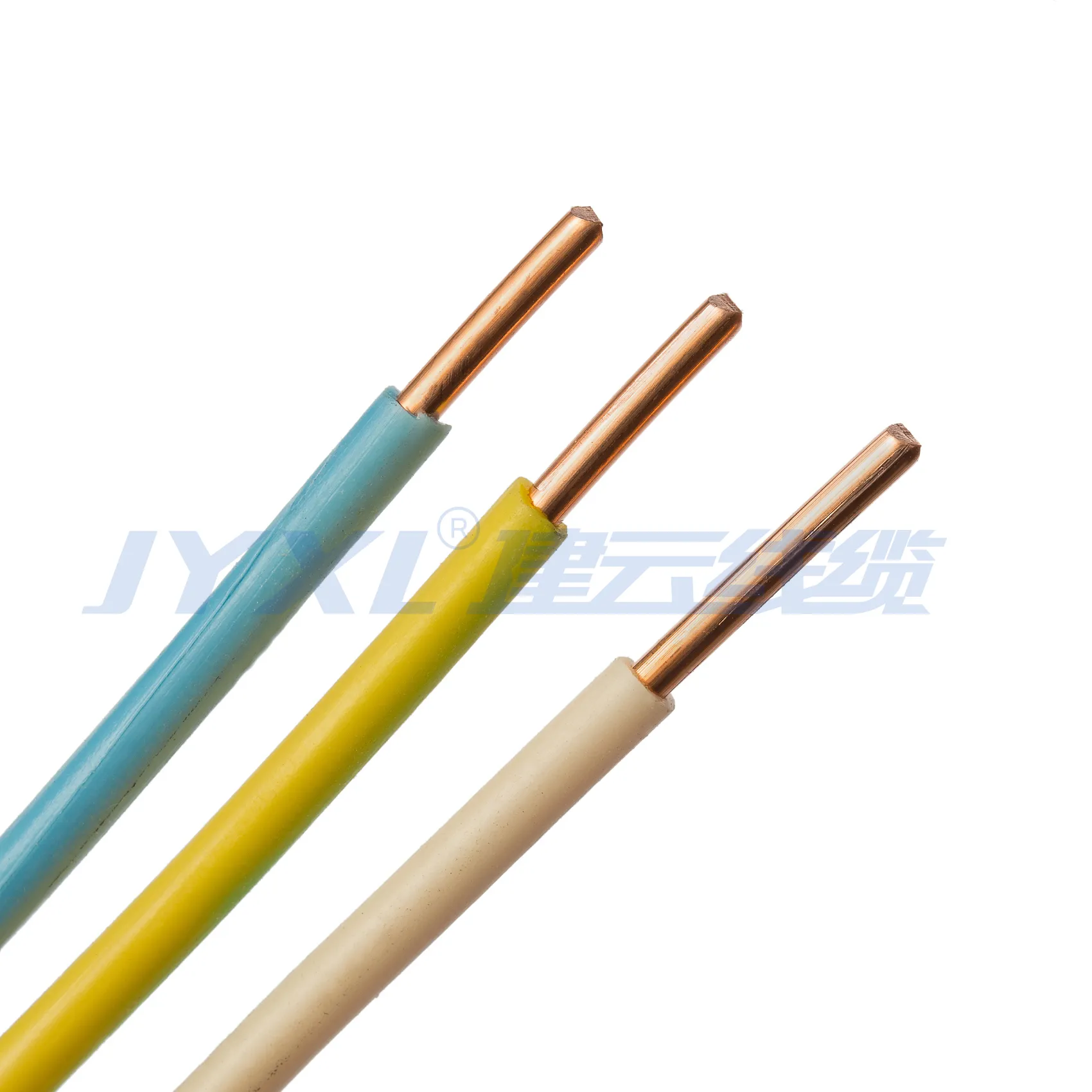
Jianyun H07V-U Solid Copper PVC Wire is a single core rigid electrical wire manu
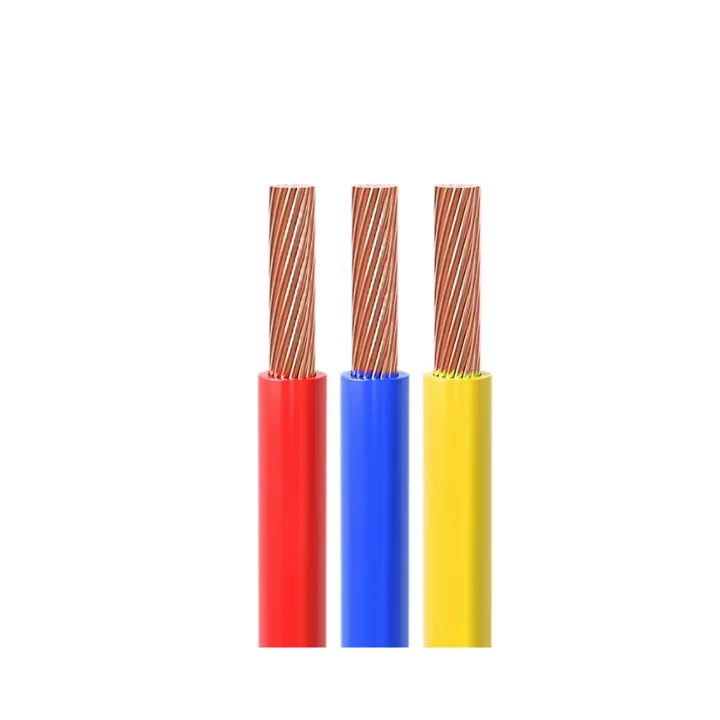
CE Certification 450/750v H07VVF Flexible Copper PVC Insulated Ac Cable 3*2.5 Mm