Keep up to date with our latest company news and relevant industry knowledge.
Time: 2026-01-14 12:02:13 Source: Henan Province Jianyun Cable Co., Ltd.
The question “wire vs cable – which is safer?” is one of the most common in electrical design and installation. The short answer is: **neither is inherently safer in all situations** – safety depends heavily on correct application, environment, and compliance with standards. However, when properly selected and installed, cables generally provide a higher level of overall safety for most modern building and power distribution projects. This in-depth guide compares both in terms of construction, fire performance, mechanical protection, and real-world risk factors.
Single conductor electrical wire (e.g., THHN, XHHW) and multi-conductor electrical cable (e.g., NM-B, SWA, NYY-J) serve different purposes. Wire offers flexibility and is often used inside protective conduits, while cable provides an integrated solution with built-in protection. The safety winner depends on the installation context, but cables tend to reduce several common failure modes.
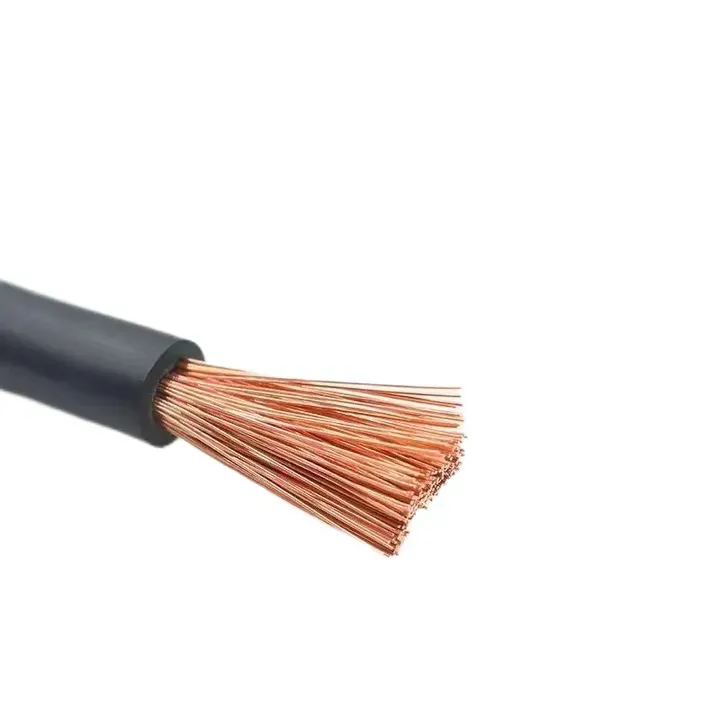
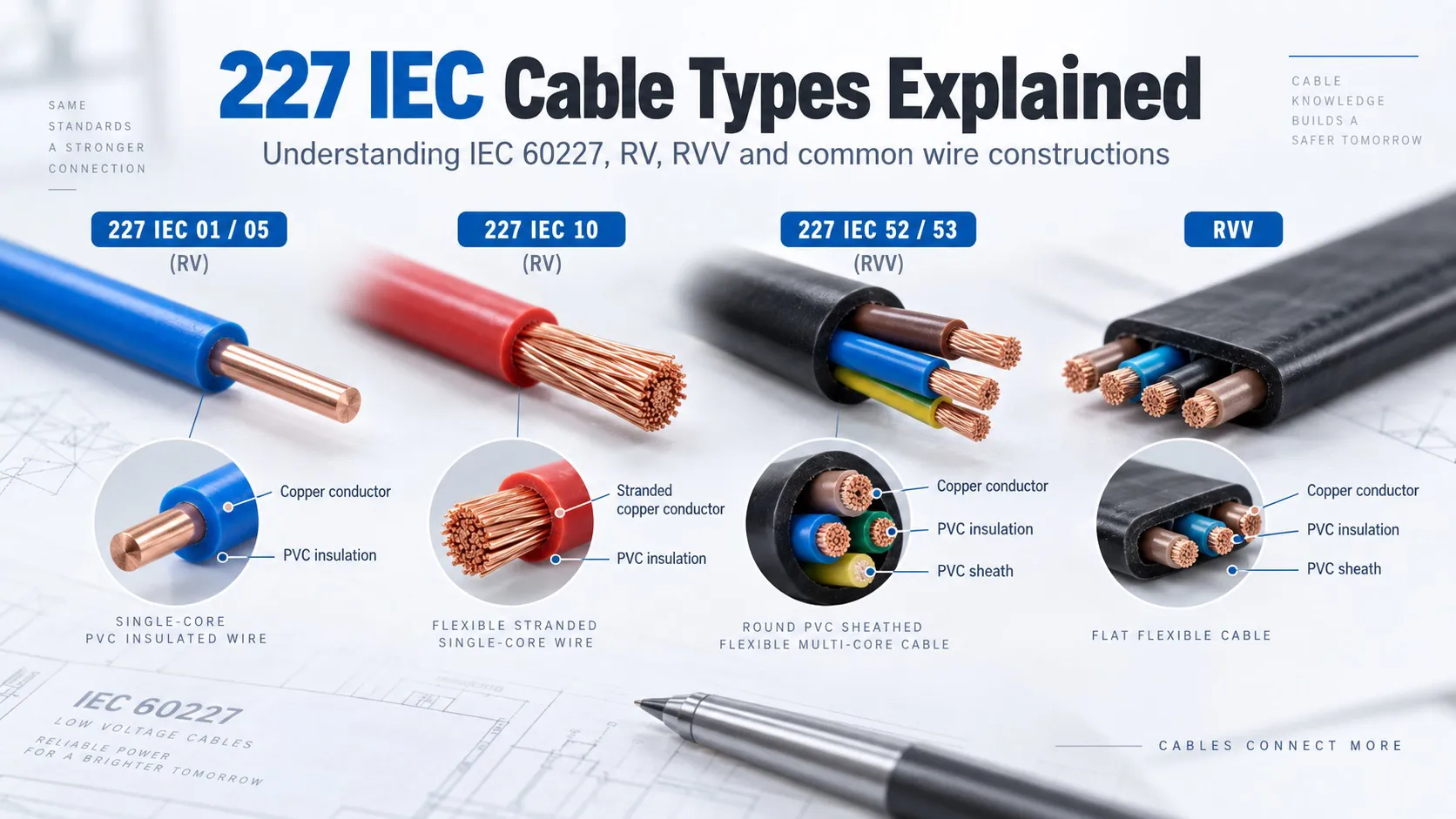
Wire – A single metallic conductor (copper/aluminum) with individual insulation. Commonly called “building wire” or “hook-up wire”.
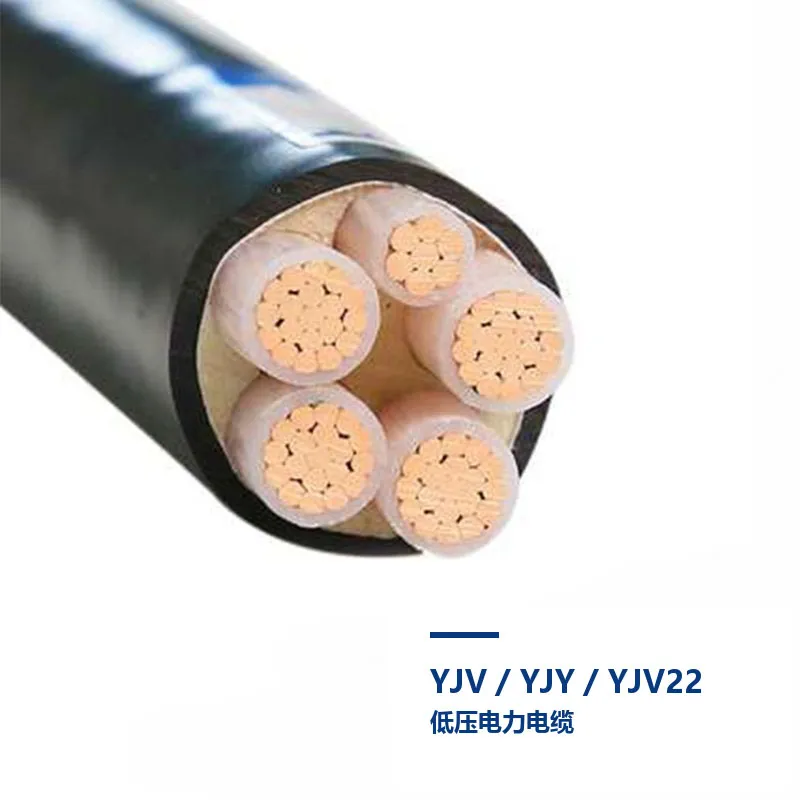
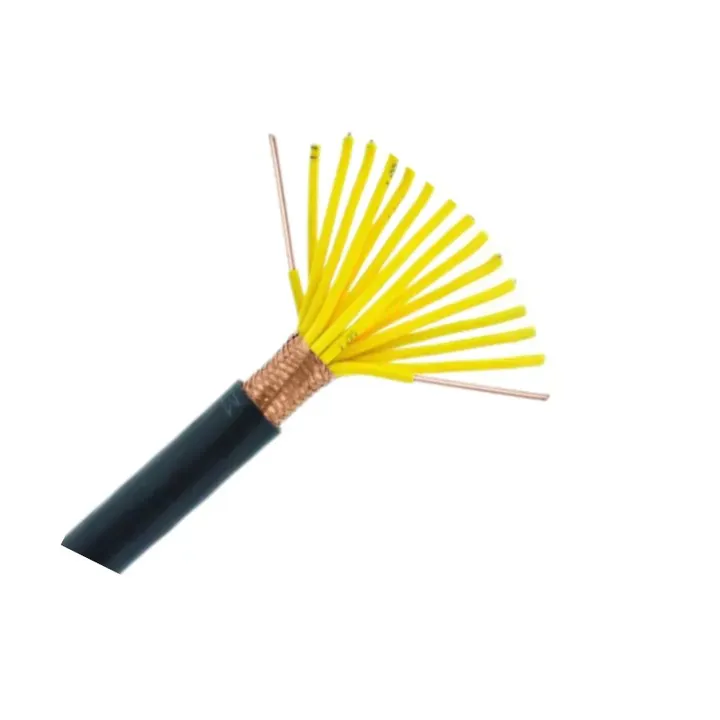
Cable – An assembly of two or more insulated conductors (wires) under a common protective sheath/jacket, often with additional armoring, screening or fillers.

Safety is evaluated across five critical dimensions:
| Safety Aspect | Single Conductor Wire | Multi-Conductor Cable | Safety Winner |
|---|---|---|---|
| Fire Propagation Risk | Higher – individual conductors can spread flame more easily in open runs | Lower – outer sheath & bundling reduce flame travel (especially LSZH/CP) | Cable |
| Mechanical Damage | Poor – requires conduit for protection | Excellent – built-in sheath/armor (especially SWA) | Cable |
| Short-Circuit Behavior | Good – individual fault easier to locate | Moderate – faults between conductors possible | Wire (slight edge) |
| Installation Error Risk | Higher – multiple pulls, wrong phase/neutral | Lower – pre-assembled, color-coded | Cable |
| Environmental Resistance | Good in conduit; poor exposed | Superior – UV, moisture, rodent resistant options | Cable |
In modern regulations (EU CPR, NEC Article 334/800, BS 7671), fire performance is paramount. Cables with LSZH (Low Smoke Zero Halogen) sheaths and higher Euroclasses (Cca, B2ca) significantly reduce smoke and toxic gas production. Single wires inside conduits can still propagate flame along the conduit path. Well-constructed cables (especially fire-resistant types with mica tape) maintain circuit integrity longer during fire – a key advantage in escape routes.
Armored cables (SWA, AWA, MC) offer superior resistance to impact, crushing, and rodent attack – critical for underground, exposed, or industrial environments. Single conductor wires almost always require separate conduit or trunking, adding cost and another failure point (conduit damage = wire damage). In most real-world damage scenarios (nails, drills, heavy objects), properly armored cable proves safer.
Installing multiple single conductors increases the chance of crossed phases, poor terminations, or insulation damage during pulling. Pre-assembled cables reduce these risks significantly – color coding, fixed lay length, and factory quality control make them inherently safer for the average installer. Many electrical codes now strongly favor cable systems (NM-B, NYM, SWA) over open single-wire runs in residential and commercial buildings.
In the majority of modern electrical installations – especially residential, commercial, and light industrial – properly selected and installed multi-conductor cables are safer than single conductor wires used without adequate protection.
Cables win in most real-world safety categories: better fire behavior, superior mechanical protection, lower installation error risk, and higher environmental durability. Single conductor wire only becomes the safer choice when installed inside a properly designed, continuously protected conduit system – and even then, many professionals still prefer armored cable for exposed or critical runs.
Need safe, high-quality electrical cables and wires that meet the latest international safety standards? Contact Henan Province Jianyun Cable Co., Ltd. for expert guidance and reliable solutions.
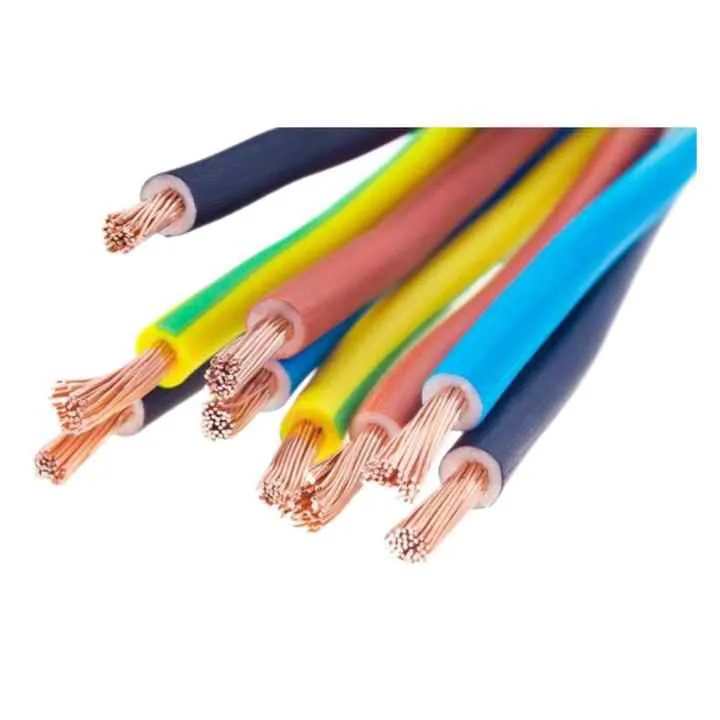
Flexible copper electrical wire with stranded copper conductor, PVC insulation a
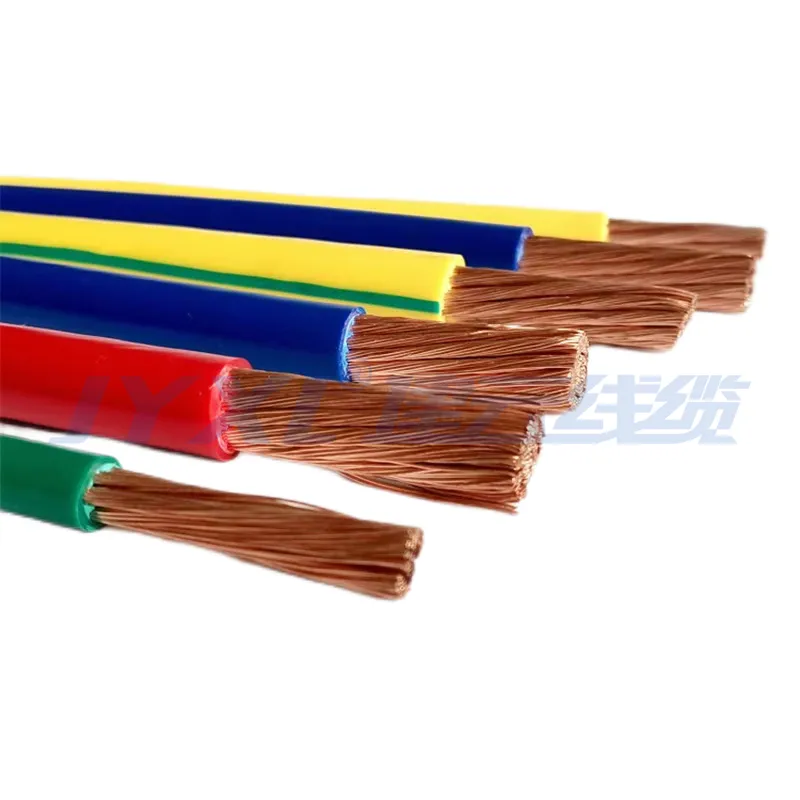
H07V-K flexible electrical wire with 1.5mm² and 2.5mm² stranded copper conductor
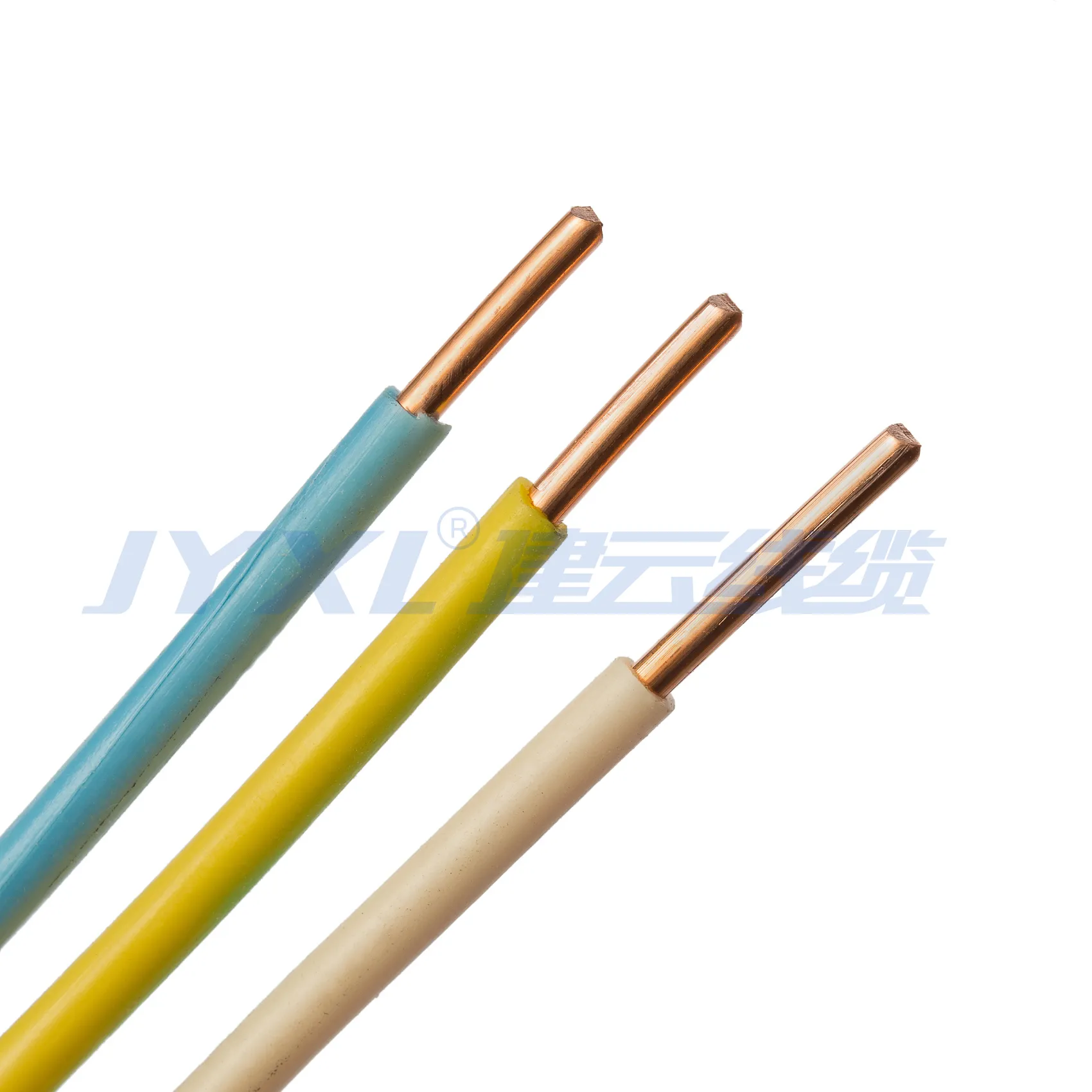
Jianyun H07V-U Solid Copper PVC Wire is a single core rigid electrical wire manu
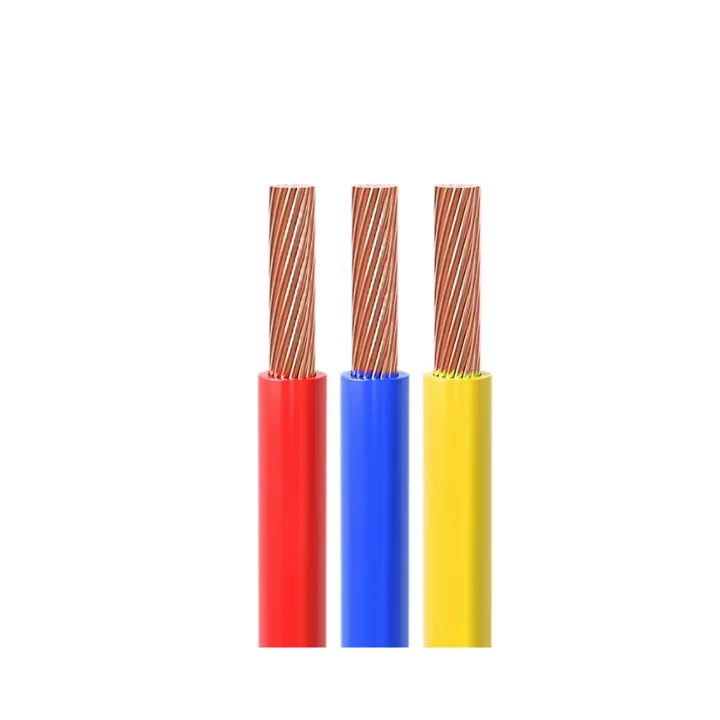
CE Certification 450/750v H07VVF Flexible Copper PVC Insulated Ac Cable 3*2.5 Mm