Keep up to date with our latest company news and relevant industry knowledge.
Time: 2025-11-14 10:13:38 Source: Henan Province Jianyun Cable Co., Ltd.
Selecting the right wire cable supplier can make or break your project timeline, budget, and product quality. Whether you're sourcing cables for construction, renewable energy, industrial automation, or data centers, a thorough supplier evaluation is essential before committing to orders.
This comprehensive checklist covers 12 critical factors that professional buyers use to assess wire cable suppliers and ensure successful long-term partnerships.
What to Evaluate:
Why It Matters:
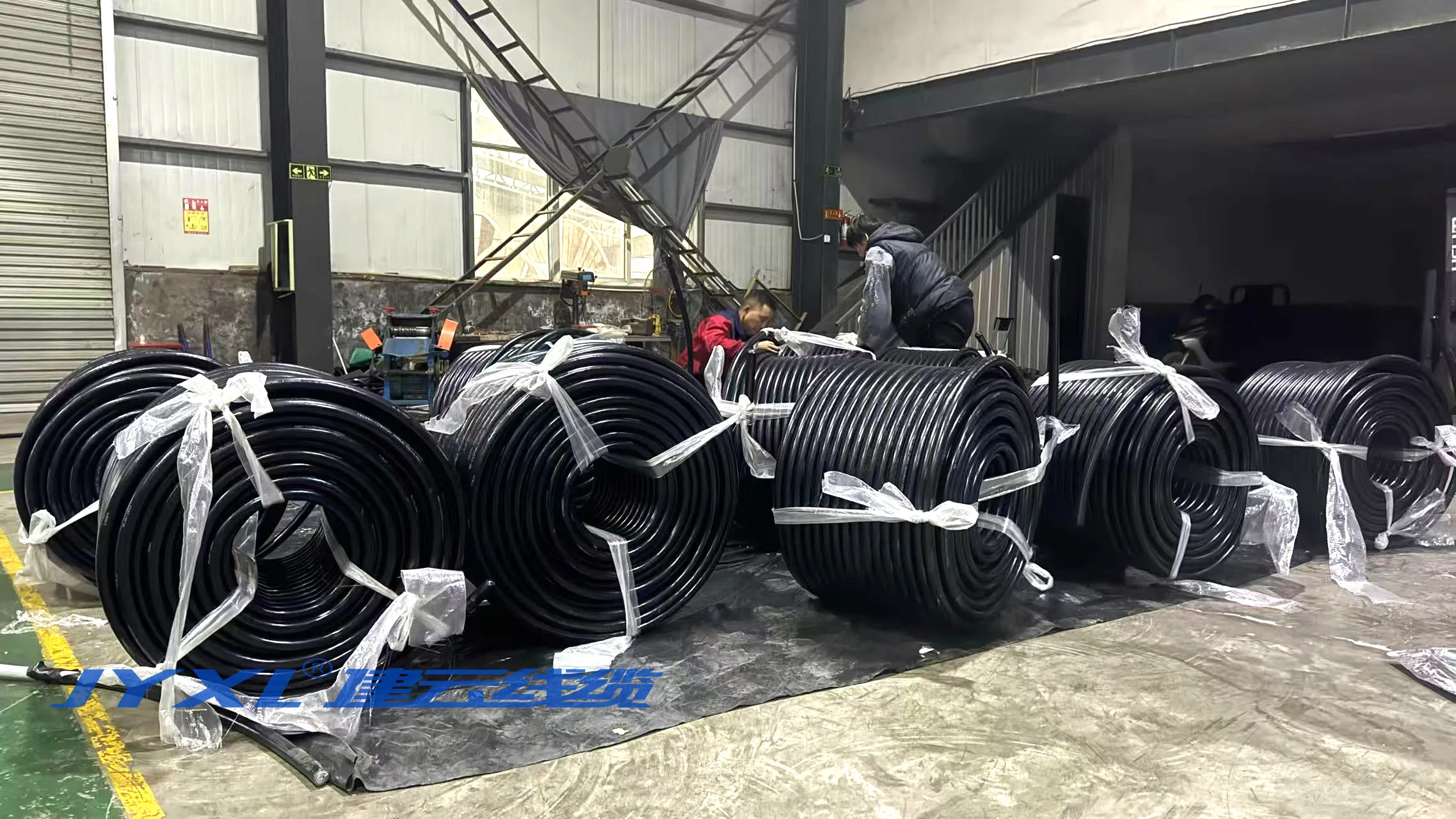
A supplier's manufacturing capacity directly impacts your ability to scale orders and meet project deadlines. Verify they can handle both your current needs and future growth. Ask for production line tours or detailed facility documentation.
| Question | Why It's Important |
|---|---|
| What is your monthly production capacity for [specific cable type]? | Ensures they can meet your volume requirements |
| Do you maintain inventory of standard specifications? | Reduces lead times for common products |
| What is your typical lead time for custom orders? | Helps with project planning and scheduling |
| Can you scale production for large projects? | Confirms flexibility for growing needs |
What to Evaluate:
Why It Matters:
Quality issues with cables can lead to project delays, safety hazards, and costly replacements. A robust quality management system ensures consistent product performance and reduces your risk.
| Quality Indicator | Minimum Standard | Best Practice |
|---|---|---|
| Quality Certification | ISO 9001 | ISO 9001 + Industry-specific certs |
| Product Qualification Rate | >95% | >98% |
| Testing Laboratory | Basic testing equipment | Accredited in-house lab |
| Inspection Frequency | Final inspection only | Multi-stage inspection |
| Defect Tracking | Manual records | Automated QMS system |
Red Flags:
What to Evaluate:
Why It Matters:
Proper certifications ensure your cables meet safety regulations and legal requirements in your target markets. Non-compliant products can be rejected at customs or fail inspections.
| Market/Region | Required Certifications | Standards |
|---|---|---|
| North America | UL, CSA, NEC | NFPA 70, UL 44 |
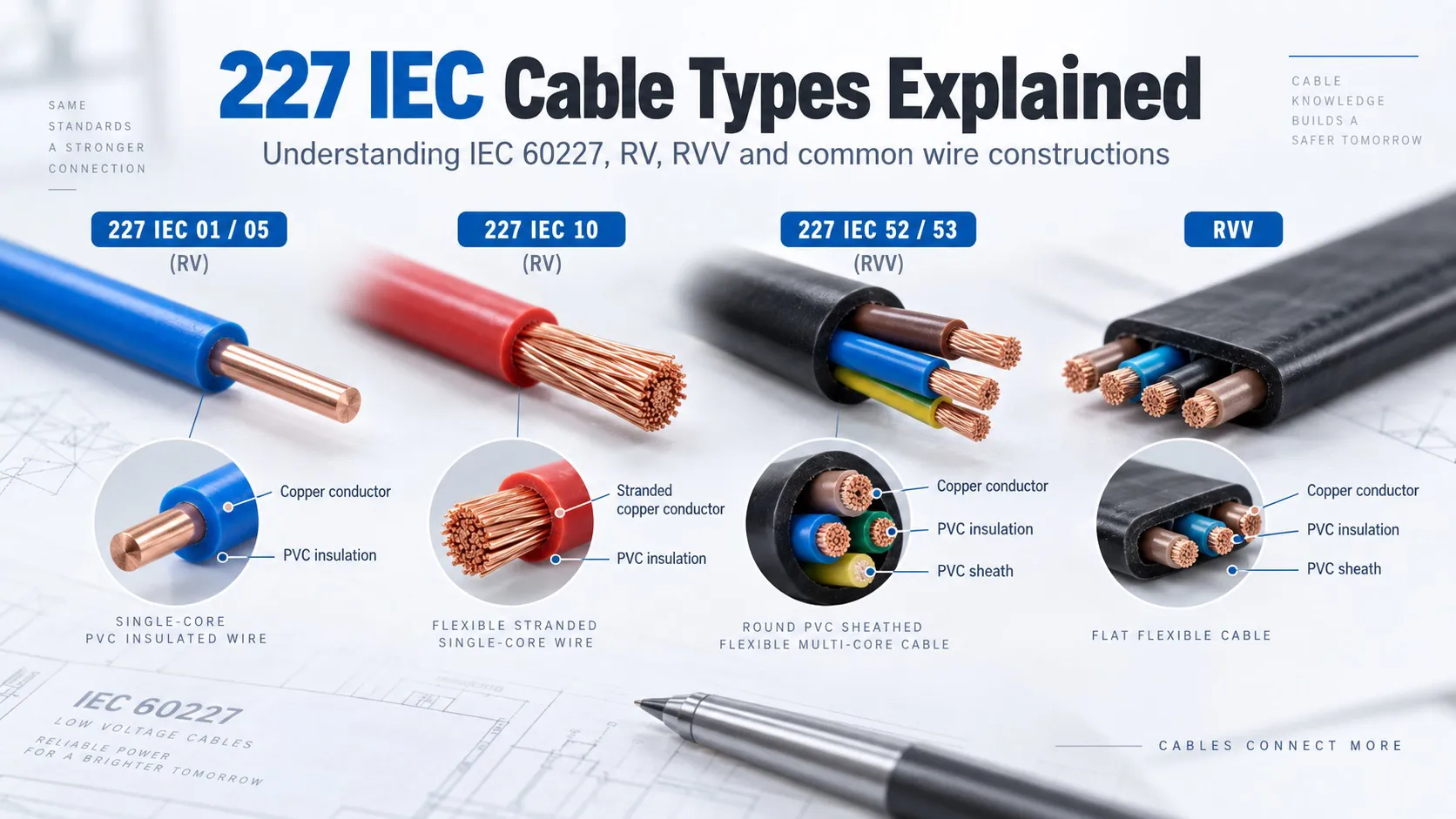
| European Union | CE, RoHS, REACH | IEC 60227, EN 50575 |
| China | CCC | GB/T 5023, GB/T 12706 |
| United Kingdom | BSI, UKCA | BS 6004, BS 7671 |
| Australia | SAA, RCM | AS/NZS 5000 |
| International | IEC | IEC 60502, IEC 60332 |
Documentation to Request:
What to Evaluate:
Why It Matters:
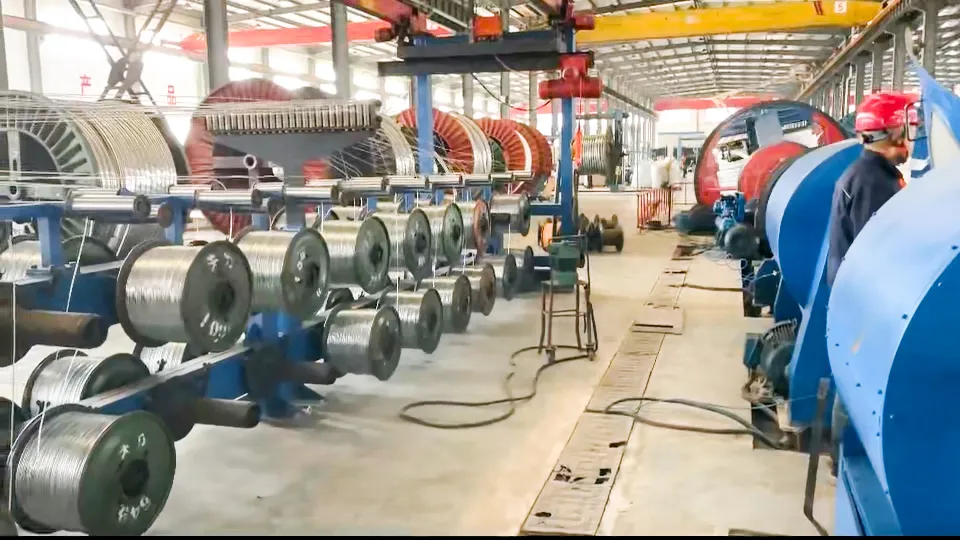
Cable performance depends heavily on raw material quality. Substandard copper or inferior insulation materials compromise safety and longevity. Suppliers with integrated material production or reliable sourcing have better quality control.
| Material Component | Quality Standard | Verification Method |
|---|---|---|
| Copper Conductor | 99.9% purity (IACS ≥100%) | Chemical analysis certificate |
| Aluminum Conductor | 99.5% purity | Material composition test |
| PVC Insulation | Virgin PVC compound | Material certification |
| XLPE Insulation | Cross-linked polyethylene | Degree of cross-linking test |
| Sheath Material | UV/oil resistant compounds | Aging resistance test |
Key Indicators:
What to Evaluate:
Why It Matters:
Complex projects often require technical guidance for cable selection, installation methods, and performance optimization. A knowledgeable supplier becomes a valuable partner, not just a vendor.
Assessment Methods:
What to Evaluate:
Why It Matters:
While price is important, the lowest quote isn't always the best value. Evaluate total cost of ownership, including quality, reliability, and service. Favorable payment terms can significantly impact your cash flow.
| Payment Method | Buyer Risk | Supplier Risk | Best For |
|---|---|---|---|
| 100% Advance T/T | High | Low | Not recommended for new suppliers |
| 30% Deposit + 70% Before Shipment | Medium | Low | Standard orders with established suppliers |
| Letter of Credit (L/C) | Low | Medium | Large orders, international transactions |
| 30% Deposit + 70% After Delivery | Low | High | Long-term trusted partnerships |
| Net 30/60/90 Terms | Very Low | High | Established business relationships |
Cost Factors to Consider:
What to Evaluate:
Why It Matters:
Project delays due to late cable deliveries can cascade into costly schedule overruns. Reliable suppliers maintain realistic timelines and communicate proactively about any potential delays.
| Cable Type | Standard Products | Custom Specifications | Rush Orders |
|---|---|---|---|
| Low Voltage Power Cable | 7-14 days | 15-25 days | 5-7 days (+ premium) |
| Medium Voltage Cable | 14-21 days | 25-35 days | 10-14 days (+ premium) |
| Control Cable | 10-15 days | 20-30 days | 7-10 days (+ premium) |
| Specialty Cable | 15-25 days | 30-45 days | 12-18 days (+ premium) |
Performance Metrics to Request:
What to Evaluate:
Why It Matters:
High MOQs can tie up capital and warehouse space. Evaluate whether the supplier's MOQ aligns with your project size and budget. Some suppliers offer consignment or vendor-managed inventory programs.
Negotiation Points:
What to Evaluate:
Why It Matters:
Effective communication prevents misunderstandings, expedites problem resolution, and builds trust. International sourcing requires clear communication to bridge time zones and cultural differences.
| Communication Aspect | Poor Performance | Good Performance | Excellent Performance |
|---|---|---|---|
| Initial Response Time | >48 hours | 24-48 hours | <24 hours |
| Technical Query Response | Generic answers | Relevant information | Detailed + alternatives |
| Language Proficiency | Frequent misunderstandings | Clear basic communication | Fluent professional communication |
| Proactive Updates | Only when asked | Weekly updates | Real-time notifications |
| Availability | Email only | Email + scheduled calls | Multi-channel + flexible timing |
Test Communication Early:
What to Evaluate:
Why It Matters:
Quality issues can emerge during installation or operation. Strong after-sales support demonstrates supplier commitment and protects your investment.
| Warranty Aspect | Standard | Above Average | Exceptional |
|---|---|---|---|
| Coverage Period | 12 months | 18-24 months | 36+ months |
| Defect Coverage | Manufacturing defects only | Manufacturing + material defects | Comprehensive coverage |
| Response Time | 5-7 business days | 2-3 business days | 24-48 hours |
| Replacement Process | Return for inspection first | Advanced replacement available | Immediate replacement + investigation |
| Shipping Costs | Customer pays | Shared cost | Supplier covers |
Warranty Terms to Clarify:
What to Evaluate:
Why It Matters:
Partnering with financially unstable suppliers risks supply disruptions and unsupported warranties. Established suppliers with solid reputations are more likely to honor commitments.
Due Diligence Steps:
What to Evaluate:
Why It Matters:
International shipping of cables requires proper packaging, documentation, and logistics coordination. Experienced suppliers streamline customs clearance and reduce shipping damage risks.
| Document | Purpose | Provided By |
|---|---|---|
| Commercial Invoice | Customs declaration & payment | Supplier |
| Packing List | Shipment contents verification | Supplier |
| Certificate of Origin | Tariff determination | Supplier/Chamber of Commerce |
| Bill of Lading | Proof of shipment | Freight forwarder |
| Test Certificates | Quality verification | Supplier/Testing lab |
| Insurance Certificate | Shipment protection | Insurance company |
Logistics Considerations:
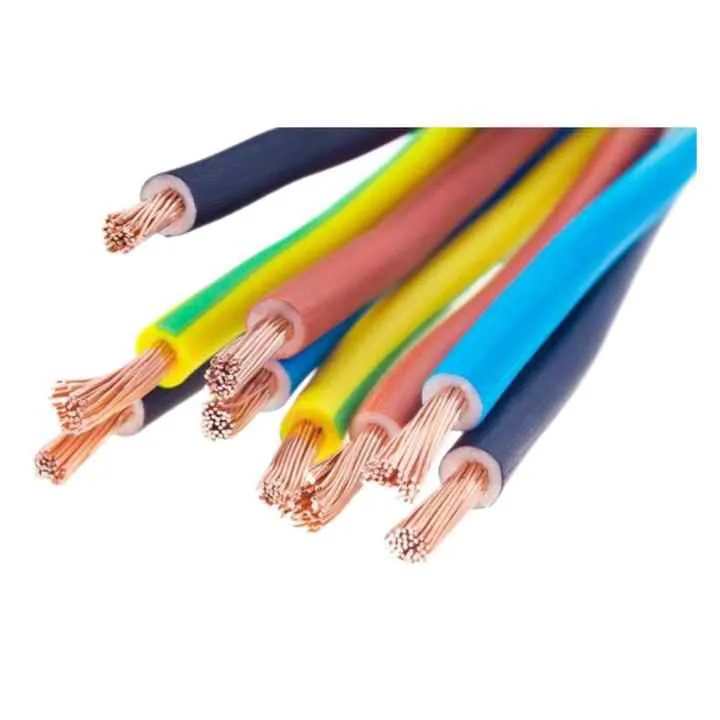
Flexible copper electrical wire with stranded copper conductor, PVC insulation a
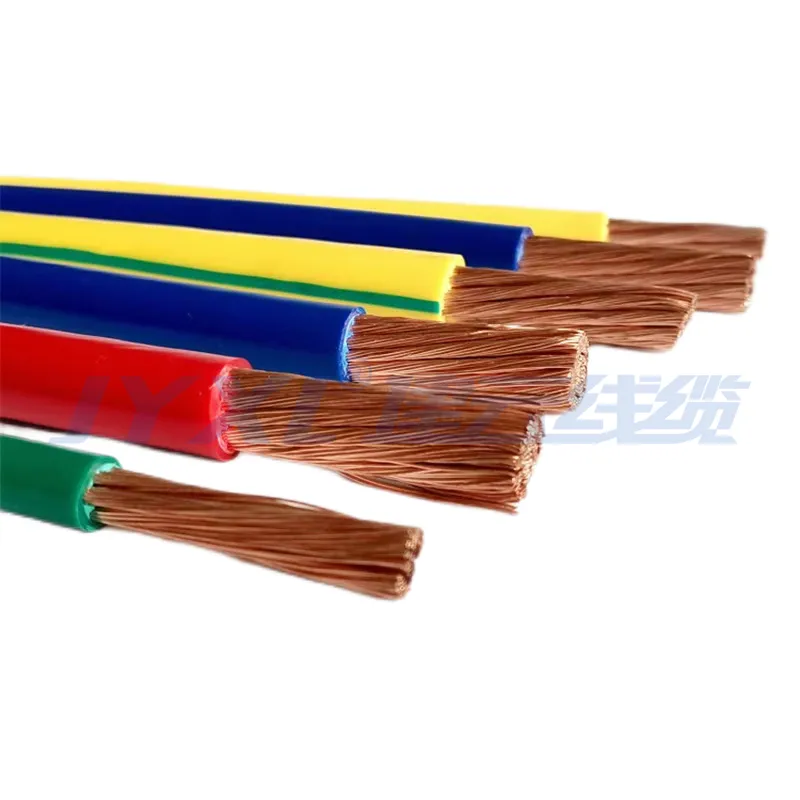
H07V-K flexible electrical wire with 1.5mm² and 2.5mm² stranded copper conductor
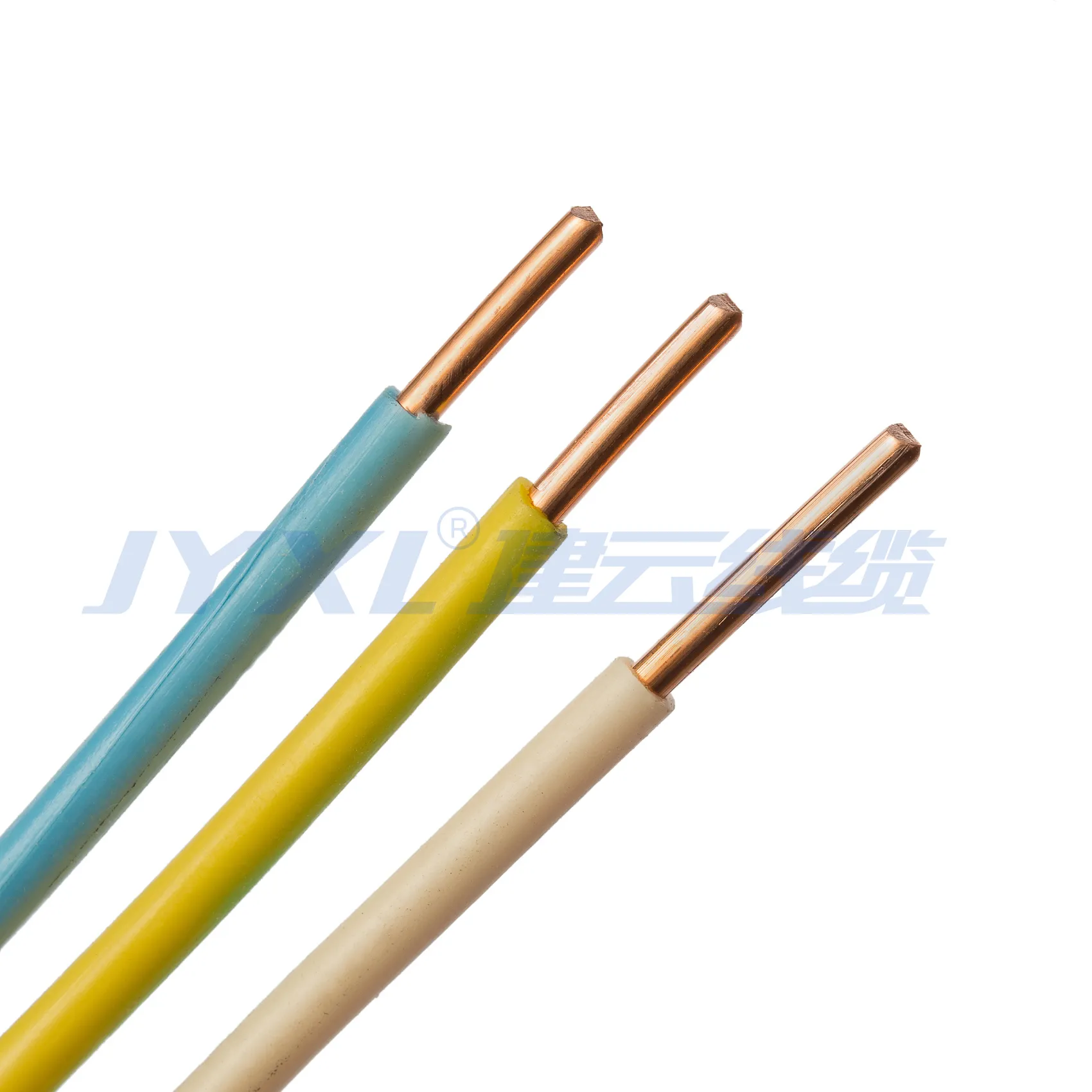
Jianyun H07V-U Solid Copper PVC Wire is a single core rigid electrical wire manu
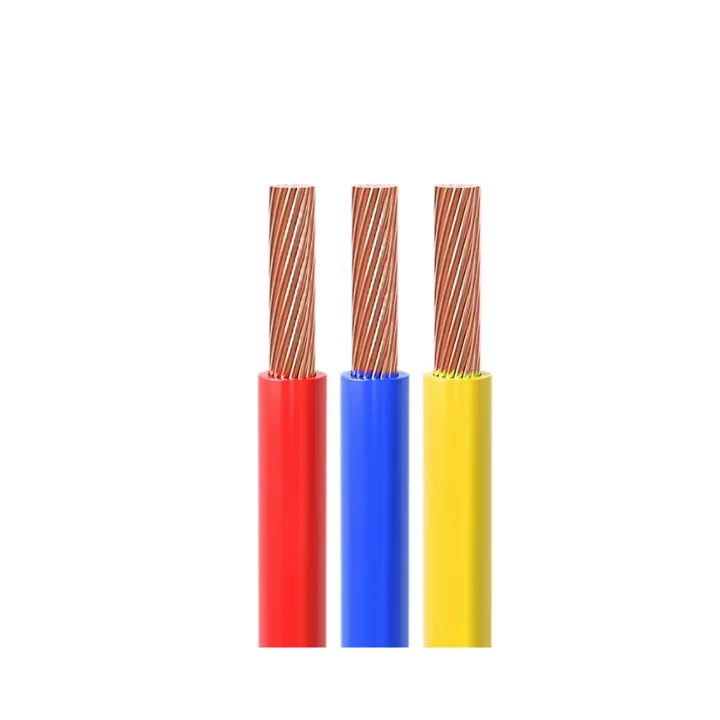
CE Certification 450/750v H07VVF Flexible Copper PVC Insulated Ac Cable 3*2.5 Mm