Keep up to date with our latest company news and relevant industry knowledge.
Time: 2025-11-10 07:12:08 Source: Henan Province Jianyun Cable Co., Ltd.
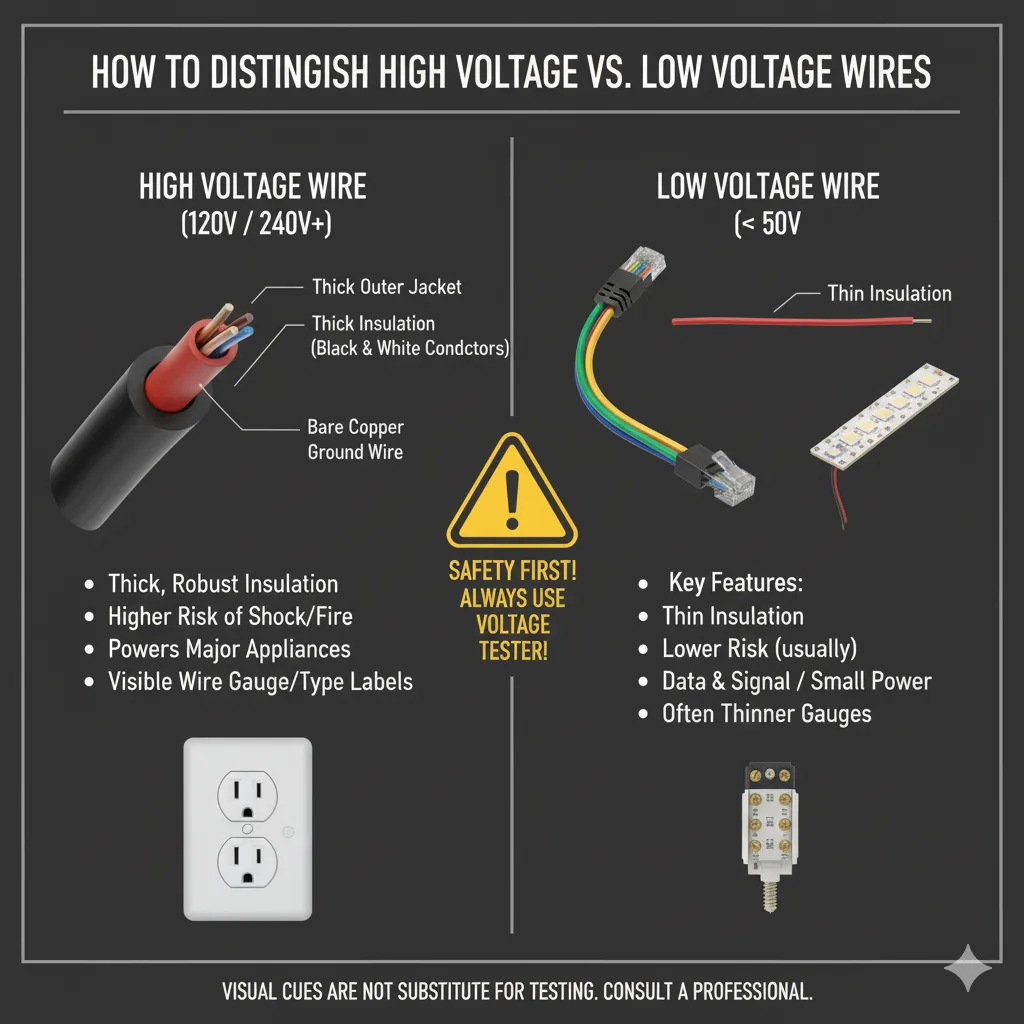
Low voltage wires typically operate below 1,000V (often ≤600V for building wiring), while high voltage exceeds 1kV, extending to medium (1–69kV) and high/extra-high categories (>69kV). Standards like IEC and NEC define these thresholds, influencing design requirements.
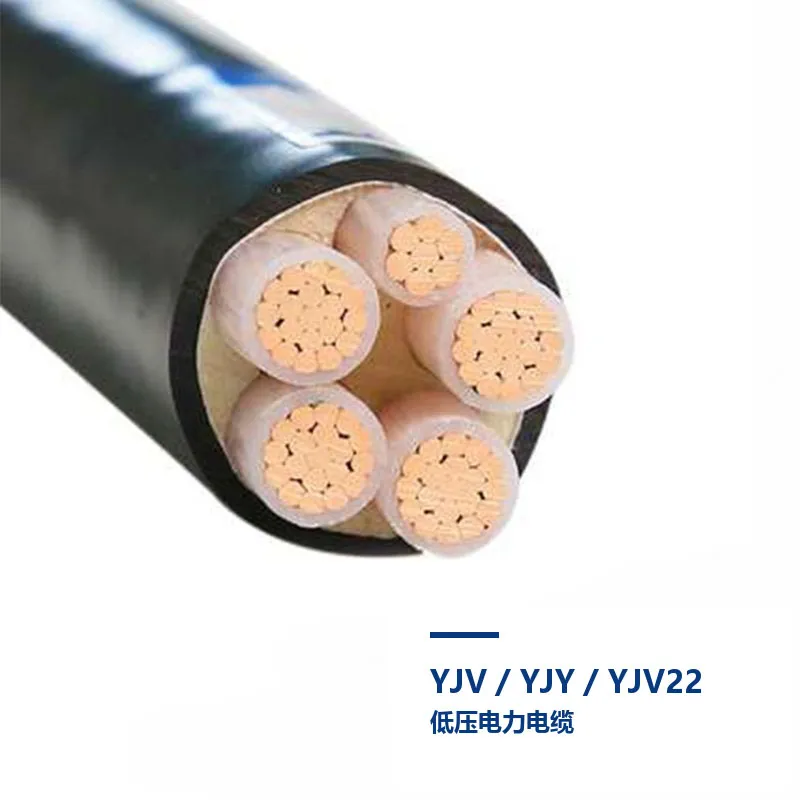
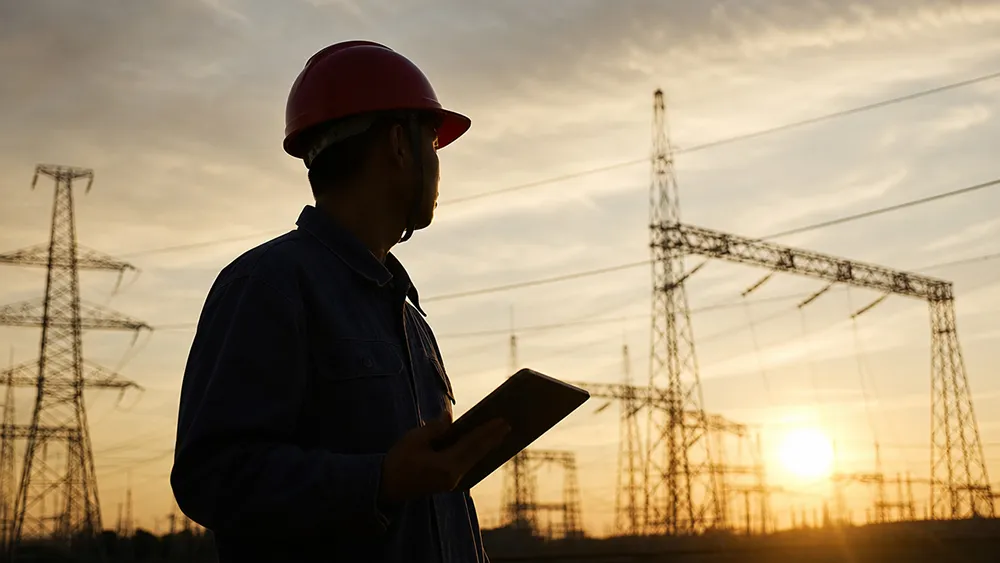
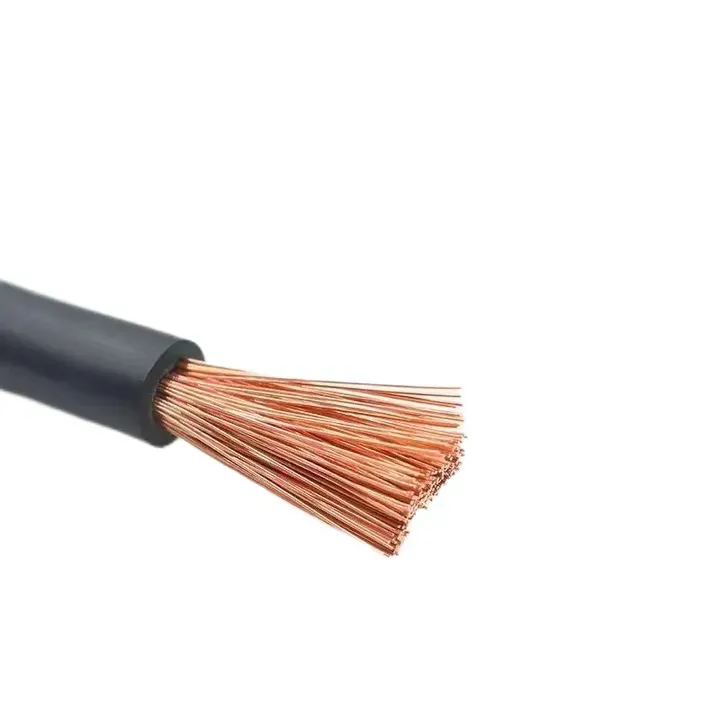
HV cables are generally larger in overall diameter due to enhanced insulation and shielding. LV wires appear thinner and more flexible, with finer conductors (higher AWG gauges). HV transmission lines feature thick conductors on tall towers with large insulators, whereas LV lines use numerous thin wires on shorter poles.
Figure 1: Visual examples of high voltage (left) vs. low voltage cablesThe most reliable indicator is insulation thickness: HV cables exceed 5mm (often with multiple layers, including semi-conductive shields), while LV insulation is thinner (<5mm). HV designs incorporate additional shielding and armor for electromagnetic compatibility and mechanical protection.
Figure 2: Cross-sectional comparison of HV and LV cable constructionExamine printed markings on the jacket: LV often shows 300/500V or 600V ratings; HV displays higher values (e.g., 5kV, 15kV) with warnings like "High Voltage." HV cables frequently use orange jackets or caution tapes; LV lacks such prominent warnings.
Installation location provides clues: HV in transmission towers or industrial substations with large insulators; LV in residential panels or buried conduits. Fewer, thicker wires indicate HV; multiple thin wires suggest LV distribution.
| Characteristic | High Voltage Wires/Cables | Low Voltage Wires/Cables |
|---|---|---|
| Insulation Thickness | >5mm, multi-layered | <5mm, single/thin layer |
| Overall Diameter | Larger (often armored) | Smaller and flexible |
| Markings | High kV ratings, warnings | ≤600V ratings |
| Color/Jacket | Orange or labeled "HV" | Varied, no warnings |
| Installation | Tall towers, substations | Poles, conduits, buildings |
Never assume based on appearance alone; use voltage testers or consult documentation. Mishandling HV can cause severe injury or death. Always de-energize systems and follow lockout/tagout procedures.
Distinguishing high voltage from low voltage wires relies on insulation thickness, markings, size, and context. These indicators ensure safe handling and compliance with standards. For uncertain cases, engage qualified professionals or reference manufacturer specifications.
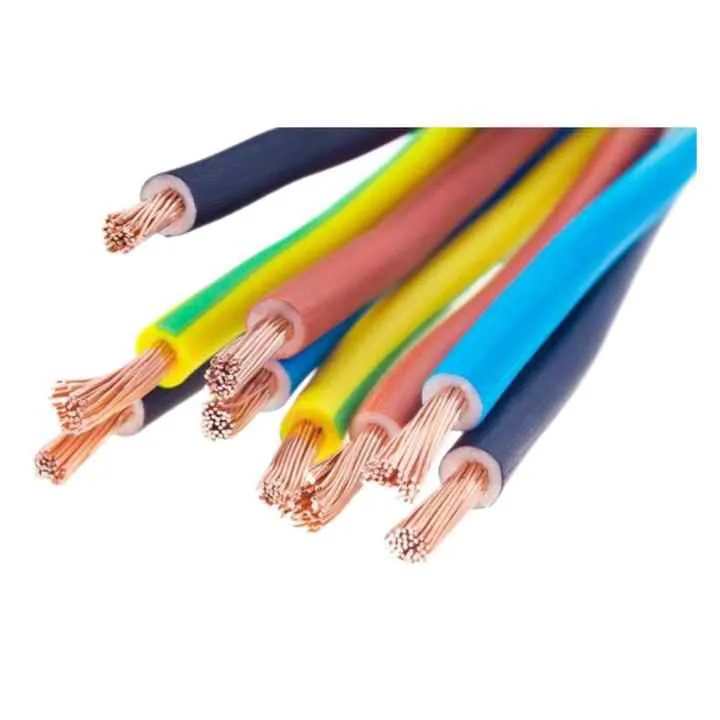
Flexible copper electrical wire with stranded copper conductor, PVC insulation a
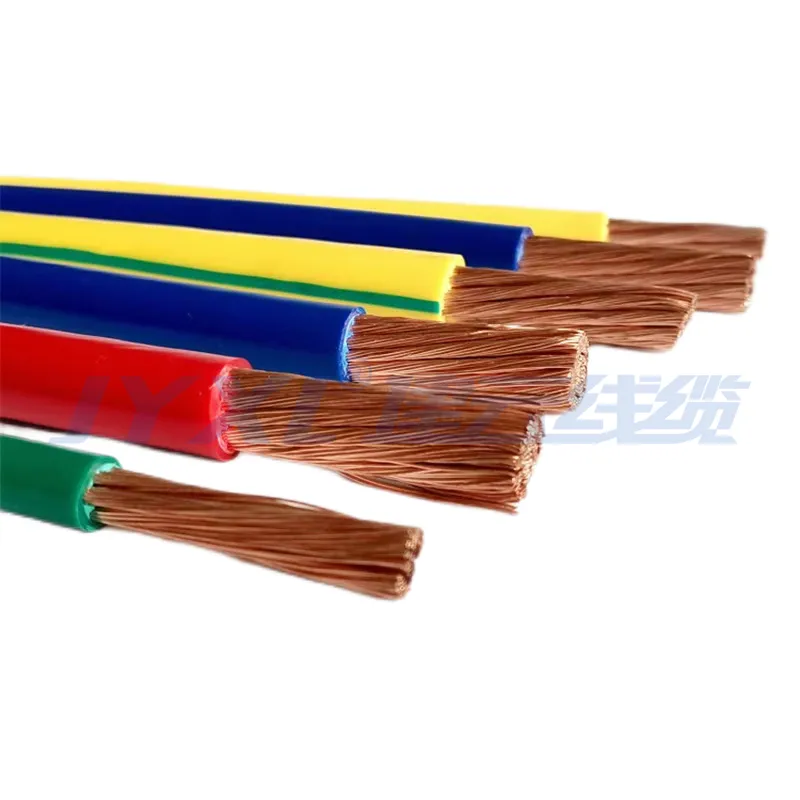
H07V-K flexible electrical wire with 1.5mm² and 2.5mm² stranded copper conductor
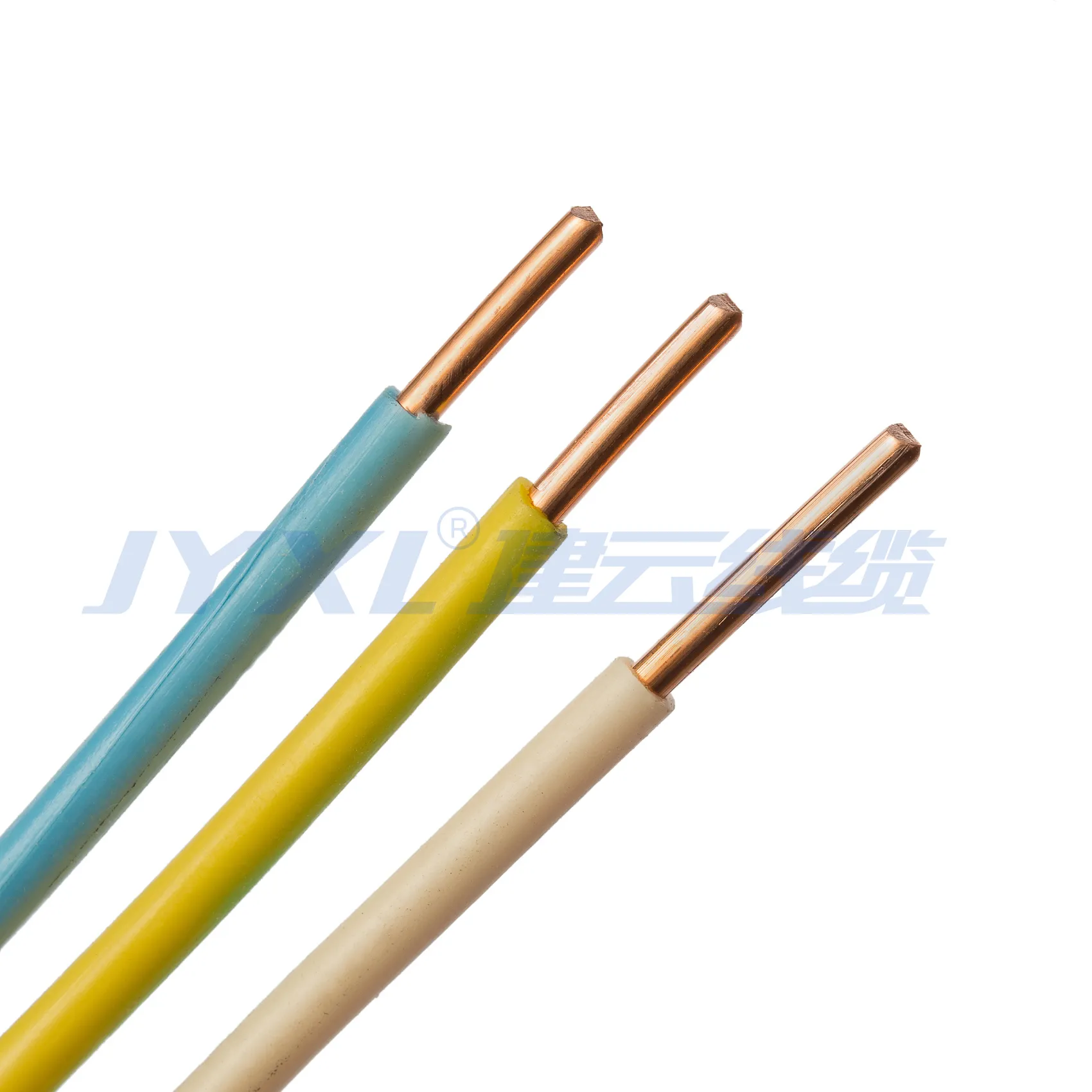
Jianyun H07V-U Solid Copper PVC Wire is a single core rigid electrical wire manu
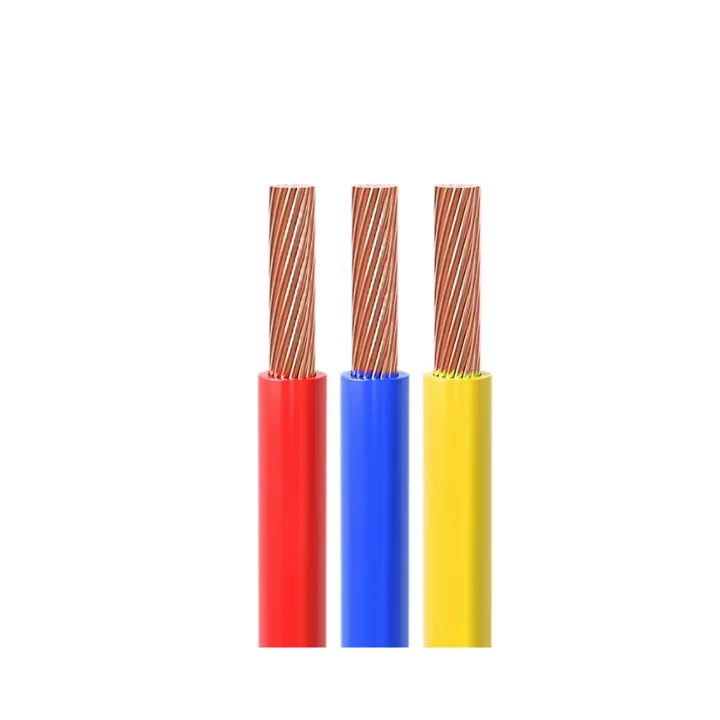
CE Certification 450/750v H07VVF Flexible Copper PVC Insulated Ac Cable 3*2.5 Mm