Keep up to date with our latest company news and relevant industry knowledge.
Time: 2026-01-27 08:56:33 Source: Henan Province Jianyun Cable Co., Ltd.
By Jianyun Cable – Professional Manufacturer of Quality Electrical Cables
In industrial environments — factories, petrochemical plants, mining operations, data centers, renewable energy farms, and heavy manufacturing — the wrong power cable can lead to catastrophic failures, production downtime, safety hazards, or regulatory violations. Proper selection of the right power cable ensures maximum uptime, personnel safety, long service life (30–50 years), and compliance with stringent codes. This technical guide walks you through the systematic process to select the right power cable for any industrial application in 2025.
Start with the system voltage and load:
Determine continuous current (I), short-circuit current (Isc), and fault clearing time to size conductors and select appropriate short-circuit withstand capability.
Use the formula:
Voltage drop (%) = (√3 × I × L × (R cosφ + X sinφ)) / V × 100
Where:
Target: ≤3% for feeders, ≤5% total. For long runs or high-power loads (e.g., 500 kW motor 300 m away), you may need to upsize significantly or switch to higher voltage.
Industrial environments are harsh. Key factors:
Conductor:
Insulation:
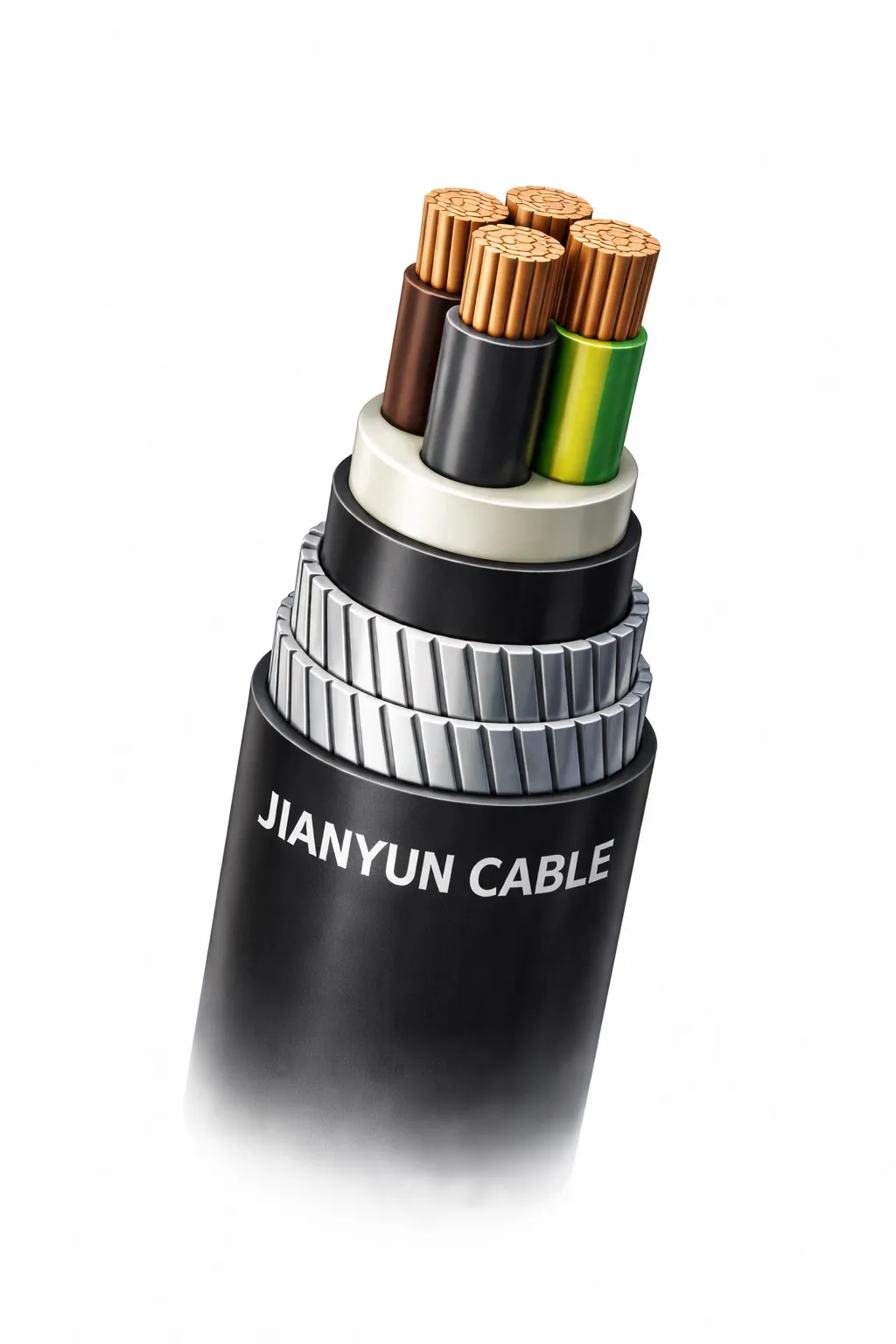
| Cable Type | Voltage | Insulation | Protection | Best Industrial Application |
|---|---|---|---|---|
| XLPE/SWA | 0.6/1 kV – 18/30 kV | XLPE | Steel wire armor | Underground feeders, outdoor distribution |
| EPR/CPE | 0.6/1 kV | EPR | Chlorinated polyethylene sheath | Trailing/reeling cables, mining, ports |
| XLPE/Cu Screen | 6/10–18/30 kV | XLPE | Copper screen + LSZH outer | VFD drives, EMI-sensitive areas |
| Fire-Resistant XLPE/Mica | 0.6/1 kV | XLPE + mica tape | LSZH sheath | Emergency circuits, petrochemical plants |
| Silicone High-Temp | 0.6/1 kV | Silicone rubber | Glass braid or SS braid | Furnaces, steel mills, foundries |
Industrial projects must comply with:
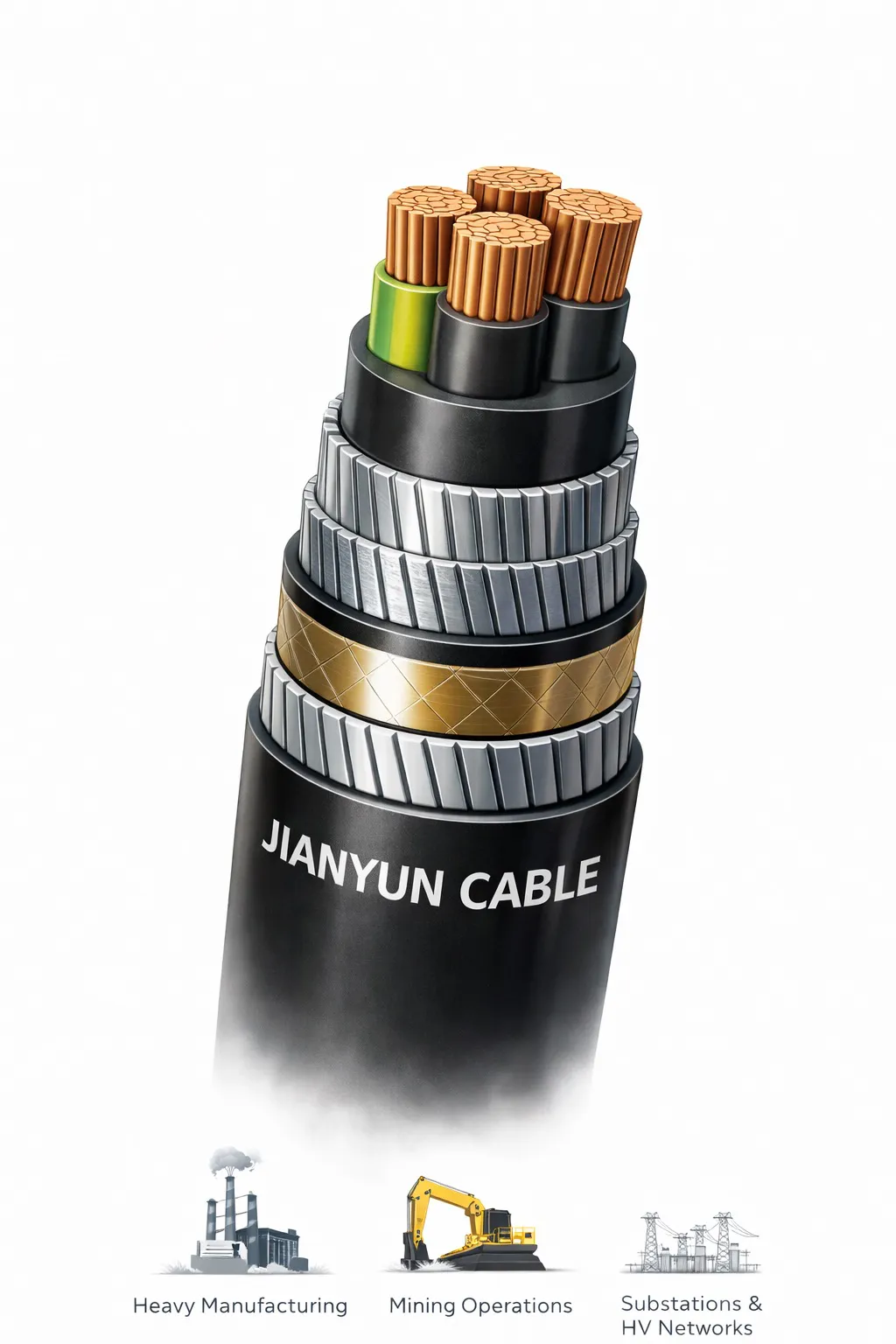
Selecting the right power cable is not just a technical choice — it’s a decision that directly impacts safety, uptime, and total cost of ownership in industrial environments. Partner with a manufacturer that understands these requirements to ensure long-term reliability.
Need expert help to select the right power cable for your industrial project? Contact Henan Province Jianyun Cable Co., Ltd. – we deliver certified, high-performance solutions tailored to the toughest applications.
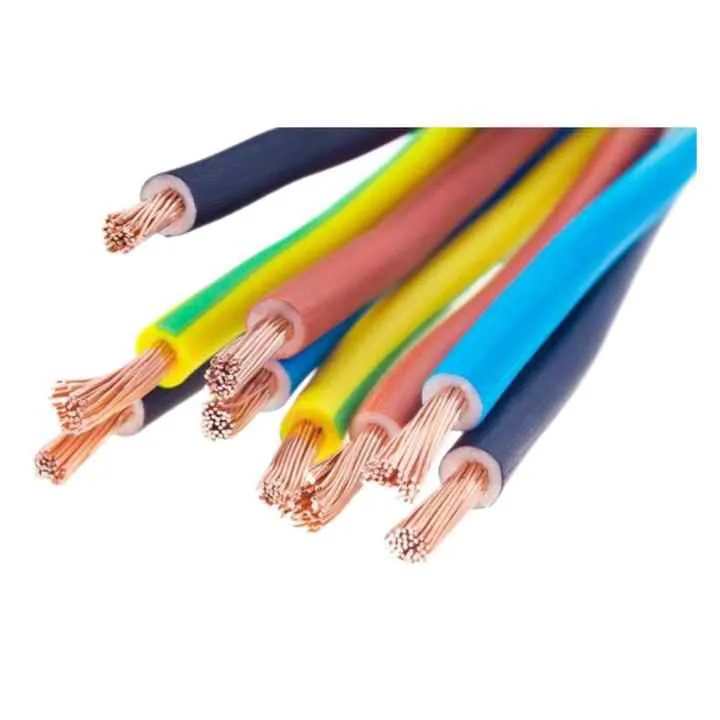
Flexible copper electrical wire with stranded copper conductor, PVC insulation a
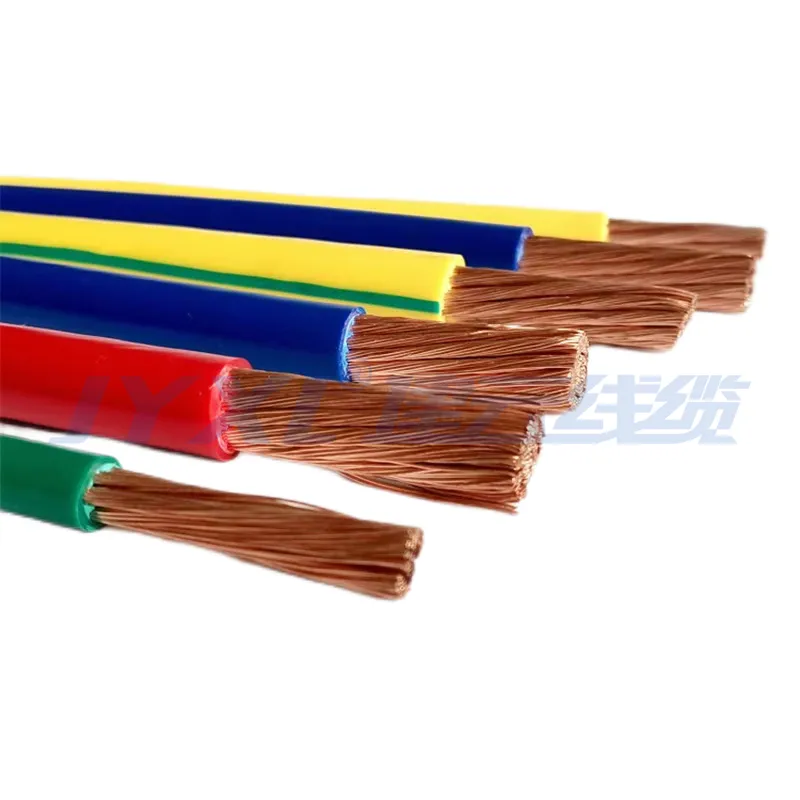
H07V-K flexible electrical wire with 1.5mm² and 2.5mm² stranded copper conductor
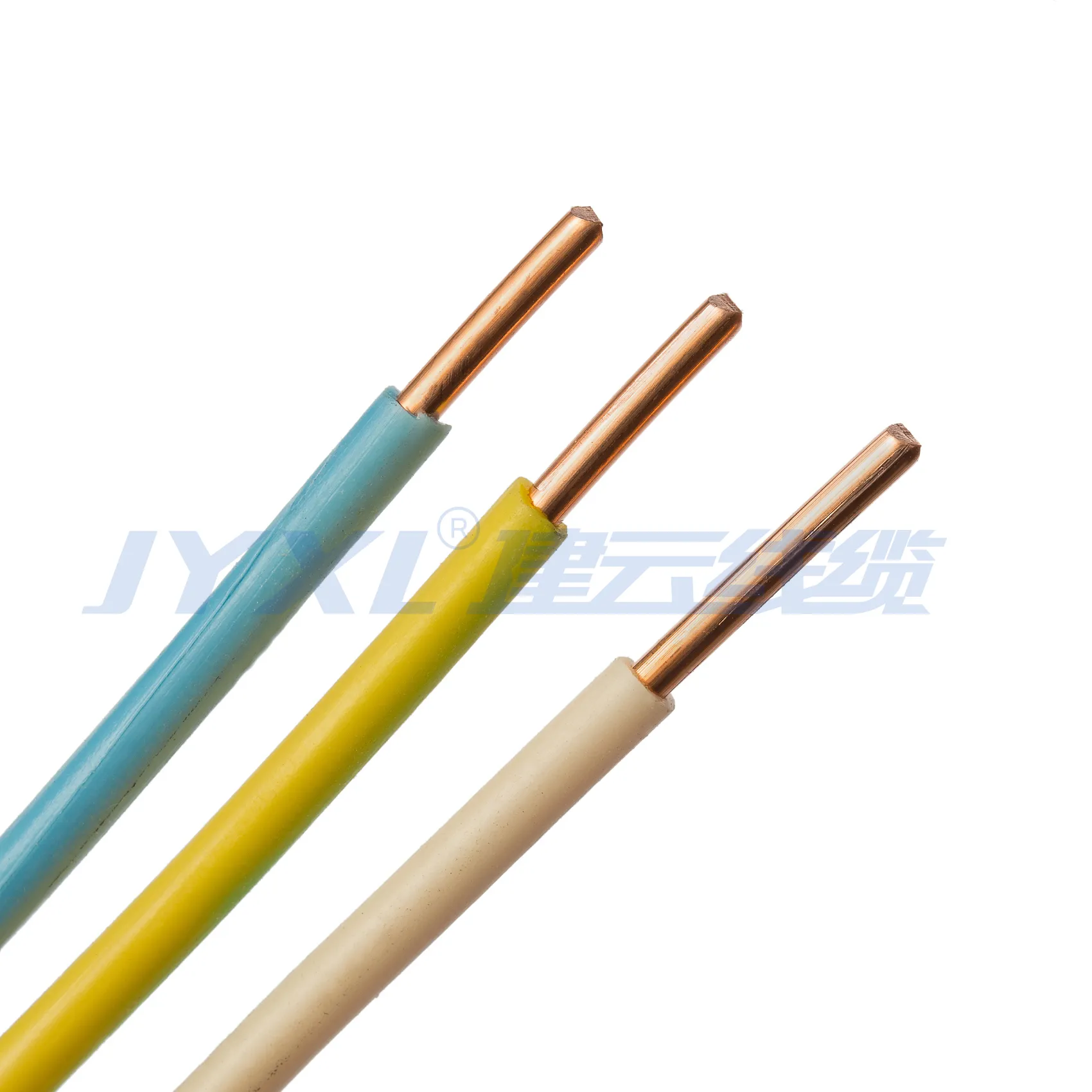
Jianyun H07V-U Solid Copper PVC Wire is a single core rigid electrical wire manu
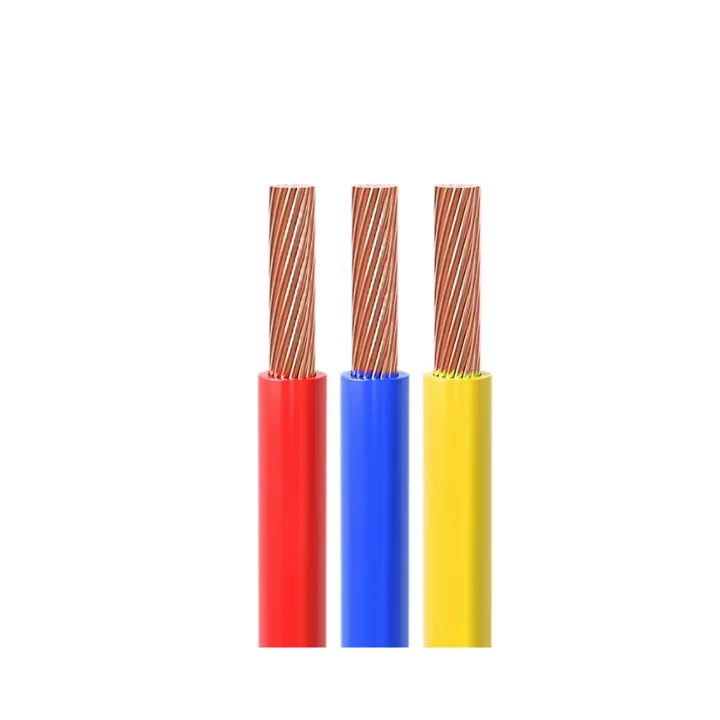
CE Certification 450/750v H07VVF Flexible Copper PVC Insulated Ac Cable 3*2.5 Mm