Keep up to date with our latest company news and relevant industry knowledge.
Time: 2026-01-26 12:03:35 Source: Henan Province Jianyun Cable Co., Ltd.
By Jianyun Cable – Professional Manufacturer of Quality Electrical Cables
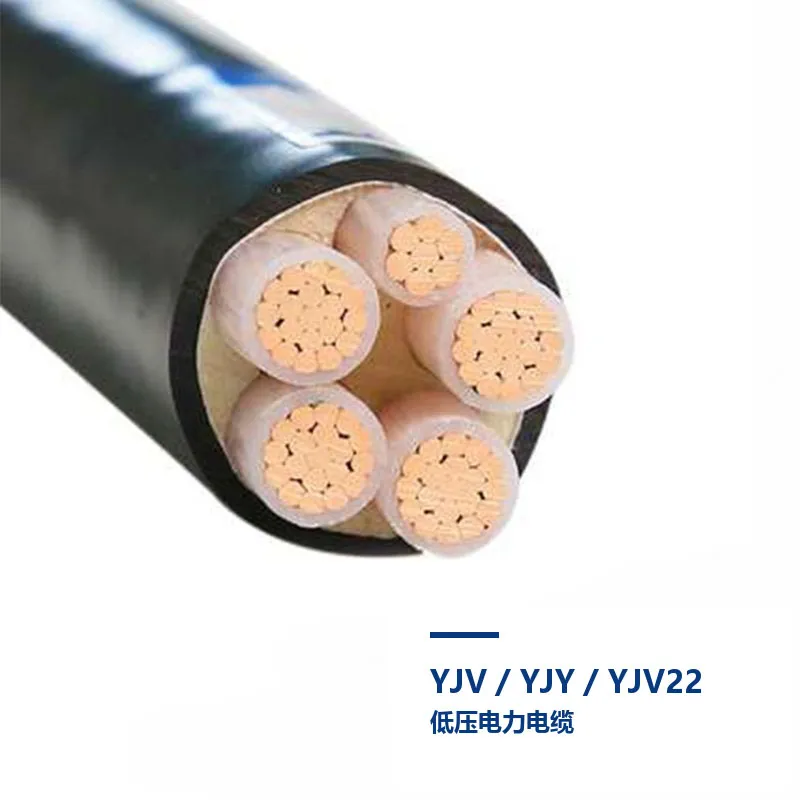
Power cable testing is the cornerstone of quality assurance, safety, and reliability in electrical power transmission and distribution. The International Electrotechnical Commission (IEC) and International Organization for Standardization (ISO) provide the world's most authoritative standards for testing electrical power cables. These standards ensure cables meet stringent performance, safety, and durability requirements across low, medium, and high voltage applications. This comprehensive guide explains the major IEC and ISO standards, test classifications, and technical requirements that every cable manufacturer, specifier, and end-user should understand in 2025.
The IEC publishes the most widely adopted standards for power cable testing:
IEC standards define three main categories of tests to ensure cable quality at different stages:
These tests verify insulation quality, conductor continuity, and electrical performance:
These ensure cables withstand installation and operational stresses:
Fire safety is increasingly critical under the EU Construction Products Regulation (CPR):
| Test Type | LV Cables (IEC 60502-1) | MV Cables (IEC 60502-2) | HV Cables (IEC 60840/62067) |
|---|---|---|---|
| Conductor Resistance | Routine | Routine | Routine |
| HV Withstand | Routine (4 kV AC / 15 min) | Routine (2.5U₀ AC / 30 min) | Routine + Type (higher levels) |
| Partial Discharge | Not required | Sample & Type (≤5 pC) | Mandatory Type & Routine |
| Tan Delta | Not required | Optional | Type test |
| Bending Test | Sample | Type | Type |
| Fire Performance (CPR) | Eca–B2ca required | Cca–B2ca common | Application-specific |
While IEC focuses on technical test methods, ISO provides quality management and manufacturing standards:
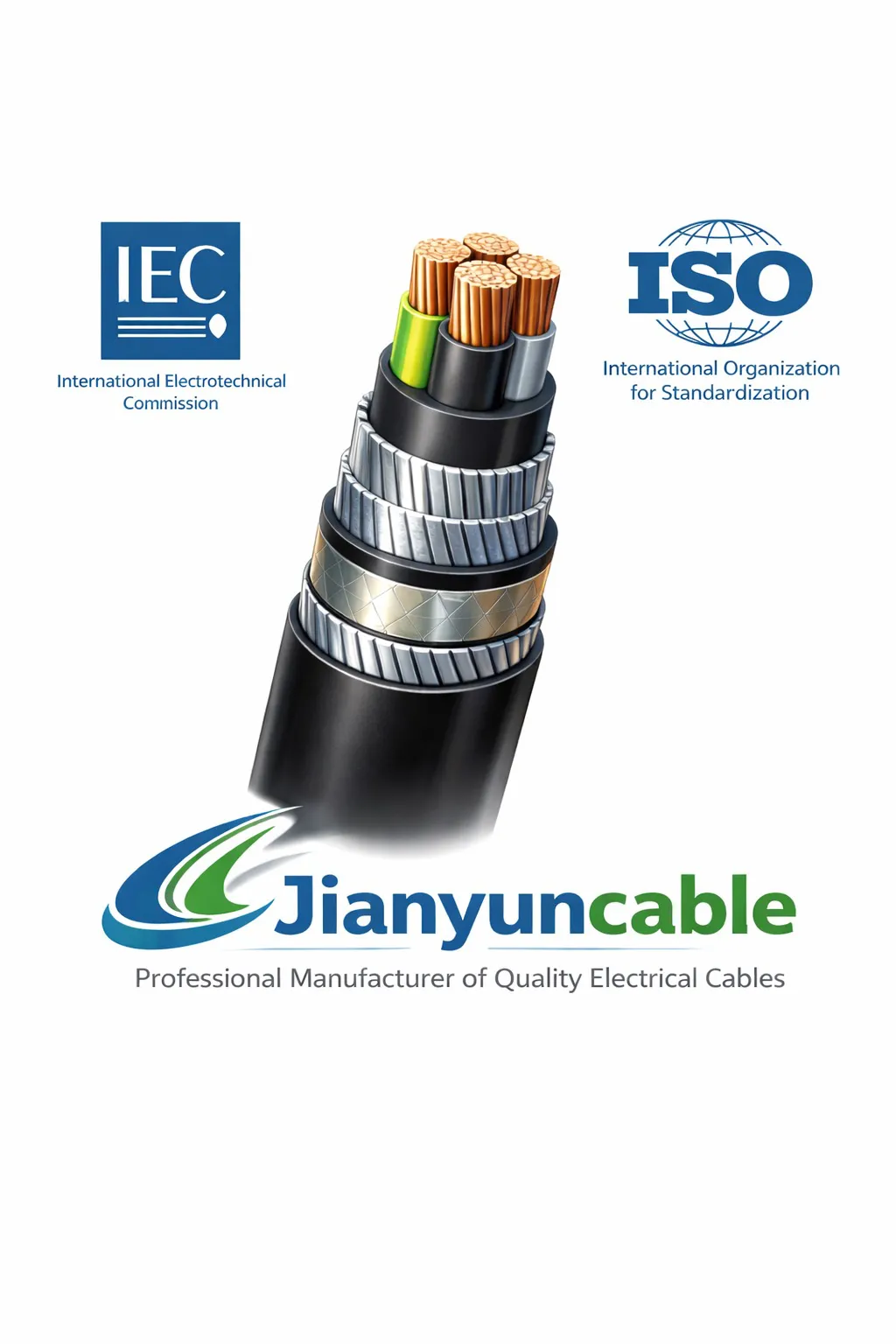
Adhering to IEC and ISO standards for power cable testing guarantees safety, reliability, and performance throughout the cable’s service life. From routine conductor resistance checks to rigorous type tests like partial discharge and fire performance, these standards protect lives, infrastructure, and investments. Understanding and applying these requirements is essential for any serious cable project in 2025 and beyond.
Need power cables that fully comply with the latest IEC & ISO testing standards? Contact Henan Province Jianyun Cable Co., Ltd. – your trusted partner for certified, high-quality electrical cables.
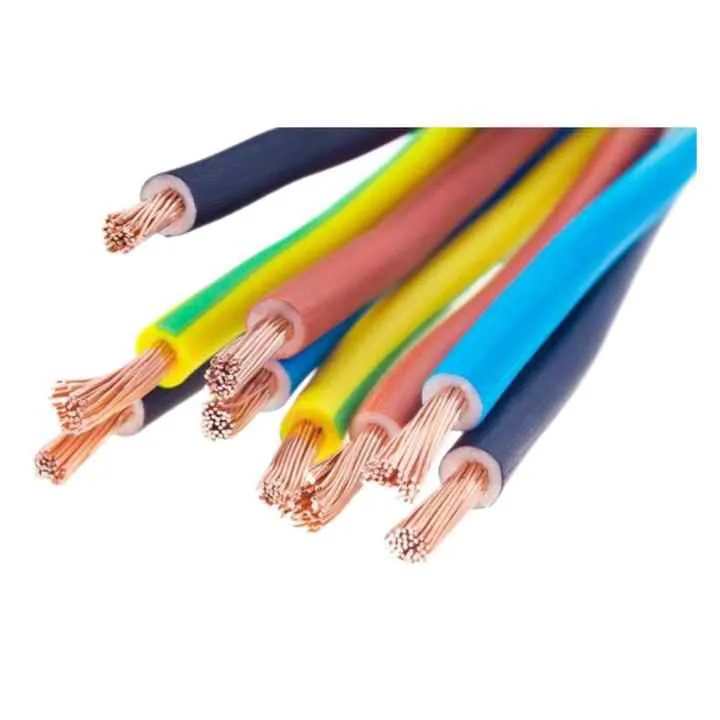
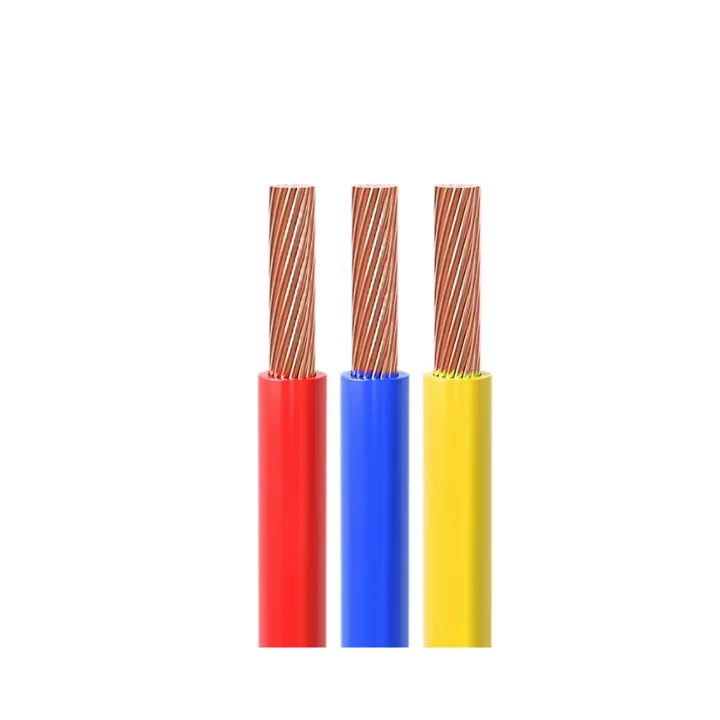
Flexible copper electrical wire with stranded copper conductor, PVC insulation a
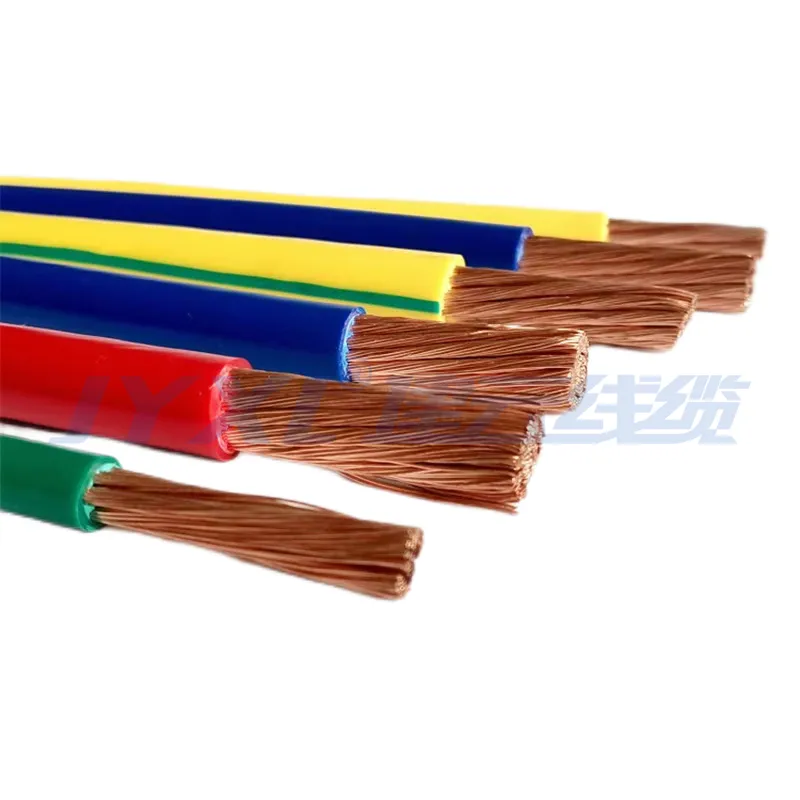
H07V-K flexible electrical wire with 1.5mm² and 2.5mm² stranded copper conductor
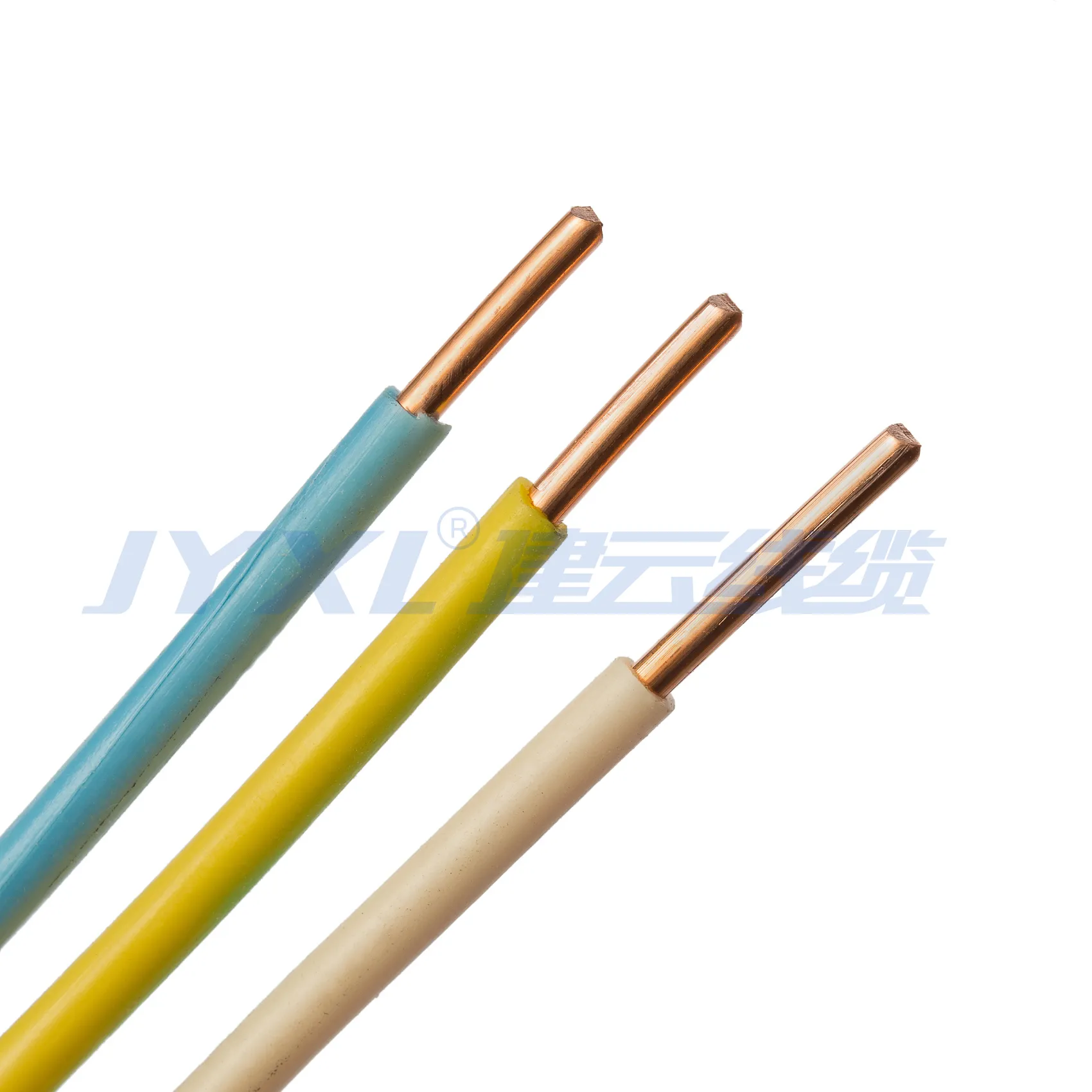
Jianyun H07V-U Solid Copper PVC Wire is a single core rigid electrical wire manu
CE Certification 450/750v H07VVF Flexible Copper PVC Insulated Ac Cable 3*2.5 Mm