Keep up to date with our latest company news and relevant industry knowledge.
Time: 2026-01-26 11:33:00 Source: Henan Province Jianyun Cable Co., Ltd.
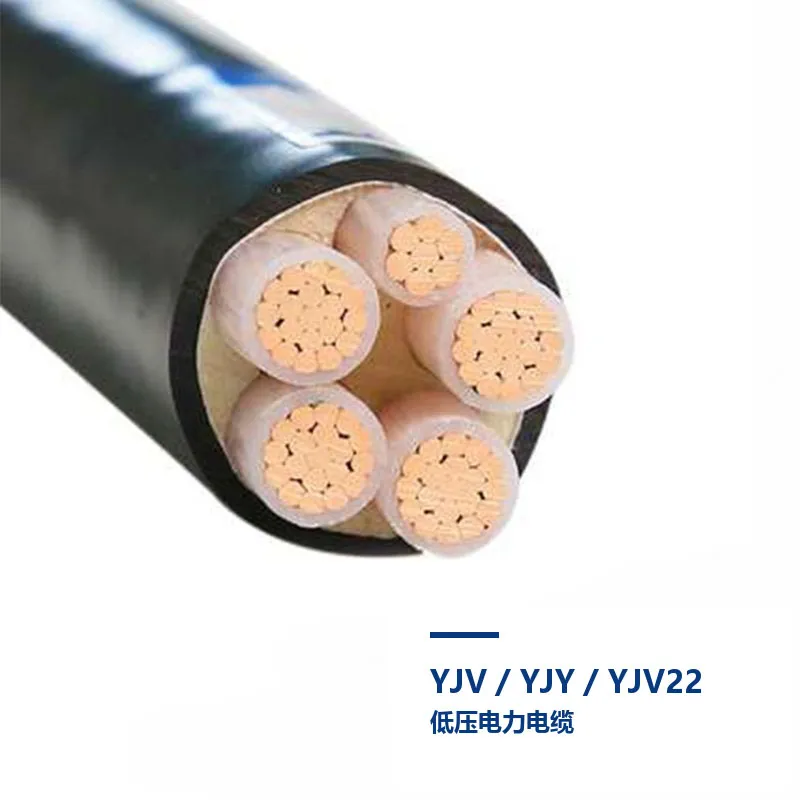
When selecting power cables, one of the most common decisions is PVC vs XLPE cable. Both are widely used insulation materials, but they differ significantly in performance, temperature rating, durability, and cost. This 2025 guide compares PVC vs XLPE cable in depth to help you decide which is best for your residential, commercial, or industrial project.
PVC (Polyvinyl Chloride) and XLPE (Cross-Linked Polyethylene) are the two dominant insulation types for low- and medium-voltage power cables. PVC has been the traditional choice for decades due to its low cost and flexibility, while XLPE has become the preferred option for modern installations requiring higher performance, especially in underground and high-temperature applications.
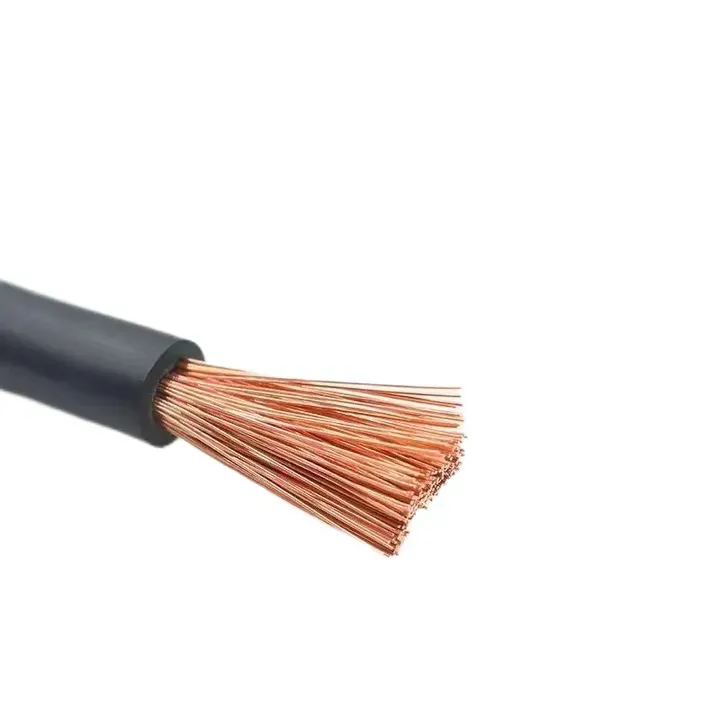
PVC Insulation: A thermoplastic material that softens when heated and hardens when cooled. It is flexible, flame-retardant, and easy to process.
XLPE Insulation: A thermoset material created by cross-linking polyethylene molecules (via peroxide, silane, or irradiation). This process dramatically improves thermal stability, mechanical strength, and electrical properties.
| Feature | PVC Cable | XLPE Cable |
|---|---|---|
| Insulation Type | Thermoplastic (PVC) | Thermoset (Cross-Linked Polyethylene) |
| Maximum Operating Temperature | 70°C (continuous) | 90°C (continuous) – up to 105°C in some grades |
| Short-Circuit Temperature | 160°C (5 sec) | 250°C (5 sec) |
| Voltage Rating | Typically up to 1 kV (LV) | Up to 35 kV (MV) and higher |
| Dielectric Strength | Good | Excellent (lower losses) |
| Mechanical Strength | Moderate | Superior (better tensile strength) |
| Chemical & Water Resistance | Good | Excellent |
| Flexibility | High | Moderate (stiffer) |
| Cost | Lower | Higher (20–50% more) |
| Fire Performance | Flame-retardant but produces HCl smoke | Better when LSZH grade; lower smoke |
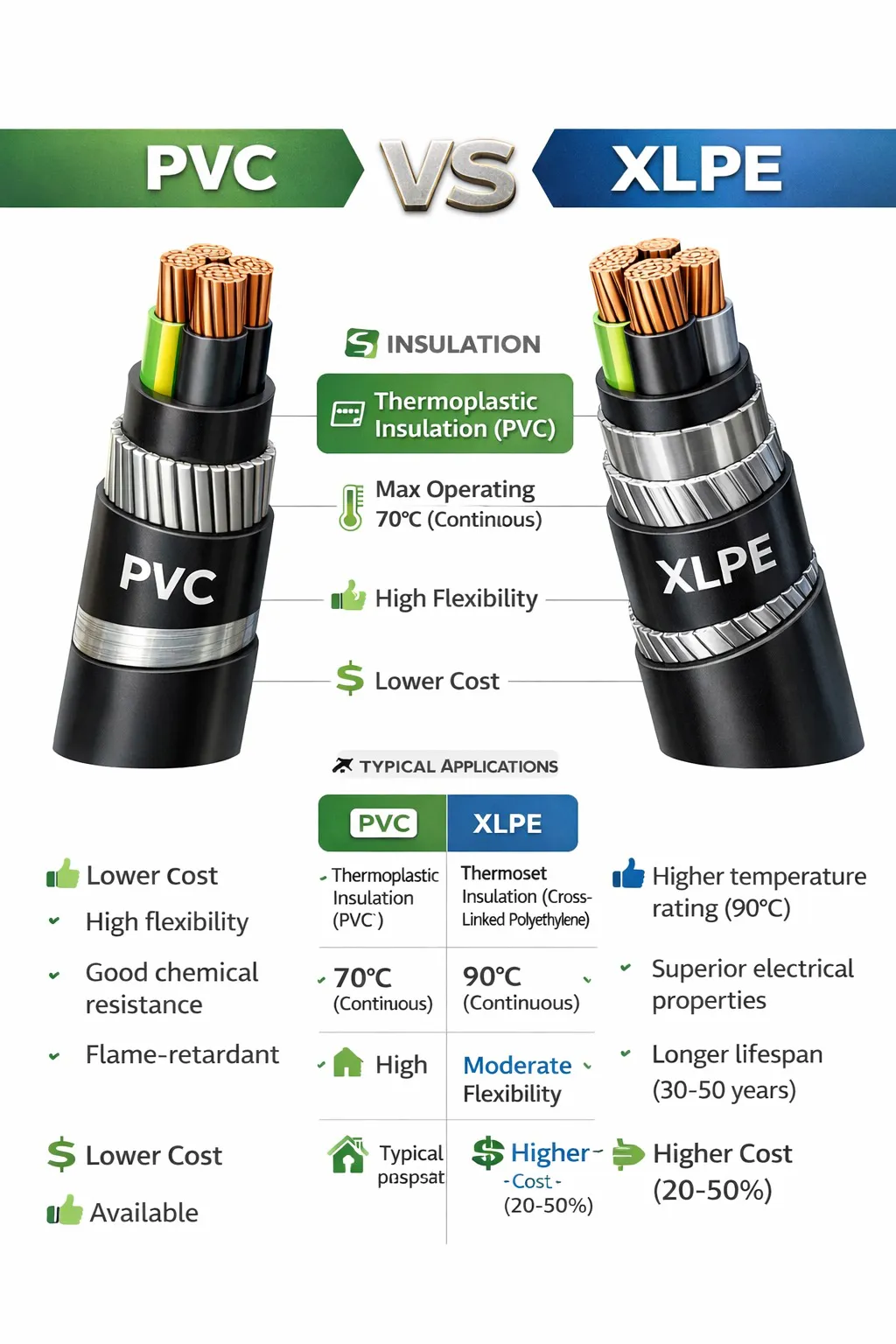
Advantages:
Disadvantages:
Advantages:
Disadvantages:
PVC cables are generally 20–50% cheaper than equivalent XLPE cables due to simpler manufacturing and lower material costs. However, XLPE often proves more economical over the long term thanks to higher current-carrying capacity (smaller cross-sections needed) and longer lifespan, reducing replacement and maintenance costs.
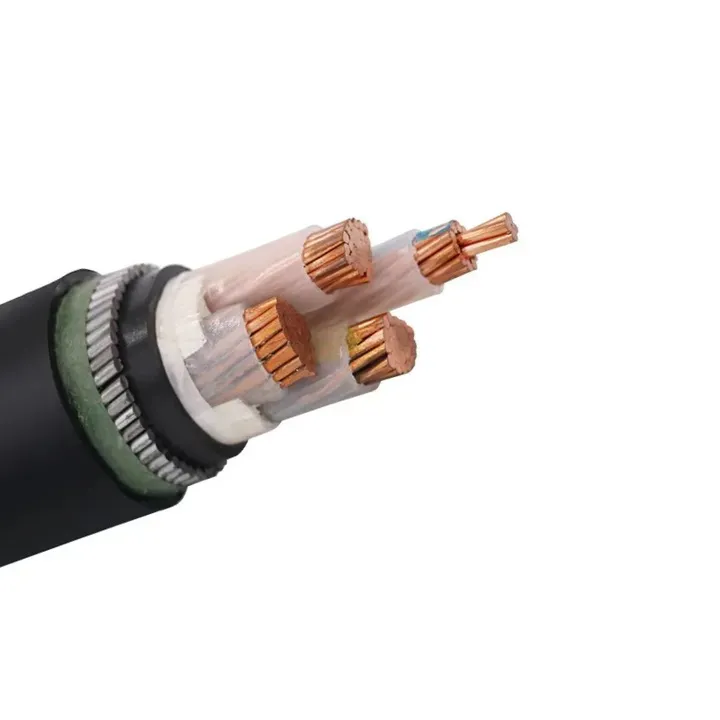
The choice between PVC vs XLPE cable depends on your specific needs: PVC remains a reliable, cost-effective option for many low-voltage indoor applications, while XLPE has become the modern standard for higher performance, underground, and industrial use. By understanding the differences, you can select the right cable for safety, efficiency, and longevity in 2025 and beyond.
Need high-quality PVC or XLPE cables that meet the latest standards? Contact Henan Province Jianyun Cable Co., Ltd. for expert advice and tailored solutions.
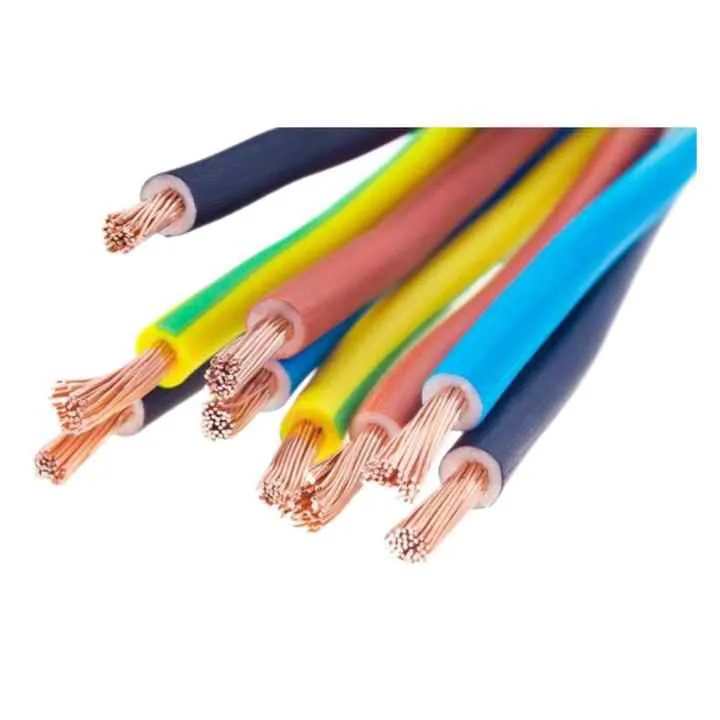
Flexible copper electrical wire with stranded copper conductor, PVC insulation a
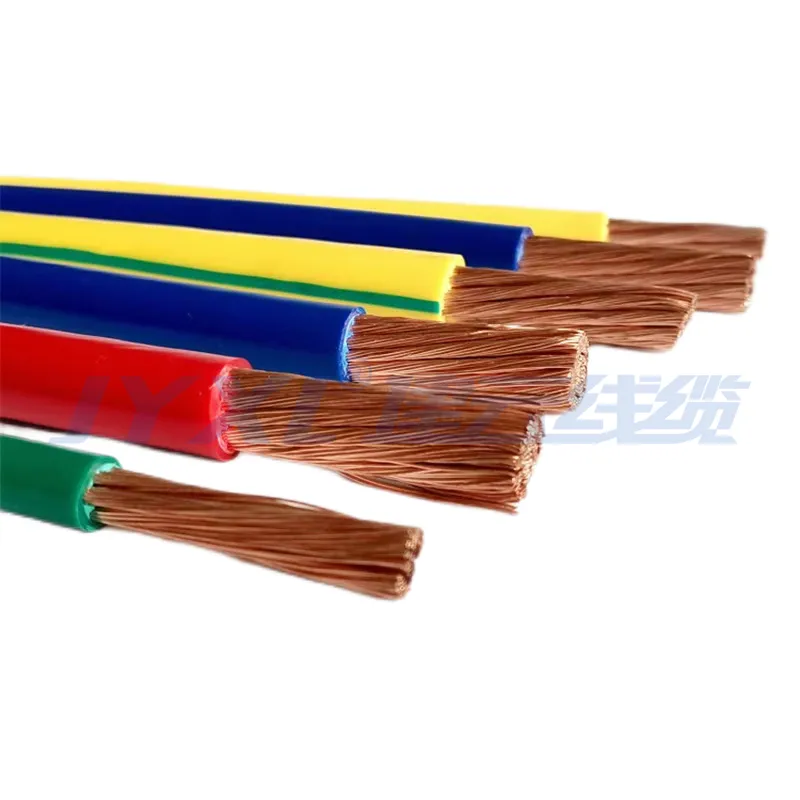
H07V-K flexible electrical wire with 1.5mm² and 2.5mm² stranded copper conductor
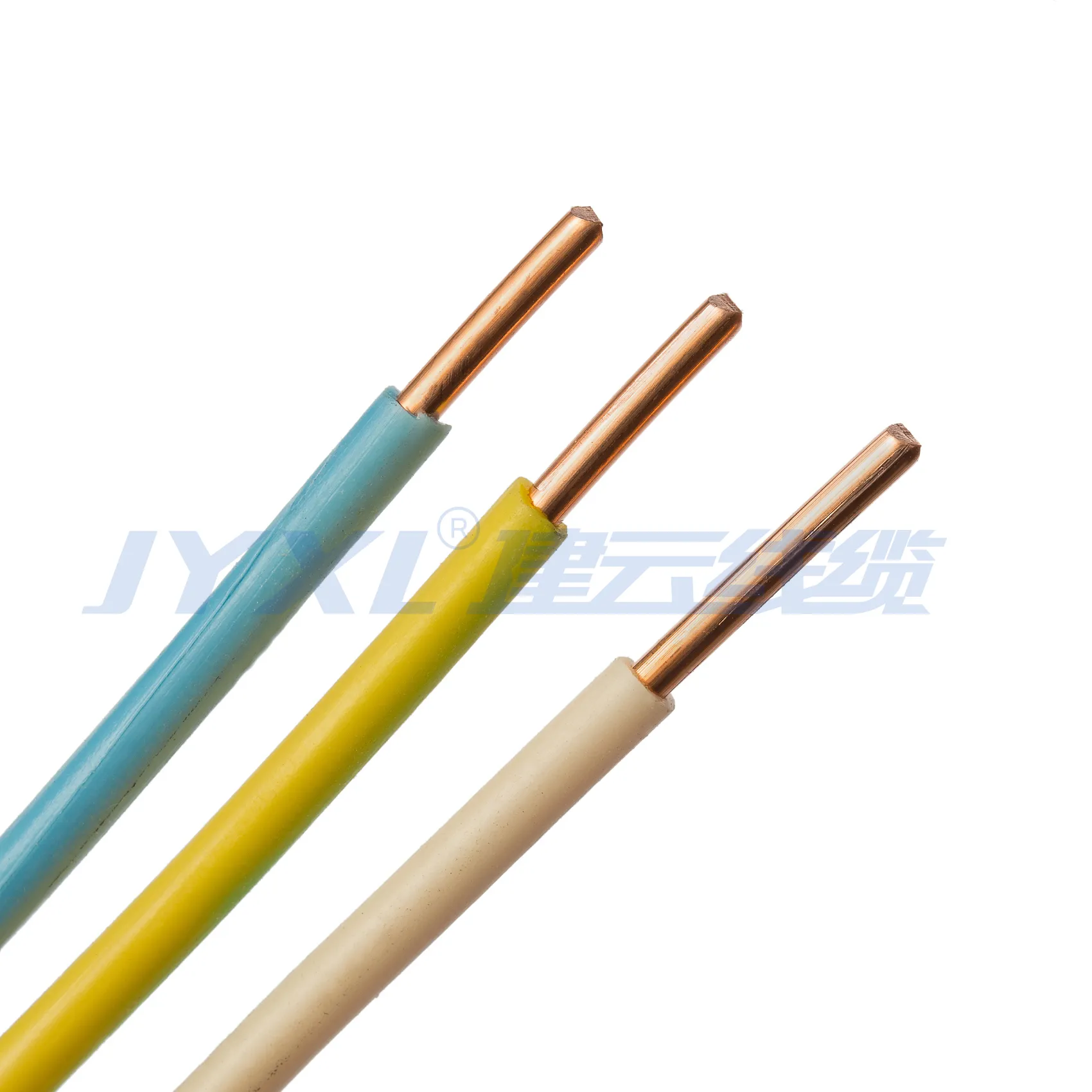
Jianyun H07V-U Solid Copper PVC Wire is a single core rigid electrical wire manu
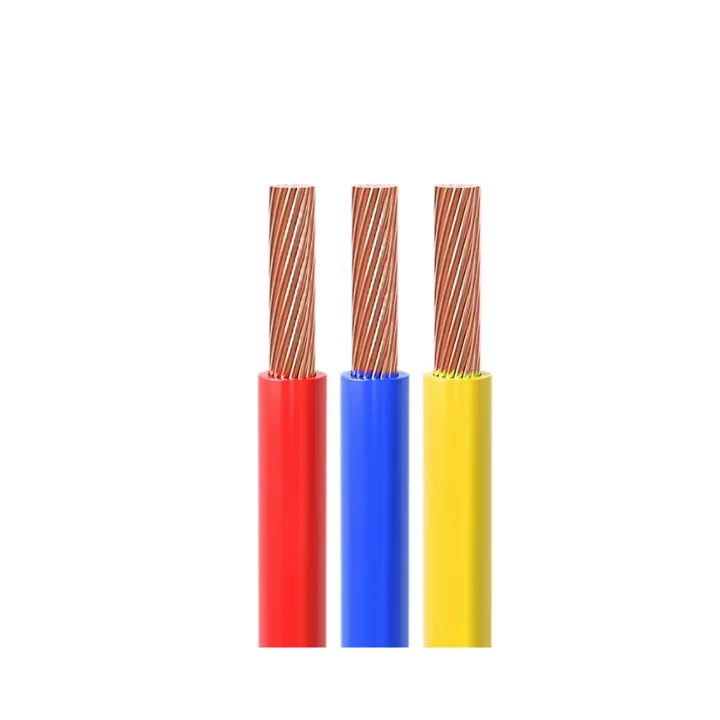
CE Certification 450/750v H07VVF Flexible Copper PVC Insulated Ac Cable 3*2.5 Mm