Keep up to date with our latest company news and relevant industry knowledge.
Time: 2025-12-09 07:08:25 Source: Henan Province Jianyun Cable Co., Ltd.
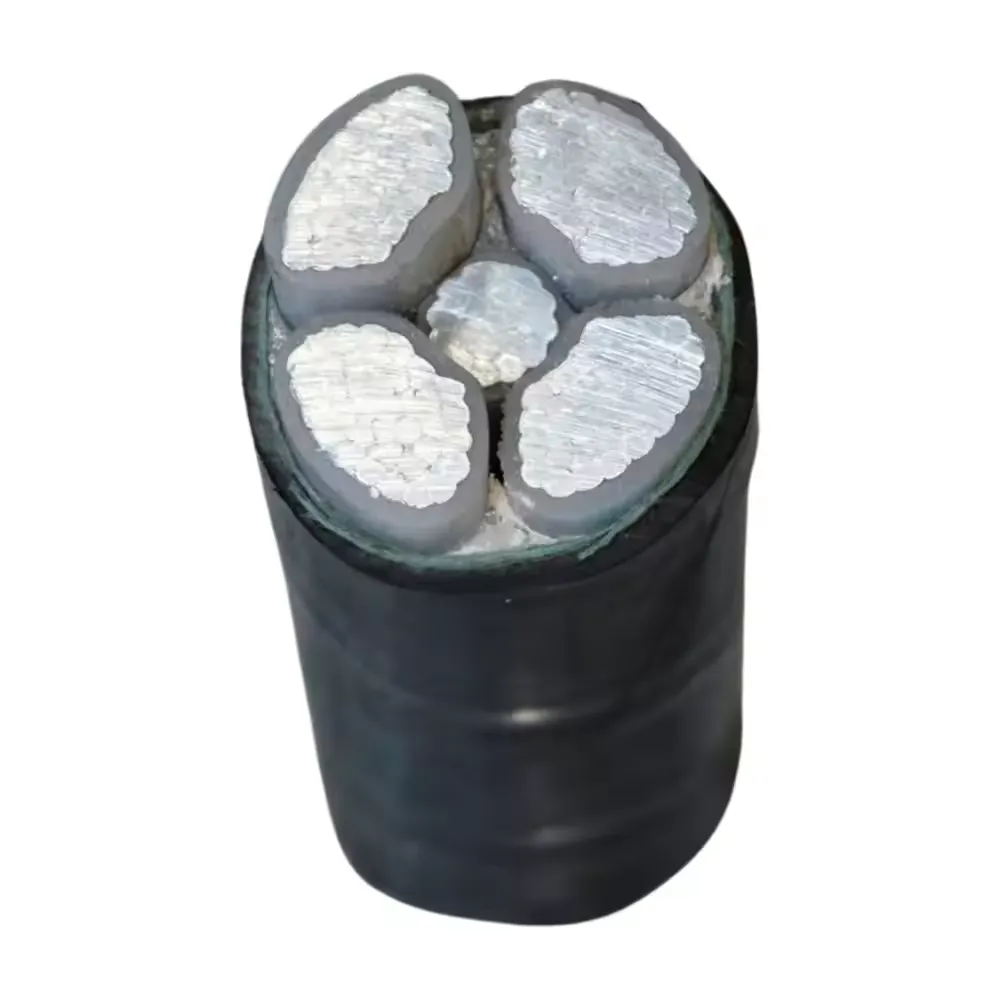
Power cables are the vital arteries of modern electrical systems, transmitting energy from sources to consumers across homes, industries, and vast transmission networks. With diverse designs tailored to voltage, environment, and application, understanding their types is essential for safe, efficient installations. In 2025, as renewable integration and smart grids evolve, power cables must balance performance, durability, and sustainability. This guide explores classifications by voltage, conductors, insulation, and more, drawing on global standards like IEC and NEMA to help engineers, installers, and buyers make informed choices.
A power cable is an assembly of insulated conductors within a protective sheath, designed to carry electrical current over distances while minimizing losses and hazards. Unlike data cables, power cables prioritize high ampacity, thermal endurance, and mechanical strength. They range from simple household wires to complex high-voltage lines spanning continents. Key drivers for variety include safety regulations, environmental resilience, and efficiency demands, ensuring cables withstand heat, moisture, and physical stress.
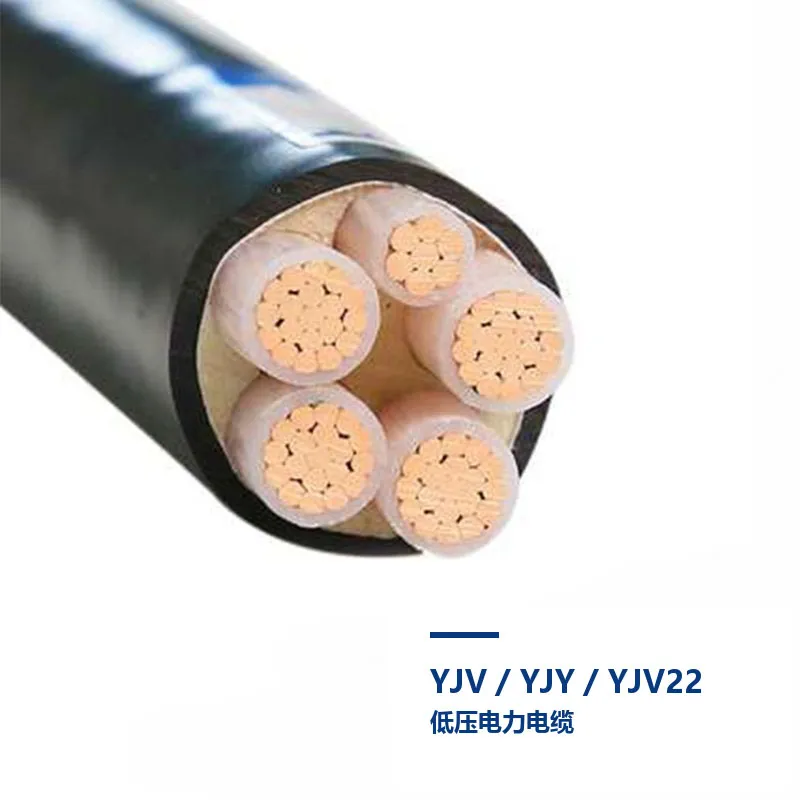
Every power cable shares core components:
This layered design ensures reliability, with variations based on voltage and use.
Power cables are primarily categorized by voltage to match transmission needs:
LV dominates residential (70% market share), while HV/EHV powers renewables.
| Voltage Class | Range | Typical Applications | Common Insulation |
|---|---|---|---|
| Low Voltage (LV) | Up to 1 kV | Homes, offices, machinery | PVC, XLPE |
| Medium Voltage (MV) | 1-35 kV | Industrial plants, substations | XLPE |
| High Voltage (HV) | 35-230 kV | Urban grids, renewables | XLPE, Oil-paper |
| Extra High Voltage (EHV) | >230 kV | Long-distance transmission | XLPE, Gas-insulated |
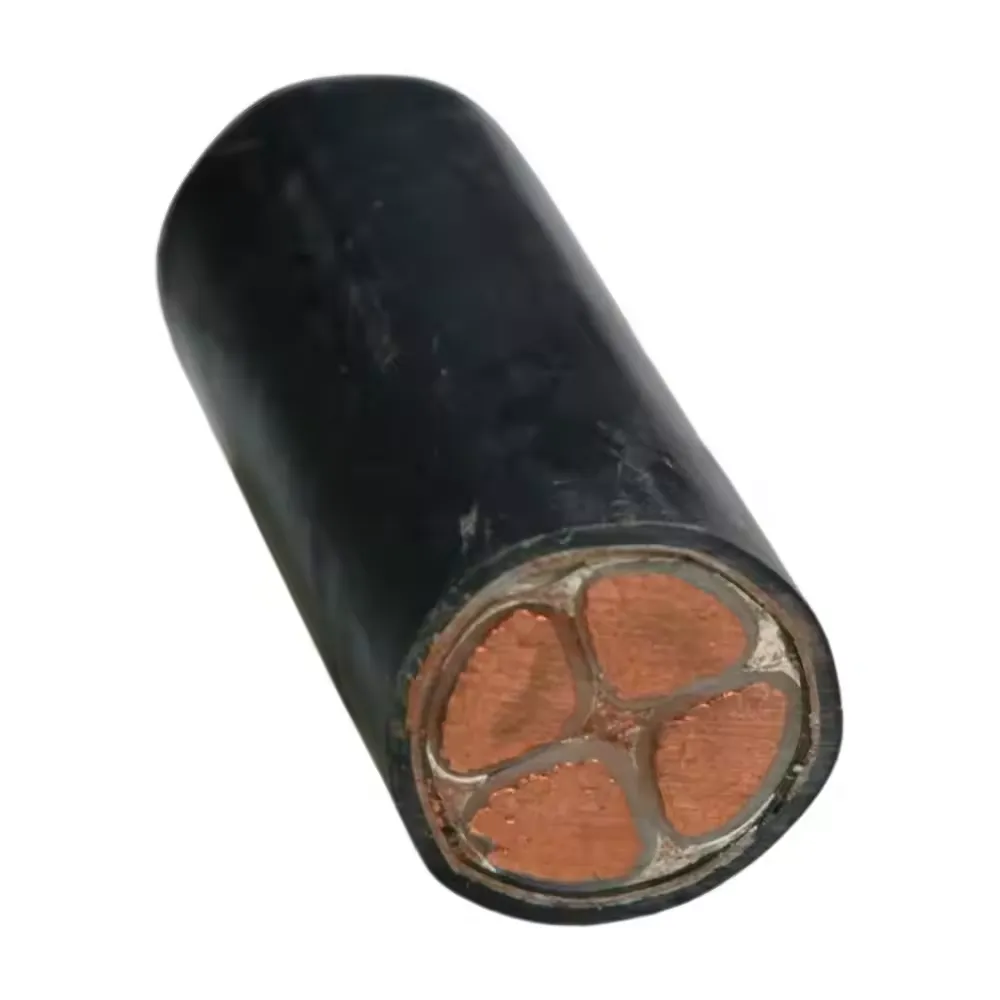
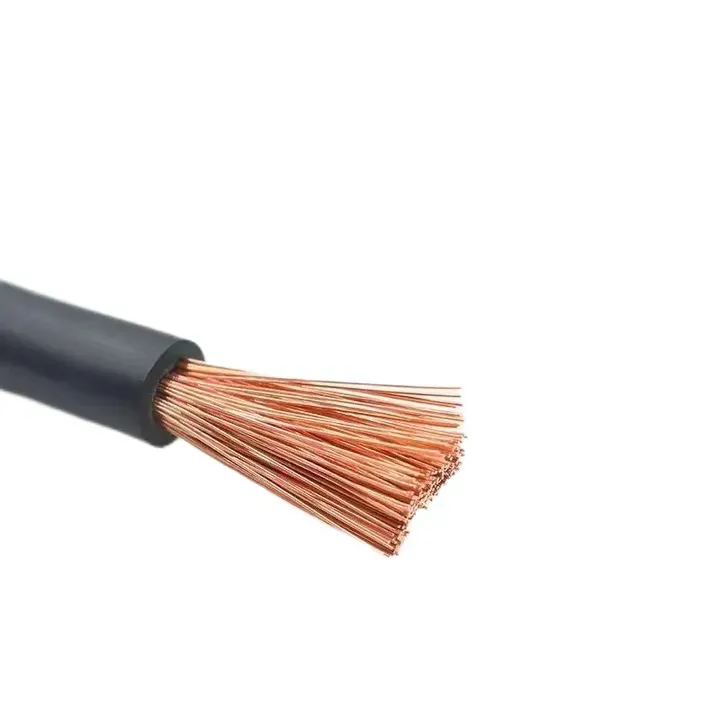
Conductors form the cable's core, with types based on flexibility and material:
Copper offers superior conductivity; aluminum cuts weight/cost for overhead lines.
Insulation prevents shorts; sheaths protect externally:
Sheaths like LSZH reduce smoke in fires; armored variants add steel for burial.
| Material | Temp Rating | Key Advantages | Common Use |
|---|---|---|---|
| PVC | 70°C | Cost-effective, flame-retardant | Indoor wiring |
| XLPE | 90°C | High temp/moisture resistance | MV/HV transmission |
| Rubber | 90°C+ | Flexible, oil-resistant | Industrial flex cords |
| PE | 70-90°C | UV/weatherproof | Outdoor/overhead |
Beyond basics, specialized cables address unique needs:
Power cords (IEC C13/C14) suit appliances; ABC (Aerial Bundled) for overhead distribution.
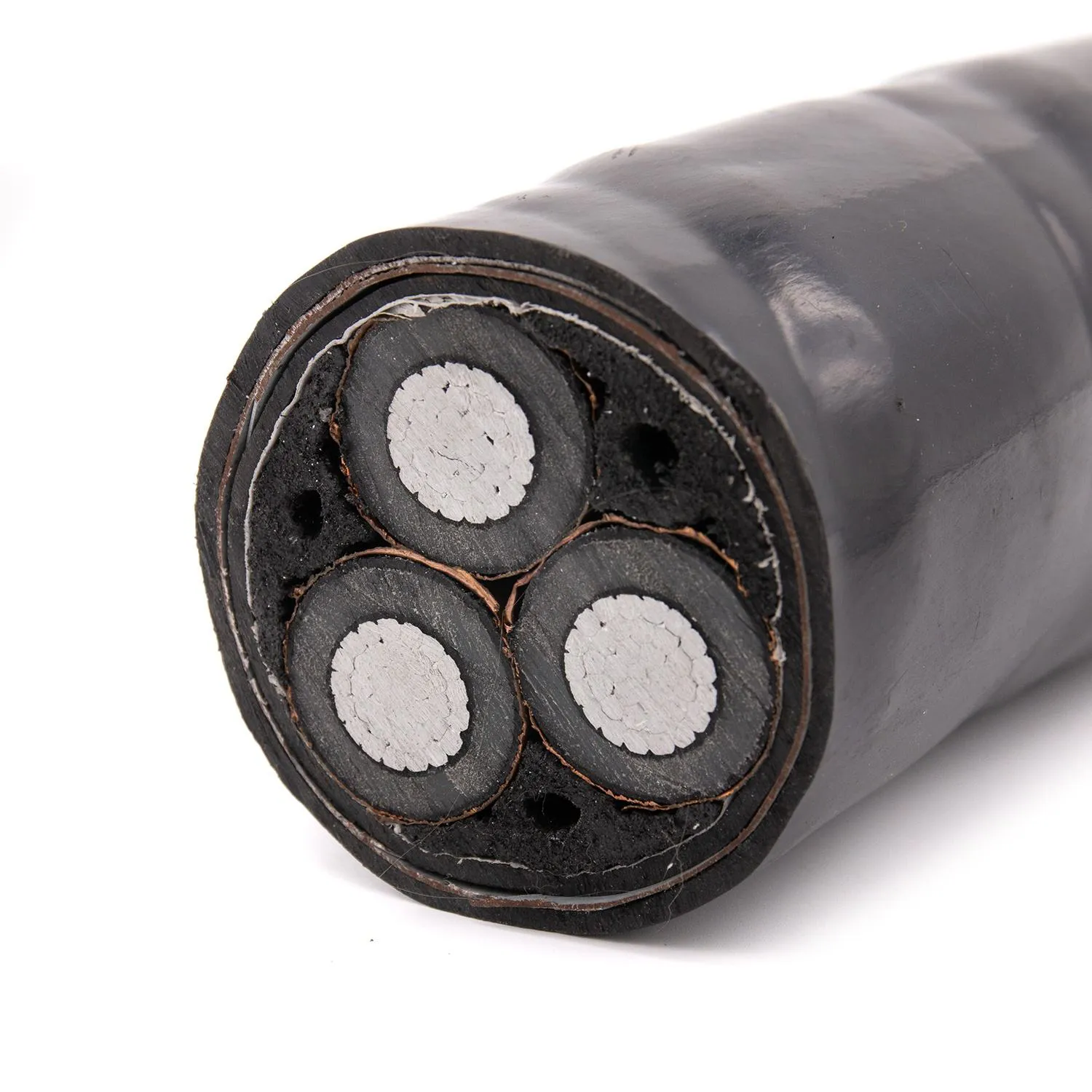
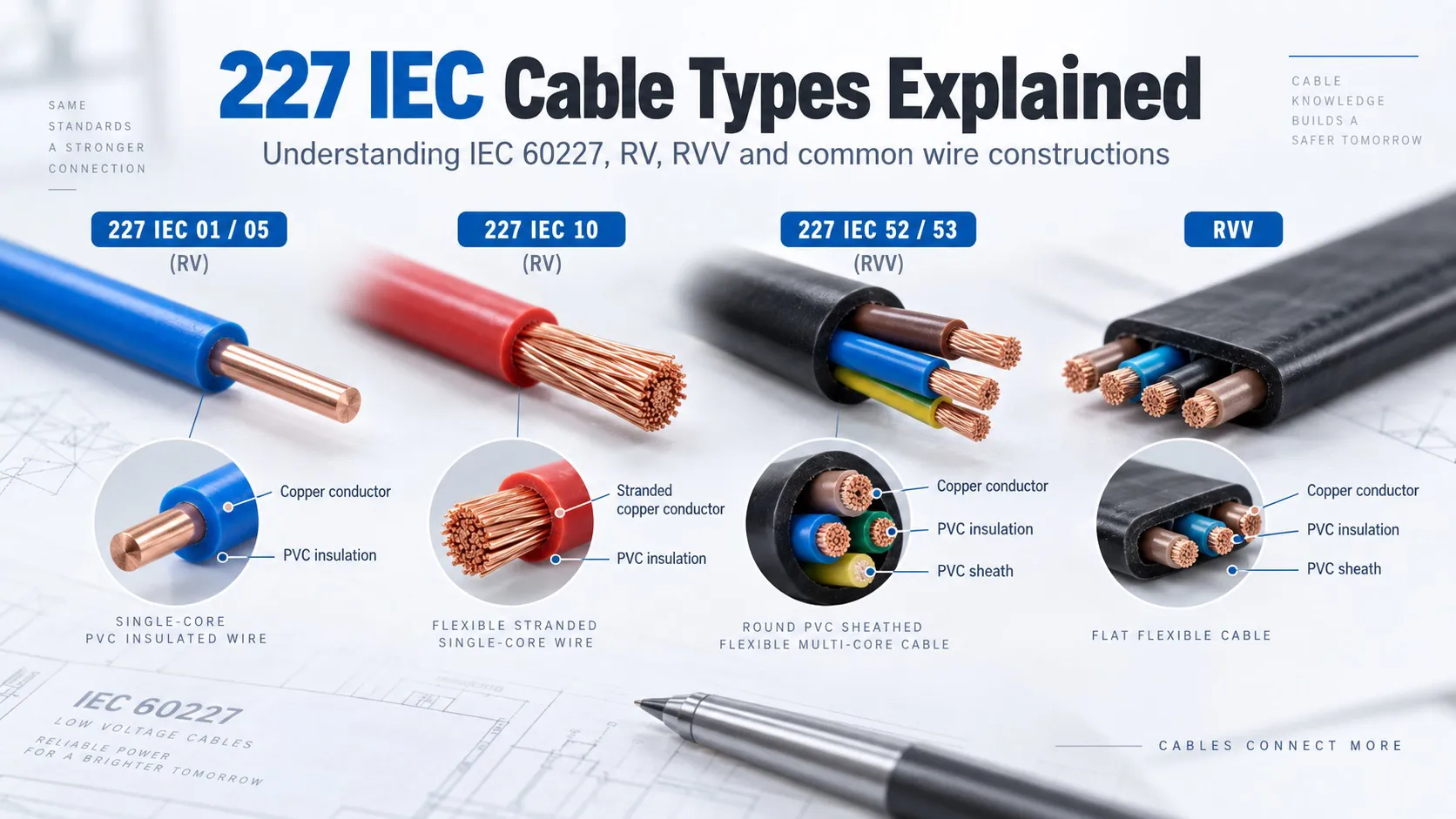
Global benchmarks ensure quality: IEC 60227 (PVC), IEC 60502 (XLPE), NEMA for US plugs, BS for UK armored. Certifications like UL, CE, or RoHS verify safety and eco-friendliness. In 2025, CPR Euroclasses mandate fire ratings for EU builds.
Power cables' diversity – from LV PVC for homes to EHV XLPE for grids – powers our world with precision and safety. By understanding classifications, you ensure optimal performance and compliance. As electrification accelerates, choose wisely for reliable, future-ready systems.
Need power cables? Contact Henan Province Jianyun Cable Co., Ltd. for compliant solutions and quotes.
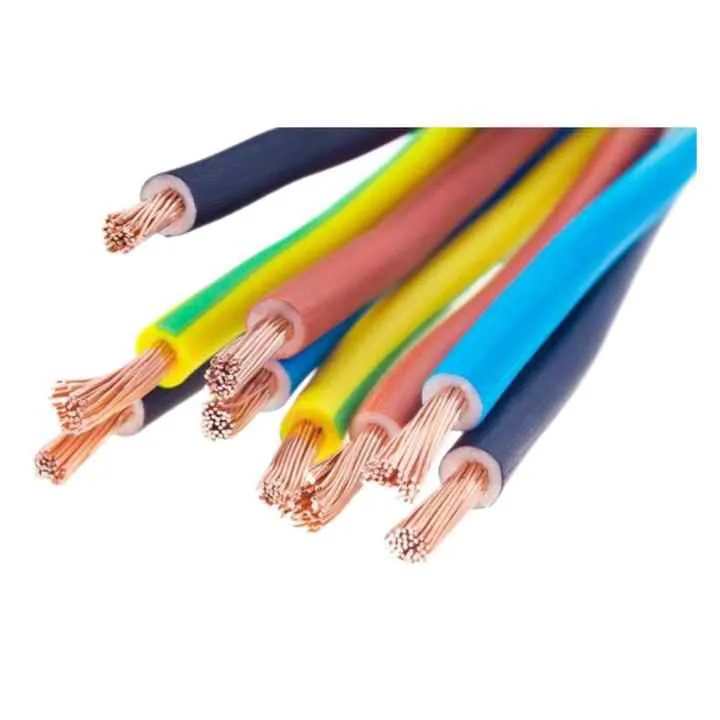
Flexible copper electrical wire with stranded copper conductor, PVC insulation a
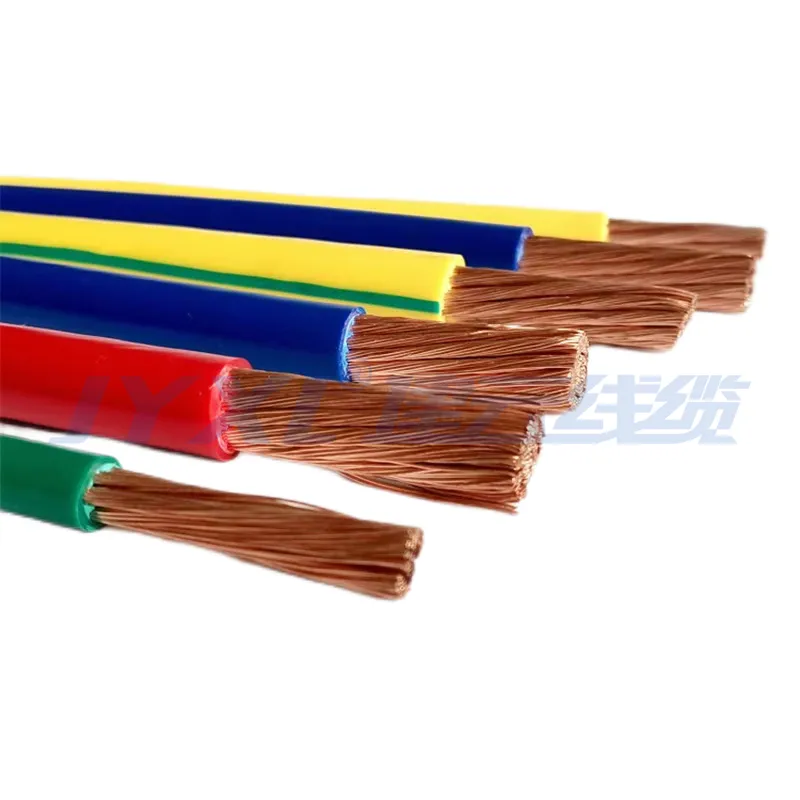
H07V-K flexible electrical wire with 1.5mm² and 2.5mm² stranded copper conductor
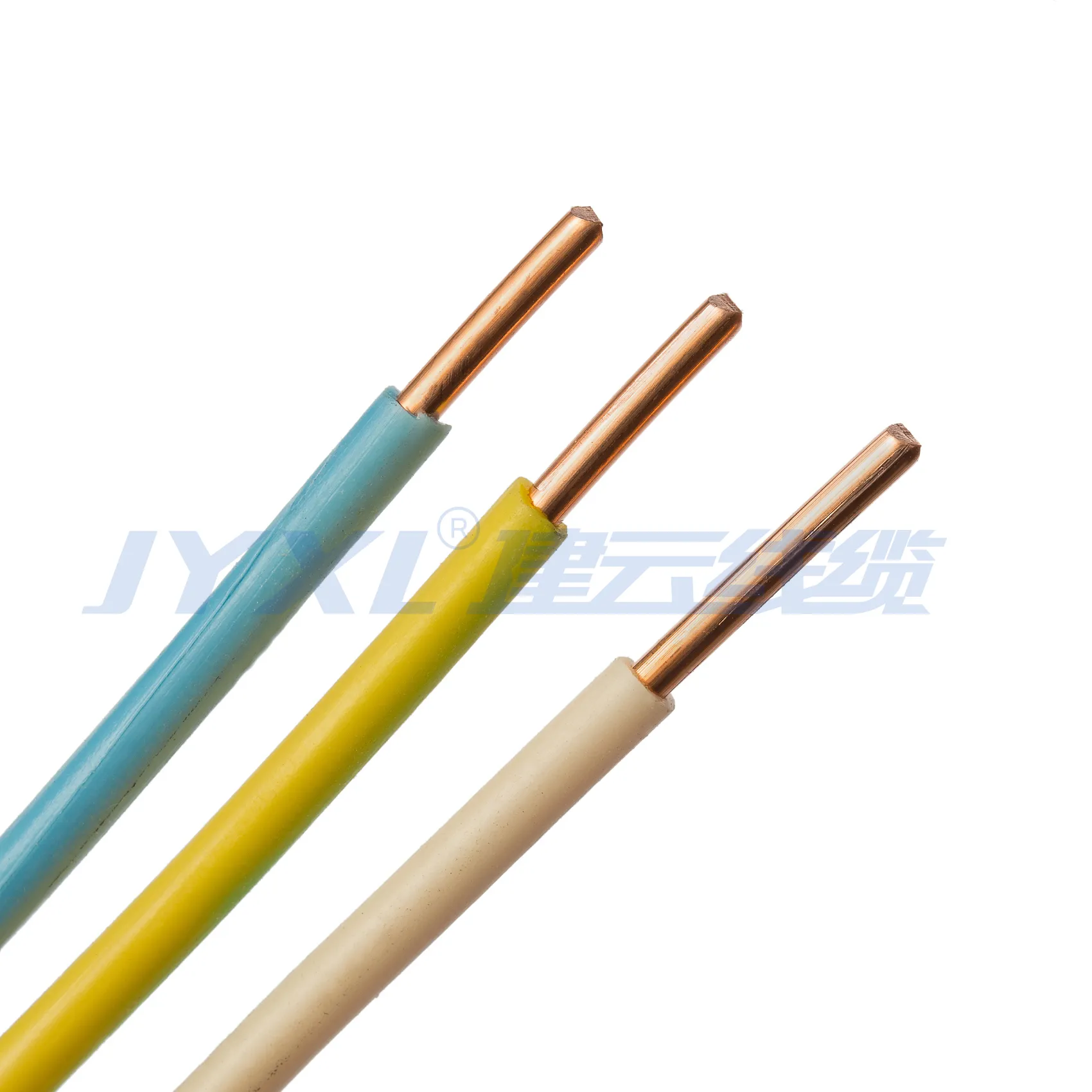
Jianyun H07V-U Solid Copper PVC Wire is a single core rigid electrical wire manu
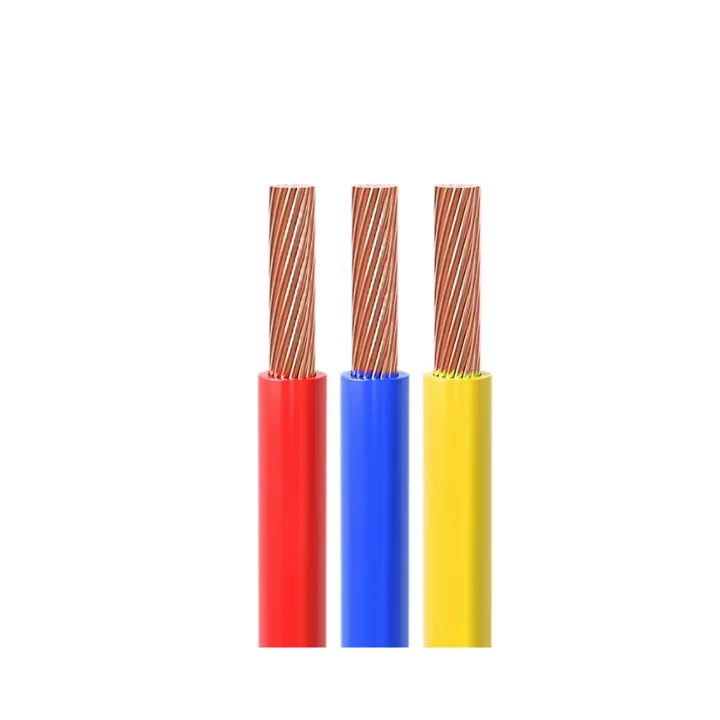
CE Certification 450/750v H07VVF Flexible Copper PVC Insulated Ac Cable 3*2.5 Mm