Keep up to date with our latest company news and relevant industry knowledge.
Time: 2025-12-16 14:15:49 Source: Henan Province Jianyun Cable Co., Ltd.
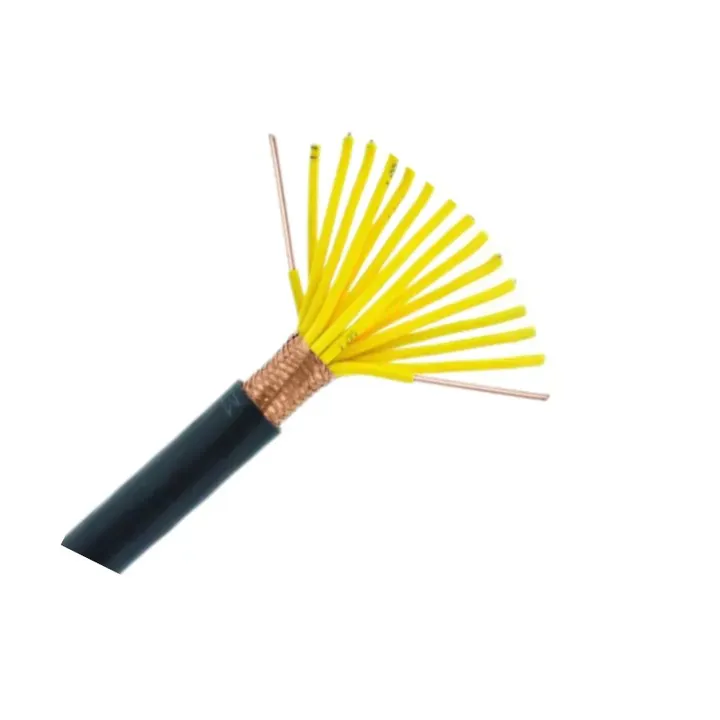
Electrical cables are engineered composites designed to transmit power or signals safely and efficiently. Their layered construction protects against electrical, mechanical, and environmental stresses. Understanding the parts of an electrical cable—from the central conductor to the protective outer sheath—helps in selecting the right cable for residential, commercial, industrial, or specialized applications. In 2025, with advanced materials like XLPE and LSZH gaining prominence, knowing these components ensures compliance, longevity, and optimal performance.
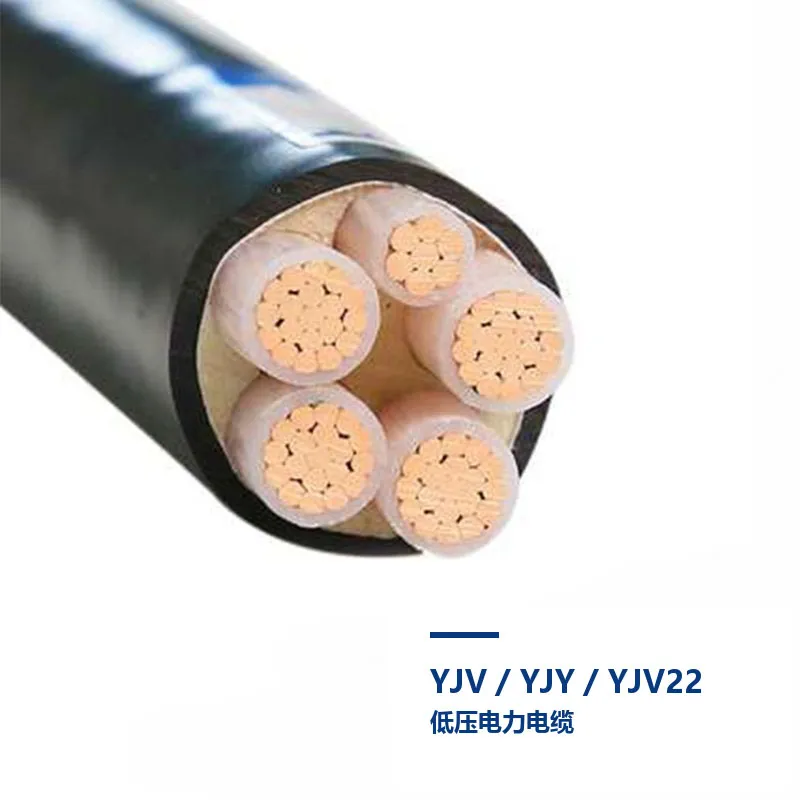
A typical electrical cable consists of multiple layers, each serving a specific purpose. Single-core cables have fewer components, while multi-core designs include fillers and collective screens. The exact configuration varies by voltage rating (low, medium, high), application (power, control, instrumentation), and environment (indoor, outdoor, underground).
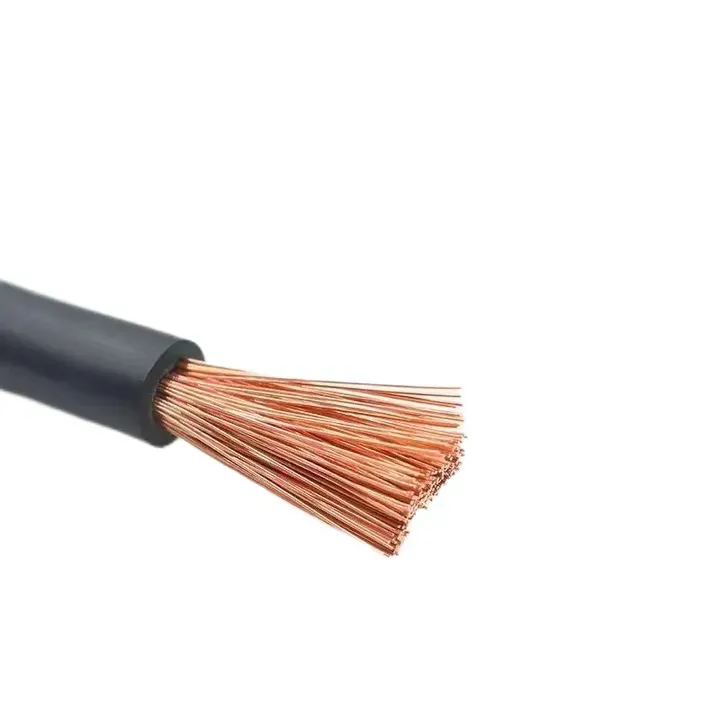
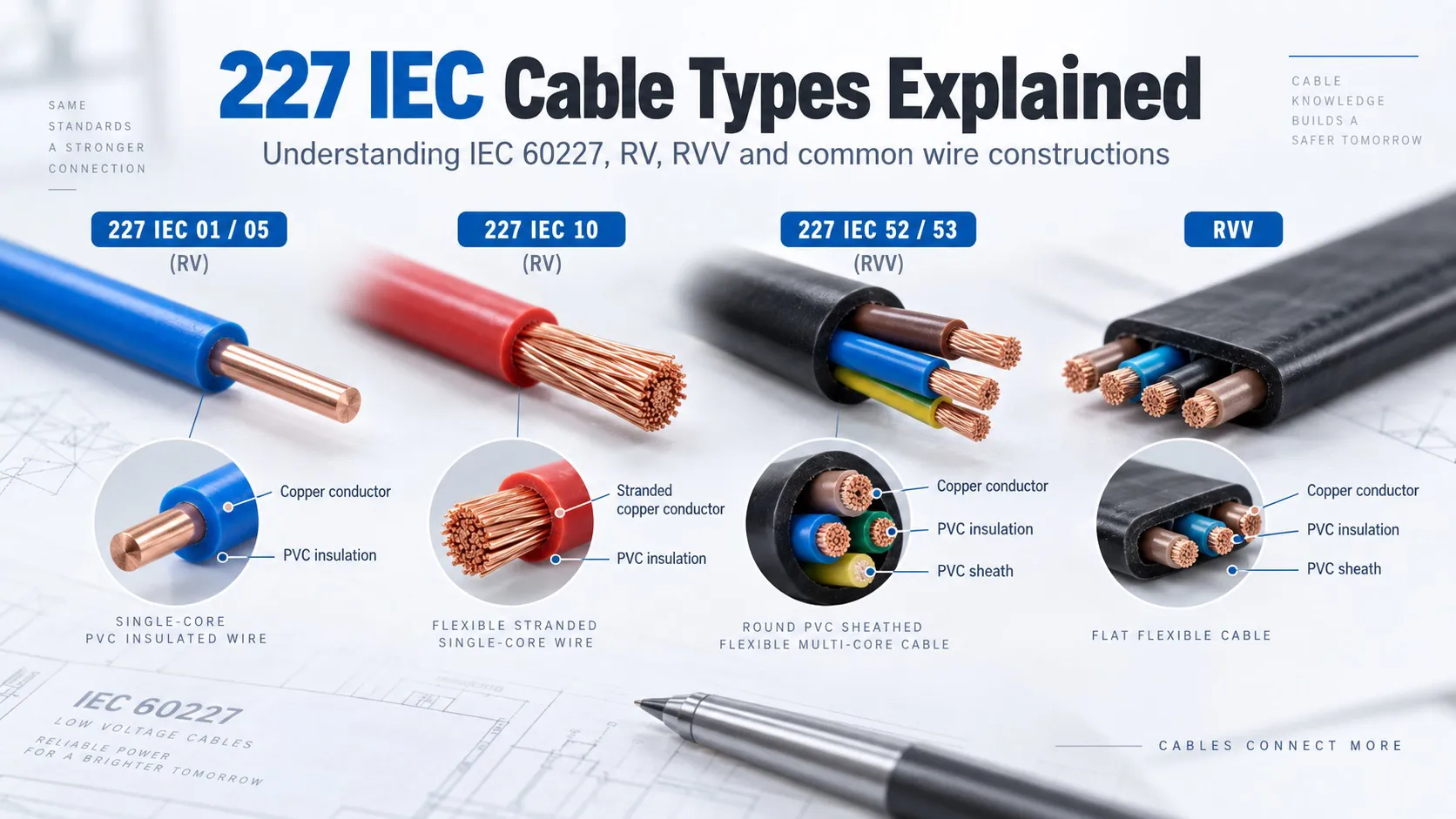
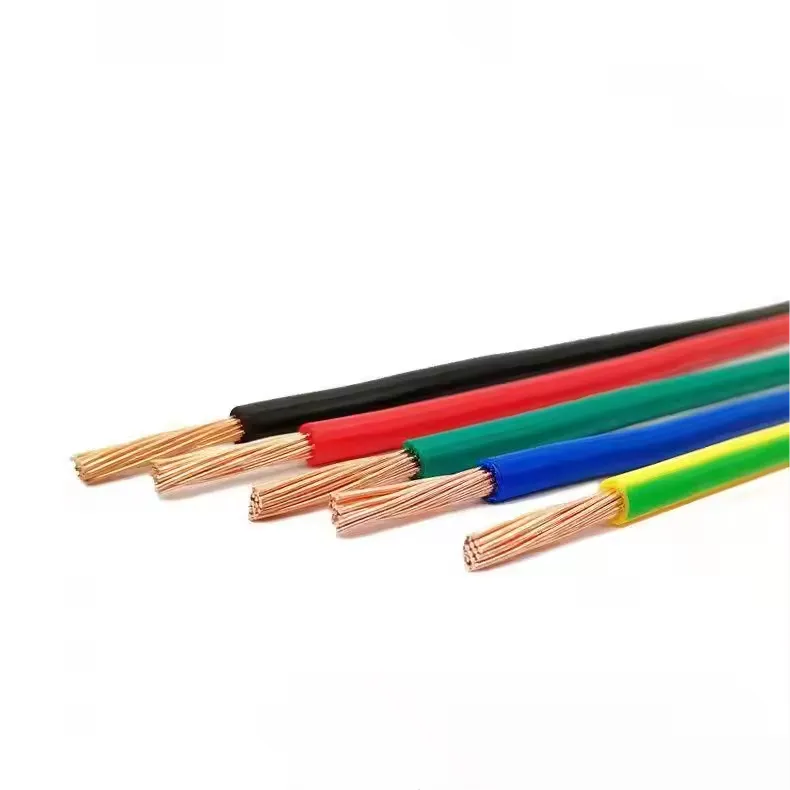
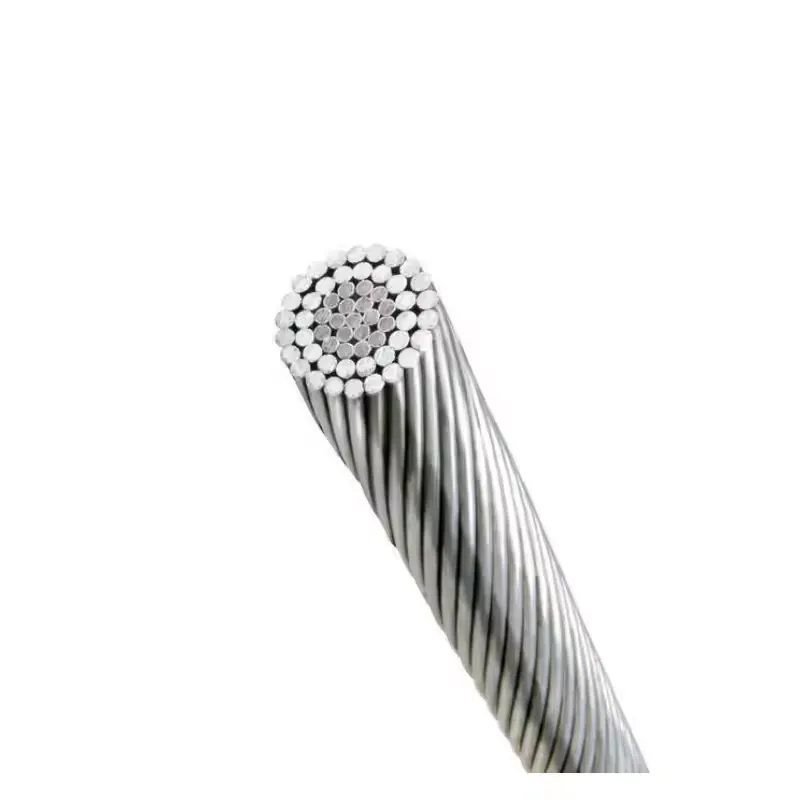
The conductor is the central element that carries electrical current. Usually made of copper (high conductivity) or aluminum (cost-effective for larger sizes), it is stranded (Class 2 or 5 per IEC 60228) for flexibility or solid for smaller gauges. Tinned copper enhances corrosion resistance in marine or humid settings.
Surrounding the conductor, insulation prevents current leakage and shorts. Common materials include PVC (economical), XLPE (cross-linked polyethylene for higher temperatures up to 90°C), EPR (ethylene propylene rubber for flexibility), and paper/oil for high-voltage. In multi-core cables, each conductor is individually insulated, often color-coded for identification.
Medium- and high-voltage cables, plus instrumentation cables, feature semi-conductive screens over insulation to uniform electric fields and metallic screens (copper tape or wires) for fault current return and EMI protection. This layer reduces partial discharge and electromagnetic interference.
In multi-core cables, fillers (e.g., polypropylene strings) maintain round shape, while bedding (extruded layer) provides a smooth base for armor or collective screens. Water-blocking tapes or powders here prevent longitudinal moisture migration in outdoor/underground cables.
Armor protects against physical damage in direct burial or harsh environments. Types include steel wire armor (SWA) for rodent/impact resistance, steel tape armor (STA) for lighter protection, and aluminum wire for single-core AC cables to minimize eddy currents.
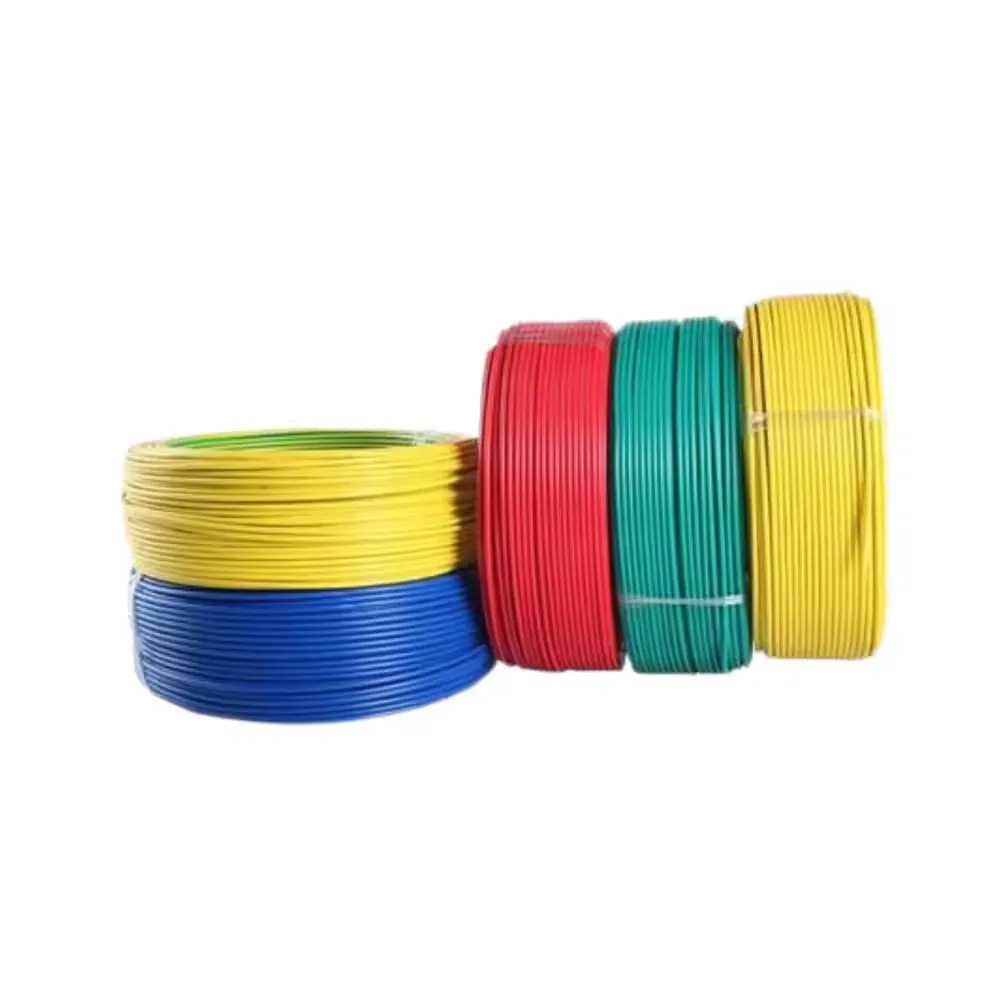
The outermost layer shields against moisture, UV, chemicals, and abrasion. PVC is common and versatile; PE for better water resistance; LSZH (low smoke zero halogen) for fire safety in enclosed spaces; and thermoplastic/thermoset compounds for specialized needs.
| Part | Primary Function | Common Materials | Typical Applications |
|---|---|---|---|
| Conductor | Carry current | Copper, Aluminum, Tinned Copper | All cables |
| Insulation | Prevent leakage/shorts | PVC, XLPE, EPR, Paper | Core separation |
| Screening/Shielding | EMI reduction, fault path | Semi-conductive tape, Copper tape/wire | MV/HV, instrumentation |
| Bedding/Fillers | Shape maintenance, water blocking | PP, swelling powder/tape | Multi-core cables |
| Armor | Mechanical protection | Steel wire/tape, Aluminum | Buried/exposed runs |
| Outer Sheath | Environmental protection | PVC, PE, LSZH | All external layers |
The parts of an electrical cable work synergistically to ensure safe, reliable performance under diverse conditions. From basic low-voltage wiring to complex medium-voltage power cables, each layer addresses specific risks. As standards evolve toward sustainability and enhanced safety in 2025, modern cables increasingly incorporate eco-friendly, flame-retardant materials without compromising functionality. Understanding these components empowers better specification and installation decisions.
For cables with optimized construction and materials, contact Henan Province Jianyun Cable Co., Ltd. for professional guidance and high-quality products.
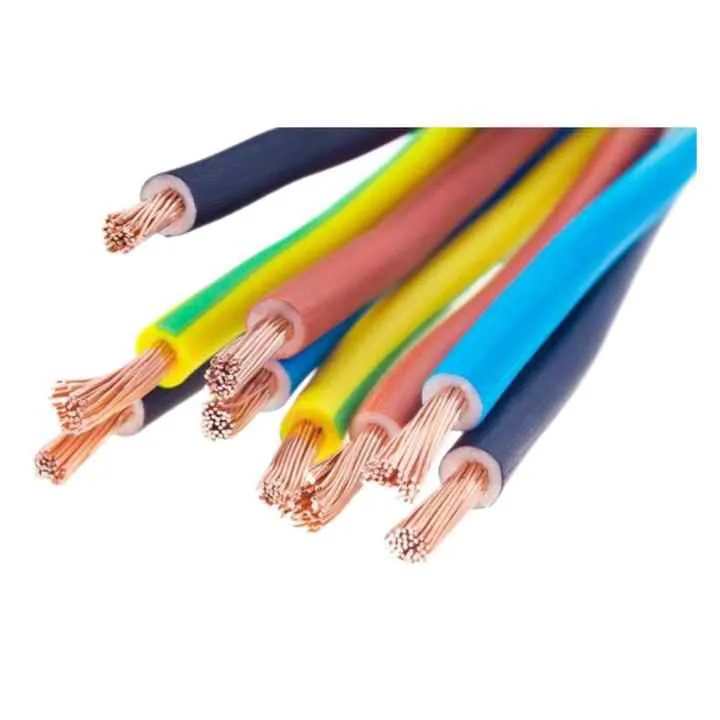
Flexible copper electrical wire with stranded copper conductor, PVC insulation a
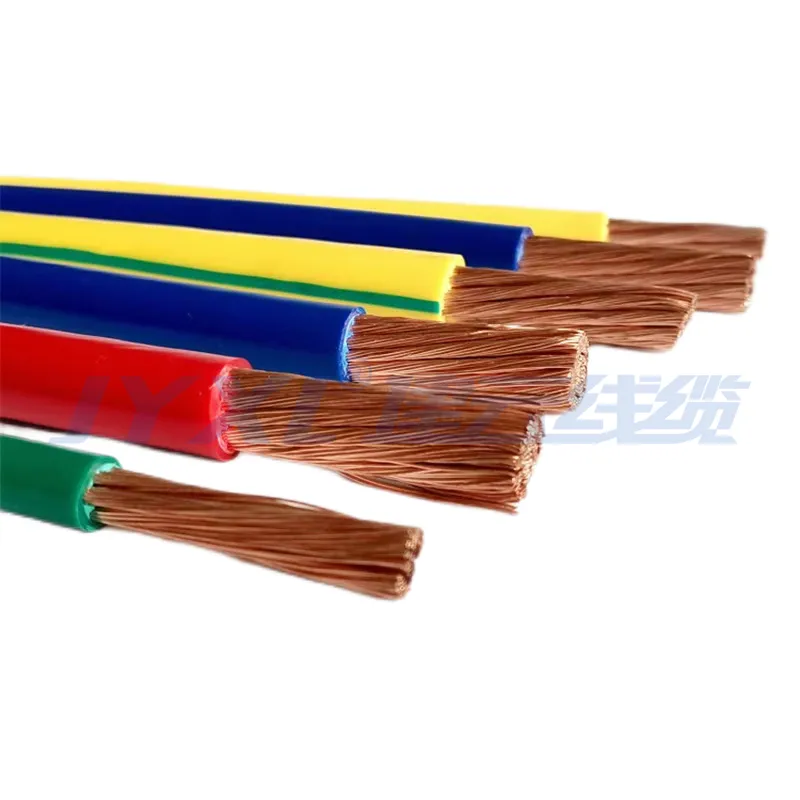
H07V-K flexible electrical wire with 1.5mm² and 2.5mm² stranded copper conductor
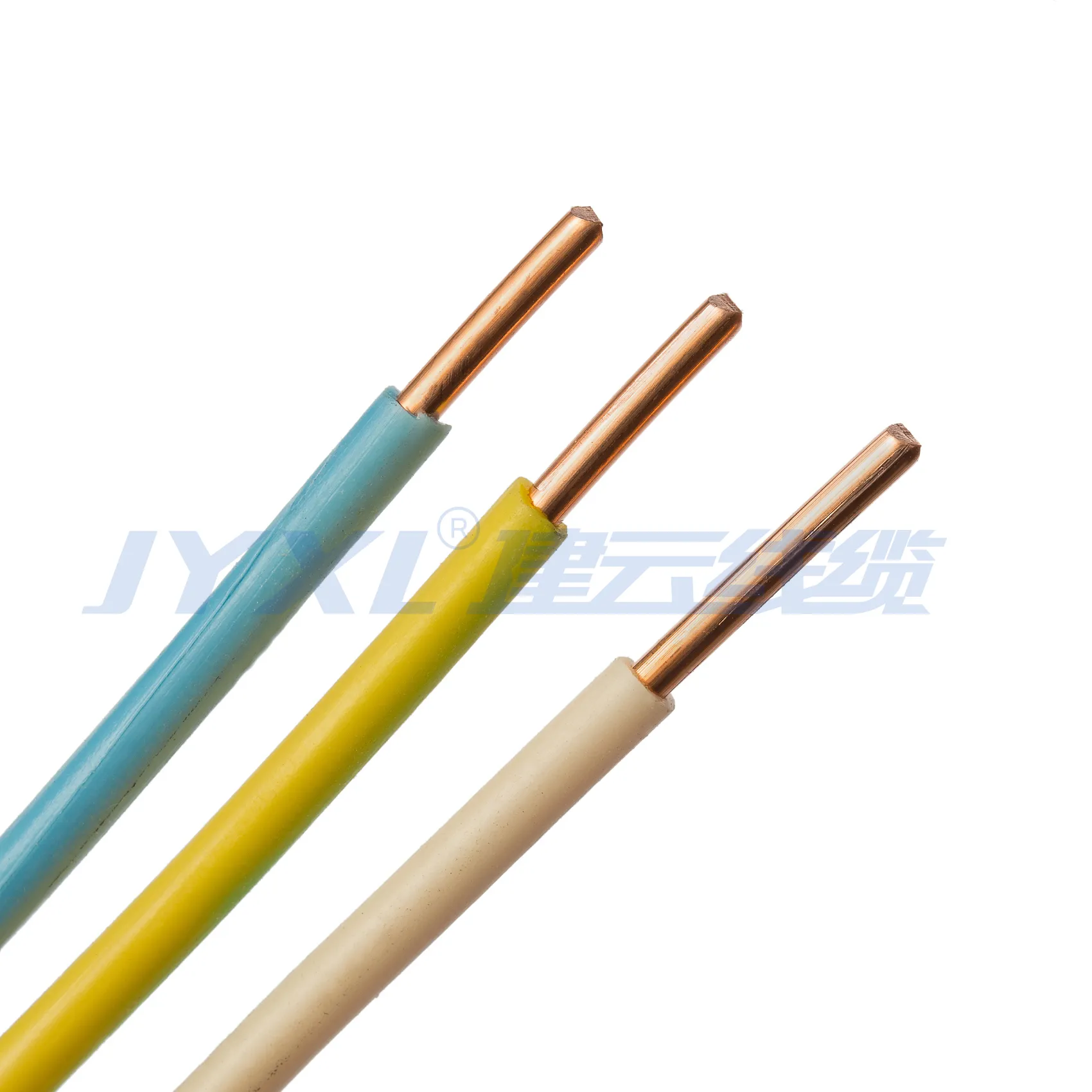
Jianyun H07V-U Solid Copper PVC Wire is a single core rigid electrical wire manu
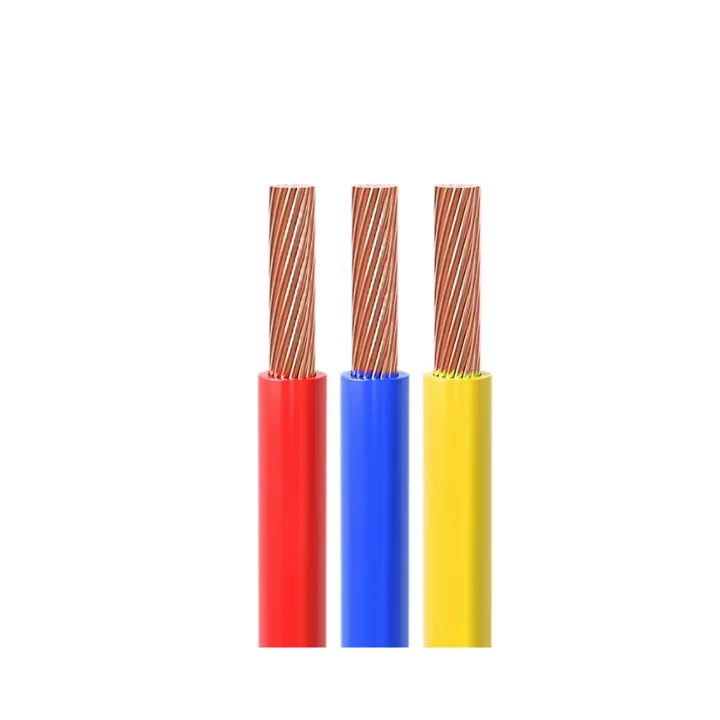
CE Certification 450/750v H07VVF Flexible Copper PVC Insulated Ac Cable 3*2.5 Mm