Keep up to date with our latest company news and relevant industry knowledge.
Time: 2026-01-23 06:25:51 Source: Henan Province Jianyun Cable Co., Ltd.
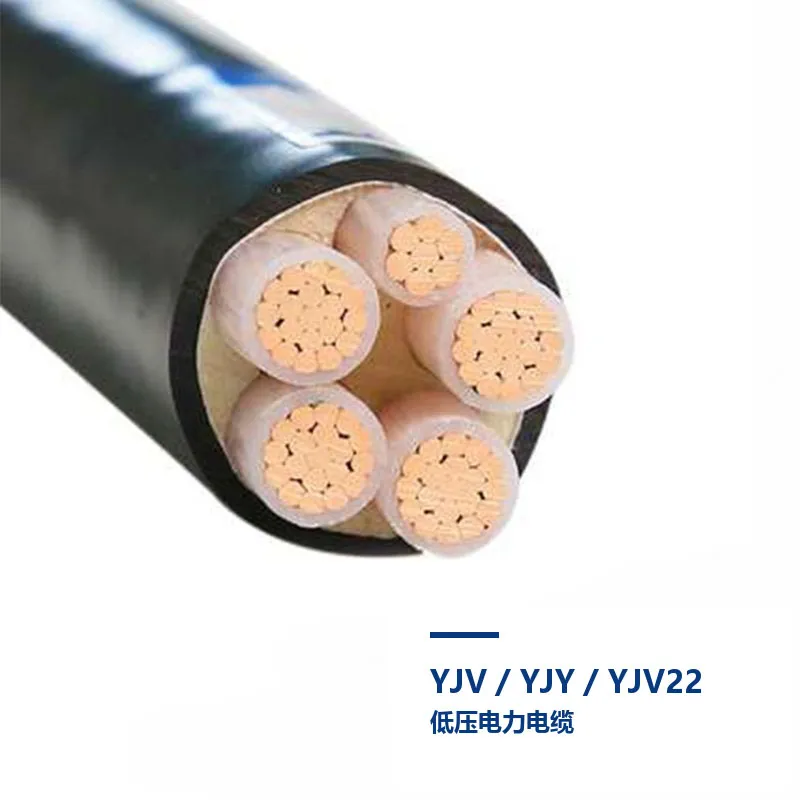
Ever wondered how a simple copper rod becomes a reliable power cable capable of safely transmitting electricity for decades? This step-by-step guide takes you inside a modern power cable factory and explains the entire cable manufacturing process – from raw materials to finished product – with technical details and quality control insights.
Power cable production is a highly controlled, multi-stage industrial process combining metallurgy, polymer extrusion, and precision engineering. Each stage is critical to ensure the cable meets international standards (IEC 60502, IEC 60228, BS 5467, etc.) for electrical performance, mechanical strength, and safety.
The process begins with high-purity metal rods:
Rods are delivered in large coils (≈2–3 tons) and stored in controlled conditions to prevent oxidation.
The rod is pulled through a series of progressively smaller dies to reduce its diameter and increase length.
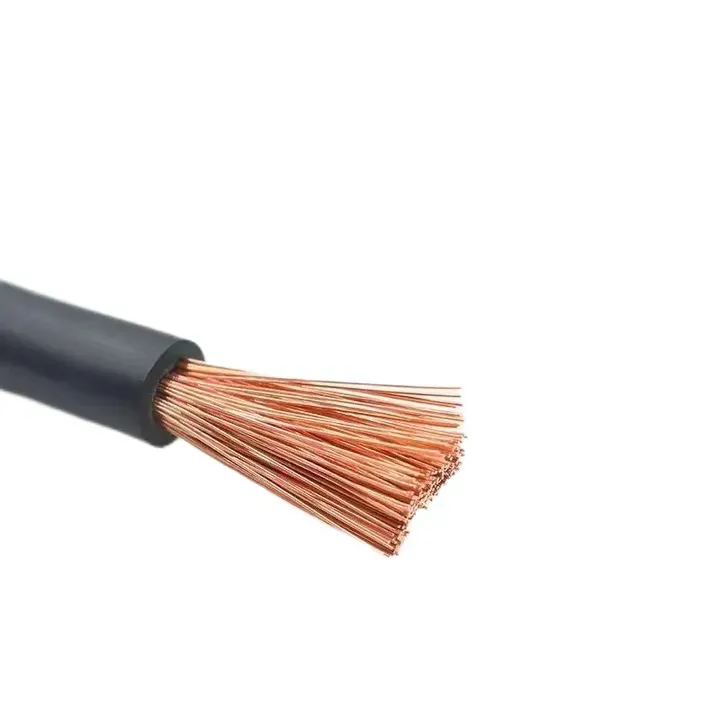
Multiple individual wires are twisted together to form the conductor (Class 2 or Class 5 stranding).
The conductor passes through an extruder that applies the insulation layer.
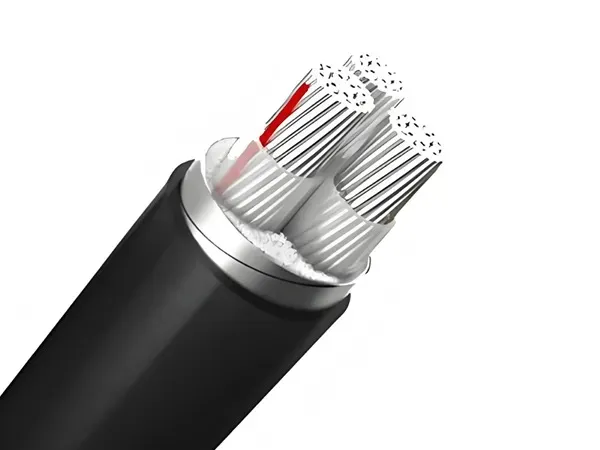
For medium & high voltage cables:
These layers control electric stress and provide fault current path.
Final protective layers:
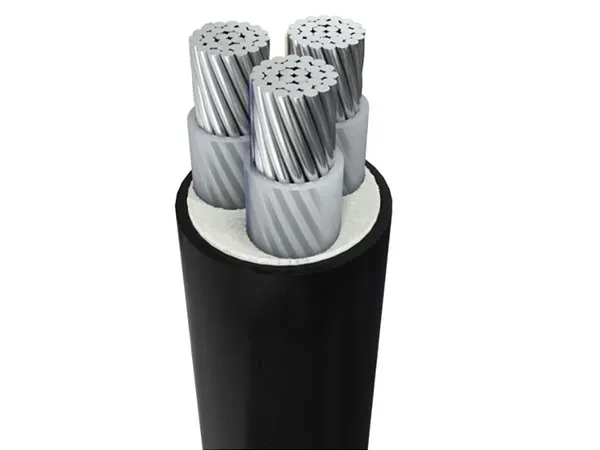
Every cable undergoes rigorous testing:
The cable manufacturing process is a symphony of precision engineering – from melting copper rods to applying cross-linked insulation and armor. Each step is tightly controlled to produce cables that safely deliver power for decades. Understanding this process helps buyers appreciate the value of quality manufacturing and choose suppliers with strong in-house production and testing capabilities.
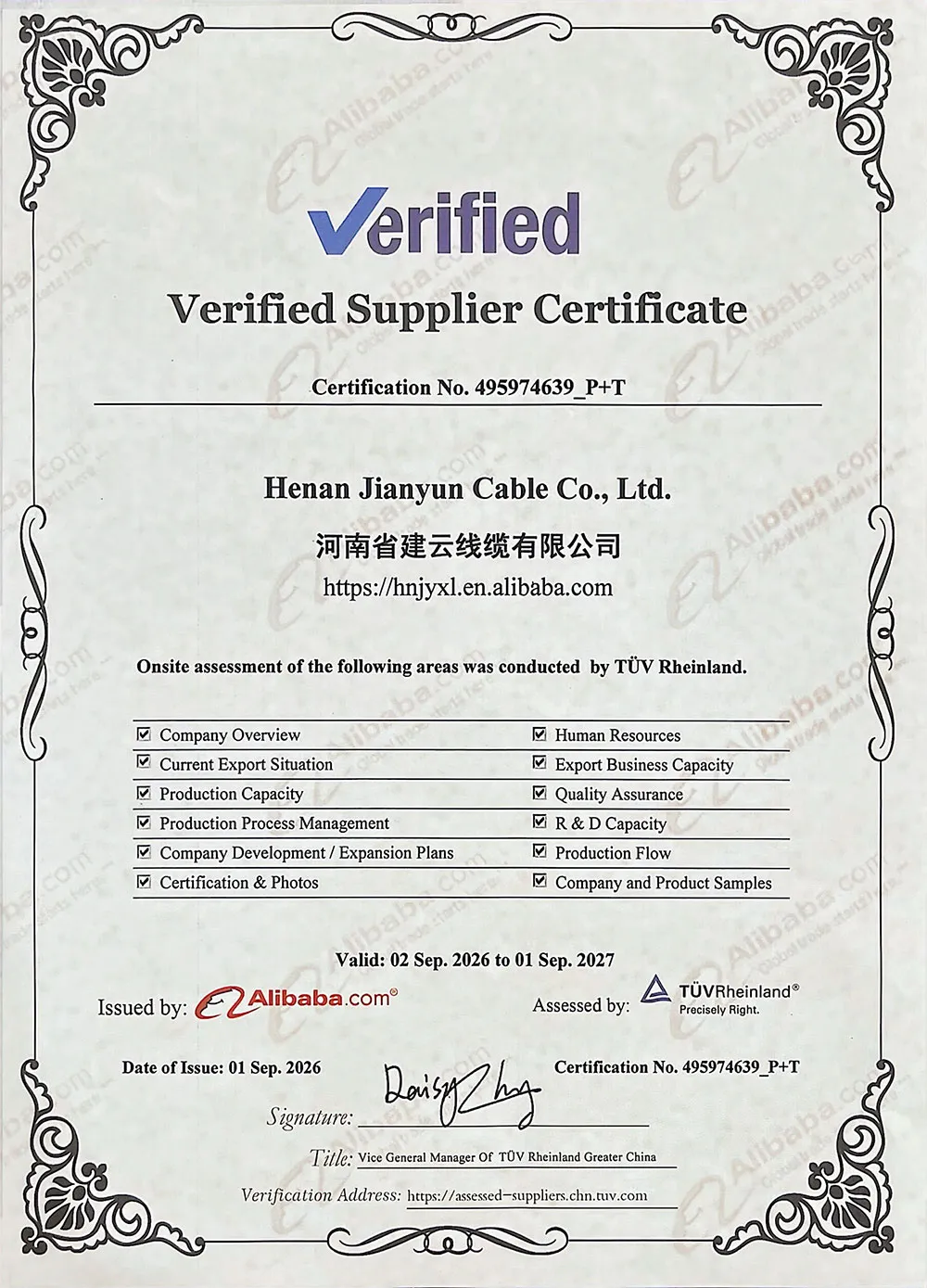
For premium power cables – XLPE, PVC, armored, LSZH, fire-resistant – manufactured with advanced equipment, full traceability, and rigorous quality control, contact Henan Province Jianyun Cable Co., Ltd. – your trusted partner for reliable electrical cable solutions.
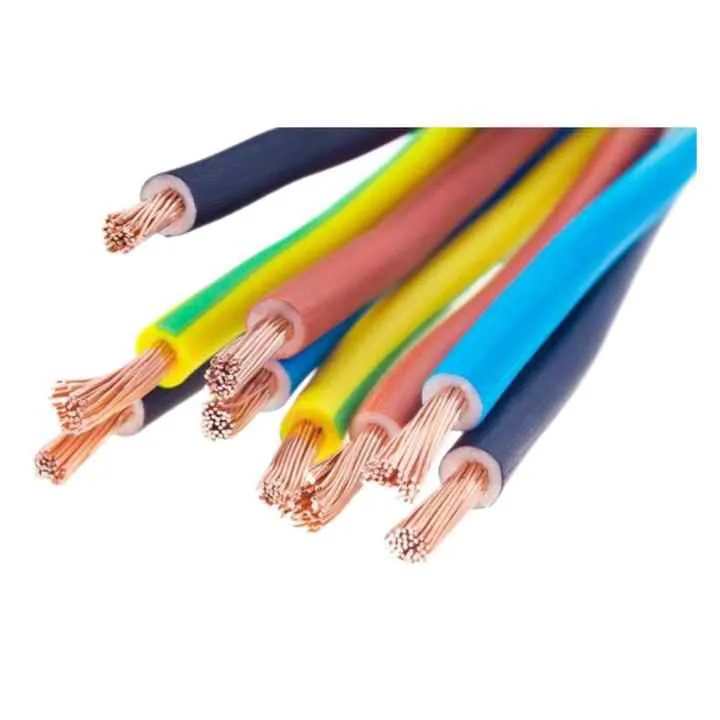
Flexible copper electrical wire with stranded copper conductor, PVC insulation a
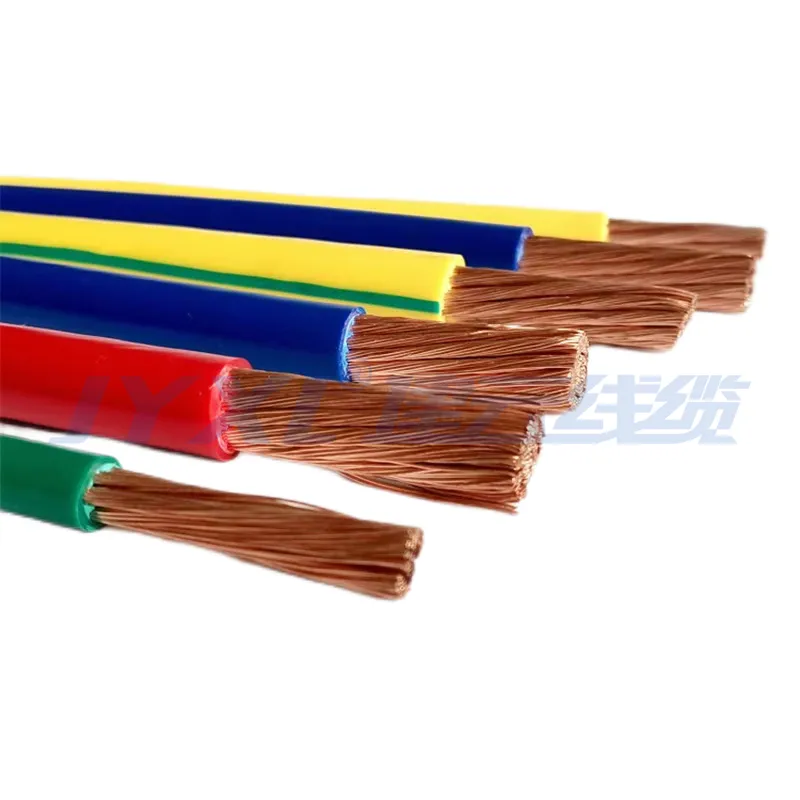
H07V-K flexible electrical wire with 1.5mm² and 2.5mm² stranded copper conductor
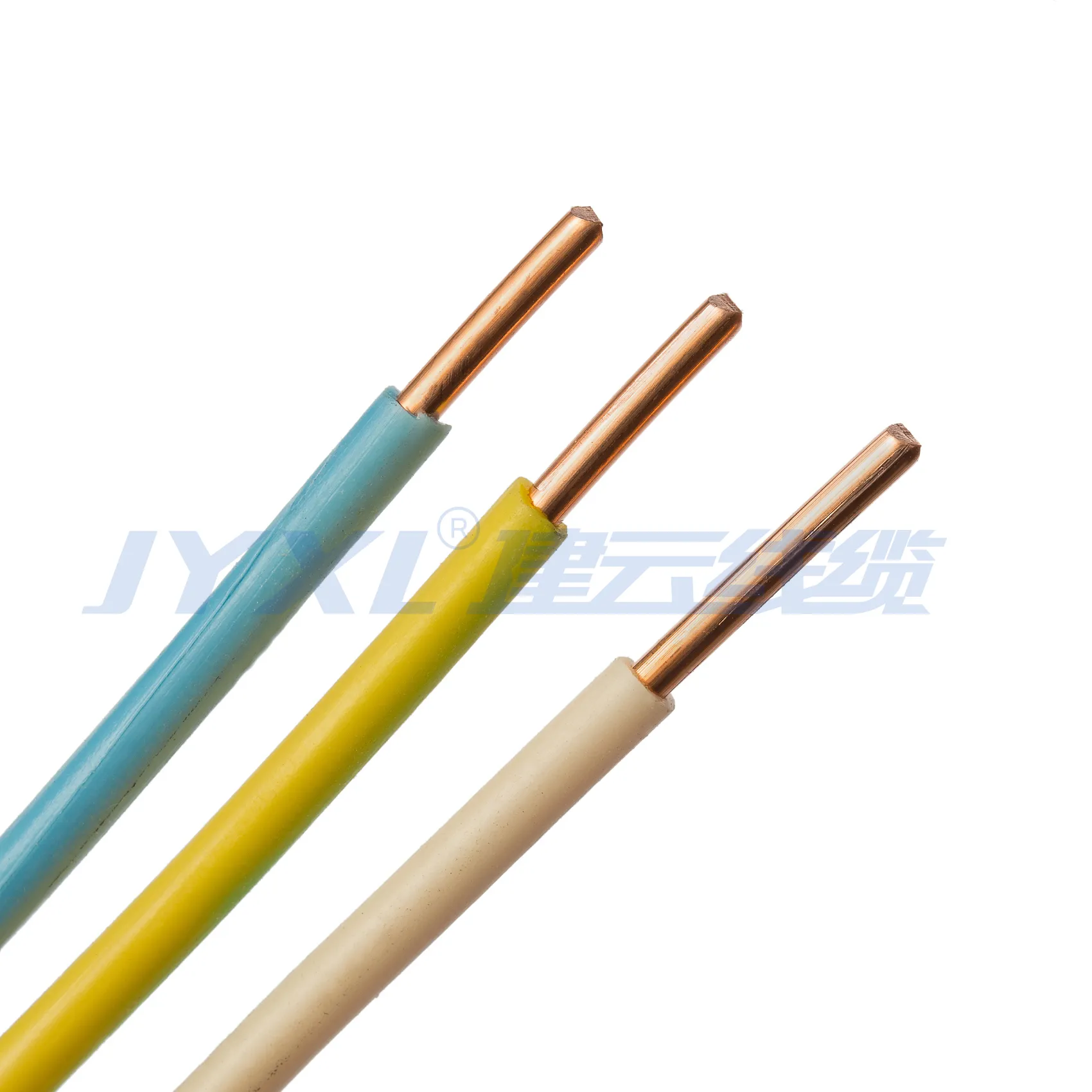
Jianyun H07V-U Solid Copper PVC Wire is a single core rigid electrical wire manu
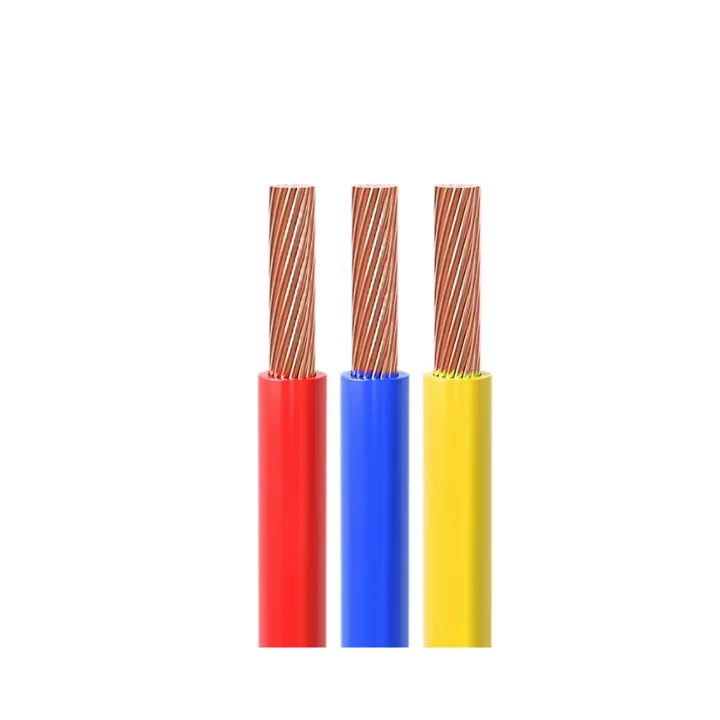
CE Certification 450/750v H07VVF Flexible Copper PVC Insulated Ac Cable 3*2.5 Mm