Keep up to date with our latest company news and relevant industry knowledge.
Time: 2026-01-22 11:33:34 Source: Henan Province Jianyun Cable Co., Ltd.
Choosing the correct electrical cable size is one of the most critical steps in any wiring project. Undersized cables can overheat, cause voltage drop, trip breakers, or even start fires. Oversized cables waste money and material. This comprehensive 2025 guide provides clear cable size charts, ampacity tables, voltage drop calculations, and a step-by-step selection process to help you size cables safely and efficiently for residential, commercial, or industrial applications.
Proper cable sizing ensures:
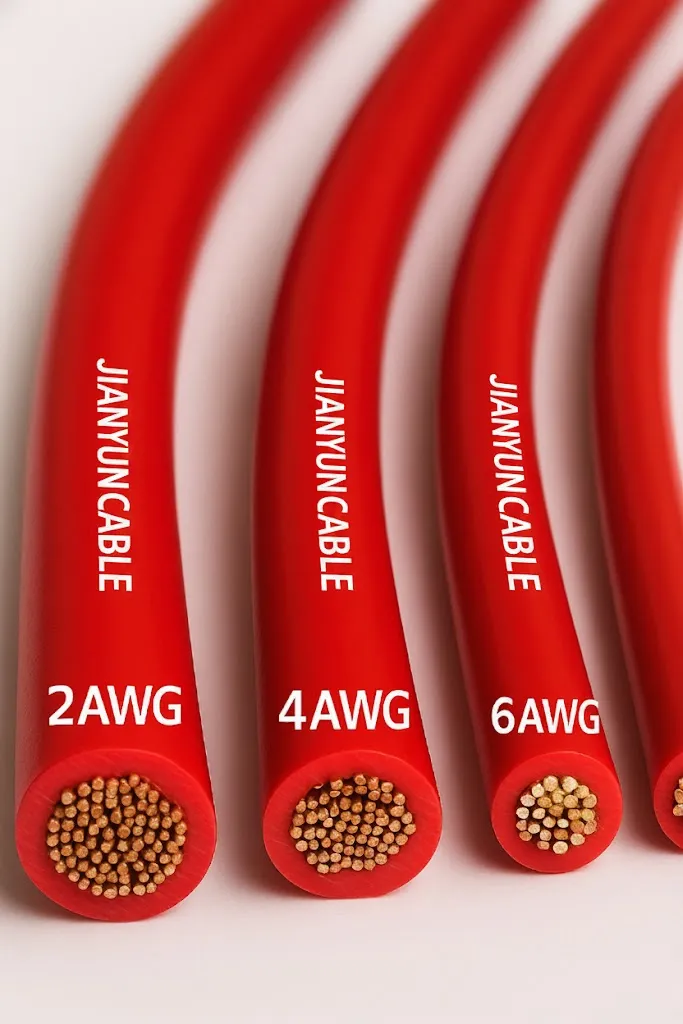
Most North American projects use AWG; international projects use mm².
| AWG Size | Diameter (mm) | Cross-Section Area (mm²) | Typical Use (Copper) |
|---|---|---|---|
| 14 AWG | 1.63 | 2.08 | Lighting circuits (15 A) |
| 12 AWG | 2.05 | 3.31 | General outlets (20 A) |
| 10 AWG | 2.59 | 5.26 | Dryers, water heaters (30 A) |
| 8 AWG | 3.26 | 8.37 | Subpanels, large appliances (40–50 A) |
| 6 AWG | 4.11 | 13.3 | EV chargers, feeders (60 A) |
| 4 AWG | 5.19 | 21.2 | Main service entrances (100 A) |
Based on NEC 2023/2026 (90°C insulation, ambient 30°C, 3 current-carrying conductors in raceway).
| AWG / mm² | Copper Ampacity (90°C) | Aluminum Ampacity (90°C) | Typical Breaker Size |
|---|---|---|---|
| 14 AWG / 2.08 mm² | 25 A | N/A | 15 A |
| 12 AWG / 3.31 mm² | 30 A | 25 A | 20 A |
| 10 AWG / 5.26 mm² | 40 A | 30 A | 30 A |
| 8 AWG / 8.37 mm² | 55 A | 40 A | 40–50 A |
| 6 AWG / 13.3 mm² | 75 A | 55 A | 60 A |
| 4 AWG / 21.2 mm² | 95 A | 75 A | 80–100 A |
Voltage drop should be ≤3% for feeders, ≤5% total (NEC recommendation).
Formula (single-phase): VD = (2 × L × I × R) / 1000
Approximate resistance (copper at 75°C):
| Application | Recommended Size (Copper) | Breaker | Notes |
|---|---|---|---|
| Lighting Circuits | 1.5 mm² / 14 AWG | 10–15 A | Max 10–12 points |
| General Power Outlets | 2.5 mm² / 12 AWG | 16–20 A | Kitchen counters, bedrooms |
| Cooker / Oven | 6 mm² / 8–10 AWG | 32–40 A | Dedicated circuit |
| EV Charger (Level 2) | 6–10 mm² / 6–4 AWG | 32–50 A | Check charger specs |
| Subpanel Feeder (100 A) | 25–35 mm² / 2–1 AWG | 100 A | Calculate voltage drop |
Proper cable sizing ensures safe, efficient, and long-lasting electrical systems. Use this guide as a reference and always comply with local electrical codes.
Need high-quality electrical cables in all standard sizes – copper, aluminum, XLPE, PVC, armored – with full compliance and technical support? Contact Henan Province Jianyun Cable Co., Ltd. for reliable solutions tailored to your project.
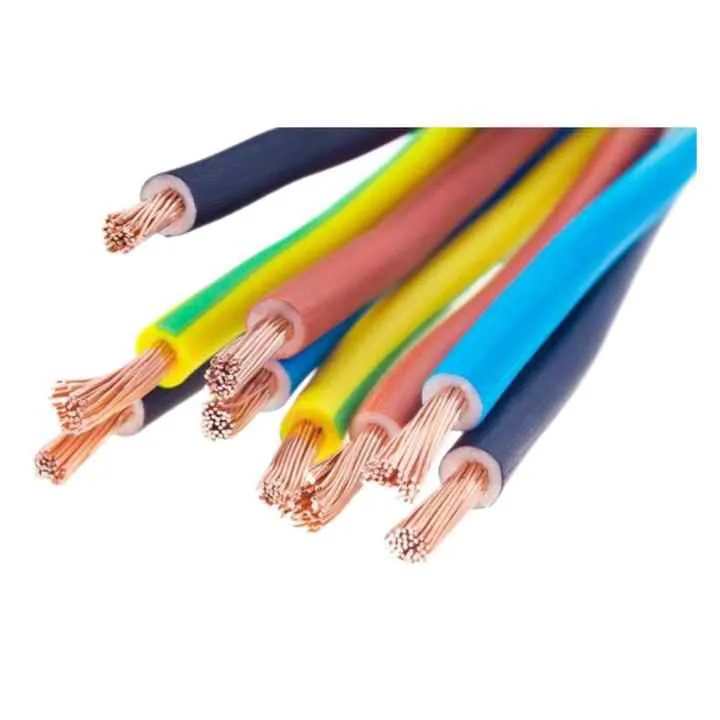
Flexible copper electrical wire with stranded copper conductor, PVC insulation a
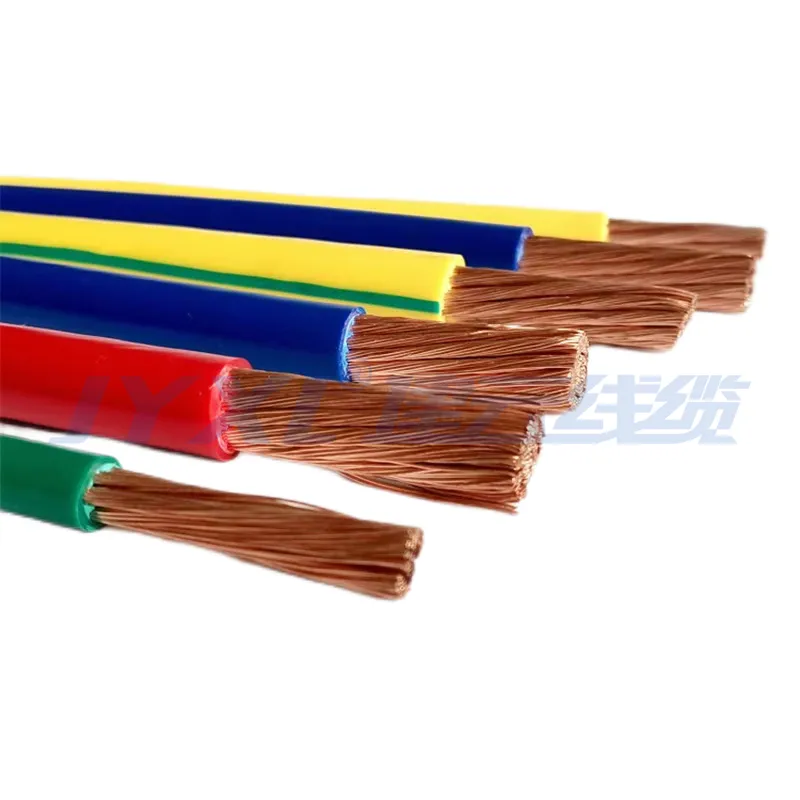
H07V-K flexible electrical wire with 1.5mm² and 2.5mm² stranded copper conductor
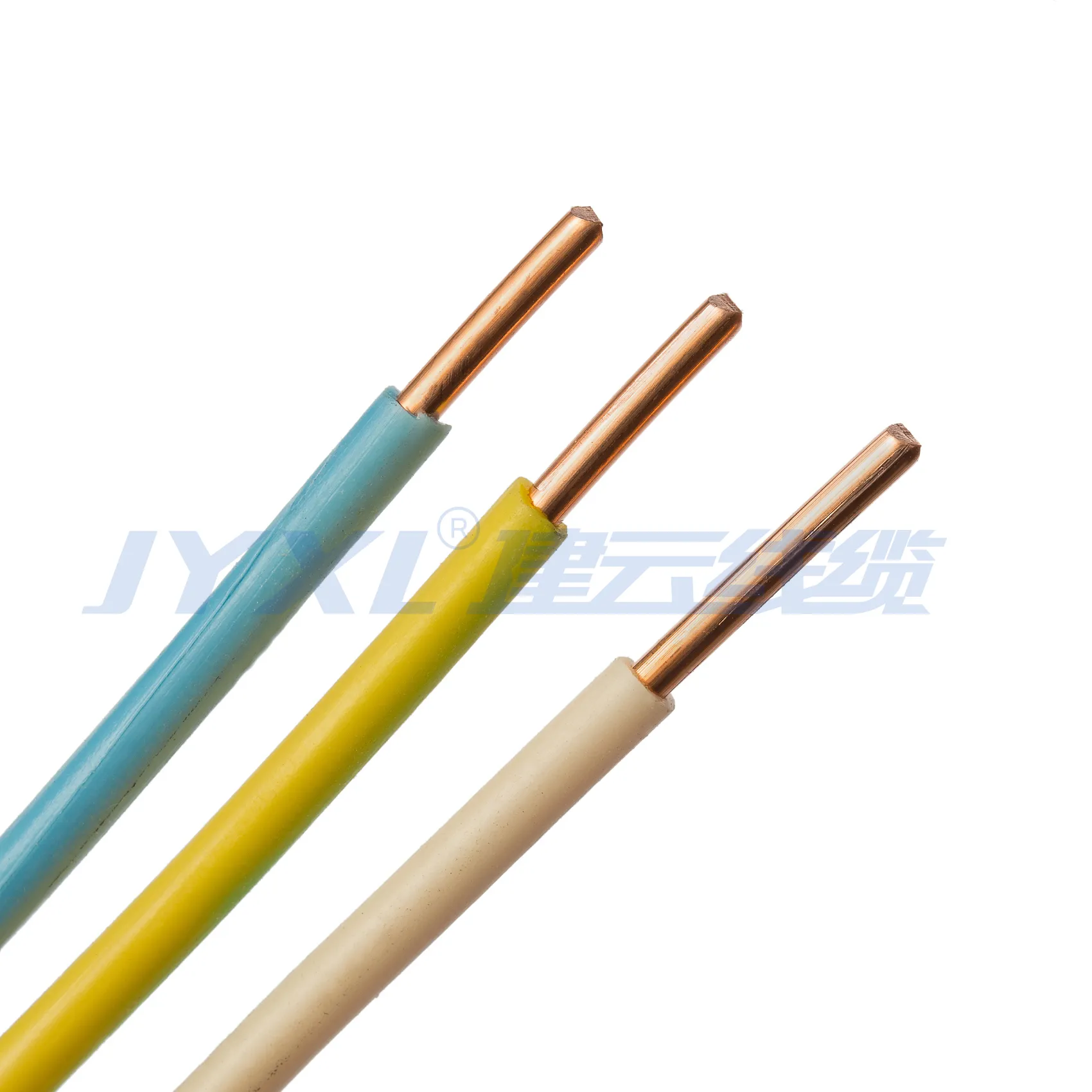
Jianyun H07V-U Solid Copper PVC Wire is a single core rigid electrical wire manu
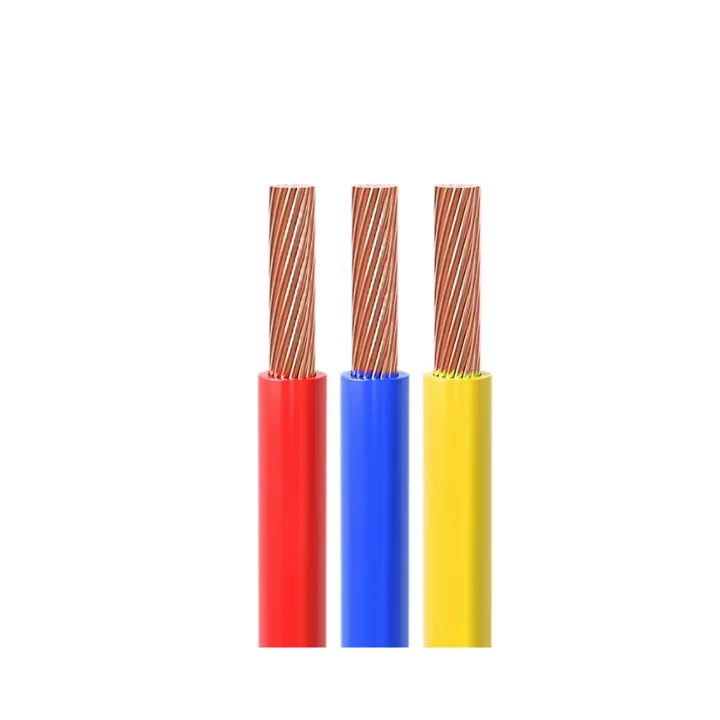
CE Certification 450/750v H07VVF Flexible Copper PVC Insulated Ac Cable 3*2.5 Mm