Keep up to date with our latest company news and relevant industry knowledge.
Time: 2026-01-09 11:37:43 Source: Henan Province Jianyun Cable Co., Ltd.
Cable management refers to the organized arrangement of cables and wires to keep them neat, safe, and accessible. In 2026, with smart homes, multi-device offices, and complex industrial setups, effective **cable management** is more important than ever.
Good **cable management** prevents hazards, improves aesthetics, and simplifies maintenance. This comprehensive guide explains what it means and how to apply it practically in different environments.
Cable management is the practice of routing, bundling, labeling, and securing cables in a clean and logical way. It includes both physical organization (using ties, trays, sleeves) and planning (mapping routes, choosing cable types).
The goal is to eliminate tangles, reduce stress on connectors, and make future changes easy. Whether for a single desk or an entire factory, **cable management** transforms chaos into order.
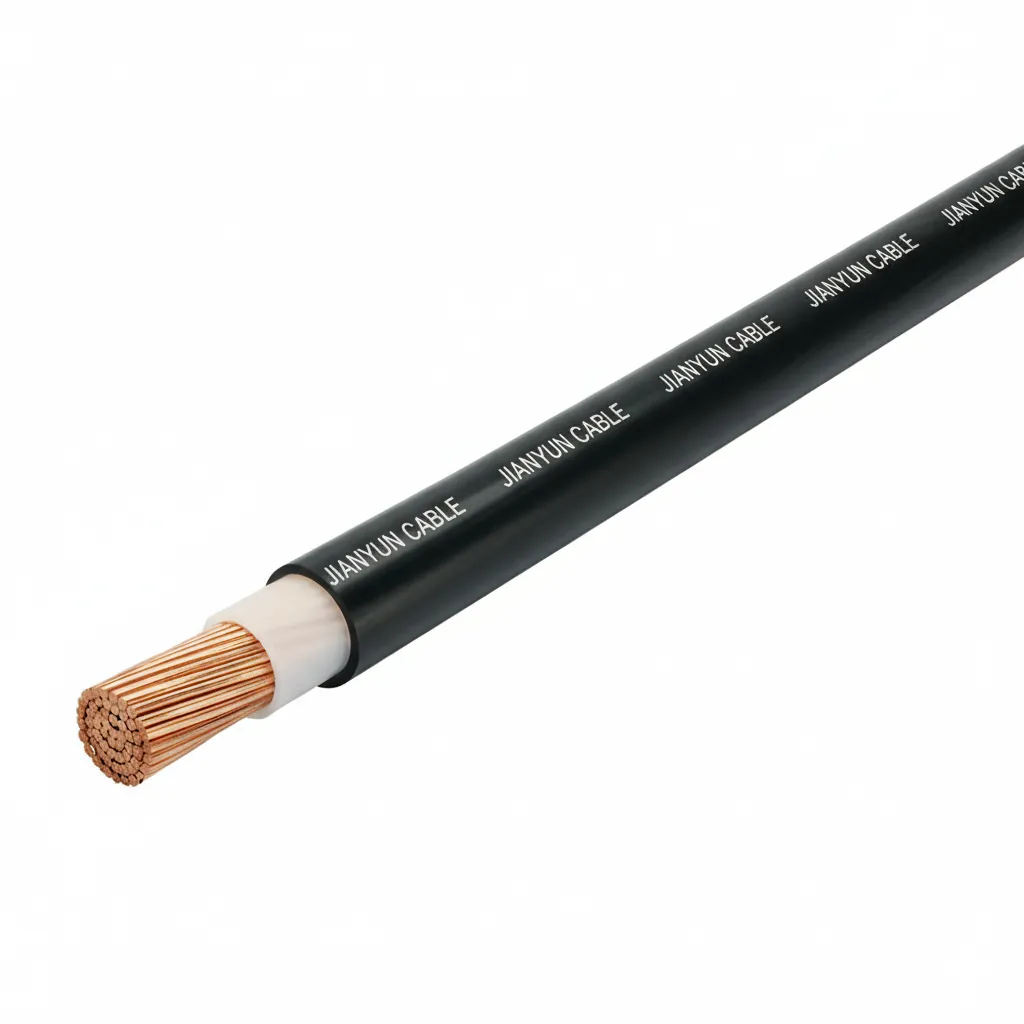
Untidy cables create tripping hazards, collect dust, and restrict airflow, leading to overheating. Poor organization makes troubleshooting slow and increases the risk of accidental damage.
In homes, it improves appearance; in offices, it boosts productivity; in industry, it ensures compliance with safety regulations. Proper **cable management** also extends cable lifespan by reducing wear.
Better airflow prevents overheating of devices. Reduced clutter improves mental focus and workplace efficiency.
Maintenance becomes faster – labeled cables are easy to identify. Safety risks drop significantly with organized routing.
Professional-looking setups impress clients and visitors, especially in open offices or showrooms.
Start with under-desk trays or cable channels to hide wires. Use velcro ties instead of zip ties for reusability.
Group power, data, and charging cables separately. Cable boxes conceal power strips and excess length.
Label every cable at both ends. More home tips in our blog on Electric Cable Safety Tips.
5. Cable Management in Industrial EnvironmentsCable trays and ladders support heavy, long runs. Use numbered tags and color coding for quick identification.
Conduits protect from mechanical damage and chemicals. Regular audits prevent overloads and wear.
| Tool / Accessory | Best For | Benefit |
|---|---|---|
| Velcro Cable Ties | Home & Office | Reusable & gentle on cables |
| Cable Trays / Ladders | Industrial | Supports heavy loads |
| Cable Sleeves / Conduits | All Environments | Groups & protects |
| Cable Labels & Markers | Maintenance | Fast identification |
| Under-Desk Organizers | Workstations | Hides clutter |
Step 1: Disconnect and sort all cables – discard damaged ones.
Step 2: Plan routes – keep power away from data cables.
Step 3: Bundle similar cables using ties or sleeves.
Step 4: Route neatly with trays, clips, or channels.
Step 5: Label clearly and test all connections.
Using permanent zip ties – they damage cables and are hard to adjust.
Bundling power and data cables together – causes interference.
Ignoring airflow – overheating shortens device life.
Forgetting labels – creates confusion during maintenance.
It means organizing, routing, securing, and labeling cables to keep them neat, safe, and easy to maintain.
Review every 6–12 months or whenever you add/remove devices.
Yes – better airflow reduces overheating, and organized cables make troubleshooting faster.
Ready to upgrade your cables for better management? Explore our high-quality Flexible Control Cables or LSZH Cables. Contact us for the perfect fit!
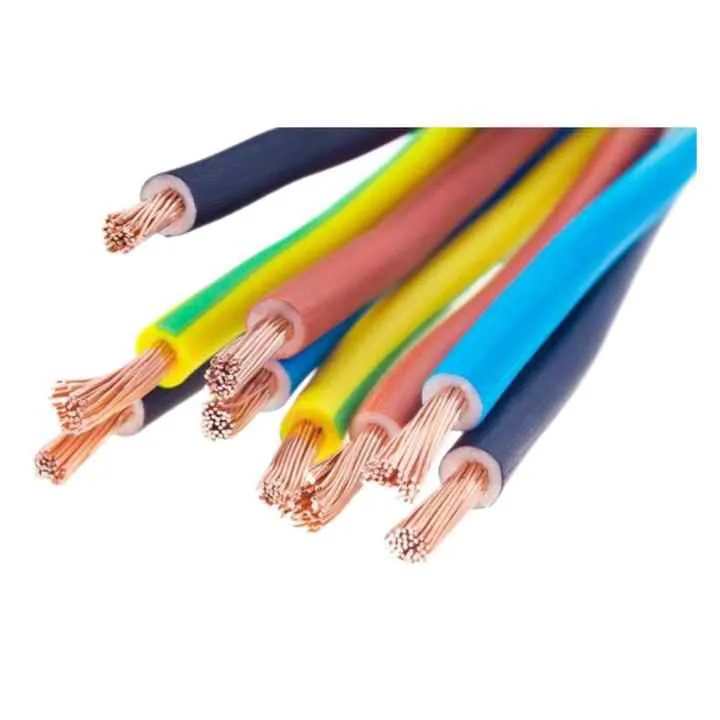
Flexible copper electrical wire with stranded copper conductor, PVC insulation a
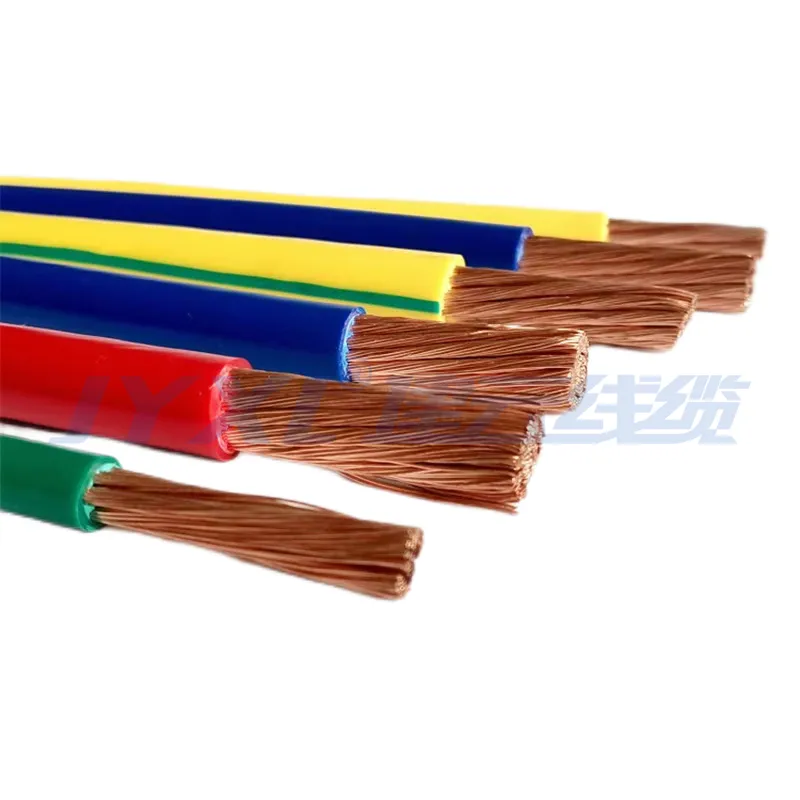
H07V-K flexible electrical wire with 1.5mm² and 2.5mm² stranded copper conductor
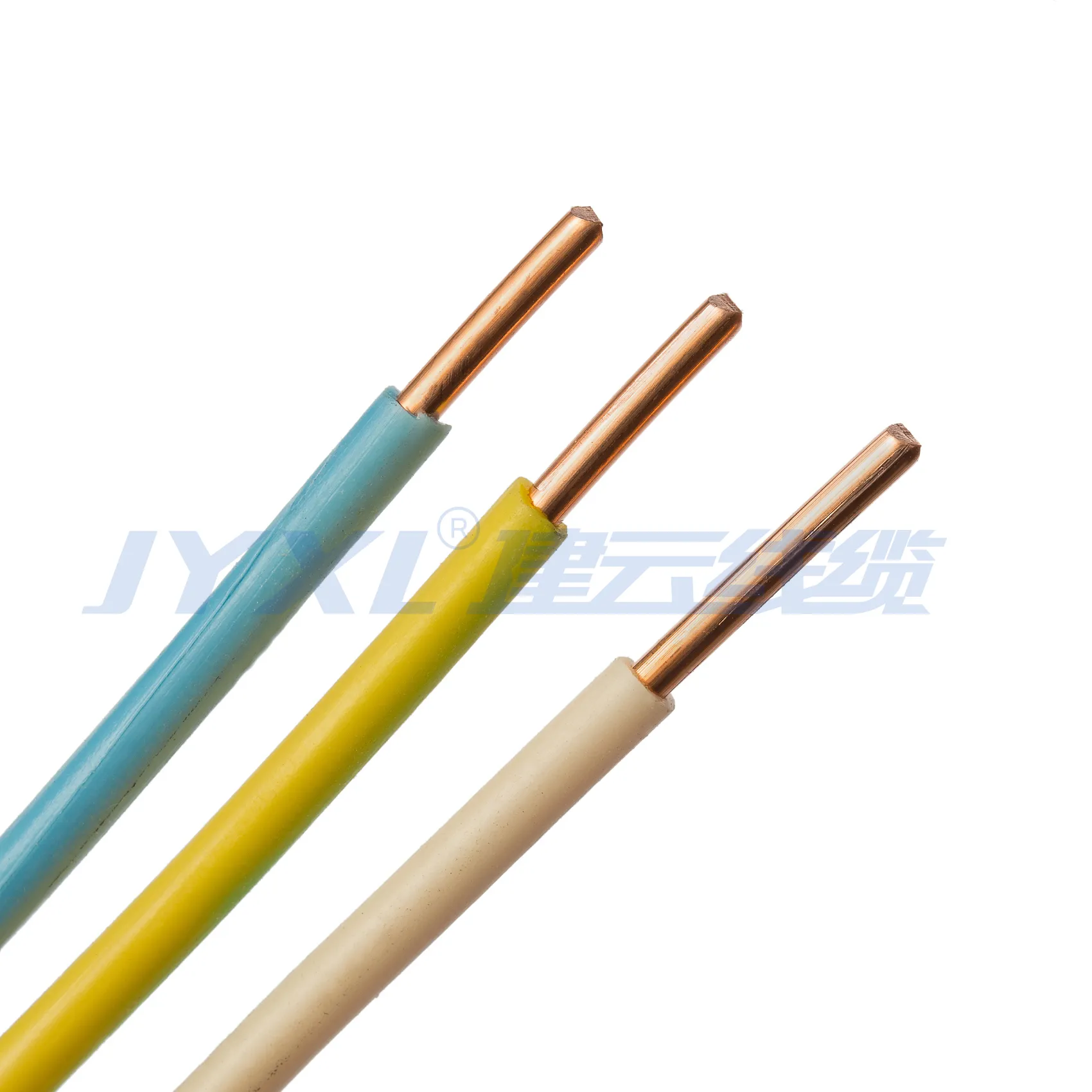
Jianyun H07V-U Solid Copper PVC Wire is a single core rigid electrical wire manu
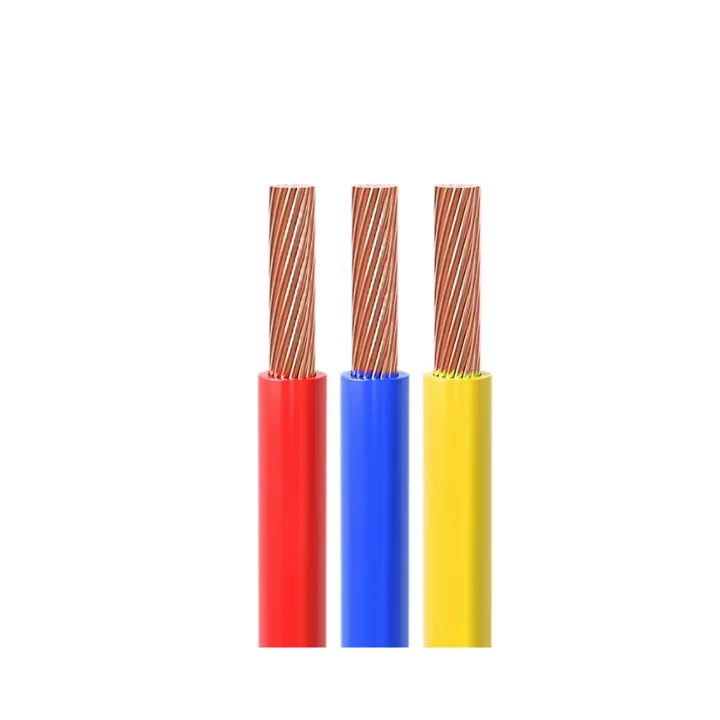
CE Certification 450/750v H07VVF Flexible Copper PVC Insulated Ac Cable 3*2.5 Mm