Keep up to date with our latest company news and relevant industry knowledge.
Time: 2026-02-02 12:02:34 Source: Henan Province Jianyun Cable Co., Ltd.
By Jianyun Cable – Professional Manufacturer of Quality Electrical Cables
Power cables carry electricity across cities, industries, renewable energy farms, and data centers — often operating continuously for decades under high voltage and demanding environmental conditions. Any defect in manufacturing can result in insulation breakdown, power outages, equipment damage, or even fire hazards. That is why comprehensive quality control procedures are non-negotiable in modern power cable production. This guide explains the complete QC process used by professional manufacturers in 2025.
Reliable power cables directly affect the safety of people, the continuity of power supply, and the economic performance of entire electrical networks. A single weak point in insulation or conductor can cause catastrophic failure after years of service. Strict quality control minimizes these risks, ensures compliance with international standards, reduces field failures, protects brand reputation, and lowers warranty and recall costs.
Quality begins before production starts. All incoming materials undergo rigorous verification:
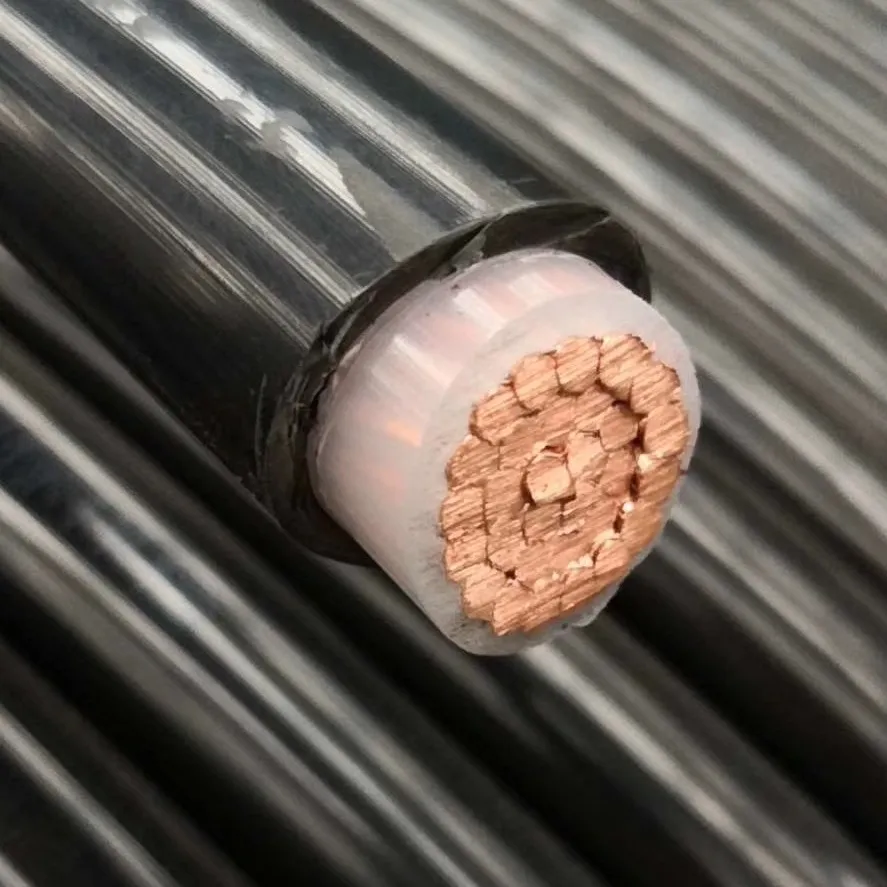
Real-time checks during manufacturing catch defects early and prevent them from progressing downstream.
Every finished drum is tested before release. Selected samples undergo more extensive type and special tests.
| Test | Purpose | Frequency | Typical Acceptance Criteria |
|---|---|---|---|
| Conductor DC Resistance | Verify conductor conductivity & losses | Every drum | ≤ maximum value per standard (IEC/GB/NEC) |
| Insulation Resistance | Confirm insulation integrity | Every drum | ≥ 1000 MΩ·km at 20°C |
| High-Voltage Withstand (AC) | Prove insulation can handle rated voltage | Every drum | No breakdown at 4–6U₀ for 15–30 min |
| Partial Discharge (PD) Measurement | Detect internal voids, inclusions, defects | Every drum (MV/HV) + Type test | ≤ 5 pC at 1.5–2U₀ |
| Sheath DC Voltage Test | Verify outer sheath integrity | Every drum | No breakdown at 5–8 kV DC / 1 min |
| Hot Set Test (XLPE) | Confirm crosslinking degree | Batch / Type | Elongation ≤175%, permanent set ≤ ±25% |
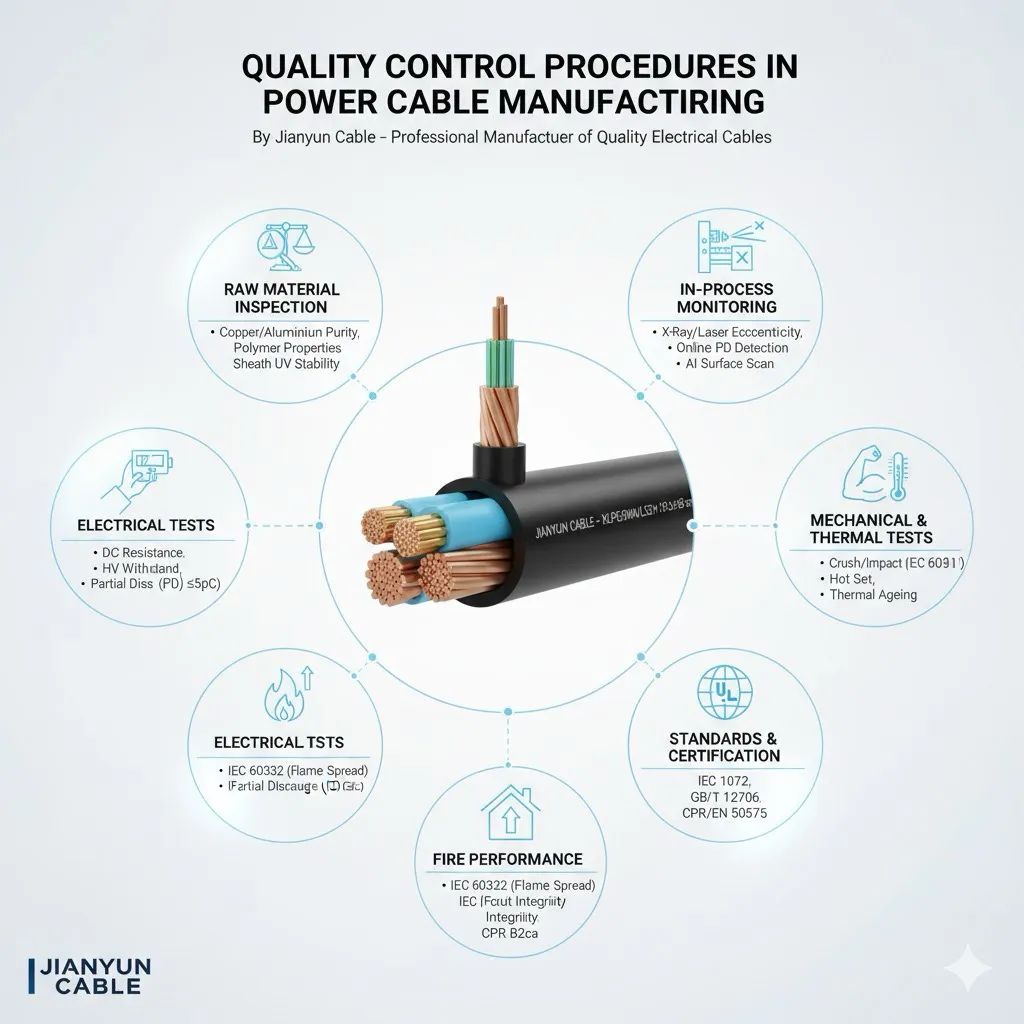
Quality control in power cable manufacturing is a systematic, multi-layered discipline — not a single checkpoint. From raw material qualification through in-process monitoring to exhaustive final testing, every stage is designed to eliminate defects and guarantee decades of safe, reliable service. In today’s world of electrification, renewable energy expansion, and smart grids, only cables produced under rigorous quality control can meet the performance and safety expectations of modern electrical infrastructure.
Need power cables manufactured under world-class quality control systems? Contact Henan Province Jianyun Cable Co., Ltd. — your trusted partner for certified, high-performance electrical cables.
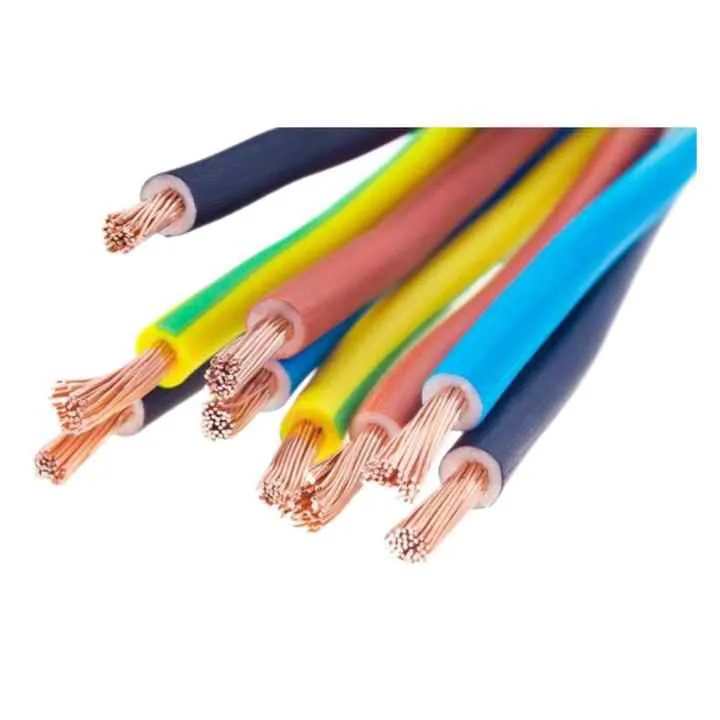
Flexible copper electrical wire with stranded copper conductor, PVC insulation a
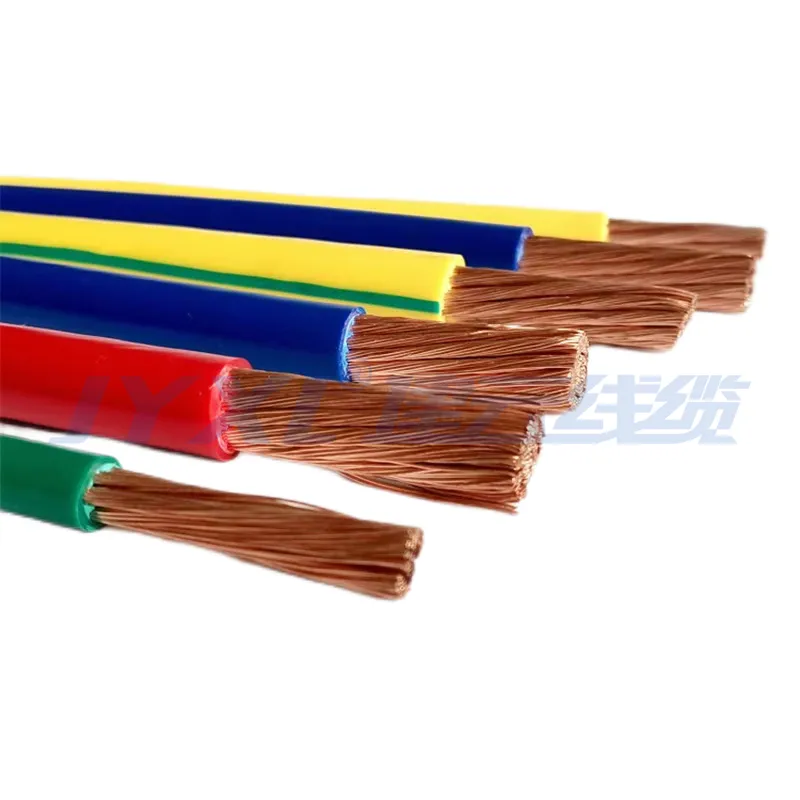
H07V-K flexible electrical wire with 1.5mm² and 2.5mm² stranded copper conductor
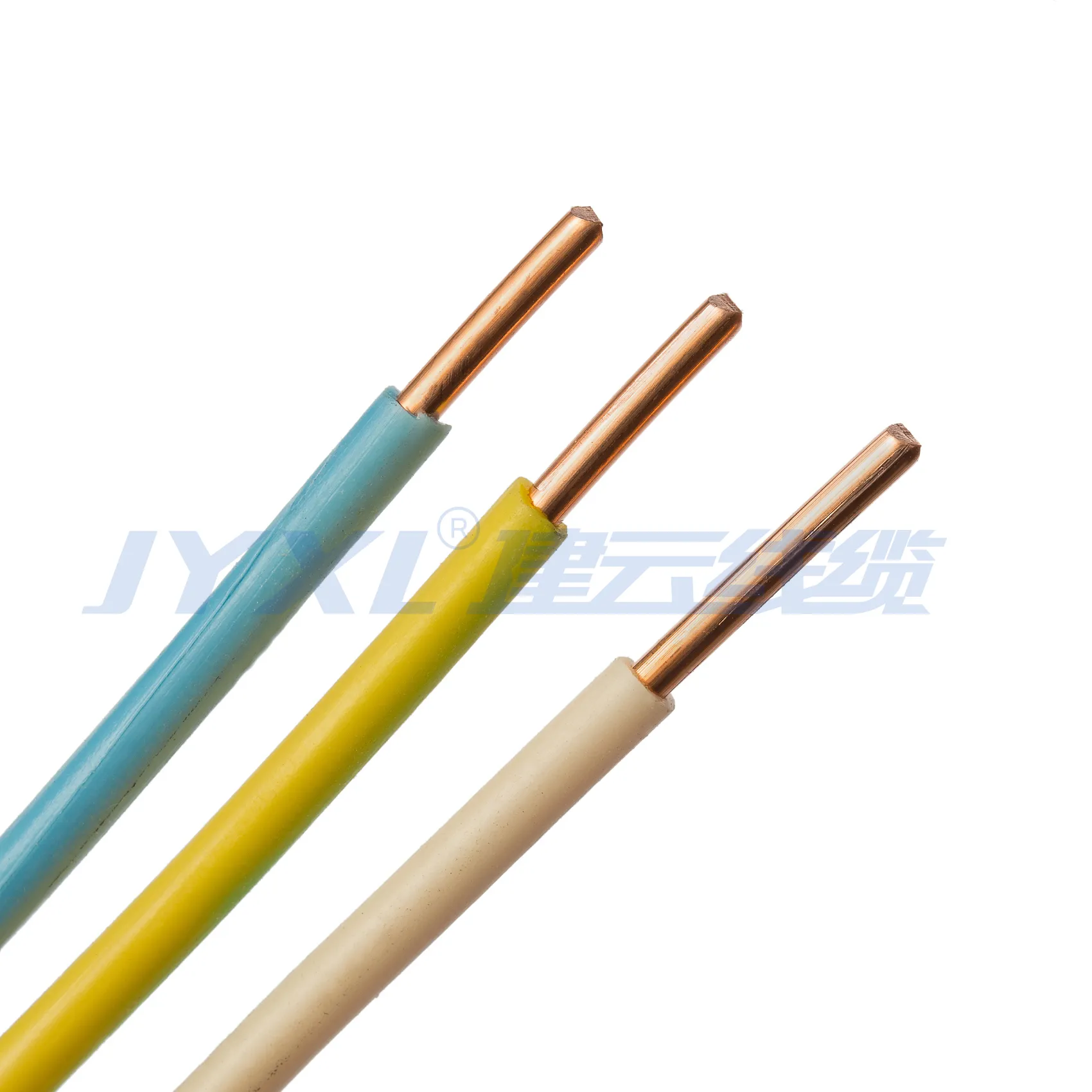
Jianyun H07V-U Solid Copper PVC Wire is a single core rigid electrical wire manu
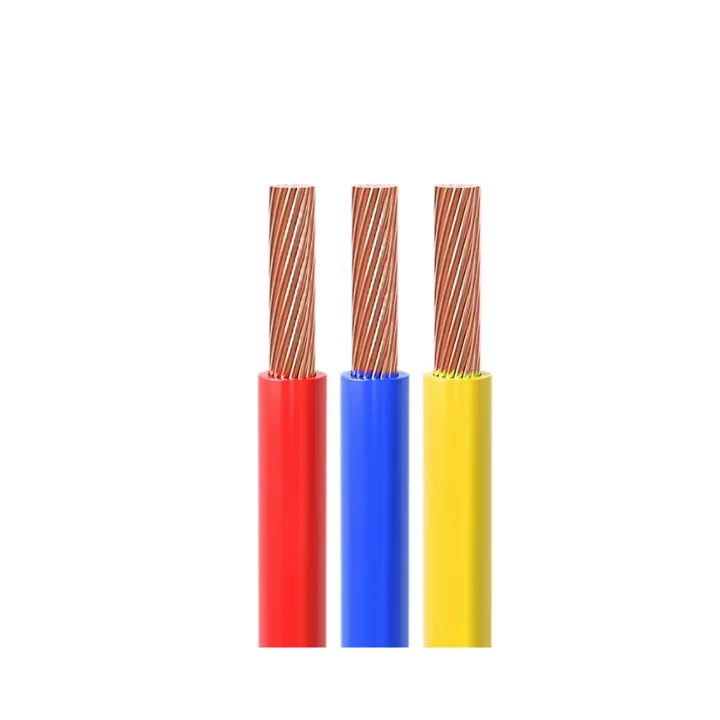
CE Certification 450/750v H07VVF Flexible Copper PVC Insulated Ac Cable 3*2.5 Mm