Armored Power Cable Design: Structure, Materials, and Performance
Time: 2026-01-28 11:31:01
Source: Henan Province Jianyun Cable Co., Ltd.
By Jianyun Cable – Professional Manufacturer of Quality Electrical Cables
1. Introduction to Armored Power Cables
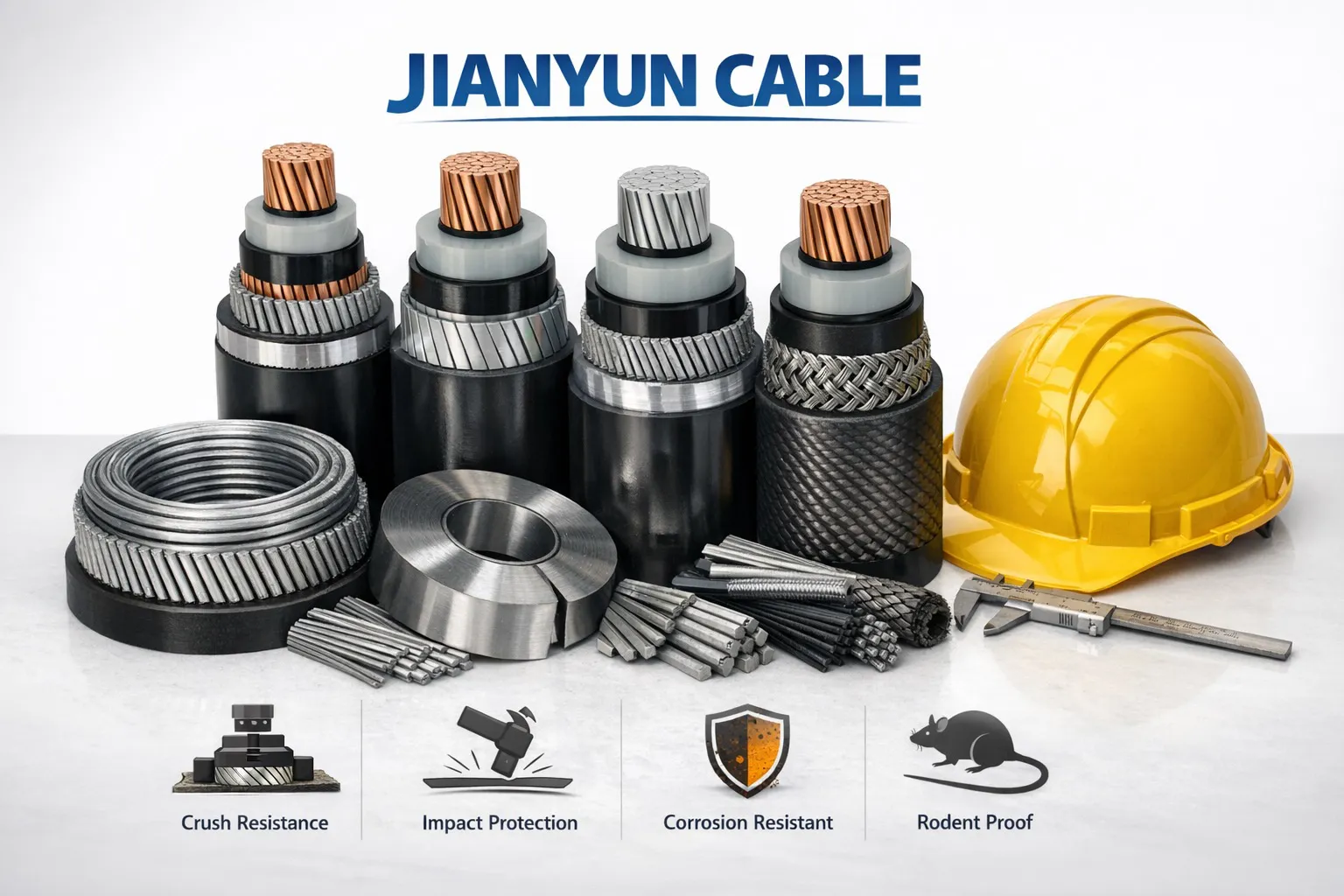
Armored power cables are engineered to deliver reliable power transmission in harsh environments where mechanical protection is essential. Unlike unarmored cables, armored designs incorporate a metallic layer (armor) that shields the core conductors and insulation from external forces such as crushing, impact, rodent attack, and ground pressure. This guide provides a deep technical exploration of armored power cable design, covering structure, materials, performance characteristics, and selection criteria to help engineers and project managers choose the optimal solution for industrial, utility, renewable, and infrastructure projects in 2025.
2. Why Armoring Is Essential in Power Cables
Armoring addresses critical risks in real-world installations:
-
Direct burial without conduit
-
Outdoor or exposed routes subject to impact or vibration
-
Industrial areas with heavy machinery or traffic
-
Protection against termites, rodents, and mechanical damage
-
Compliance with codes requiring mechanical protection (e.g., NEC Article 300.5, IEC 60502)
3. Basic Structure of Armored Power Cables
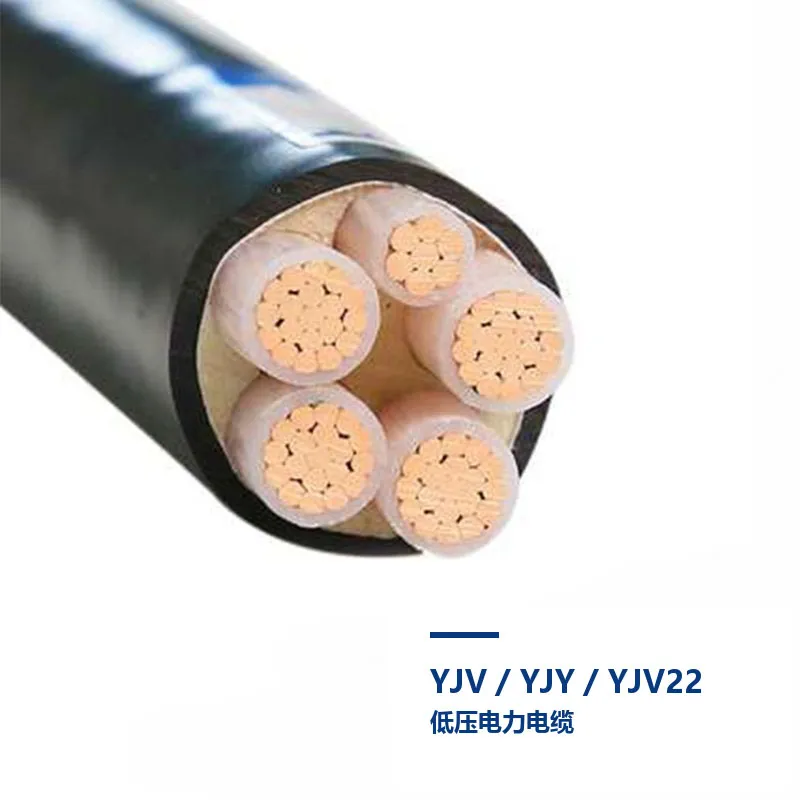
A typical armored power cable consists of the following concentric layers:
-
Conductor: Copper or aluminum, stranded (Class 2 or compact)
-
Conductor Screen (MV/HV): Semiconductive layer to smooth electric field
-
Insulation: XLPE, EPR, PVC, or special compounds
-
Insulation Screen (MV/HV): Semiconductive layer + metallic screen (Cu tape/wires)
-
Inner Sheath / Bedding: PVC, PE, or LSZH – separates core from armor
-
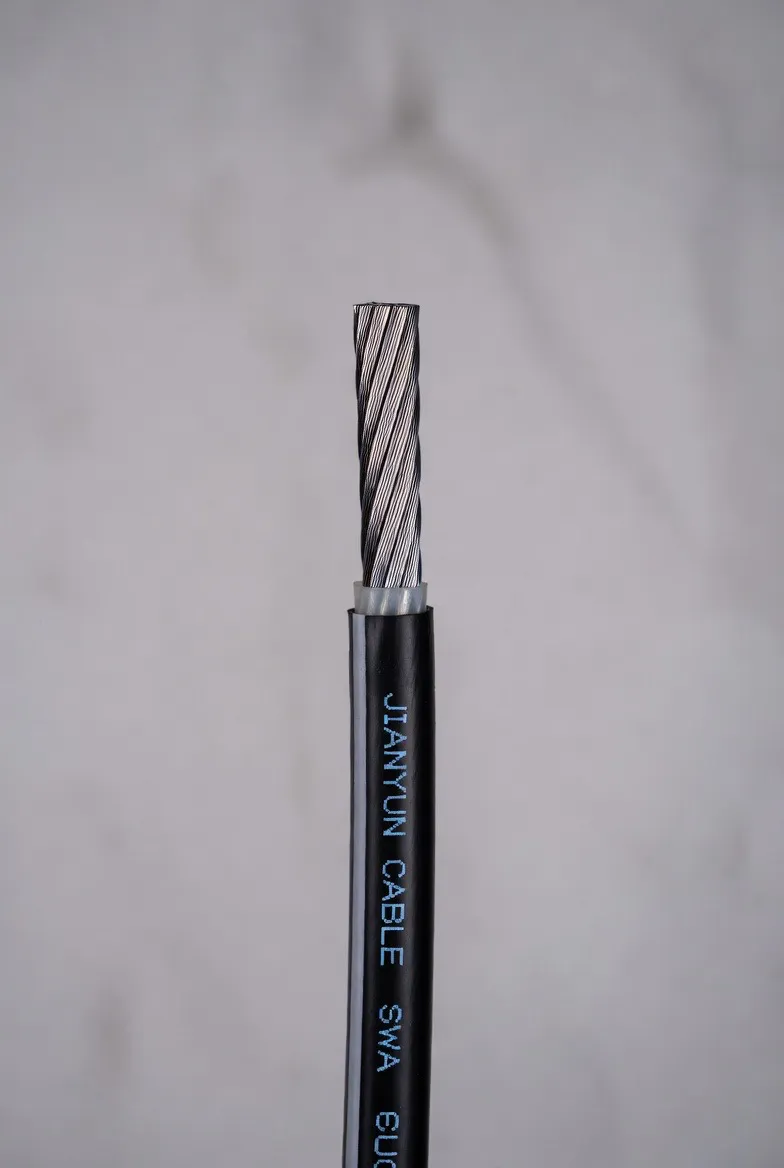
Armor Layer: Steel wire (SWA), steel tape (STA), aluminum wire (AWA), or braid
-
Outer Sheath: PVC, PE, LSZH, or oil-resistant compounds
4. Types of Armoring: Materials and Design
-
Steel Wire Armored (SWA): Round galvanized steel wires – highest tensile and crush resistance.
-
Steel Tape Armored (STA): Overlapping galvanized steel tapes – cost-effective for moderate protection.
-
Aluminum Wire Armored (AWA): Non-magnetic – mandatory for single-core AC cables to avoid induced currents.
-
Steel Braid Armor: Interwoven steel wires – excellent flexibility for dynamic applications.
-
Double Armor: SWA + tape or braid – extreme mechanical protection (submarine, mining).
Key performance metrics:
-
Crush Resistance: SWA typically withstands 4–10 kN (depending on size) before deformation.
-
Impact Resistance: Tested per IEC 60811-508 or BS 7919 – no damage after specified drop weight.
-
Tensile Strength: Armor wires must meet minimum breaking load (e.g., 350 N/mm² for steel).
-
Corrosion Resistance: Galvanized coating (Class 1–3) per IEC 60811-606 – salt spray or sulfur dioxide tests.
-
Bending Radius: SWA cables typically 12–15× outer diameter; braid types as low as 6–8×.
6. Typical Applications by Armor Type
-
SWA: Direct burial in industrial plants, utilities, road crossings, solar farms
-
STA: Cost-sensitive underground distribution, building risers
-
AWA: Single-core AC MV/HV feeders (avoids circulating currents)
-
Braid Armor: Drag chains, reeling systems, mining, port cranes
-
Double Armor: Offshore platforms, submarine links, extreme environments
7. Comparison Table: Common Armored Power Cable Designs
|
Armor Type
|
Material
|
Crush Resistance
|
Flexibility
|
Best Application
|
Typical Voltage
|
|
SWA
|
Galvanized steel wire
|
Very high (4–10 kN)
|
Moderate
|
Direct burial, industrial feeders
|
LV to MV
|
|
STA
|
Galvanized steel tape
|
Moderate (2–5 kN)
|
Good
|
Cost-sensitive underground
|
LV to MV
|
|
AWA
|
Aluminum wire
|
High
|
Moderate
|
Single-core AC MV/HV
|
MV to HV
|
|
Steel Braid
|
Galvanized steel braid
|
Moderate
|
Excellent
|
Dynamic/reeling systems
|
LV
|
|
Double Armor
|
SWA + tape/braid
|
Extremely high
|
Low
|
Offshore, mining, extreme conditions
|
LV to MV
|
8. Key Standards and Testing Requirements
Armored cables must comply with:
-
IEC 60502-1/2 – LV/MV extruded cables (armor tests included)
-
IEC 60840 / 62067 – HV cables (mechanical tests)
-
IEC 60811-4-1 – Armor tensile & galvanizing
-
IEC 60811-508 – Armor impact & crush
-
BS 5467 / BS 6724 – UK armored cable standards
-
UL 1569 / UL 2250 – North American MC & armored cables
9. How to Select the Right Armored Power Cable
-
Determine voltage class (LV/MV/HV) and load current.
-
Assess installation method: direct burial, tray, duct, or dynamic.
-
Evaluate mechanical risks: crush, impact, vibration, rodent.
-
Check environmental factors: corrosion, chemicals, UV, temperature.
-
Decide on armor type (SWA, STA, AWA, braid) and sheath (PVC, LSZH, PE).
-
Verify compliance with project specifications and local codes.
10. Final Thoughts
Armored power cable design balances electrical performance with superior mechanical protection. The choice of armor type, material, and construction directly affects installation safety, service life, and total project cost. Understanding these technical aspects ensures reliable power delivery in the most demanding environments — from industrial plants and utilities to renewable energy farms and infrastructure projects.
Need expertly designed armored power cables that meet the highest standards? Contact Henan Province Jianyun Cable Co., Ltd. – we specialize in durable, high-performance armored solutions tailored to your exact requirements.