Keep up to date with our latest company news and relevant industry knowledge.
Time: 2026-01-12 06:48:20 Source: Henan Province Jianyun Cable Co., Ltd.
Many homeowners and small contractors ask: **Can you lay armoured cable yourself?** In 2026, the answer is yes — in many cases — provided you have the right skills, tools and understanding of local regulations.
**Armoured cable** is designed for direct burial and offers excellent mechanical protection, making it a popular DIY choice for outbuildings, garages, EV chargers and garden power. This guide helps you decide if DIY is safe and practical for your project.
**Armoured cable** (SWA or AWA) is built to withstand impact, crushing and rodent damage, so it is one of the few power cables allowed to be buried directly without conduit in most countries.
DIY installation can save money, but it carries responsibility: incorrect work may void insurance, fail inspections or create dangerous faults.
Always check local electrical regulations before starting — rules vary significantly between countries and even regions.
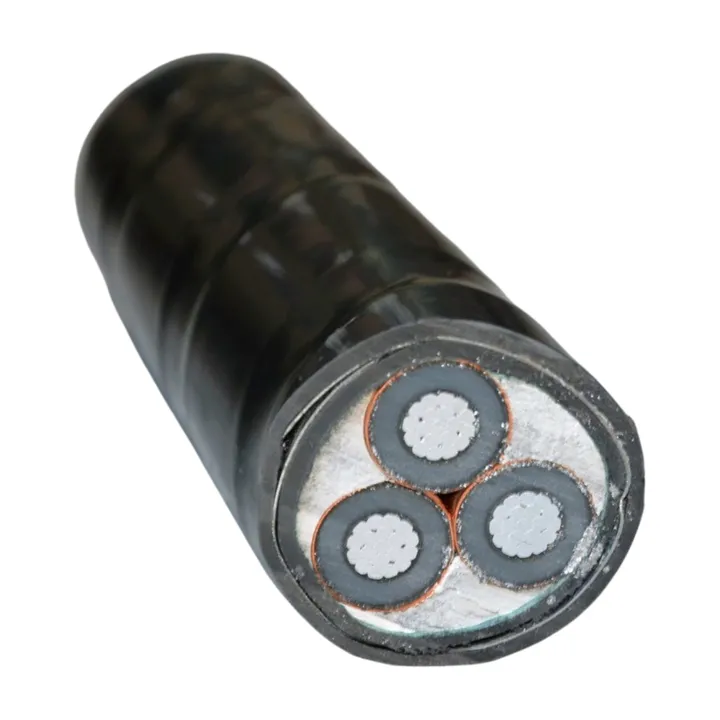
In the UK, Part P of the Building Regulations allows competent DIYers to install **armoured cable** in their own home, but notifiable work (new circuits, consumer unit changes) must be certified by a registered electrician or self-certified via a competent person scheme.
In many EU countries, DIY electrical work on fixed installations is restricted or prohibited for safety reasons.
In the US, Canada and Australia, most jurisdictions require licensed electricians for permanent power installations — DIY is usually limited to low-voltage or temporary setups.
Always verify your local rules. Incorrect work can invalidate home insurance and lead to fines.
You must understand basic electrical theory: voltage drop, current rating, earthing and circuit protection.
Practical skills include safe excavation, correct termination of armour (using proper glands), insulation testing and correct earthing of the armour.
Familiarity with local wiring regulations (e.g., BS 7671 in UK) is essential. If unsure, consult a qualified electrician.
| Item | Purpose | Why Essential |
|---|---|---|
| SWA stripping tool | Remove armour safely | Prevents damage to cores |
| Approved SWA glands | Secure & earth armour | Maintains IP rating & safety |
| Insulation tester | Verify insulation resistance | Detects faults before energising |
| Warning tape & sand | Protect & mark cable | Prevents future accidental damage |
| Shovel & cable roller | Excavation & laying | Reduces strain & damage |
Step 1: Plan route, check for buried services (call utility locator service).
Step 2: Excavate trench to correct depth (usually 600 mm private land, 750–900 mm under driveways).
Step 3: Lay 100 mm sand bedding, place cable, add 100 mm sand cover.
Step 4: Install yellow warning tape 150–250 mm above cable.
Step 5: Terminate with correct glands, earth armour, test insulation (>1 MΩ).
Step 6: Backfill carefully, avoiding sharp objects.

Always isolate and lock off supply before work. Use insulated tools and wear appropriate PPE.
Never assume cables are dead — verify with a voltage tester. Double-check earthing of armour.
If unsure about any part (especially testing or certification), stop and hire a qualified electrician.
Risks include electrocution, fire from poor terminations, cable damage from incorrect tools, and non-compliance with regulations.
Hire a professional if: you lack testing equipment, the circuit requires Part P notification, or you are working in commercial/public premises.
Professional certification provides peace of mind and valid insurance coverage.
In many countries DIY is allowed for your own home on non-notifiable work, but testing and certification often require a qualified person.
Typically 600 mm in private gardens; 750–900 mm under driveways/roads. Always check local regulations.
Yes – it is suitable for exposed runs, but correct glands and fixing clips must be used.
Ready to install armoured cable? Browse our trusted range of SWA Armoured Power Cablesand AWA Armoured Cables. Contact us for expert advice and fast delivery!
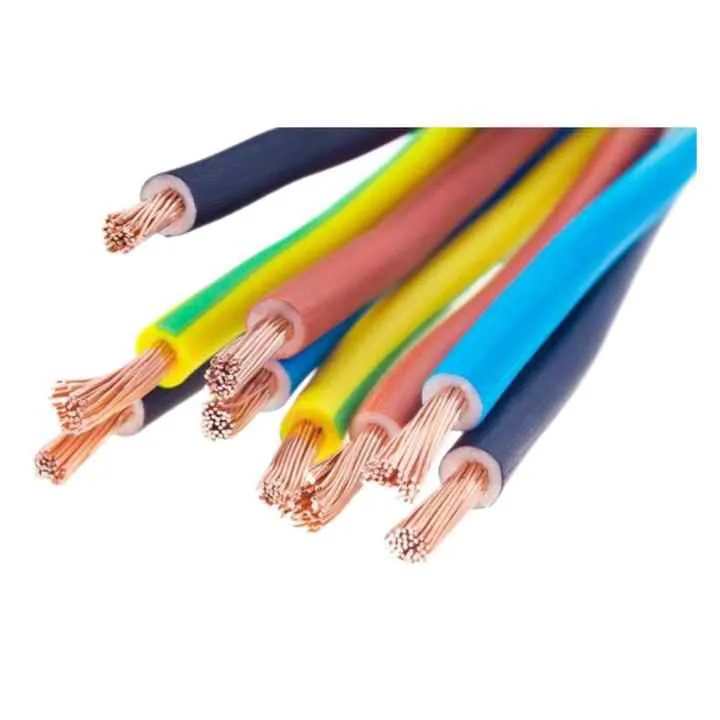
Flexible copper electrical wire with stranded copper conductor, PVC insulation a
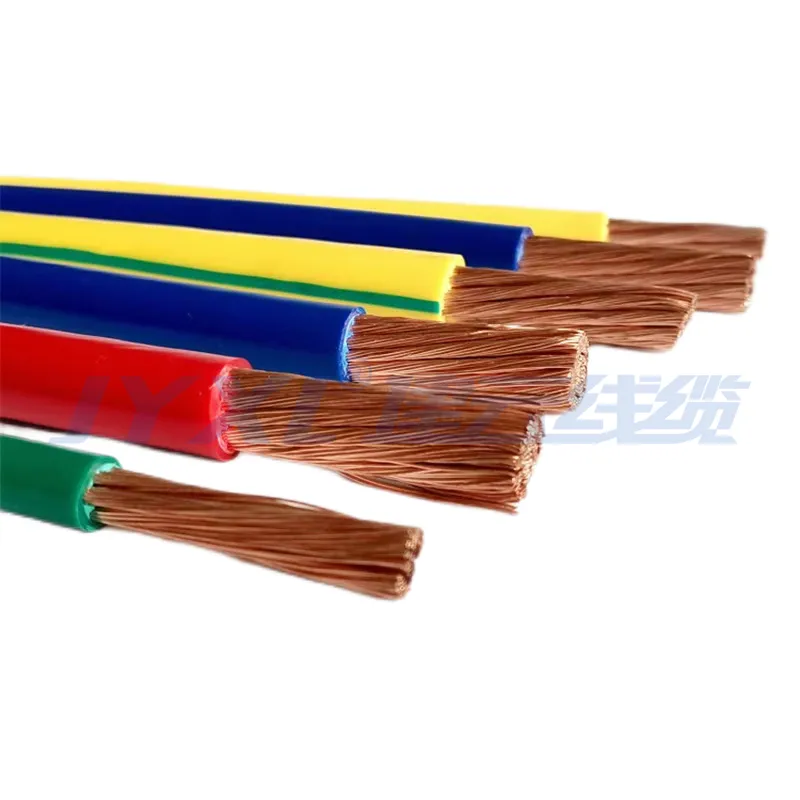
H07V-K flexible electrical wire with 1.5mm² and 2.5mm² stranded copper conductor
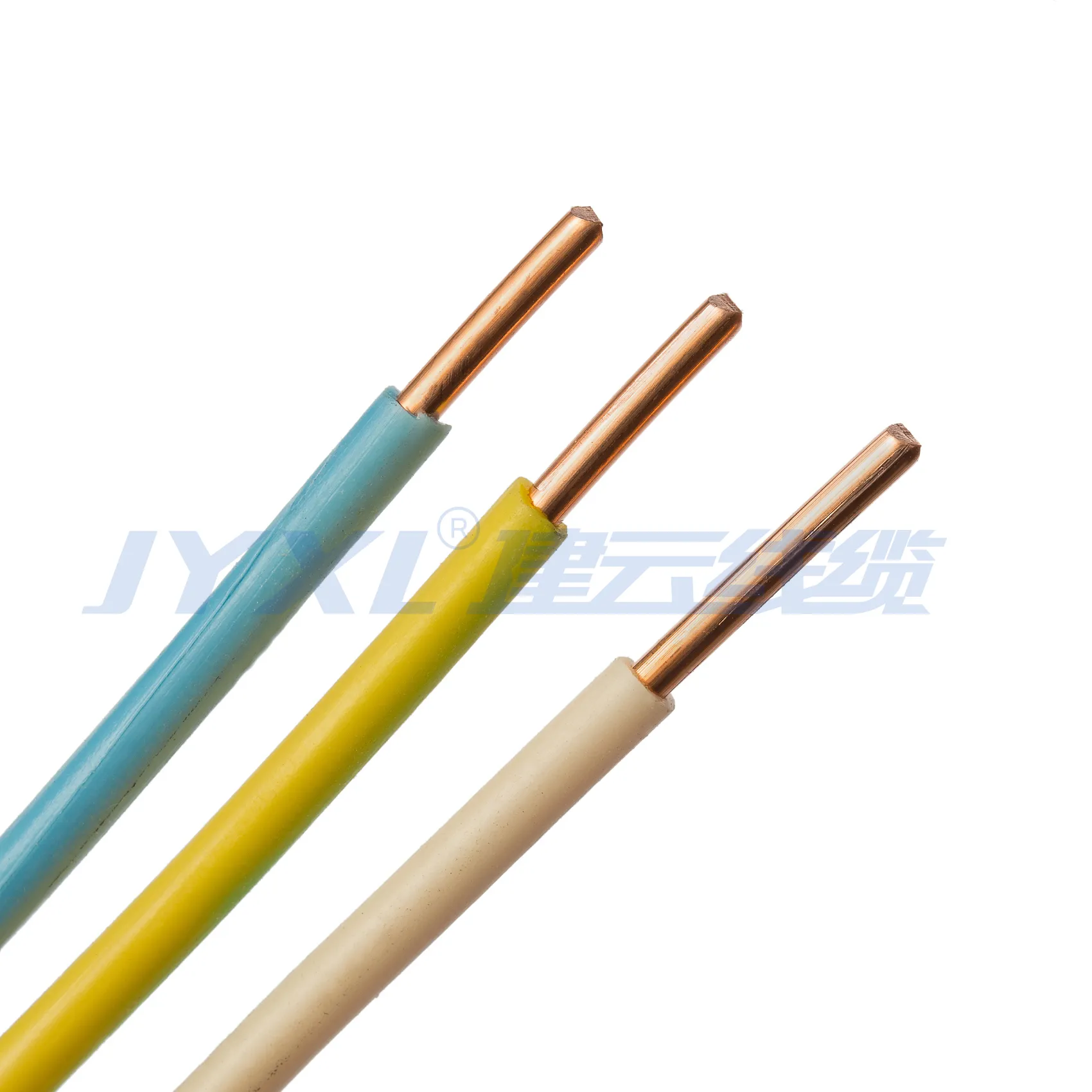
Jianyun H07V-U Solid Copper PVC Wire is a single core rigid electrical wire manu
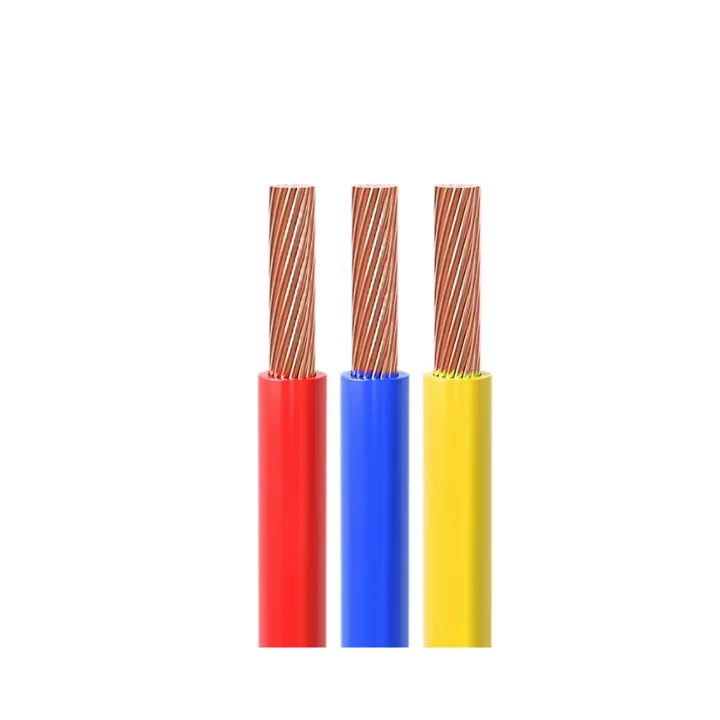
CE Certification 450/750v H07VVF Flexible Copper PVC Insulated Ac Cable 3*2.5 Mm