Keep up to date with our latest company news and relevant industry knowledge.
Time: 2026-01-21 09:05:52 Source: Henan Province Jianyun Cable Co., Ltd.
Armored cables are essential in modern electrical installations where mechanical protection is required. By incorporating a layer of steel wire, aluminum wire, or tape armor, these cables safeguard the inner conductors against impact, crushing, rodent attack, and accidental damage – making them ideal for direct burial, outdoor exposure, industrial environments, and harsh conditions.
This 2025 technical guide explains the main types of armored cables, their construction, advantages, applications, and how to select the right armored cable type for your project.
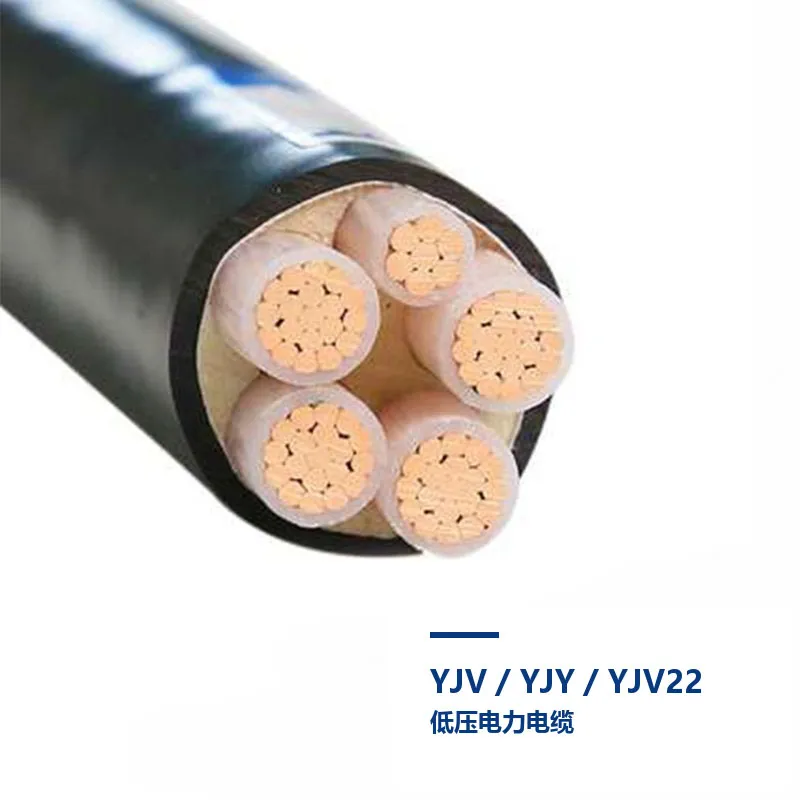
Armored cables are power or control cables with an additional protective layer of metal armor surrounding the inner cores. The armor provides mechanical strength and protection while maintaining electrical safety. Common ratings are low voltage (0.6/1 kV) and medium voltage (6–35 kV), with XLPE or PVC insulation and various sheath materials.
The most common armored cable types are:
| Type | Armor Material | Mechanical Strength | Weight | Corrosion Resistance | Best Applications |
|---|---|---|---|---|---|
| SWA | Galvanized steel wire | Excellent (high tensile & impact) | Heavier | Good (galvanized) | Direct burial, industrial, outdoor |
| AWA | Aluminum wire | Very good | Lighter than SWA | Excellent | Single-core cables, corrosive environments |
| STA | Steel tape | Good (crushing resistance) | Moderate | Moderate | Indoor, less mechanical stress |
| ATA | Aluminum tape | Moderate | Light | Very good | Light-duty, corrosive areas |
| Interlocked Armor (MC) | Interlocked aluminum/steel tape | Excellent flexibility & protection | Moderate | Good (aluminum) | Tray, exposed industrial |
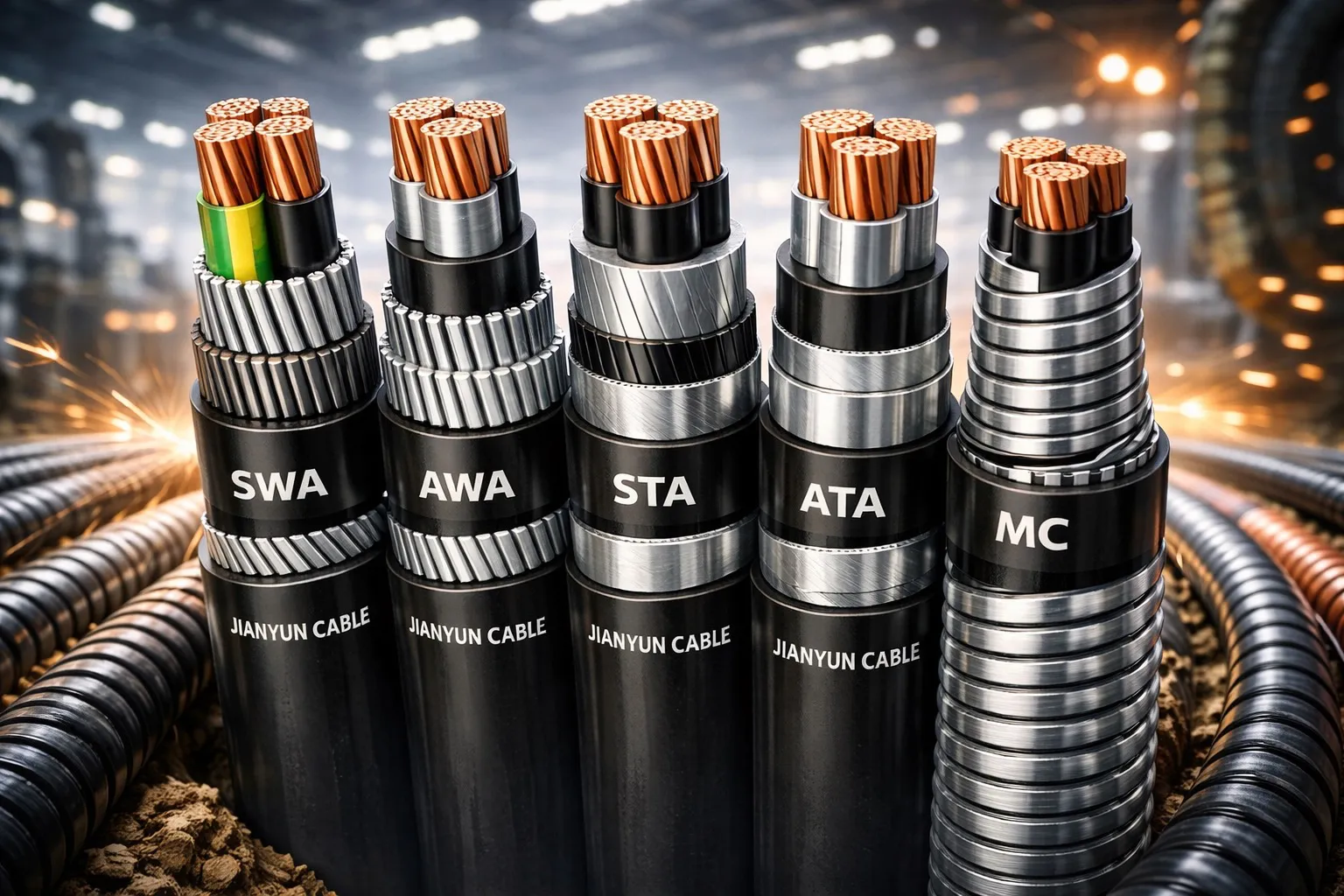
Standard layers (e.g., XLPE/SWA/PVC):
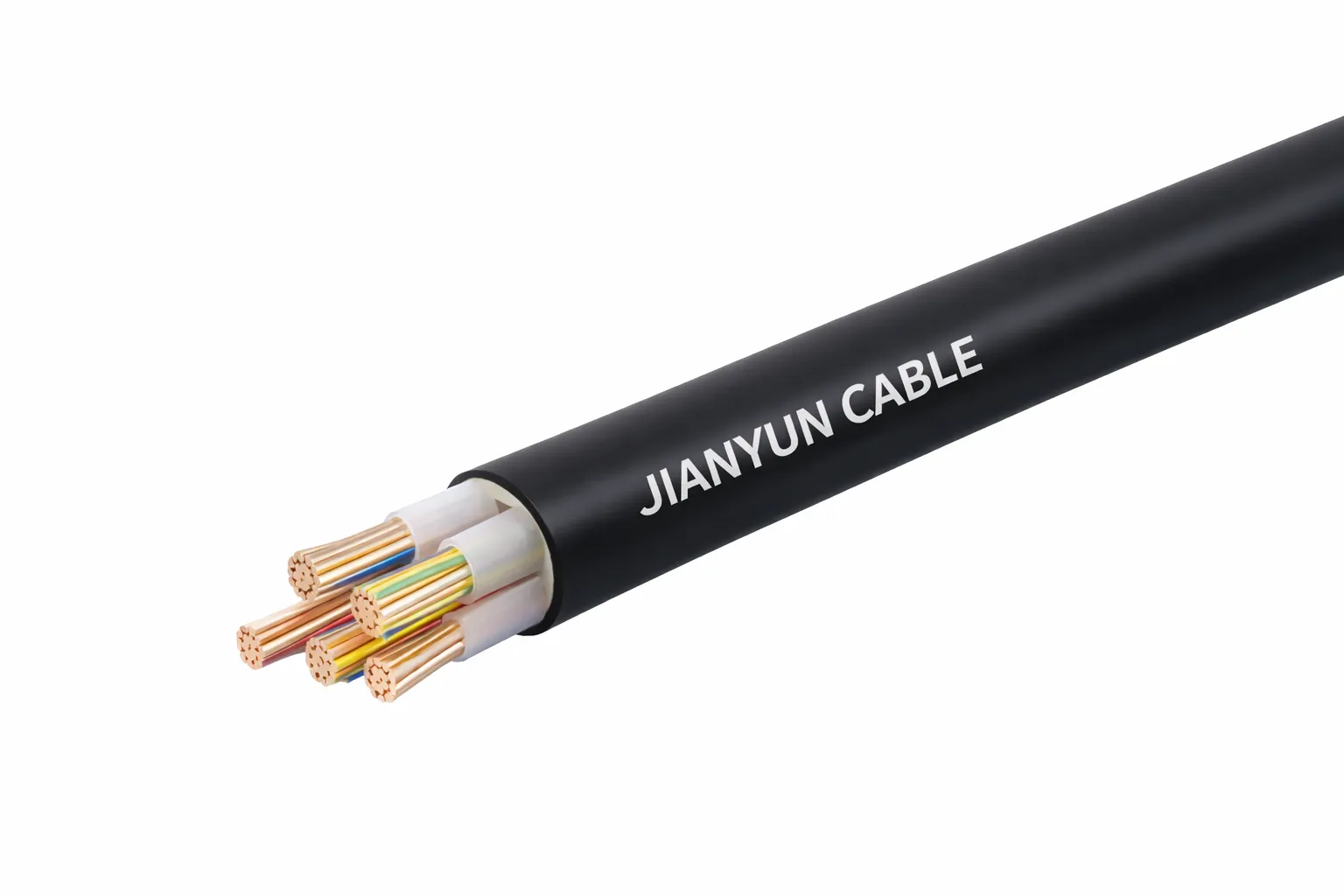
Armored cables provide essential mechanical protection in demanding electrical environments. SWA remains the most popular for direct burial and high-impact areas, while AWA excels in single-core applications and corrosive conditions. Selecting the correct armored cable type ensures safety, reliability, and long service life.
For premium armored power cables – SWA, AWA, STA, LSZH, fire-resistant – with full international compliance, rigorous testing, and expert technical support, contact Henan Province Jianyun Cable Co., Ltd. – your trusted partner for quality armored cable solutions.
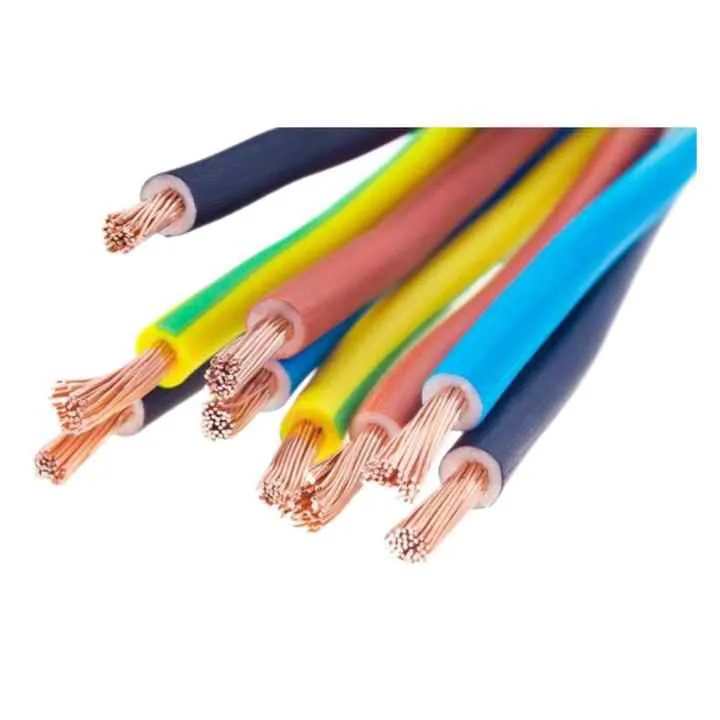
Flexible copper electrical wire with stranded copper conductor, PVC insulation a
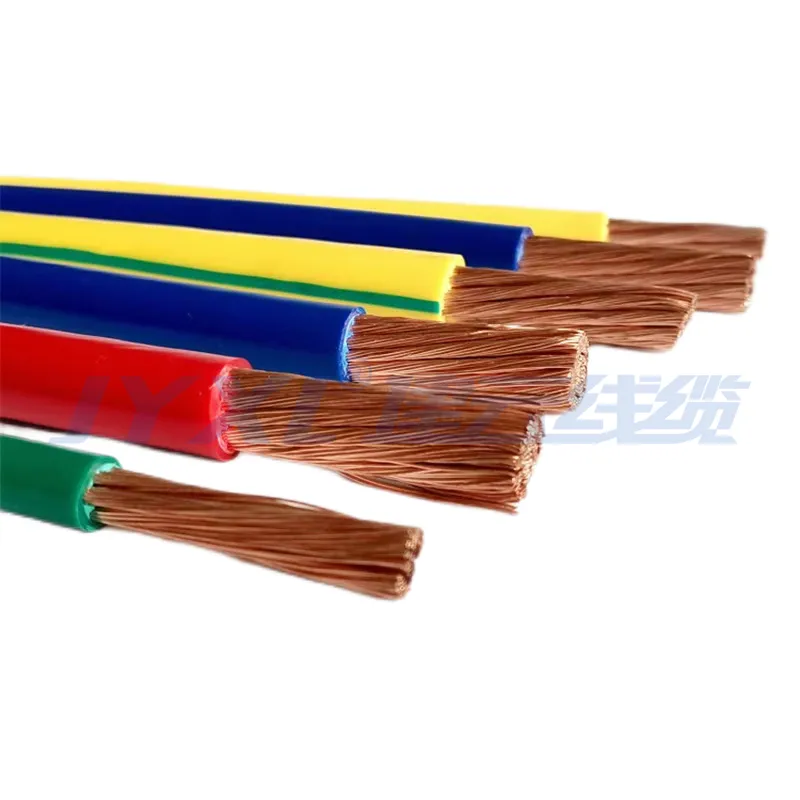
H07V-K flexible electrical wire with 1.5mm² and 2.5mm² stranded copper conductor
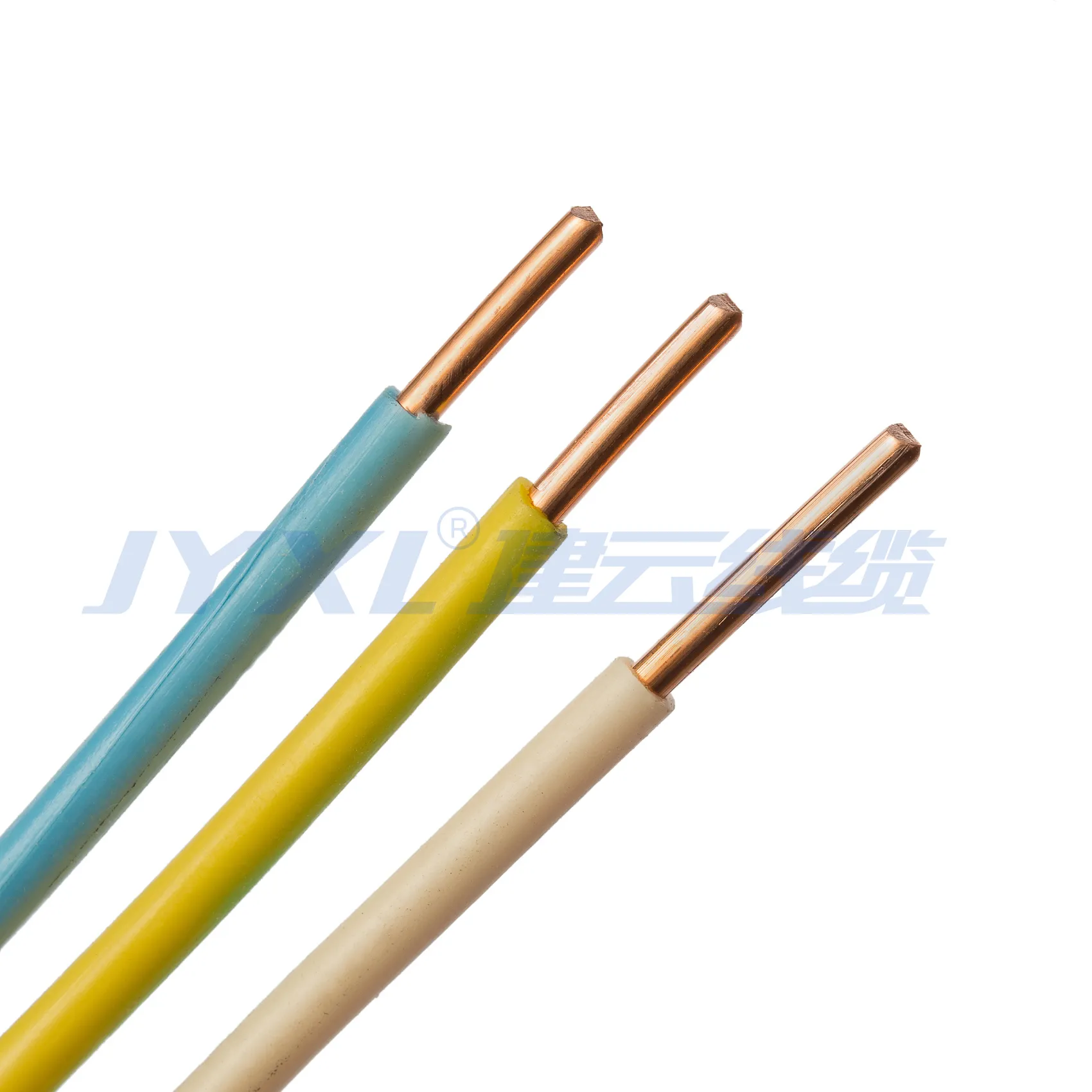
Jianyun H07V-U Solid Copper PVC Wire is a single core rigid electrical wire manu
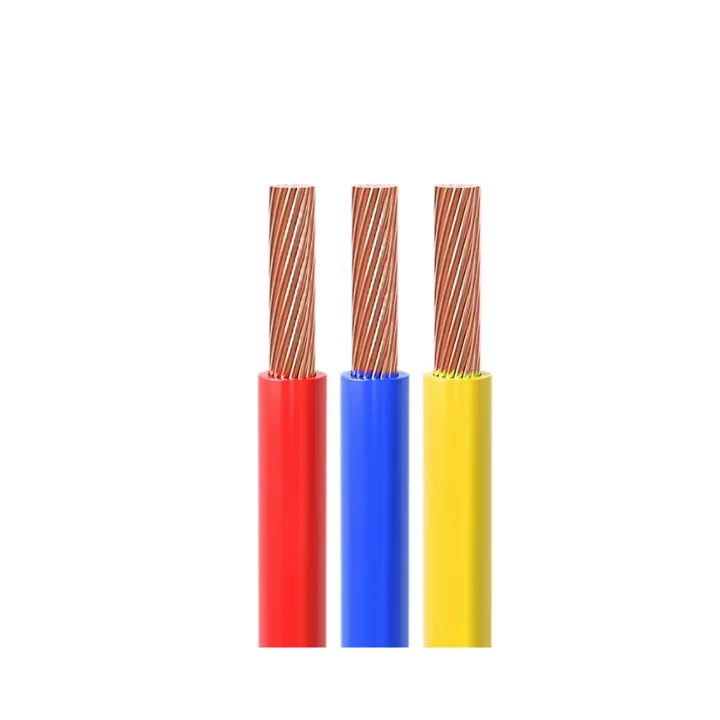
CE Certification 450/750v H07VVF Flexible Copper PVC Insulated Ac Cable 3*2.5 Mm