Keep up to date with our latest company news and relevant industry knowledge.
Time: 2026-01-21 09:20:50 Source: Henan Province Jianyun Cable Co., Ltd.
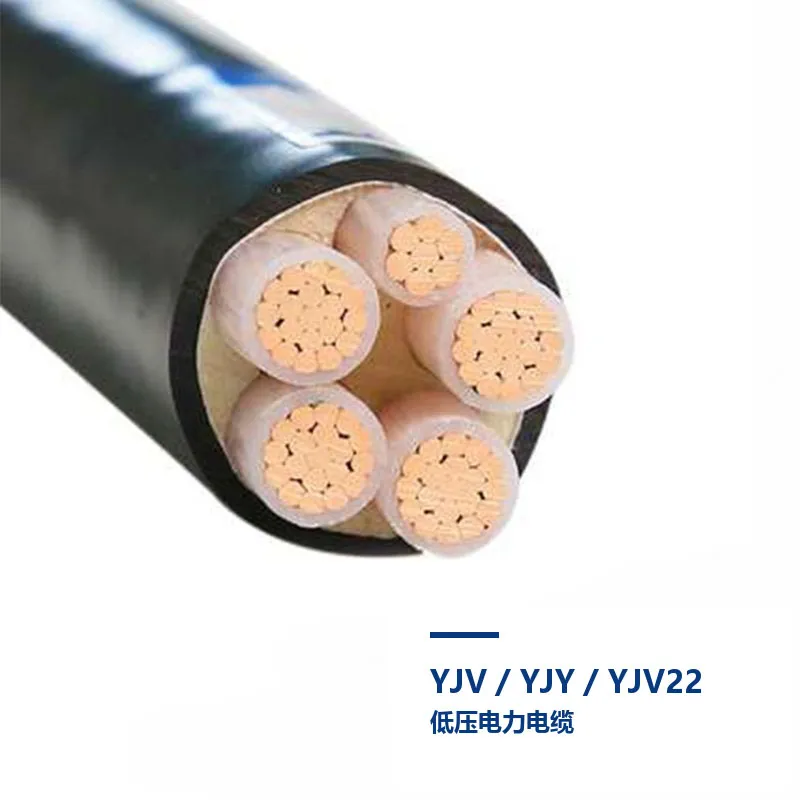
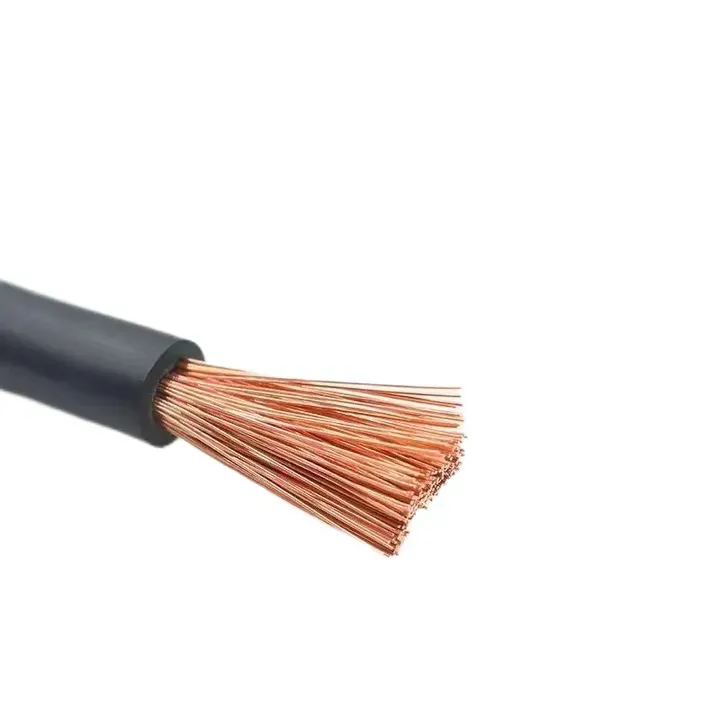
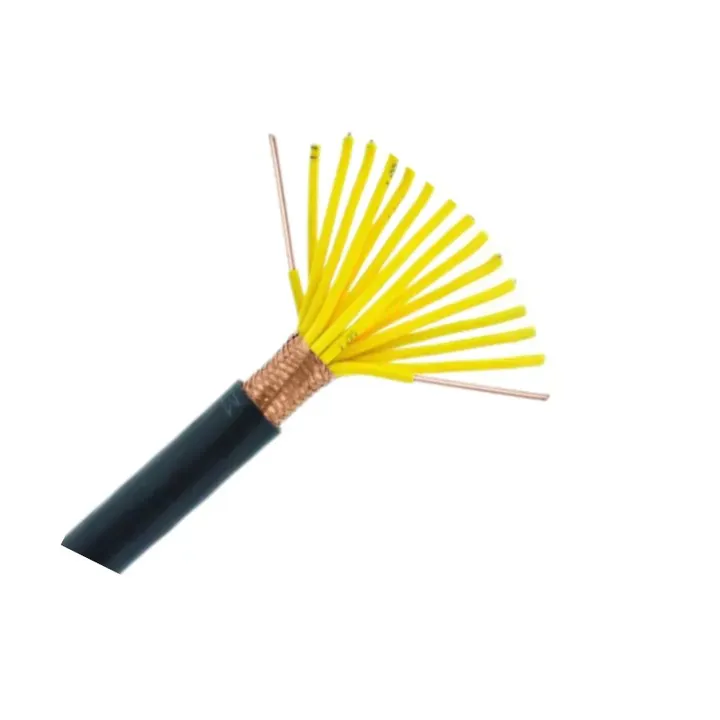
The choice between copper and aluminum conductors is one of the most important decisions in electrical design and installation. Both materials are widely used in power cables, building wire, overhead lines, and industrial applications – but each has distinct advantages and trade-offs. This 2025 in-depth comparison explores copper vs aluminum cable in detail: conductivity, cost, weight, corrosion resistance, safety, installation, and real-world applications – helping engineers, contractors, and buyers make informed decisions.
Copper has long been the “gold standard” for electrical conductors due to its superior conductivity and reliability. Aluminum, however, has gained significant market share thanks to lower cost and lighter weight – especially in large feeders, service entrances, and utility lines. The “better” choice depends on your project’s specific requirements: budget, load, environment, code compliance, and long-term performance goals.
| Property | Copper Cable | Aluminum Cable | Winner |
|---|---|---|---|
| Conductivity | Excellent (100% IACS) | Good (61% IACS) | Copper |
| Weight | Heavy (≈3.3× denser) | Lightweight | Aluminum |
| Cost per Meter | Higher (2–3× more expensive) | Lower | Aluminum |
| Corrosion Resistance | Excellent (forms protective oxide) | Good (with proper termination) | Copper |
| Thermal Expansion | Low (17 × 10⁻⁶ /°C) | High (23 × 10⁻⁶ /°C) | Copper |
| Flexibility & Ductility | Excellent | Good (but more brittle) | Copper |
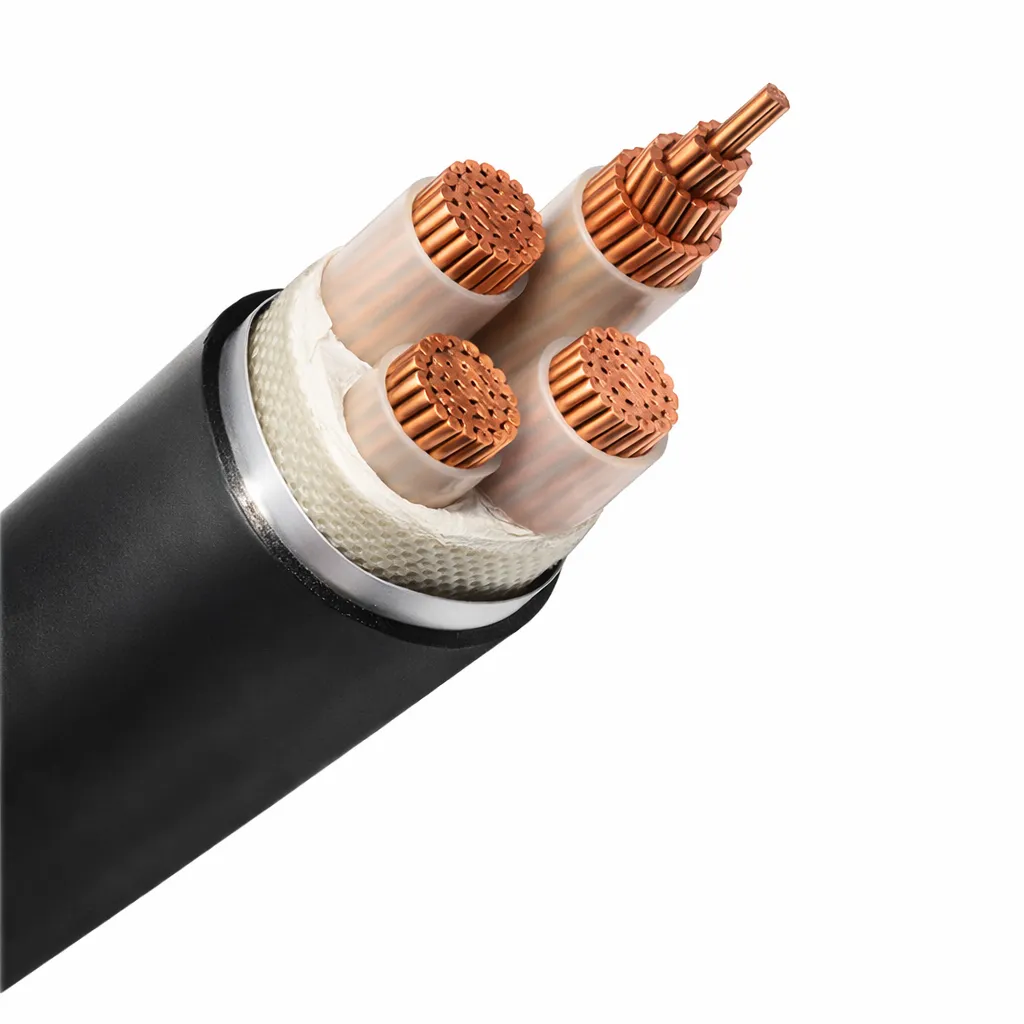
Copper has approximately 61% higher electrical conductivity than aluminum (100% IACS vs 61% IACS). This means:
Aluminum is 3.3 times lighter than copper and typically 2–3 times cheaper per kg. For large feeders or long-distance lines, aluminum reduces structural load and installation cost significantly. However, aluminum requires larger conductor sizes to match copper’s ampacity, which can offset some savings.
Copper forms a stable, self-protecting oxide layer and is highly resistant to corrosion. Aluminum also forms a protective oxide, but it is more prone to galvanic corrosion (especially at terminations with copper lugs) and requires anti-oxidant compound + proper torque. Copper connections are more forgiving and have fewer long-term failure risks.
| Parameter | Copper | Aluminum | Winner |
|---|---|---|---|
| Conductivity (IACS) | 100% | 61% | Copper |
| Weight per 1000 ft (for same ampacity) | Higher | ≈50% lighter | Aluminum |
| Cost per Ampacity | Higher initial cost | Lower cost | Aluminum |
| Corrosion & Termination Reliability | Excellent | Good (with care) | Copper |
| Thermal Expansion Coefficient | 17 × 10⁻⁶ /°C | 23 × 10⁻⁶ /°C | Copper |
| Flexibility & Bend Radius | Excellent | Good | Copper |
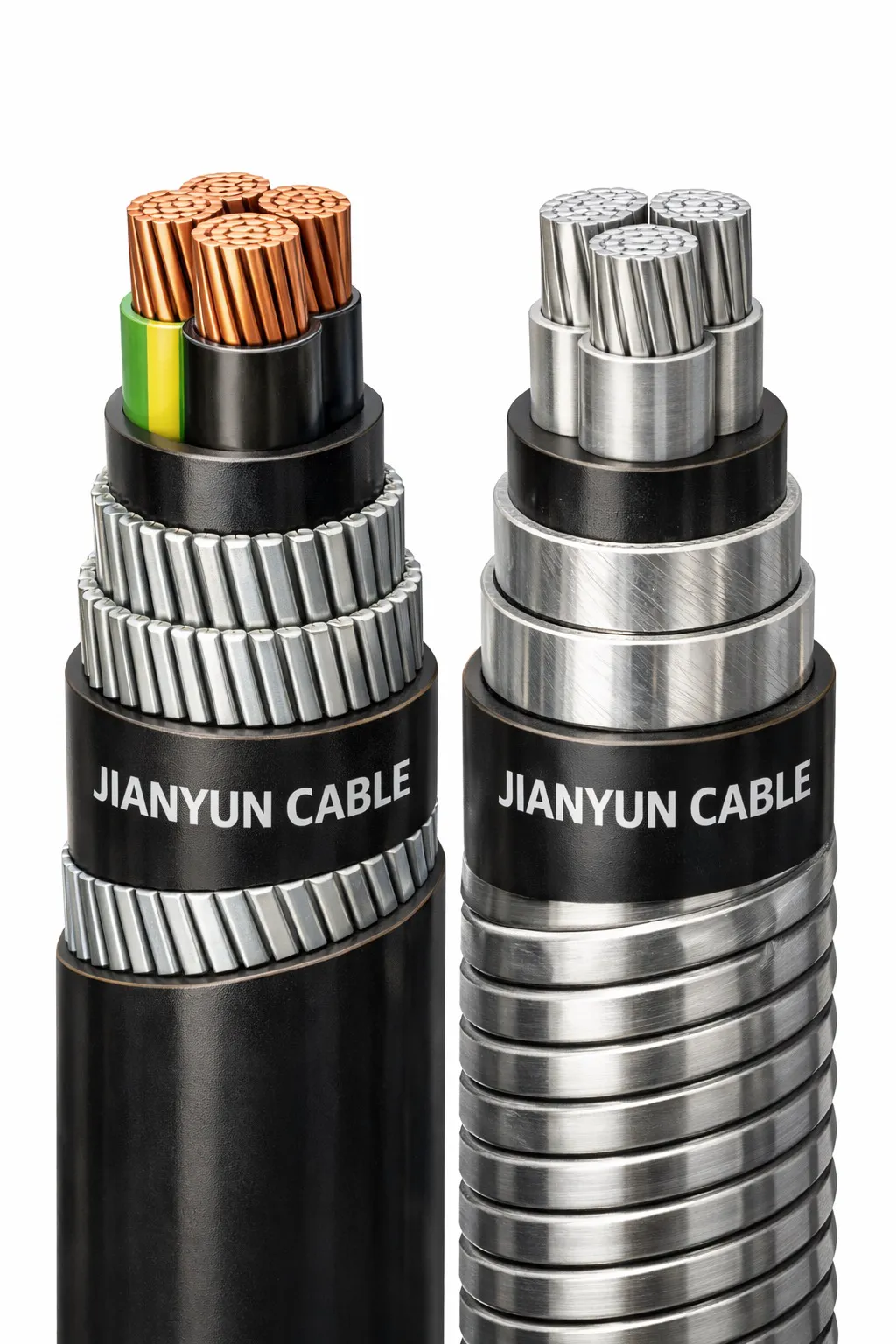
Choose Copper when:
Choose Aluminum when:
There is no universal “better” conductor – it depends on your project:
For high-quality copper and aluminum power cables – low voltage, medium voltage, armored, LSZH, fire-resistant – with full international compliance and expert technical support, contact Henan Province Jianyun Cable Co., Ltd. – your trusted partner for reliable conductor solutions.
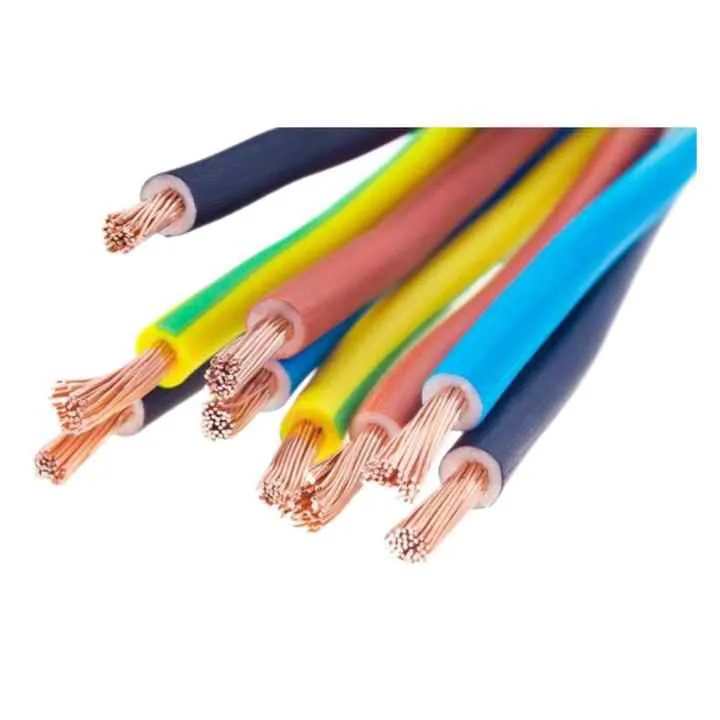
Flexible copper electrical wire with stranded copper conductor, PVC insulation a
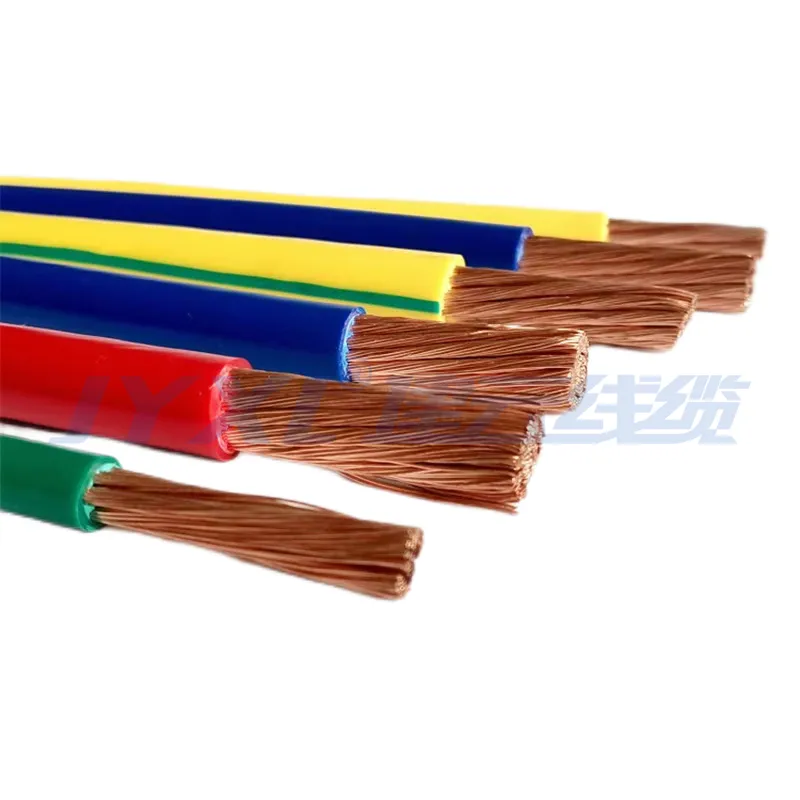
H07V-K flexible electrical wire with 1.5mm² and 2.5mm² stranded copper conductor
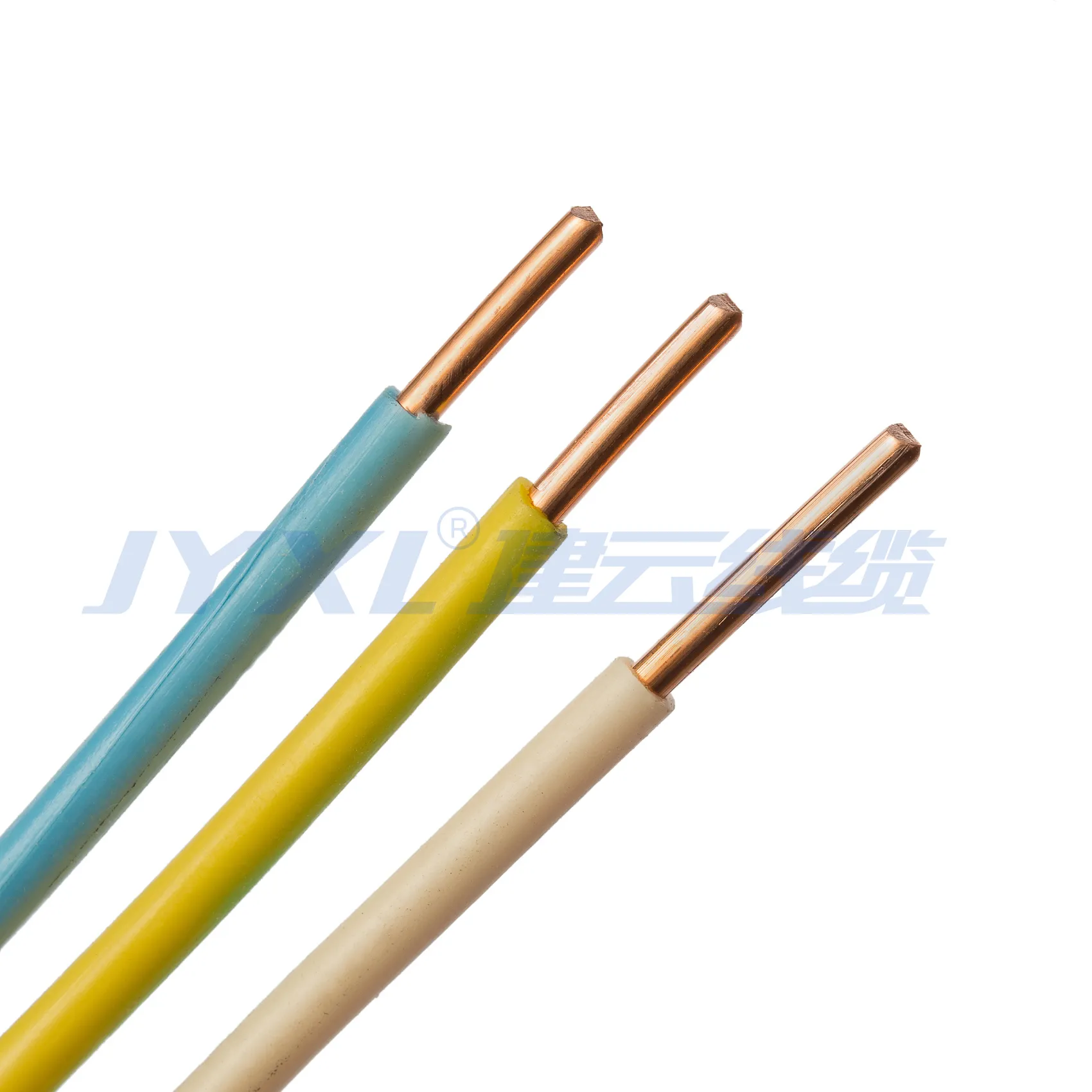
Jianyun H07V-U Solid Copper PVC Wire is a single core rigid electrical wire manu
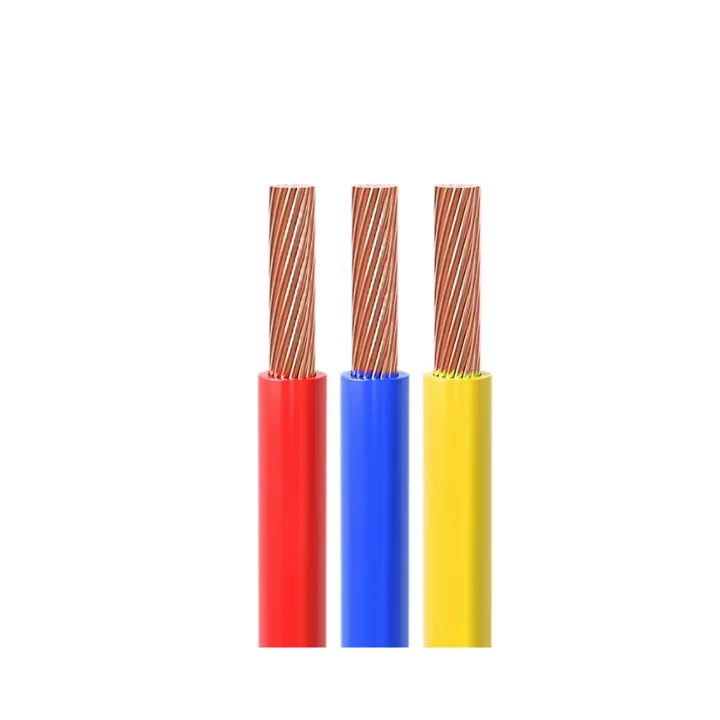
CE Certification 450/750v H07VVF Flexible Copper PVC Insulated Ac Cable 3*2.5 Mm