Keep up to date with our latest company news and relevant industry knowledge.
Time: 2026-01-07 07:12:36 Source: Henan Province Jianyun Cable Co., Ltd.
Proper burial depth is crucial for the long-term safety and performance of steel wire armoured cable(SWA). In 2026, with increasing underground infrastructure projects, knowing the correct depth helps prevent damage from digging, frost, or traffic loads.
While steel wire armoured cable offers excellent mechanical protection, insufficient depth can still lead to costly repairs or hazards. This guide provides clear, practical recommendations based on current standards.
Steel wire armoured cable is designed for direct burial thanks to its robust armour layer. However, burial depth remains a key factor in protecting it from external forces.
Standards like BS 7671 (IET Wiring Regulations) and IEC guidelines specify minimum depths to balance safety, accessibility, and cost. Following these ensures compliance and longevity.
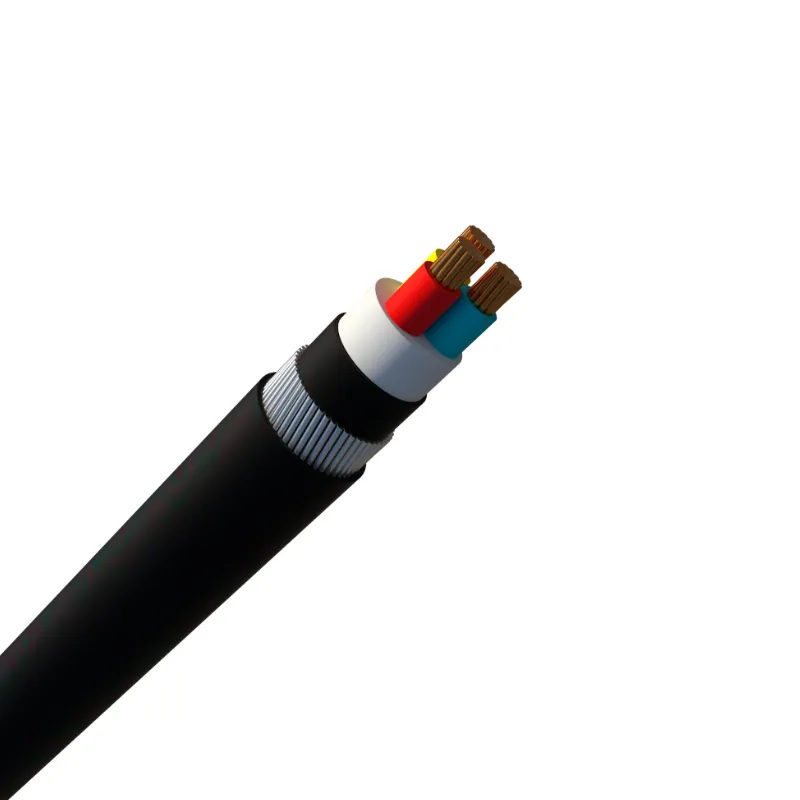
In the UK and many European countries, the standard minimum burial depth for steel wire armoured cable is 600 mm for general garden or private land applications.
For roads, driveways, or areas with vehicular traffic, increase to 750–900 mm depending on load. Agricultural land often requires 1000 mm to avoid plough damage.
| Location | Minimum Depth (mm) | Additional Protection |
|---|---|---|
| Gardens / Footpaths | 600 | Warning tape at 150 mm above |
| Driveways / Light Traffic | 750 | Warning tape + tiles optional |
| Public Roads / Heavy Traffic | 900–1200 | Concrete tiles or ducting |
| Agricultural Land | 1000 | Warning tape mandatory |
Frost heave in cold climates may require deeper burial (up to 900 mm in northern regions). Soil type also matters – rocky ground offers natural protection but complicates digging.
Future land use should be considered. If development is planned, deeper burial or ducting prevents disruption. Proximity to other services (gas, water) requires separation distances.
Local authority permissions often dictate exact depths for public land or highways. Always consult utility maps before excavation.
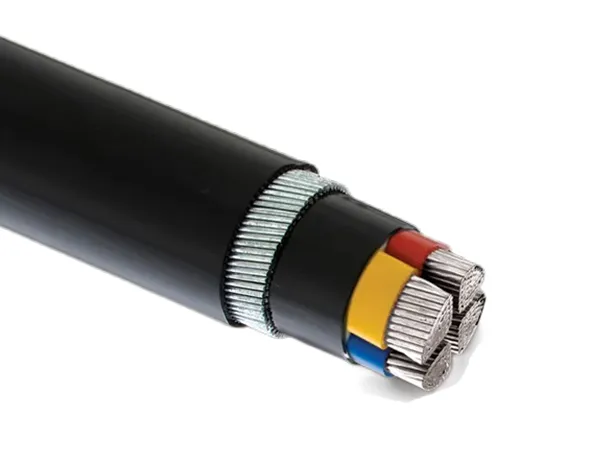
Even at correct depth, use yellow warning tape 150–250 mm above the steel wire armoured cable to alert future excavators.
Sand or fine fill bedding (100 mm below and above) cushions the cable from sharp stones. Protective tiles or covers are recommended under roads.
In high-risk areas, consider ducting or concrete encasement for extra security, though this increases cost.
UK: BS 7671 Table 4A2 and Guidance Note 1 recommend 600 mm minimum for private land.
EU: IEC 60364-5-52 influences national codes, with similar 0.6–1.0 m depths common.
North America: NEC Article 300 often requires conduit for direct burial, but where permitted, depths range 600–1200 mm.
Always verify local amendments – some councils mandate 750 mm even for gardens.
More installation tips in our blog post on What is Steel Wire Armoured Cable Used For?.
Burying too shallow to save time – risks damage from gardening or vehicles.
Forgetting warning tape – future excavators may not detect the cable.
Poor backfill with sharp rubble – can pierce outer sheath over time.
Ignoring frost depth in cold climates – cable may be exposed by ground movement.
In the UK, 600 mm is the standard minimum for private gardens and footpaths, with warning tape above.
Warning tape is mandatory. Tiles or covers are recommended under driveways or roads for added safety.
Some standards allow reduced depth (e.g., 450 mm) with concrete tiles or ducting, but always check local regulations.
Planning an underground installation? Browse our premium SWA Armoured Power Cables or XLPE Insulated SWA Cables. Contact us for expert guidance on your project!
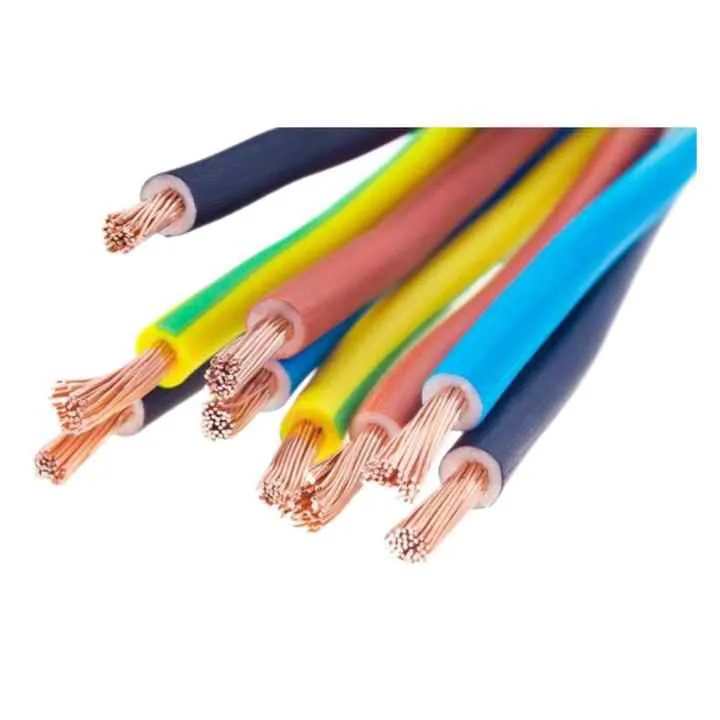
Flexible copper electrical wire with stranded copper conductor, PVC insulation a
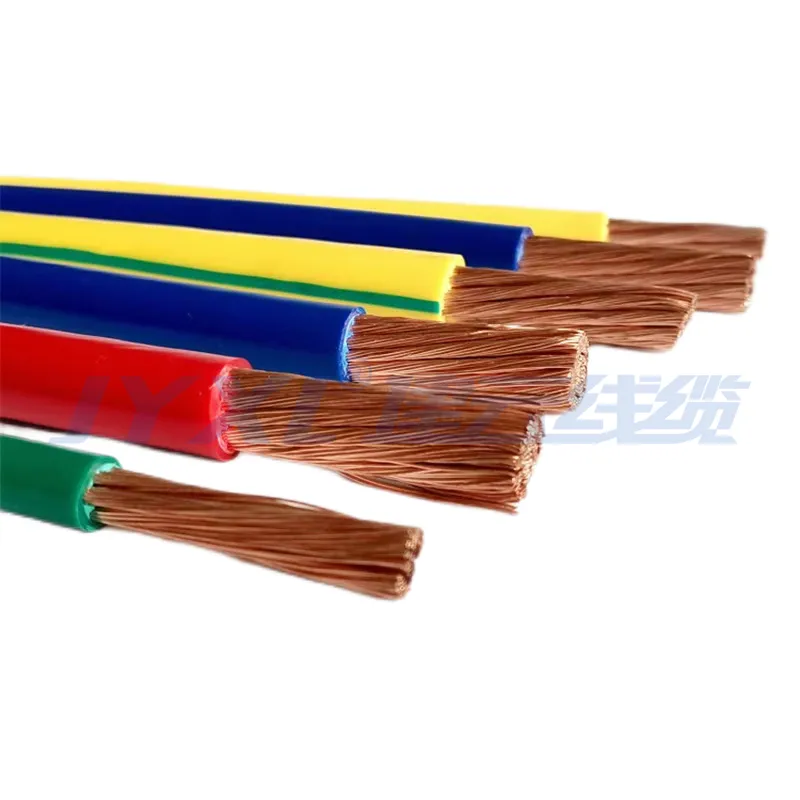
H07V-K flexible electrical wire with 1.5mm² and 2.5mm² stranded copper conductor
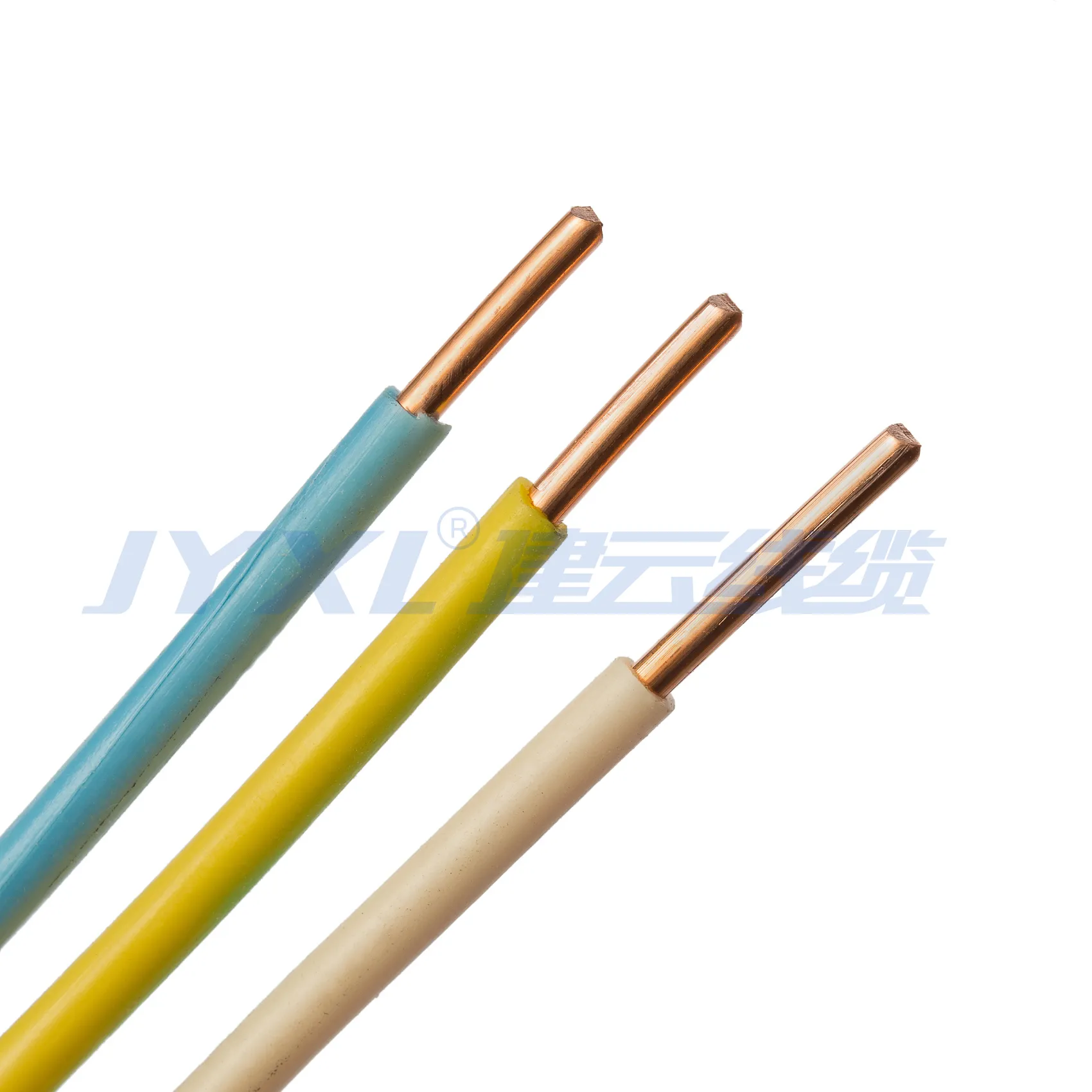
Jianyun H07V-U Solid Copper PVC Wire is a single core rigid electrical wire manu
CE Certification 450/750v H07VVF Flexible Copper PVC Insulated Ac Cable 3*2.5 Mm