Keep up to date with our latest company news and relevant industry knowledge.
Time: 2025-12-29 11:05:49 Source: Henan Province Jianyun Cable Co., Ltd.
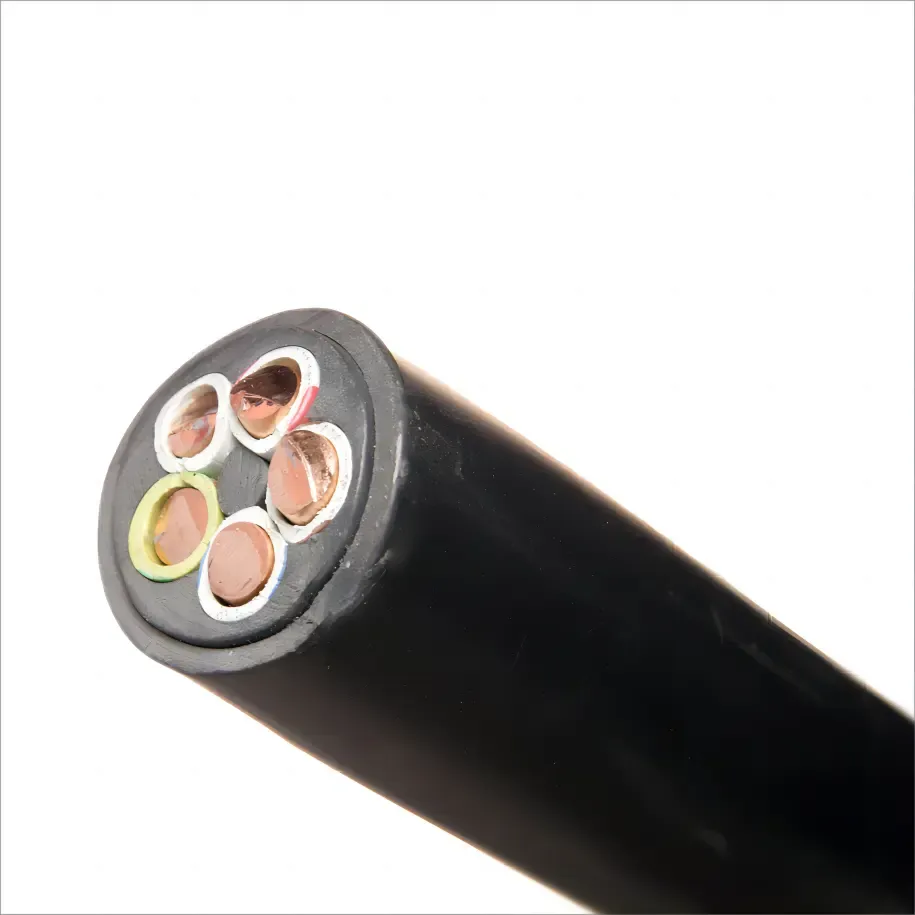
Running electricity outdoors – for garden lighting, sheds, hot tubs, EV chargers, or pools – can transform your property, but it must be done safely to avoid shocks, fires, or damage from weather and digging. This comprehensive 2025 guide explains how to install outdoor electrical cable safely, covering suitable cable types, methods, tools, and best practices.
Outdoor environments expose cables to moisture, UV rays, temperature swings, mechanical damage, and accidental digging. Using the wrong cable type or poor installation can lead to corrosion, insulation failure, or electrocution risks. Always prioritize code compliance and professional help for complex projects.
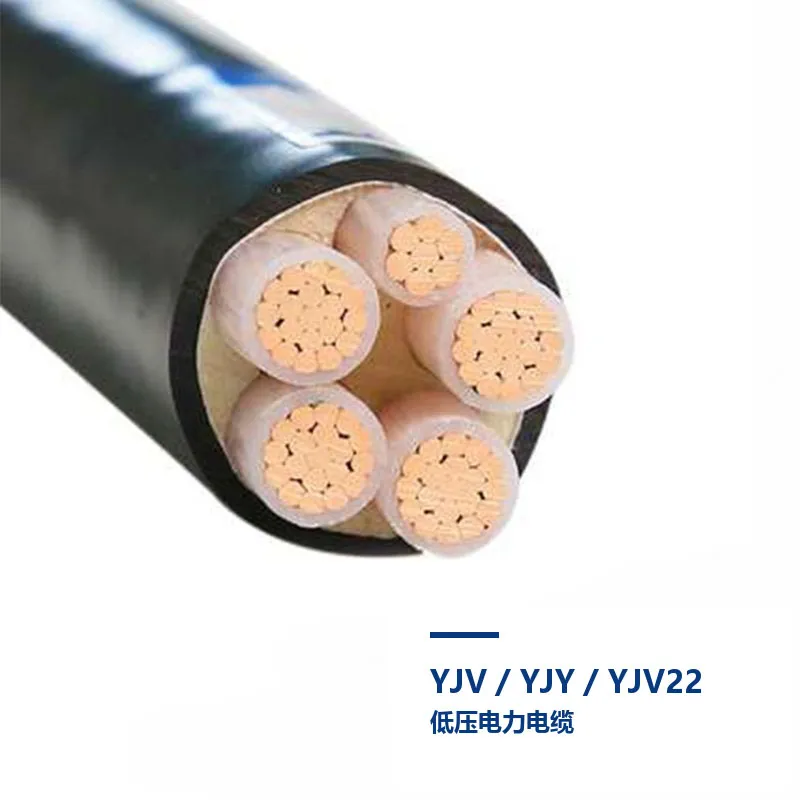
Select cables specifically rated for wet locations and direct sunlight.
| Cable Type | Rating | Best For | Pros | Cons |
|---|---|---|---|---|
| UF-B (Underground Feeder) | Direct burial, wet | Direct burial runs | No conduit needed, cost-effective | Less flexible, harder to pull |
| THWN/THHN in Conduit | Wet/dry | PVC conduit runs | Flexible, easy upgrades | Requires conduit installation |
| Armored Cable (MC/AC) | Exposed/outdoor | Above-ground exposed | Mechanical protection | More expensive |
| SWA (Steel Wire Armored) | Direct burial/outdoor | Europe/UK heavy-duty | Excellent protection | Stiff, heavier |
| USE-2/RHH/RHW-2 | Direct burial, sunlight-resistant | Solar or individual runs | UV-resistant | Usually single conductors |
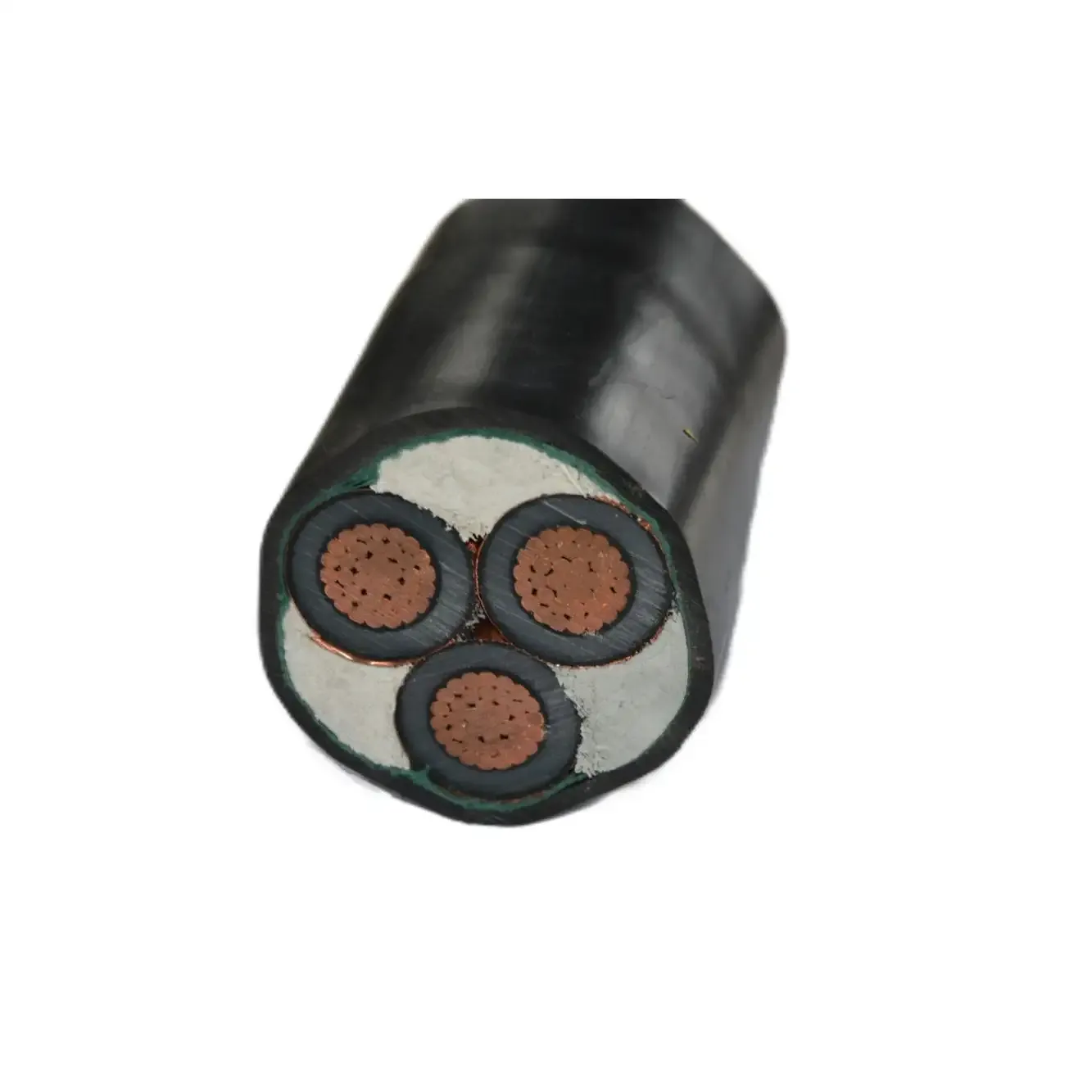
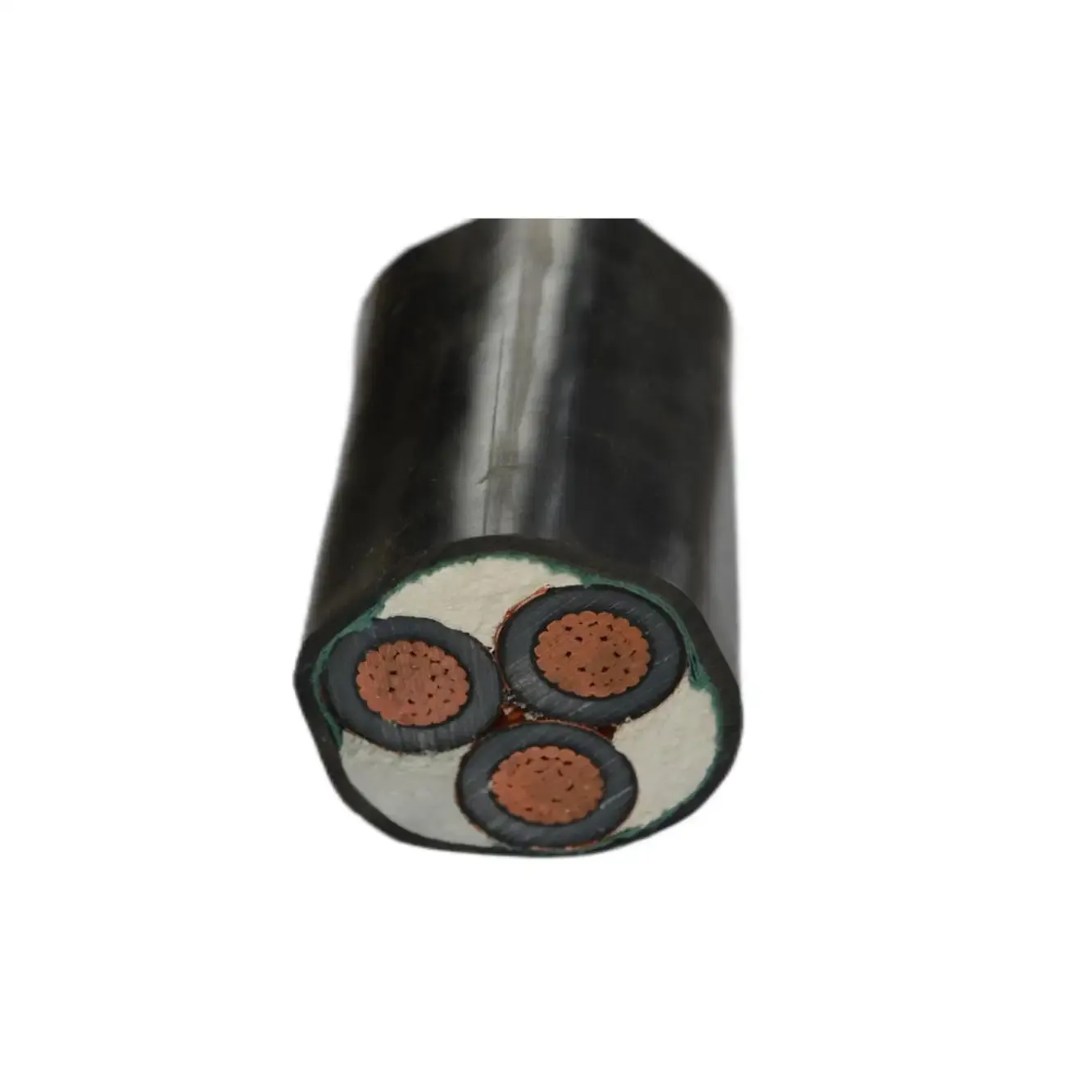
Installing outdoor electrical cable safely combines the right cable types, proper depth, protection, and rigorous testing. While DIY is possible for simple runs, always consult or hire a licensed electrician for complex or high-power installations to ensure compliance and safety.
Ready for your outdoor project? Contact Henan Province Jianyun Cable Co., Ltd. for high-quality, outdoor-rated electrical cables and expert advice.
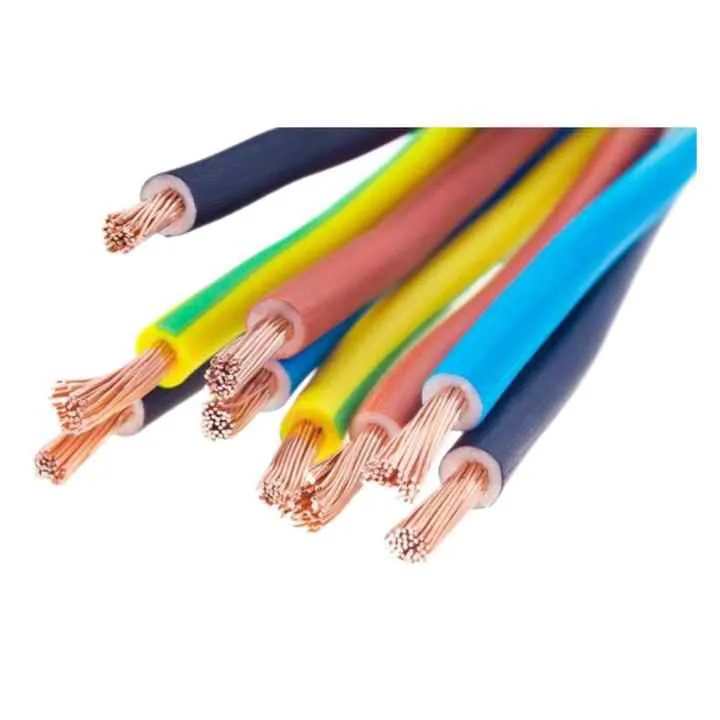
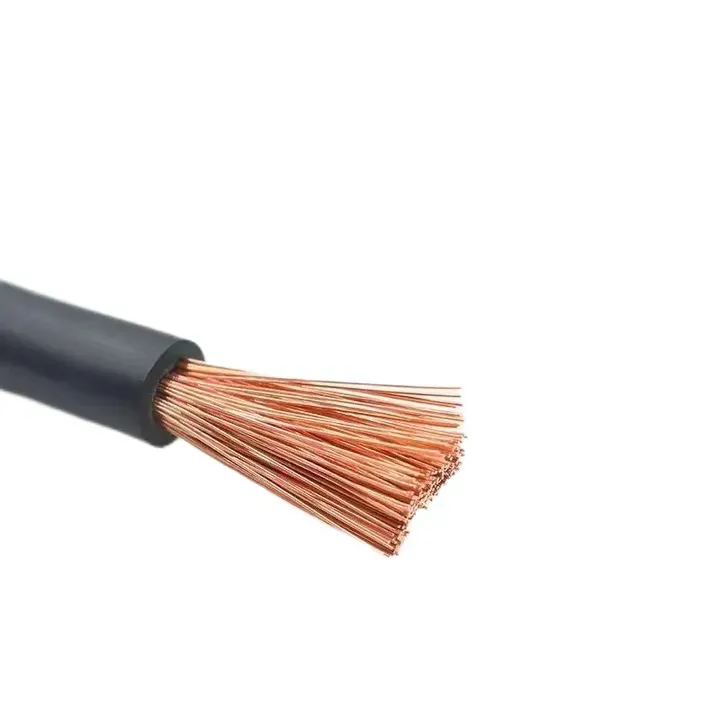
Flexible copper electrical wire with stranded copper conductor, PVC insulation a
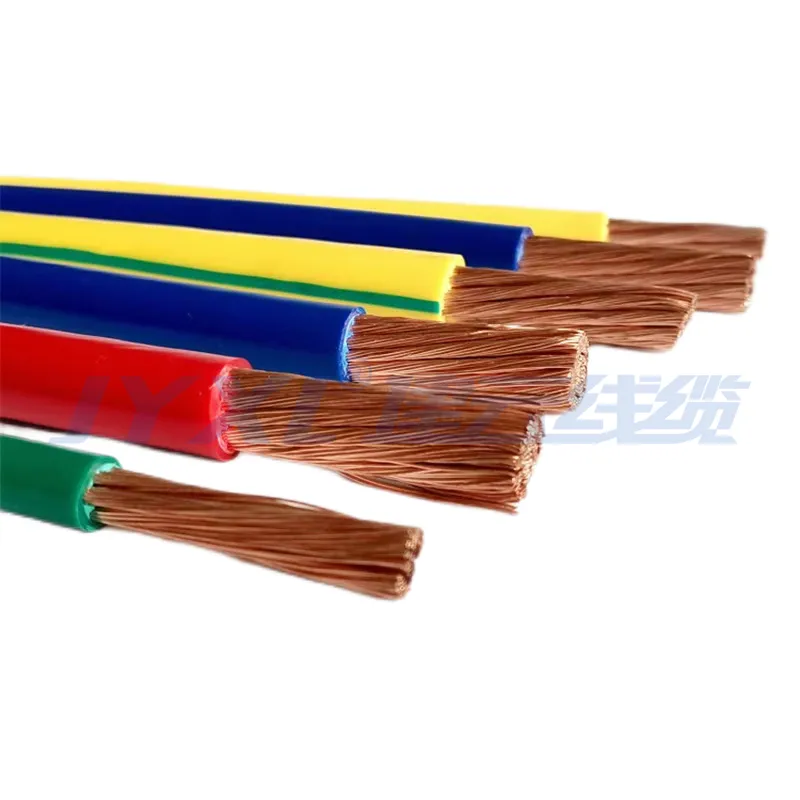
H07V-K flexible electrical wire with 1.5mm² and 2.5mm² stranded copper conductor
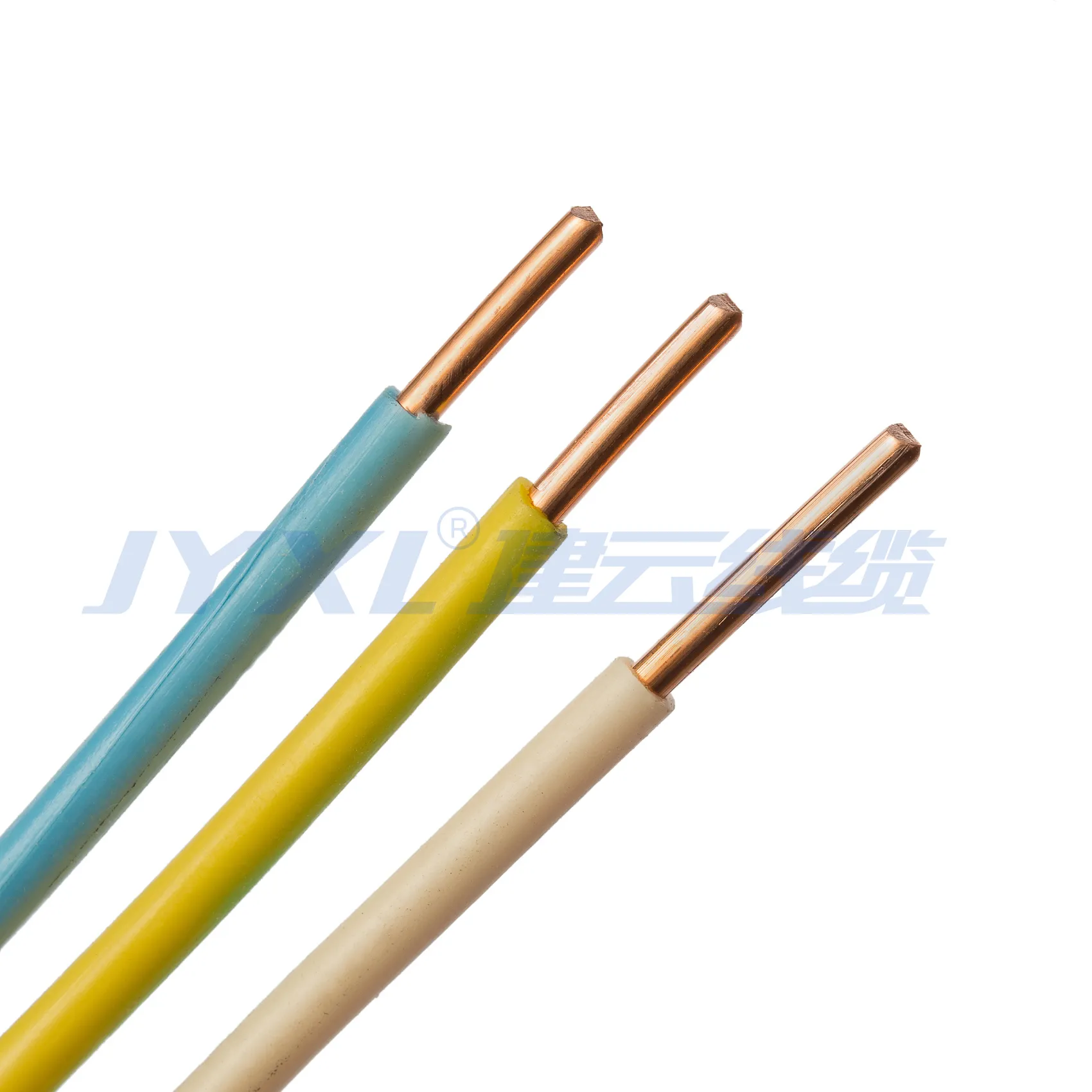
Jianyun H07V-U Solid Copper PVC Wire is a single core rigid electrical wire manu
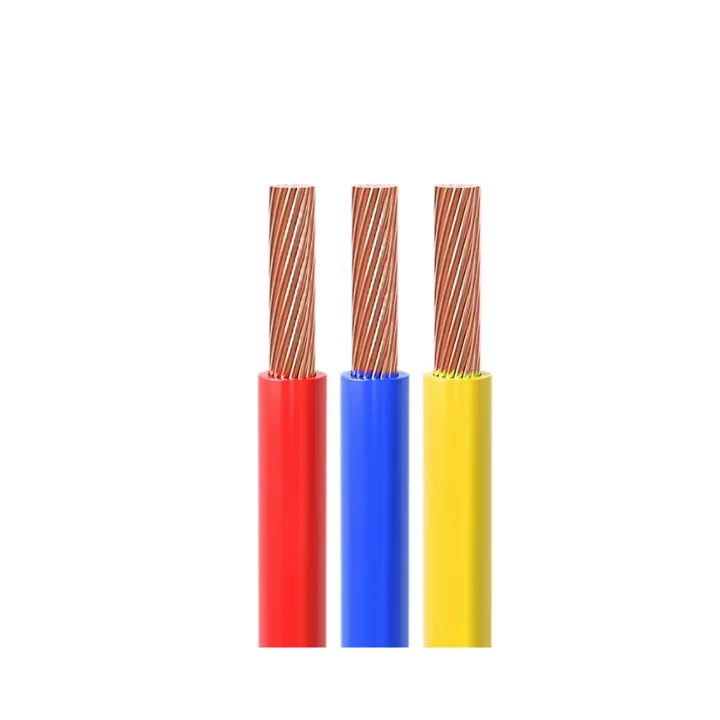
CE Certification 450/750v H07VVF Flexible Copper PVC Insulated Ac Cable 3*2.5 Mm