+86 13938808058 sales@jianyuncable.com
Blog
Blog

Keep up to date with our latest company news and relevant industry knowledge.

Home / Blog >Different Cable Types Explained: From Copper to Fiber

Different Cable Types Explained: From Copper to Fiber

Time: 2025-12-27 05:34:38 Source: Henan Province Jianyun Cable Co., Ltd.
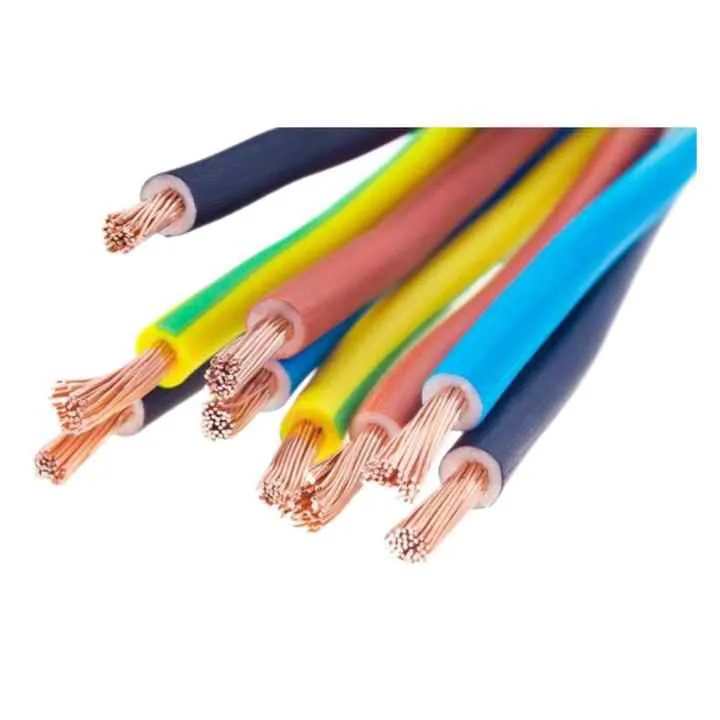
cable types

Cables are the hidden infrastructure powering modern life, from electricity in homes to high-speed internet in data centers. Understanding the different cable types – ranging from traditional copper to advanced fiber optic – helps in selecting the best solution for performance, cost, and future-proofing. This 2025 guide explains the most common cable types, their construction, advantages, limitations, and typical applications.

1. Introduction to Cable Types

Cable types are classified by conductor material (copper, aluminum, glass), signal type (electrical vs optical), insulation, shielding, and intended use (power, data, control). Each type balances bandwidth, distance, durability, and electromagnetic interference (EMI) resistance differently.
2. Copper-Based Cable Types

  • Twisted Pair (UTP/STP): Pairs of copper wires twisted to reduce interference. UTP (unshielded) for Ethernet (Cat5e/Cat6/Cat8); STP (shielded) for noisy environments.
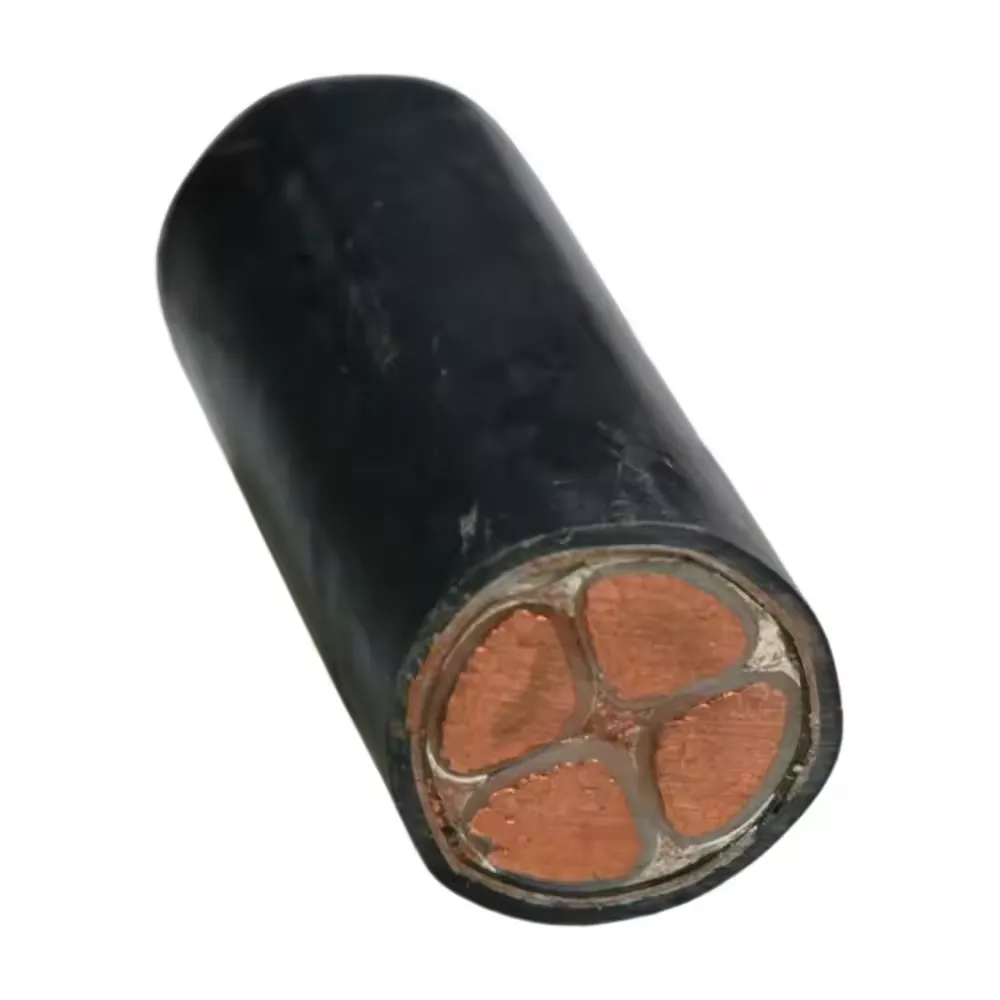
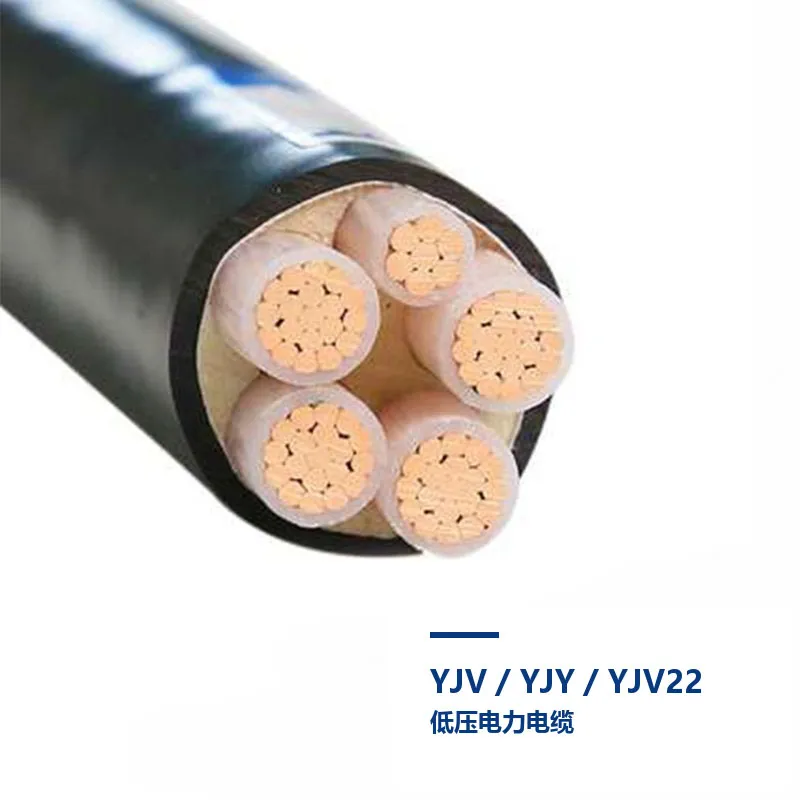
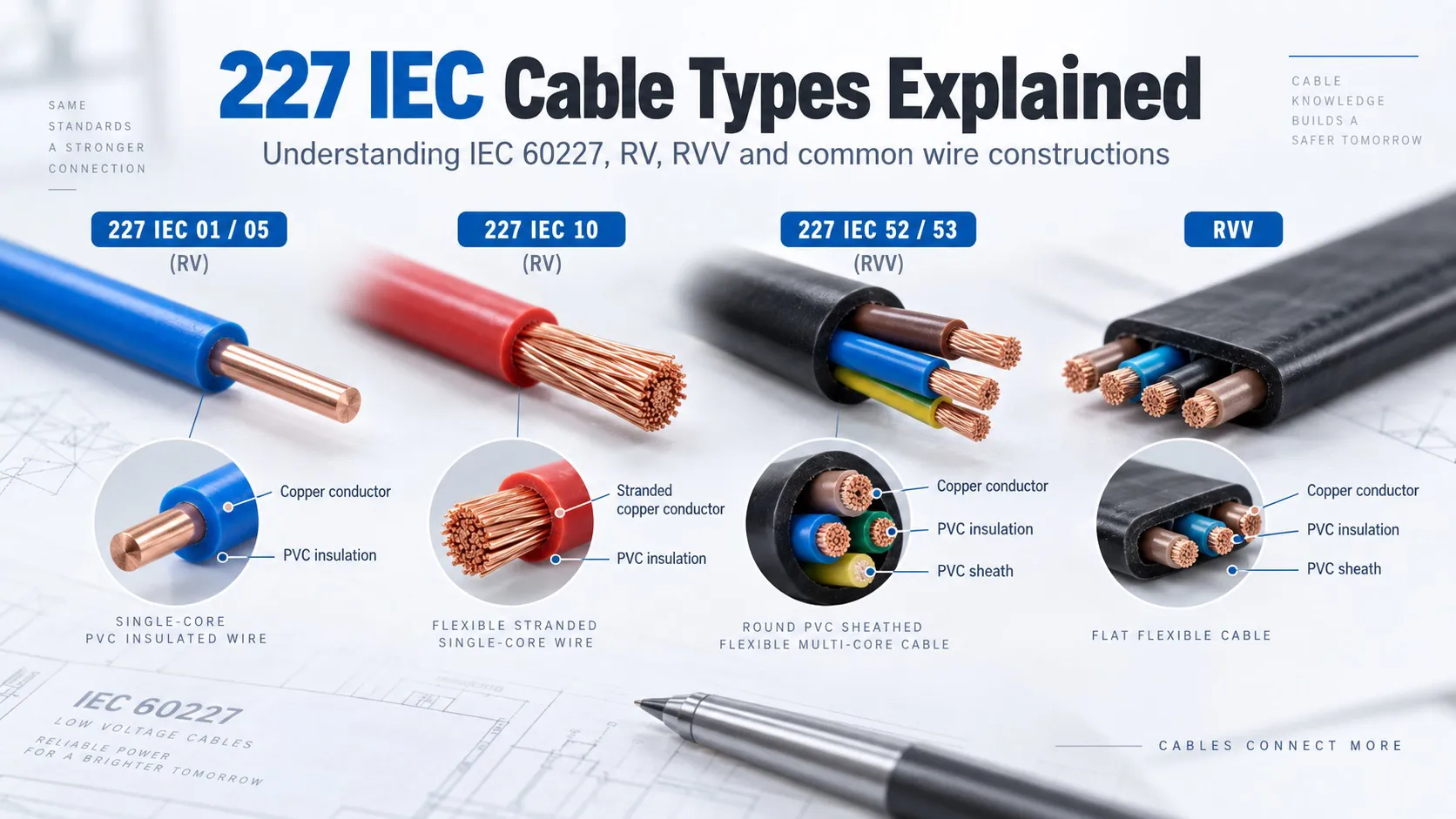
  • Power Cables (PVC/XLPE): Insulated copper conductors for electricity distribution – flexible for appliances or armored for underground.
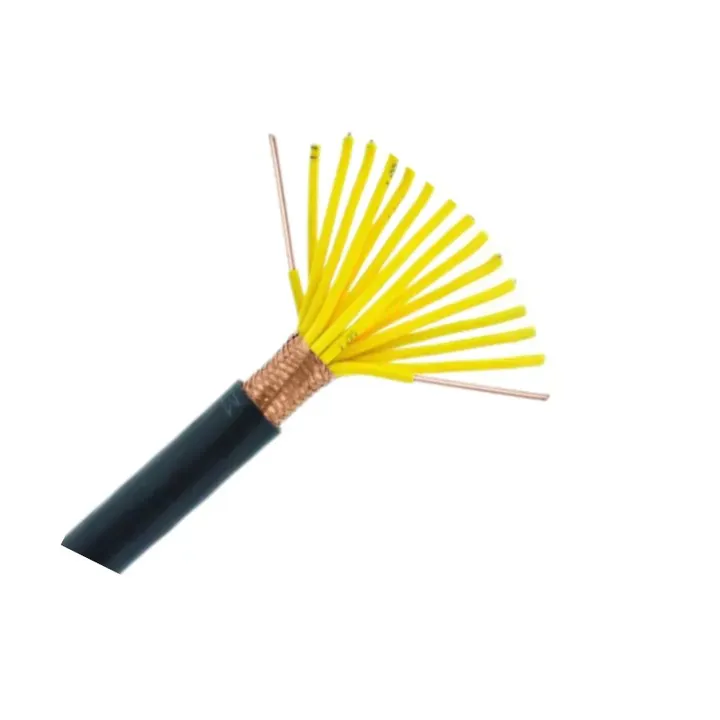
  • Control & Instrumentation Cables: Multi-core copper with shielding for precise signal transmission in automation and process control.
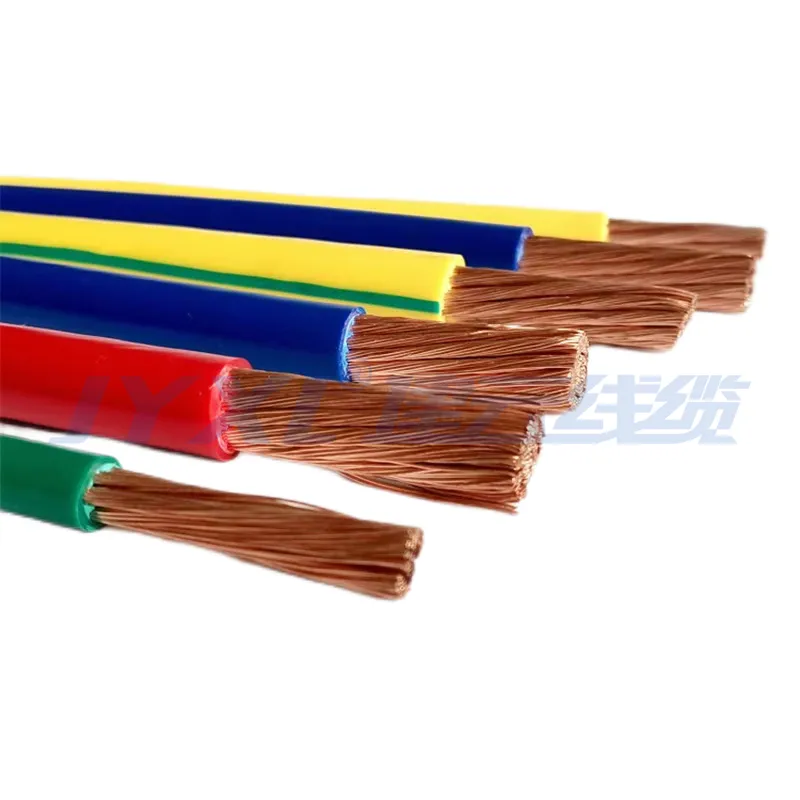
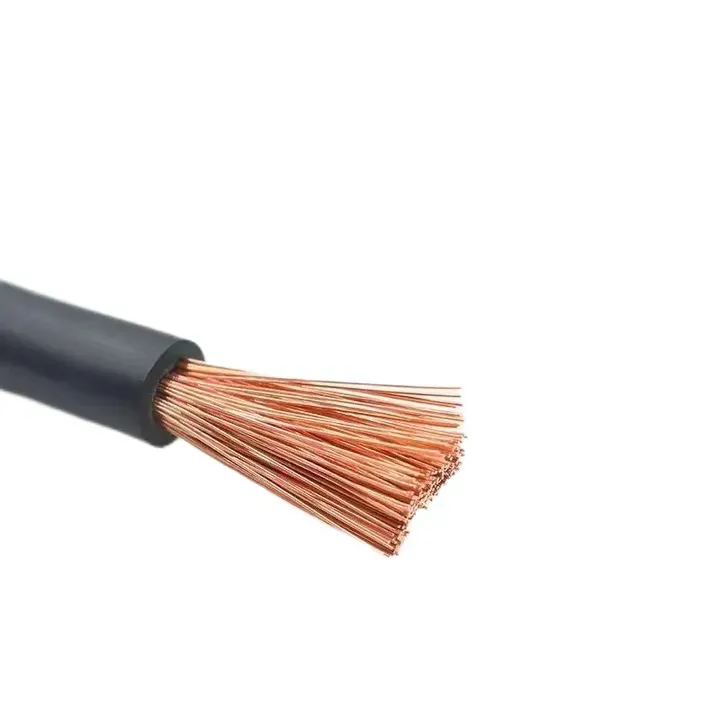
  • Flexible Cords: Stranded copper with rubber/PVC sheath for appliances and extension leads.

3. Fiber Optic Cable Types

  • Single-Mode Fiber (SMF): Thin core (9 μm) for long-distance, high-bandwidth (100+ km) telecom and backbone networks.
  • Multi-Mode Fiber (MMF): Larger core (50/62.5 μm) for shorter distances (up to 2 km) in data centers and LANs (OM3/OM4/OM5).
  • Loose Tube vs Tight Buffer: Loose tube for outdoor; tight buffer for indoor patch cords.

cable types

4. Coaxial Cable Types

  • RG-6 / RG-59: Central copper conductor with foam dielectric and braided shield – standard for cable TV, satellite, and broadband.
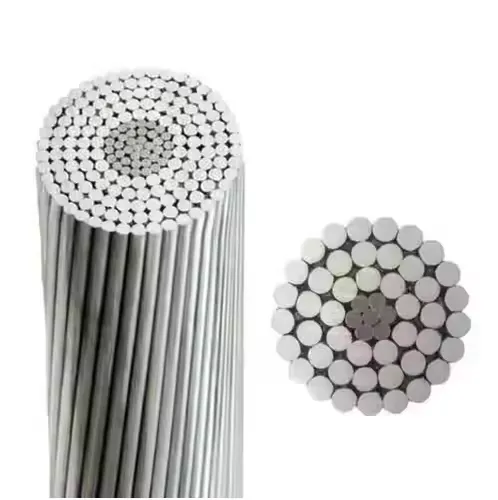
  • Hardline Coax: Thick aluminum sheath for trunk lines in CATV networks.
  • 50 Ohm vs 75 Ohm: 50Ω for radio/RF; 75Ω for video signals.

5. Power Cable Types

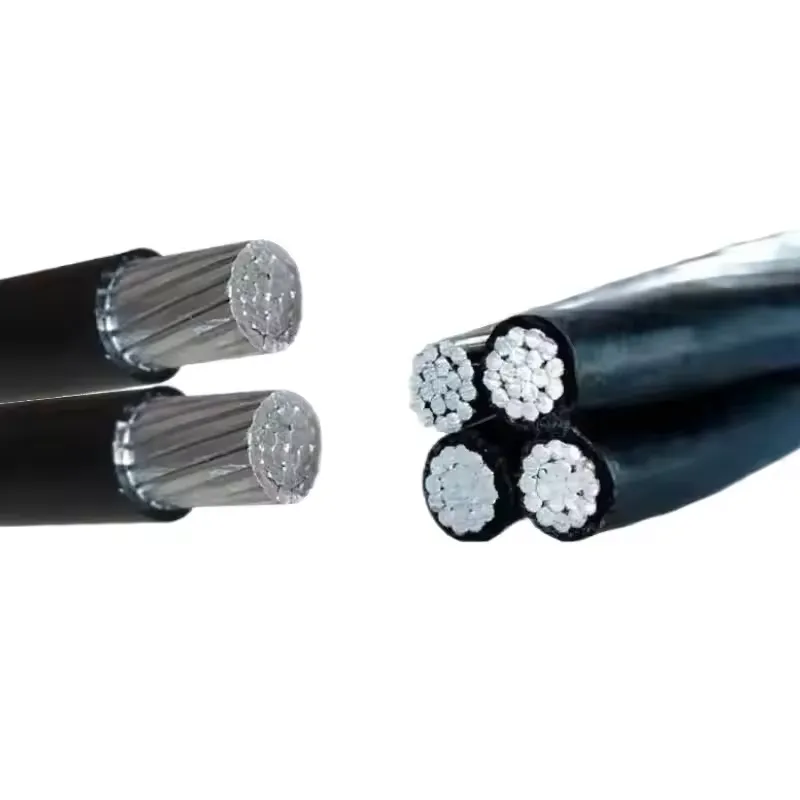
  • Low Voltage (LV) Power Cables: Up to 1 kV – PVC or XLPE insulated for building and industrial feeds.
  • Medium Voltage (MV) Cables: 1–35 kV XLPE with screening for urban distribution.
  • Armored Cables (SWA): Steel wire armor over power cores for mechanical protection.
  • Submarine Power Cables: Heavily armored HVDC for offshore wind and island connections.

6. Specialty and Emerging Cable Types

  • Hybrid Cables: Combine power and fiber (e.g., for 5G small cells or EV fast charging).
  • Fire-Resistant Cables: Mica-taped with LSZH sheath for emergency systems.
  • High-Temperature Cables: Silicone or PTFE insulated for furnaces and aerospace.
  • Photovoltaic (Solar) Cables: UV-resistant, double-insulated for panel interconnections.

7. Comparison Table of Major Cable Types

Cable Type Conductor/Medium Max Distance Bandwidth/Speed Primary Applications
Twisted Pair (Cat6) Copper 100 m 10 Gbps LAN, Ethernet
Coaxial (RG-6) Copper Hundreds of meters GHz range TV, broadband
Single-Mode Fiber Glass 100+ km 100+ Gbps Telecom backbone
Multi-Mode Fiber (OM5) Glass 550 m (40G) 400 Gbps Data centers
XLPE Power Cable Copper/Aluminum Varies Power only Electricity distribution
Armored Power Cable Copper/Aluminum Varies Power only Underground/industrial

cable types

8. How to Choose the Right Cable Type

  1. Identify the purpose: Power, data, or both?
  2. Consider distance and bandwidth requirements.
  3. Evaluate environment: Indoor/outdoor, EMI, mechanical stress.
  4. Check cost vs performance and future scalability.
  5. Ensure compliance with local standards and certifications.

9. Final Thoughts

The world of cable types offers solutions for every need – from reliable copper for everyday power to ultra-fast fiber for tomorrow’s networks. Understanding these different cable types empowers better decisions, ensuring efficient, safe, and future-ready installations.

Need high-quality cables of any type for your project? Contact Henan Province Jianyun Cable Co., Ltd. for expert solutions and global-standard products.
Related Products
Related News