Keep up to date with our latest company news and relevant industry knowledge.
Time: 2025-12-29 11:12:41 Source: Henan Province Jianyun Cable Co., Ltd.
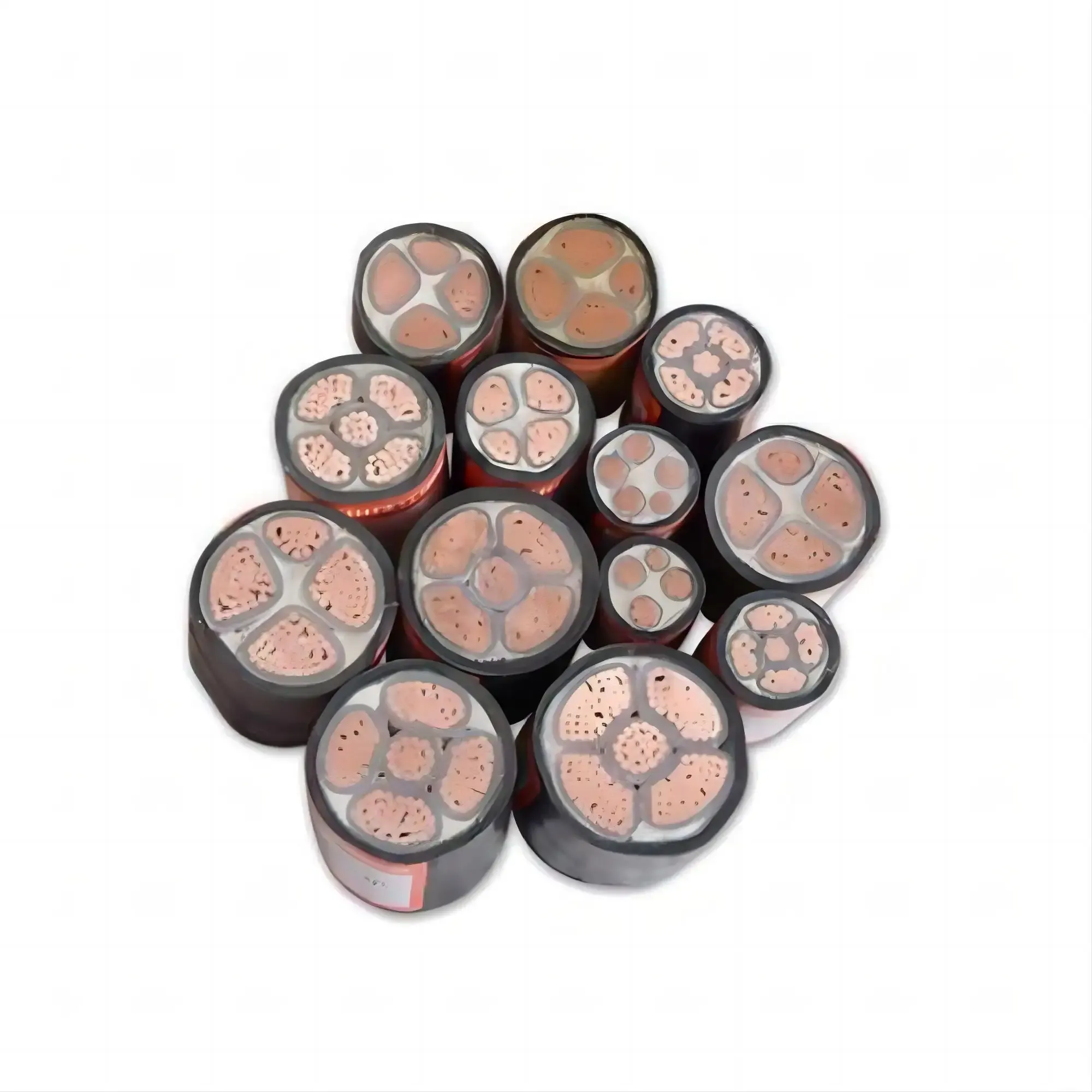
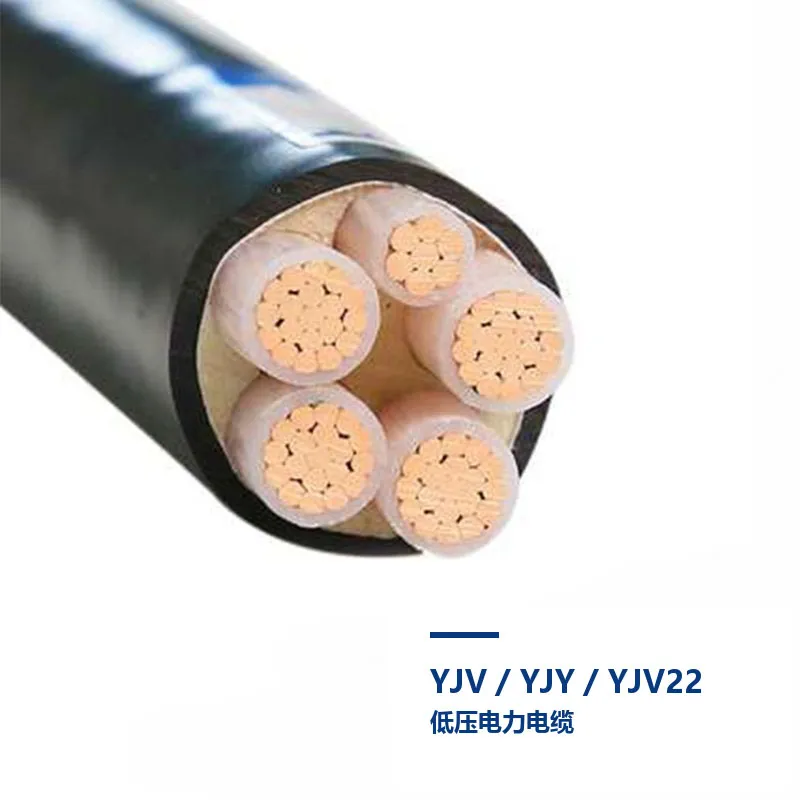
Extreme weather – heavy rain, freezing snow, intense UV sunlight, scorching heat, or hurricane-force winds – can quickly degrade standard cables, leading to failures, safety hazards, and costly repairs. Choosing the best outdoor cable designed for these conditions ensures reliable performance for garden lighting, security cameras, EV chargers, pools, or remote buildings. This 2025 guide reviews the top outdoor cable options proven to withstand the toughest environments.
Ordinary indoor cables lack UV resistance, waterproofing, and temperature tolerance, causing insulation cracking, corrosion, or water ingress. The best outdoor cables incorporate robust jackets, sealed constructions, and materials rated for -40°C to +90°C operation, maintaining flexibility and electrical integrity year-round.
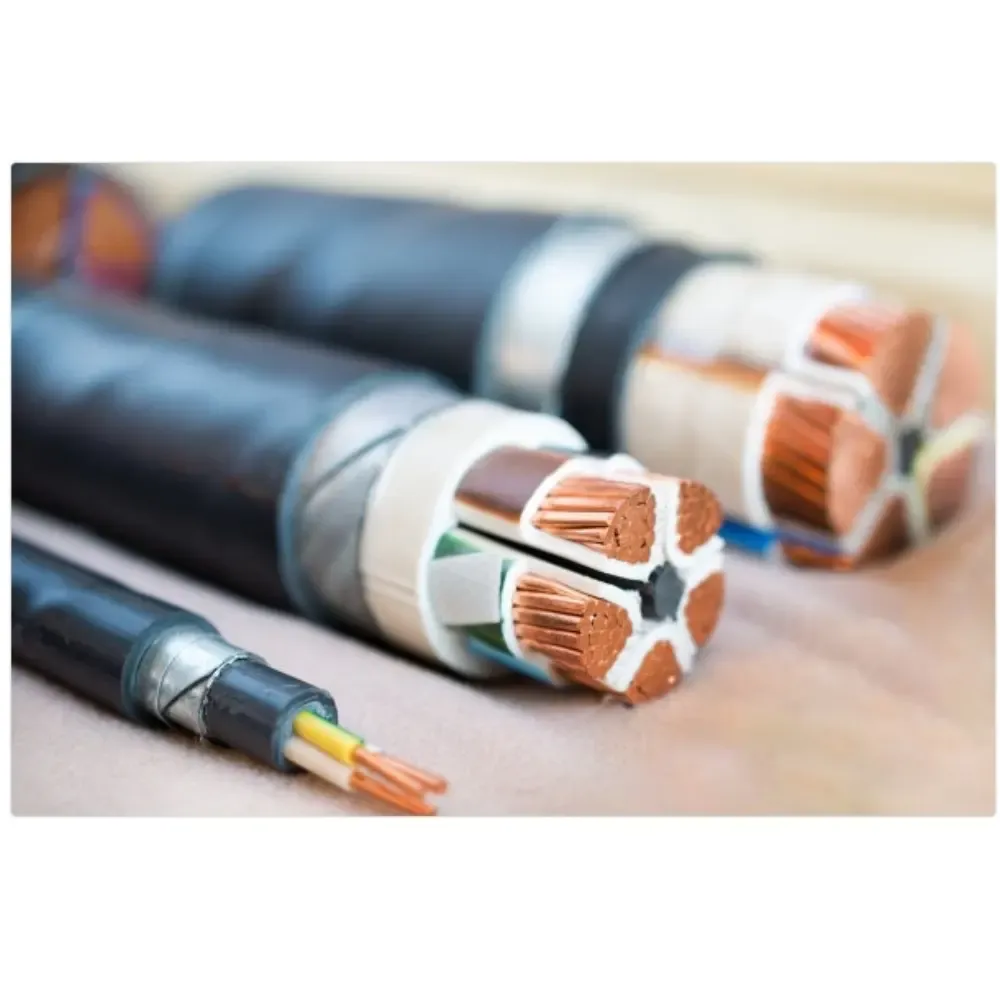
| Rank | Cable Option | Temperature Range | UV/Water Resistance | Best For | Relative Cost |
|---|---|---|---|---|---|
| 1 | XLPE SWA Armored | -40°C to +90°C | Excellent / Full burial | Harsh soil, rodents, impact | Higher |
| 2 | UF-B Direct Burial | -30°C to +75°C | Good / Direct burial | Residential underground | Moderate |
| 3 | THWN-2 in Conduit | -40°C to +90°C | Excellent (with conduit) | Future upgrades, exposed | Moderate |
| 4 | USE-2 / RHW-2 | -40°C to +90°C | Excellent / Burial | Solar, large runs | Low–Moderate |
| 5 | MC-HL Armored | -40°C to +90°C | Excellent / Wet locations | Industrial, coastal | Higher |
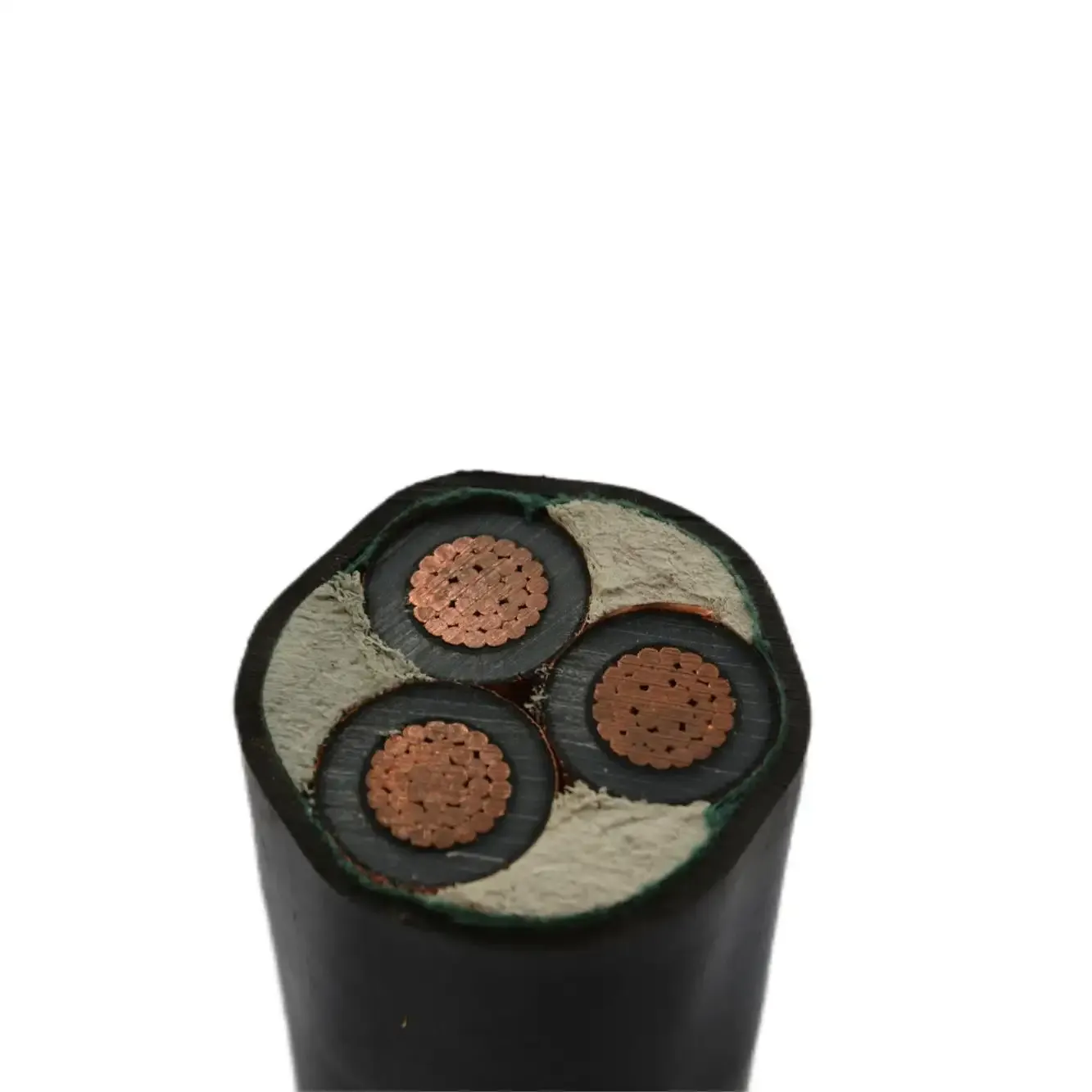
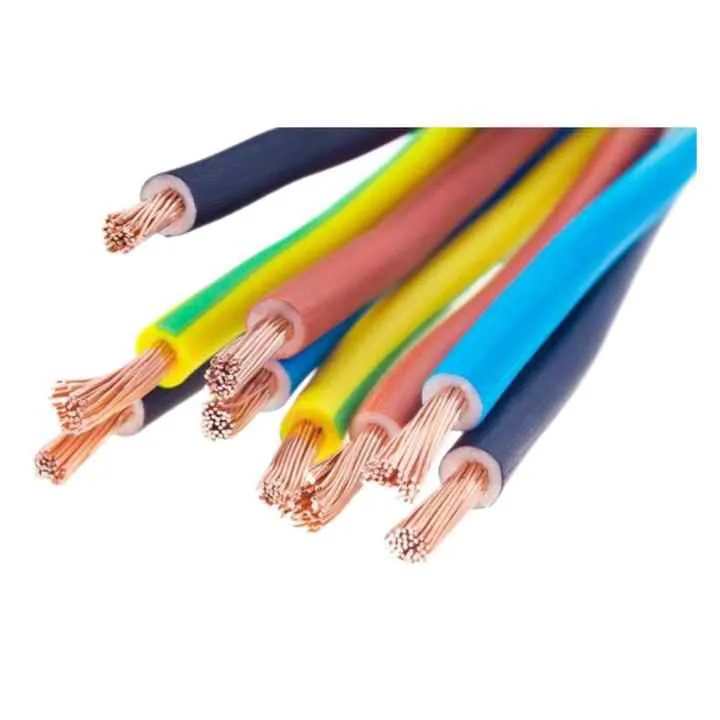
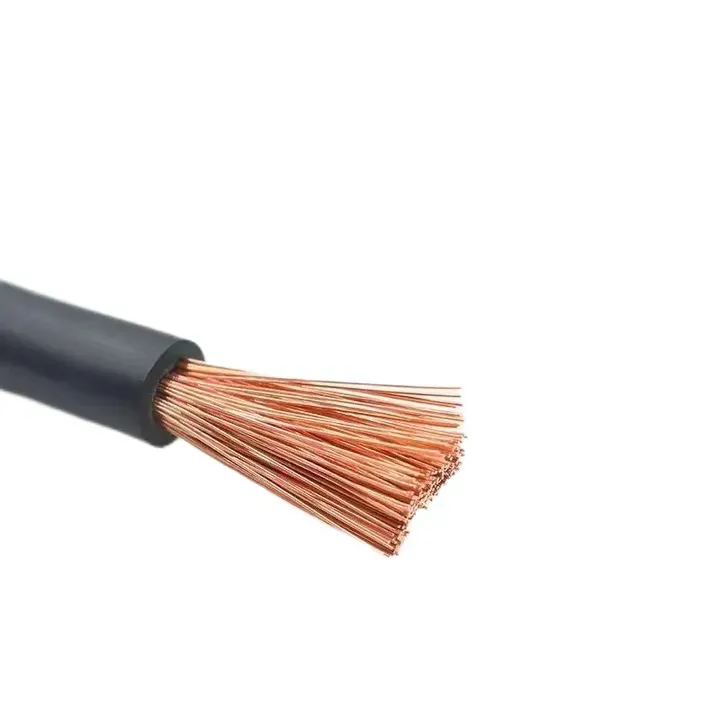
Flexible copper electrical wire with stranded copper conductor, PVC insulation a
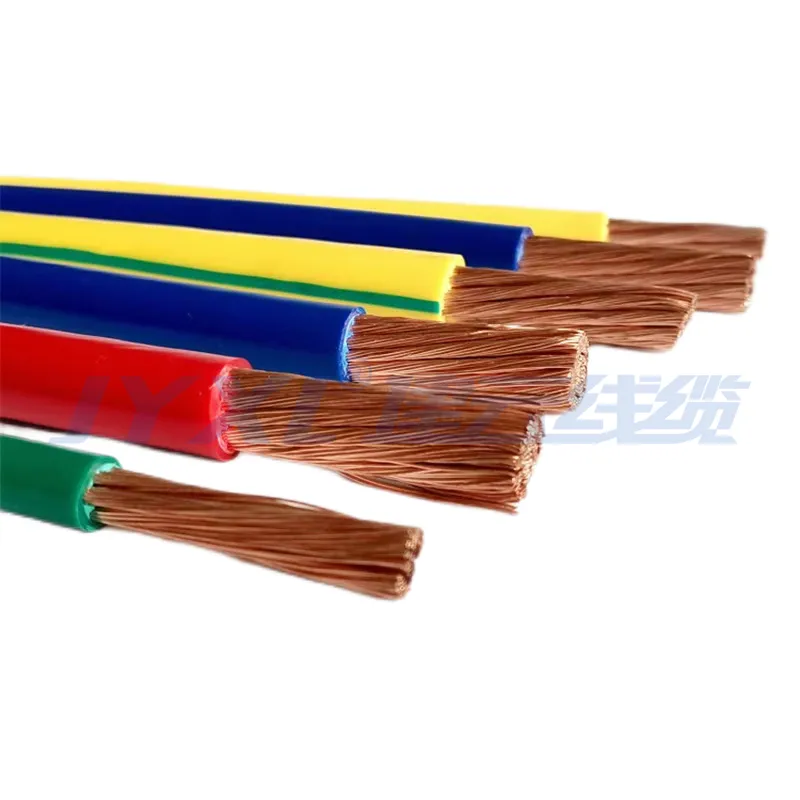
H07V-K flexible electrical wire with 1.5mm² and 2.5mm² stranded copper conductor
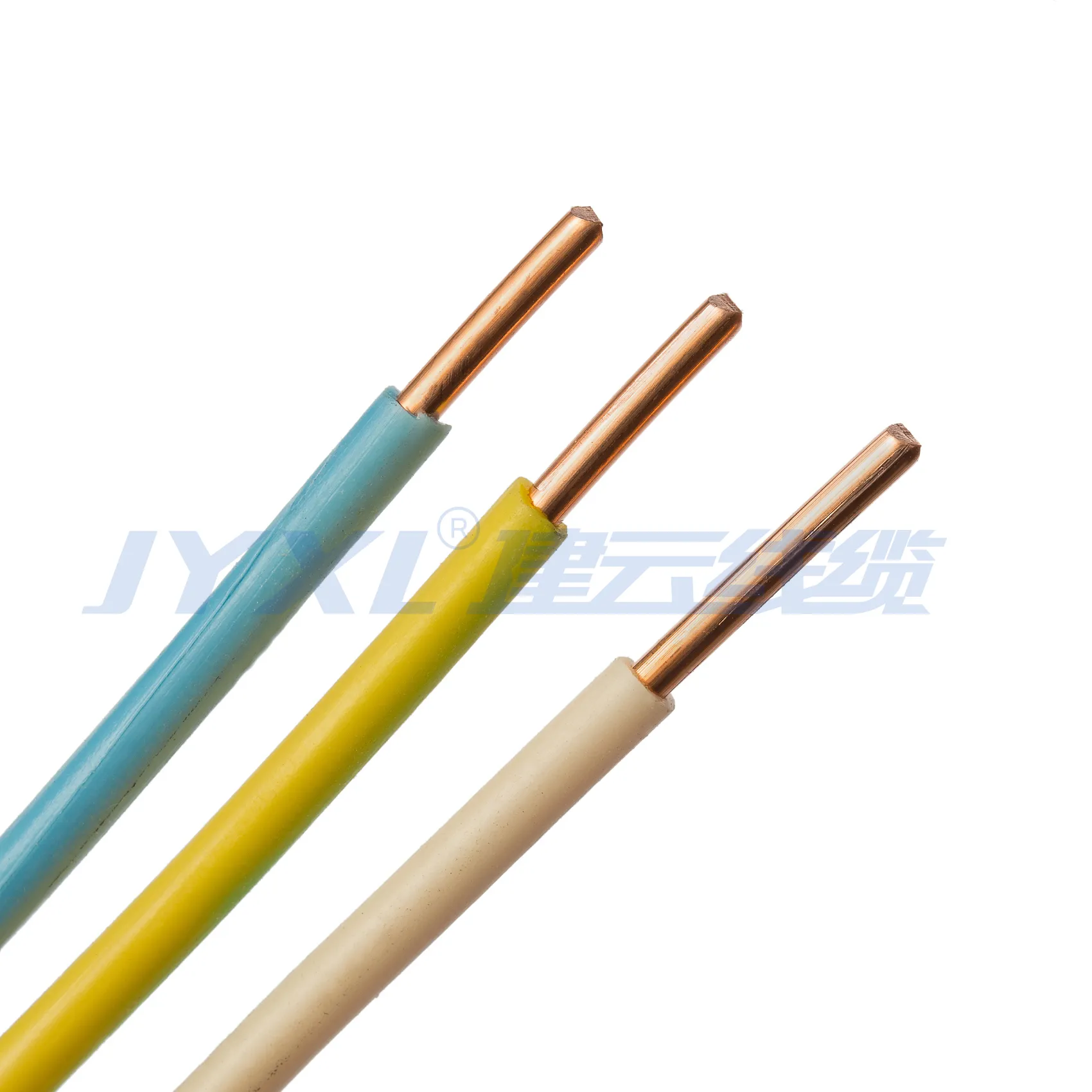
Jianyun H07V-U Solid Copper PVC Wire is a single core rigid electrical wire manu
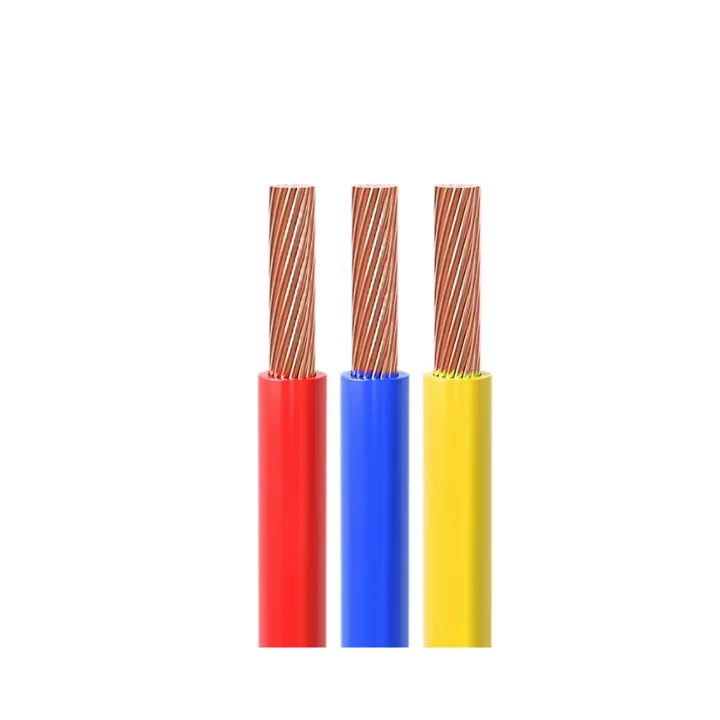
CE Certification 450/750v H07VVF Flexible Copper PVC Insulated Ac Cable 3*2.5 Mm