Keep up to date with our latest company news and relevant industry knowledge.
Time: 2025-12-03 06:37:32 Source: Henan Province Jianyun Cable Co., Ltd.
South Africa's diverse landscapes – from urban townships to rural farmlands – demand versatile electrical systems that prioritize safety amid varying soil conditions and supply reliability. The SANS 10142-1 standard, the Wiring of Premises Code for low-voltage installations, addresses this with flexible earthing options. Edition 3.2 (2024, with 2025 amendments for renewables), it aligns with IEC 60364 while tailoring to local needs. This guide demystifies the TT vs TN debate, covering essentials for electricians, builders, and exporters in South Africa's $10B+ electrical market.
SANS 10142-1 governs low-voltage installations (up to 1000V AC/1500V DC) in residential, commercial, and industrial settings, focusing on protection against shocks, fires, and faults. Published by SABS, Edition 3 (2020) with Amendment 2 (2024), it mandates compliance via the Occupational Health and Safety Act. Key updates: Enhanced PV integration, medical locations, and earthing verifications. Legally, a Certificate of Compliance (CoC) is required for new work or transfers, ensuring installations protect people, animals, and property.
SANS 10142-1 permits multiple earthing systems per IEC 60364, but TN-C-S (PMB – Protective Multiple earthing with bonded neutral) dominates urban areas for its efficiency, while TT suits rural or high-impedance soils. No single "official" system – selection depends on supply type, soil resistivity, and fault protection needs. TN-C-S uses a combined PEN conductor splitting to separate PE and N at the consumer unit, offering low impedance for quick fault clearing. TT requires independent electrodes (e.g., rods) and RCDs (30 mA) for all circuits, ideal where utility earth is unreliable. In South Africa's "Rainbow Nation," TN-C-S powers ~80% of city grids, but TT prevails in remote farms to avoid neutral faults. Choice: Calculate EFLI (Earth Fault Loop Impedance) – max 0.35 ohms for TN, <100 ohms resistance for TT electrodes.
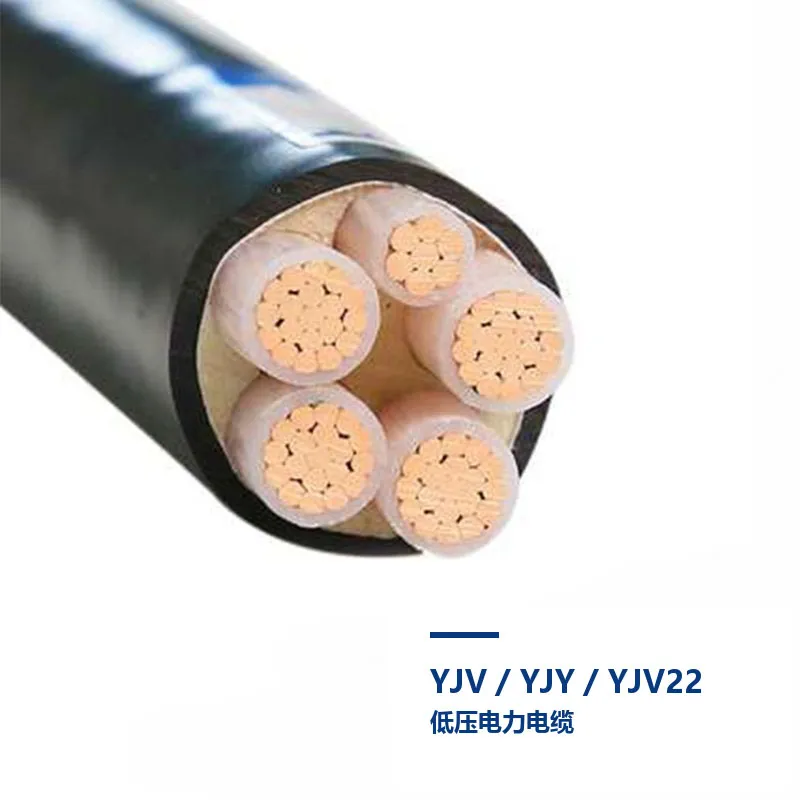
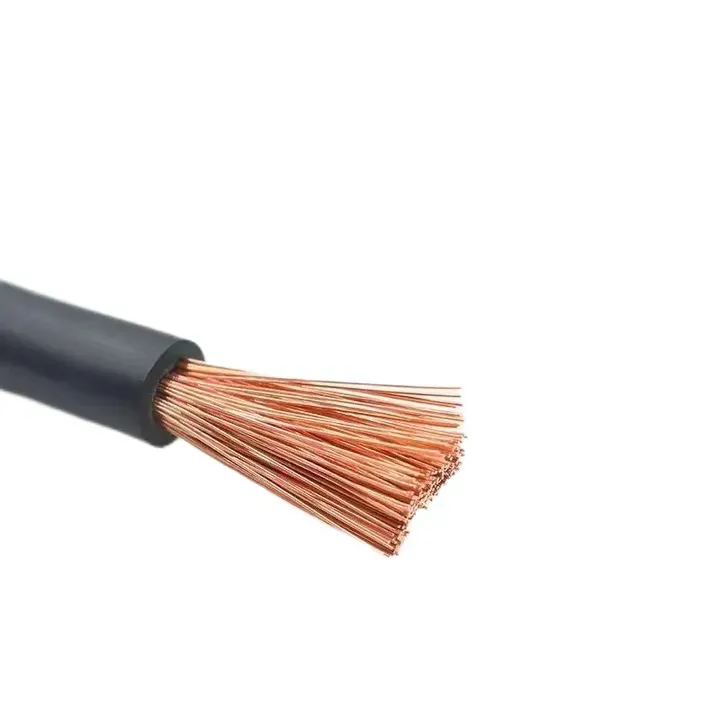
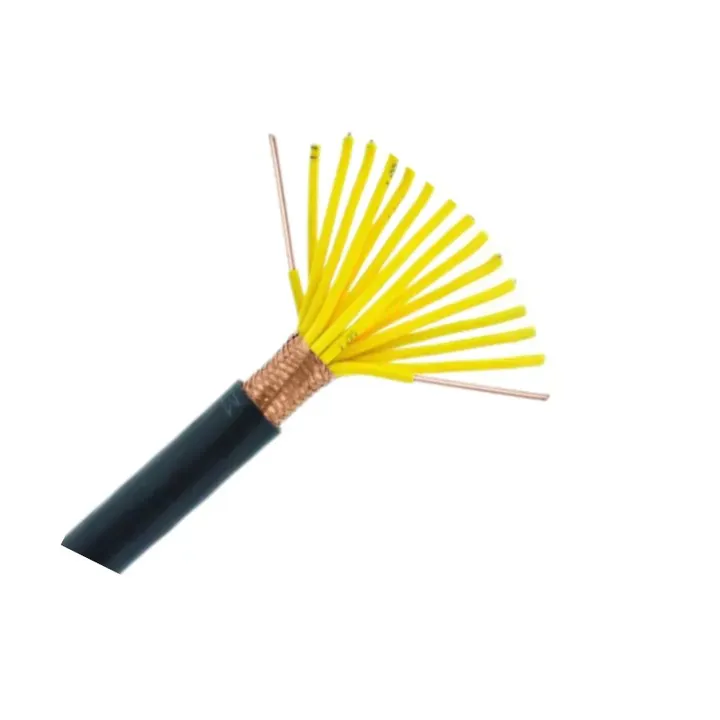
Section 5 mandates sizing via ampacity tables, voltage drop (max 3% lighting/5% power), and derating for ambient (40°C), grouping, and method. Minimum 1.5 mm² for lighting; copper preferred, aluminum for feeders.
| Circuit Type | Cable Size | Breaker Rating | Max Load / Points | Typical Use |
|---|---|---|---|---|
| Lighting | 1.5 mm² | 10 A | Max 10 points | Indoor lights |
| Socket-Outlets | 2.5 mm² | 16 A | Max 12 outlets | General plugs |
| Kitchen/High-Load | 4.0–6.0 mm² | 32 A | Dedicated circuit | Ovens, appliances |
| EV Charging | 6.0 mm²+ | 32 A | Dedicated | Home chargers |
| Earth (PE) | Min 2.5 mm² | N/A | Full installation | Earthing/bonding |
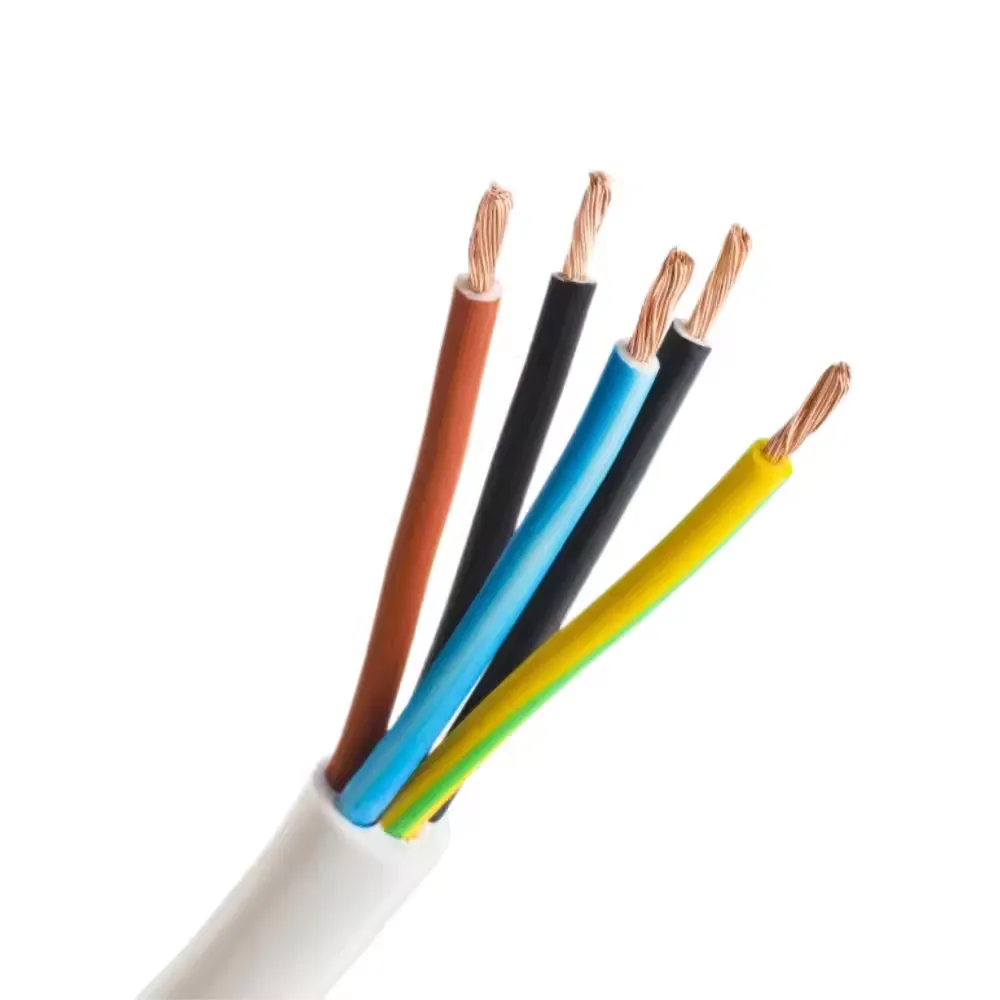
Per Section 5-53 and IEC 60446: Brown (phase), blue (neutral), green/yellow (PE). Multi-phase: Brown (L1), black (L2), grey (L3). Full-length coloring; legacy red/black requires labels. Ensures clear identification in diverse installs.
Section 7 mandates radial circuits (no rings), conduits for walls (<50 mm deep protected), and 30 mA RCDs for sockets/bathrooms. TN-C-S bonding at main intake; TT electrodes verified (<100 ohms). 2025: PV-specific rules (SANS 10142-1-1). Bathrooms zoned: IPX4+ in wet areas.
Section 4 integrates SANS 10142-24 for fire alarms; cables meet CPR Euroclasses (Eca min; Cca for public). Flame-retardant PVC/XLPE; low-smoke in escape routes. Bundle tests per IEC 60332; Edition 3.2 enhances arc fault detection.
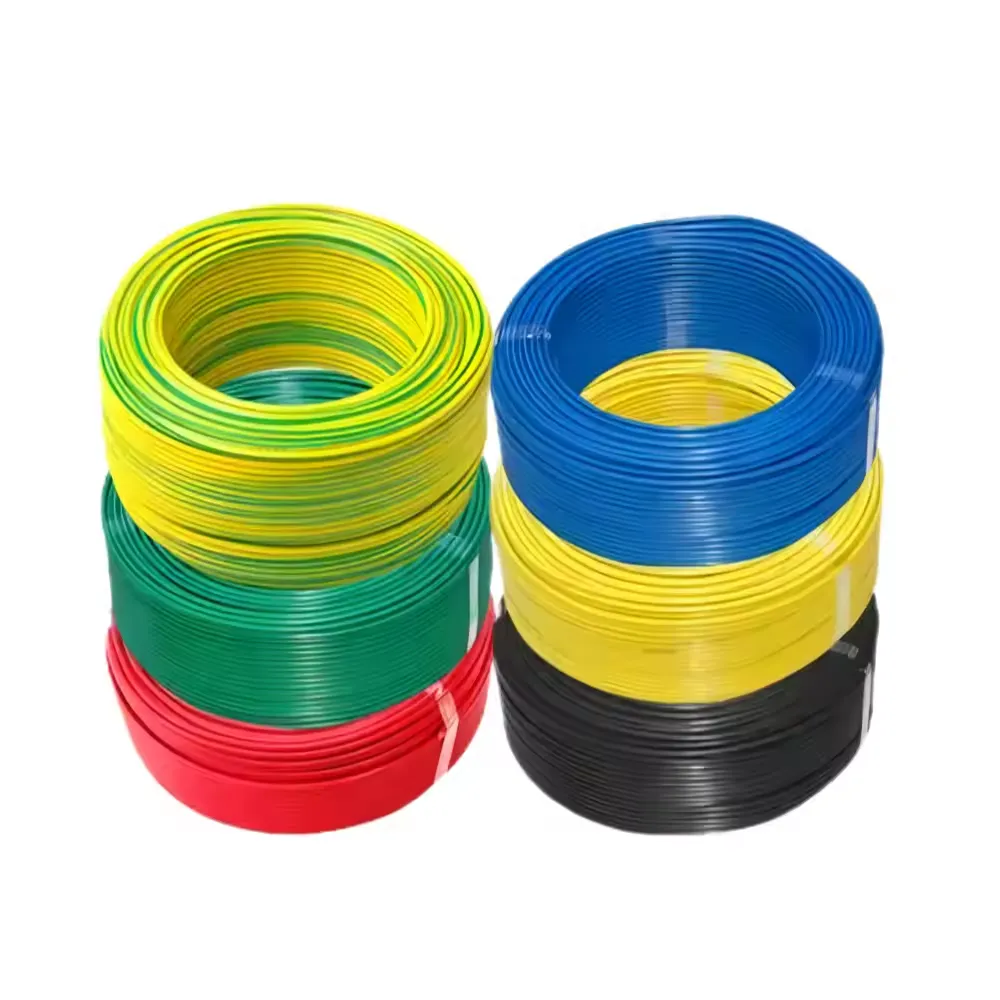
SANS 10142-1's flexibility – TN-C-S for urban reliability, TT for rural resilience – mirrors South Africa's rainbow diversity. Whether bridging faults in Johannesburg or grounding farms in the Karoo, these systems ensure safe power. For the nation's electrification drive, compliance is the spark of progress.
Need SANS 10142-1-compliant cables? Contact Henan Province Jianyun Cable Co., Ltd. for tailored solutions and quotes.
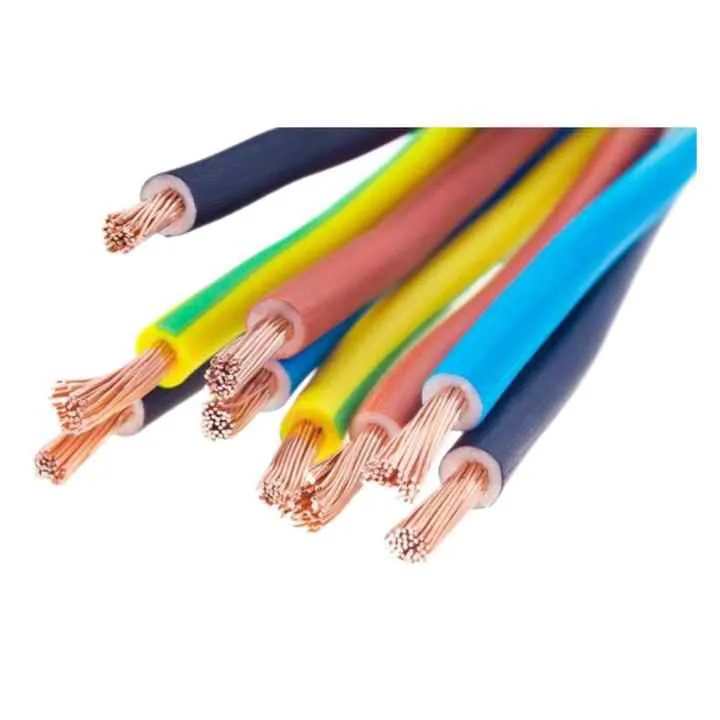
Flexible copper electrical wire with stranded copper conductor, PVC insulation a
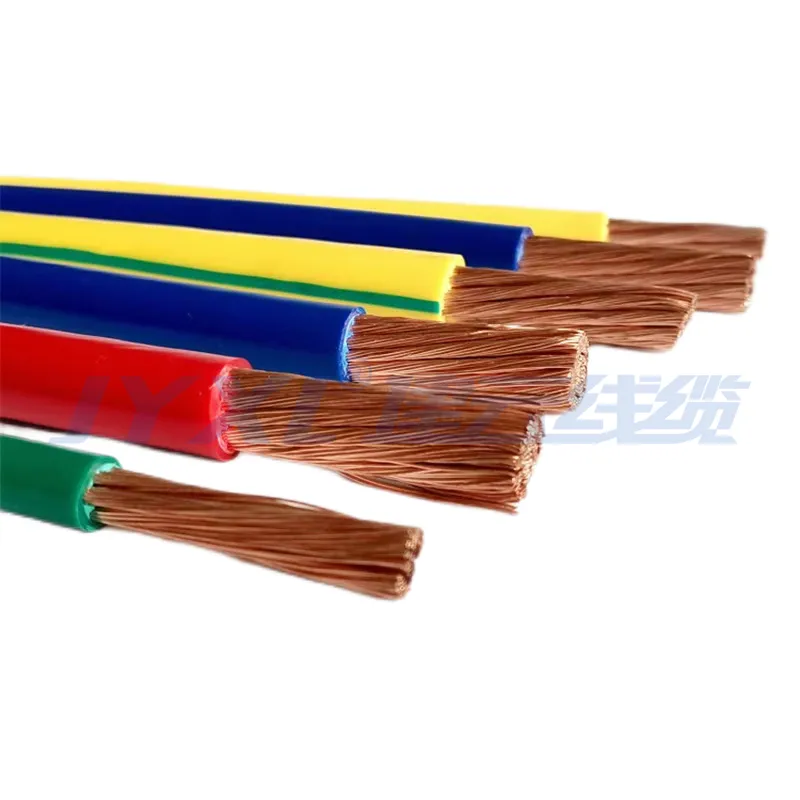
H07V-K flexible electrical wire with 1.5mm² and 2.5mm² stranded copper conductor
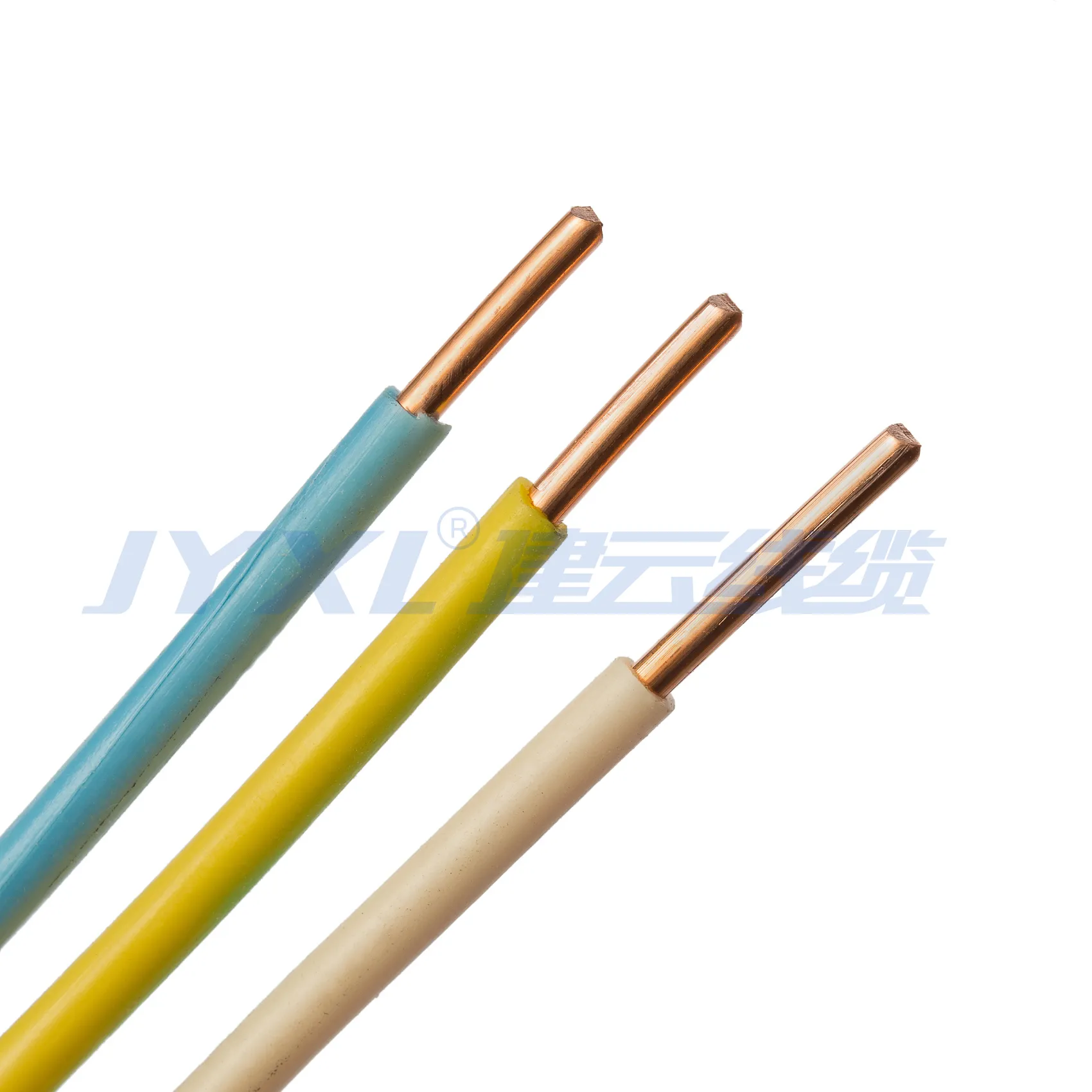
Jianyun H07V-U Solid Copper PVC Wire is a single core rigid electrical wire manu
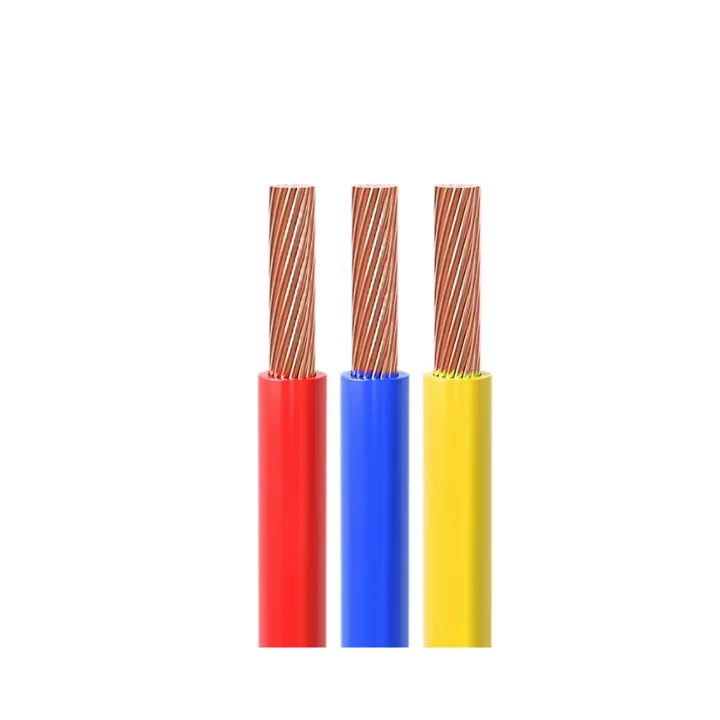
CE Certification 450/750v H07VVF Flexible Copper PVC Insulated Ac Cable 3*2.5 Mm