Keep up to date with our latest company news and relevant industry knowledge.
Time: 2025-12-15 03:49:09 Source: Henan Province Jianyun Cable Co., Ltd.
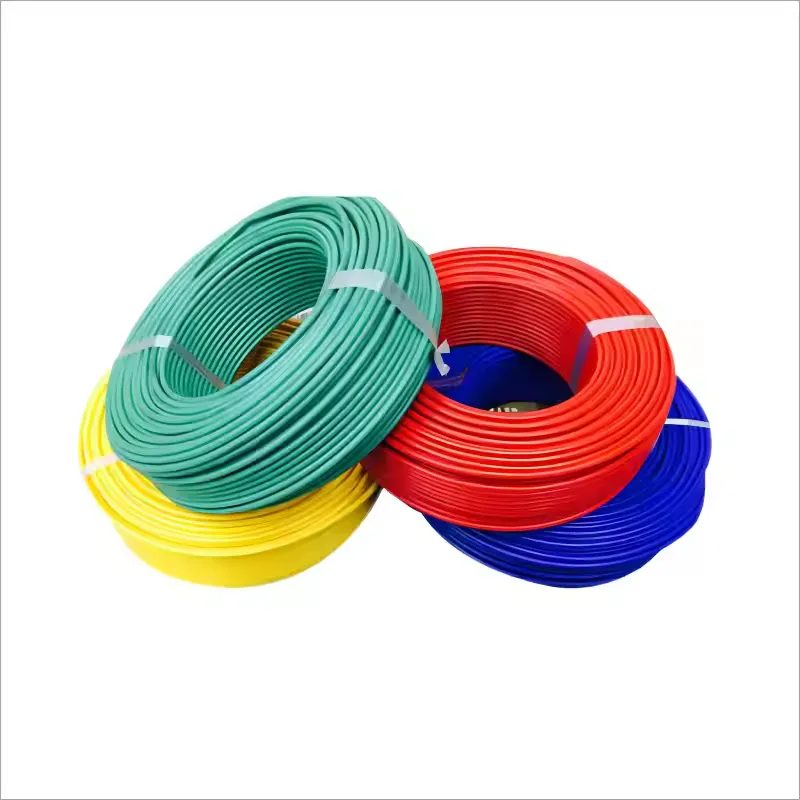
Water resistant cables are engineered to perform reliably in damp, wet, or submerged environments, preventing moisture ingress that could cause corrosion, shorts, or insulation failure. From outdoor installations to underground networks and marine applications, these cables incorporate specialized sheaths, fillings, and barriers. Classified primarily by IEC 60529 IP ratings, they range from splash-proof to fully submersible. In 2025, with expanding offshore renewables, EV charging stations, and flood-prone infrastructure, selecting the right water resistant cable is crucial for longevity and safety. This guide explores types, classifications, and best practices for informed choices.
Water resistance in cables refers to their ability to block liquid penetration under specified conditions, maintaining electrical integrity. Unlike standard indoor cables, these feature enhanced jackets (e.g., PE or PVC with additives) and often longitudinal water-blocking elements. They are essential where humidity, rain, irrigation, or immersion poses risks, ensuring uninterrupted power or data transmission.
Moisture is a leading cause of cable degradation: It accelerates conductor oxidation, reduces insulation resistance, and promotes electrolytic corrosion. In flooded areas or coastal zones, untreated cables fail prematurely, leading to outages, fires, or costly replacements. Water resistant designs extend service life up to 40+ years, comply with safety codes, and support sustainable infrastructure amid climate challenges.
The primary classification uses Ingress Protection (IP) codes from IEC 60529, where the second digit indicates water resistance (0-9). Higher numbers denote greater protection against jets, immersion, or high-pressure water.
| IP Rating | Protection Level | Test Conditions | Typical Cable Suitability |
|---|---|---|---|
| IPX4 | Splash-proof | Water sprayed from any direction (10 min) | Outdoor exposed to rain |
| IPX5/IPX6 | Jet-proof | Powerful water jets (3 min) | Industrial washdown areas |
| IPX7 | Temporary immersion | 1 m depth for 30 min | Flood-prone underground ducts |
| IPX8 | Continuous immersion | Manufacturer-specified depth/duration (e.g., 3 m indefinite) | Submersible pumps, marine |
| IPX9 | High-pressure/hot water | 80°C high-pressure jets | Food processing, high-temp cleaning |

Water resistant cables vary by design and protection method:
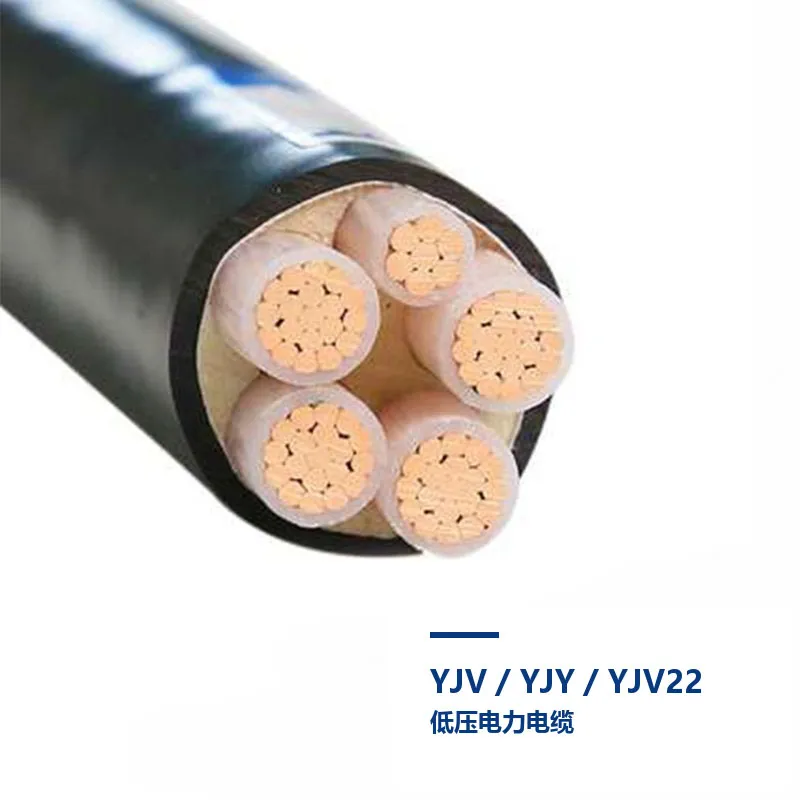
Key elements include polyethylene (PE) or cross-linked PE outer sheaths, swelling tapes/powders, aluminum/polymer laminates for radial blocking, and jelly-filled cores. These prevent capillary action and hydrostatic pressure ingress, often combined with UV/flame retardancy for versatile use.
Choose based on exposure: IPX4-6 for outdoor lighting/control; IPX7-8 for underground feeders, fountains, or offshore wind. Consider voltage, conductor size, and additional needs like armor for rodent protection. In 2025, water-blocked XLPE cables dominate renewables and data centers in flood zones.

IEC 60529 defines IP testing; IEC 60227/60502 cover construction. Additional: UL 83/44 for wet locations, BS 6724 for blocked cables. Tests involve immersion under voltage—no breakdown—and longitudinal water penetration checks.
Water resistant cables, classified by robust IP ratings and specialized types, safeguard installations against moisture's silent threats. As global infrastructure faces wetter challenges, investing in proper classification ensures reliability, reduces maintenance, and supports resilient networks. Select wisely—water waits for no cable.
For high-quality water resistant cables meeting IEC standards, contact Henan Province Jianyun Cable Co., Ltd. for customized solutions and expert advice.
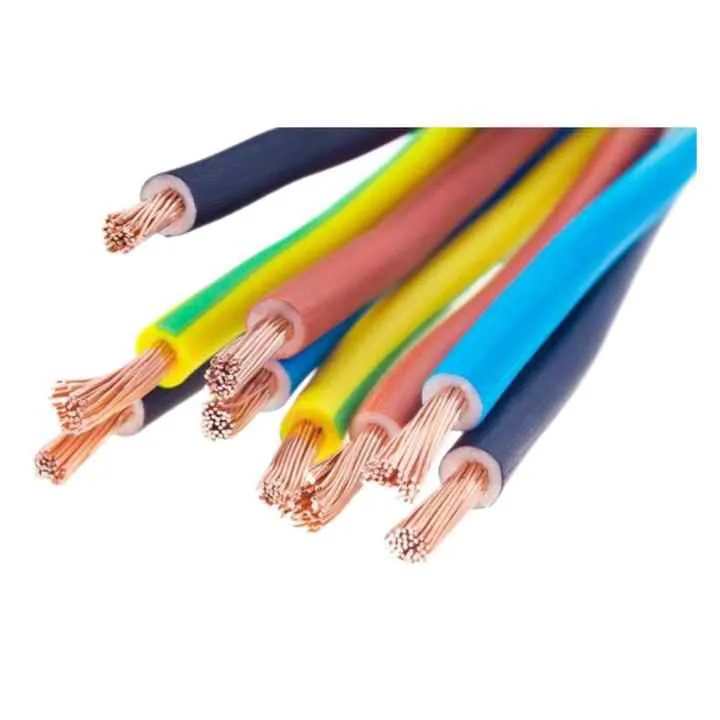
Flexible copper electrical wire with stranded copper conductor, PVC insulation a
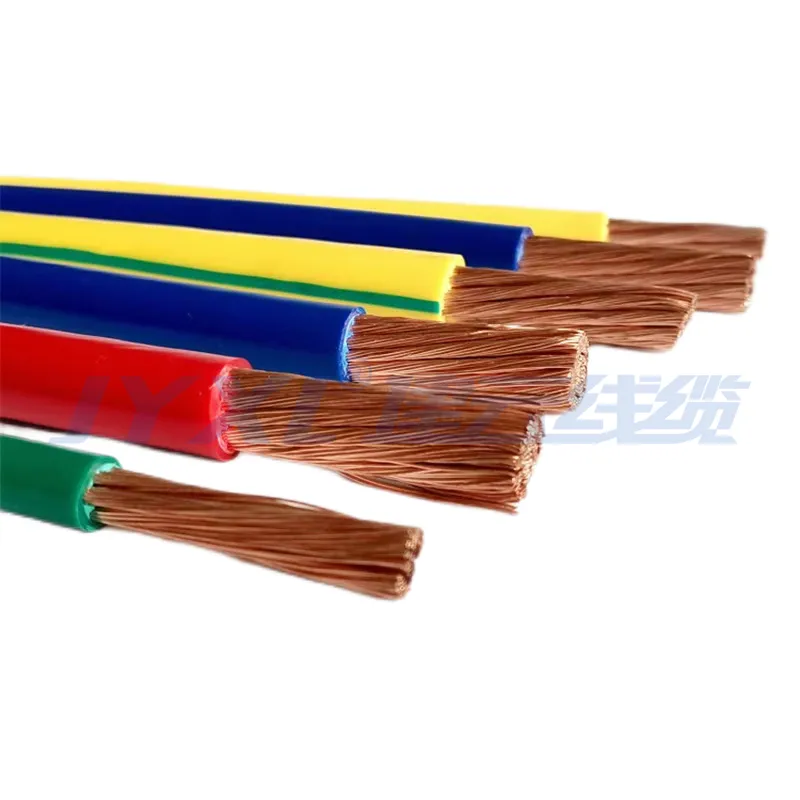
H07V-K flexible electrical wire with 1.5mm² and 2.5mm² stranded copper conductor
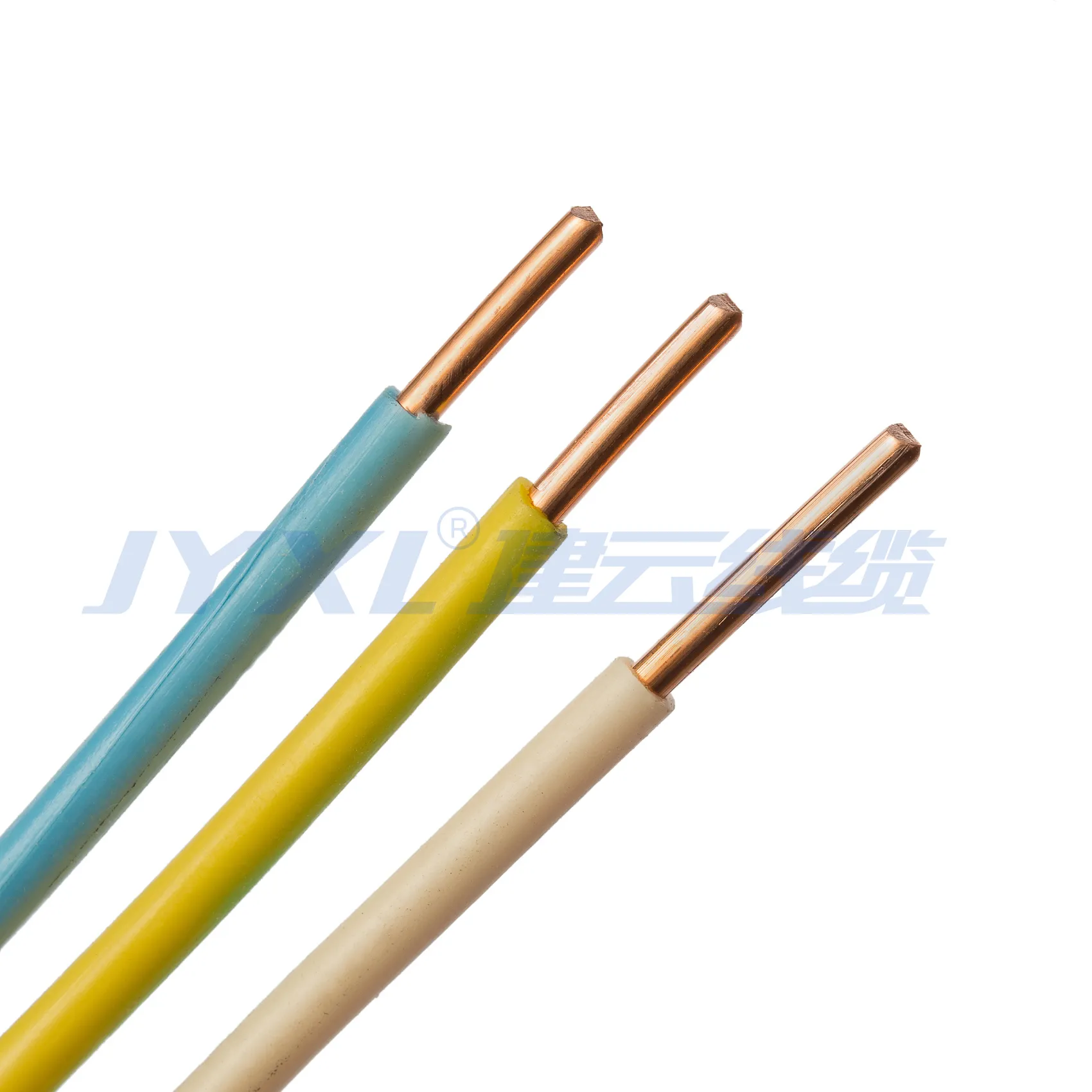
Jianyun H07V-U Solid Copper PVC Wire is a single core rigid electrical wire manu
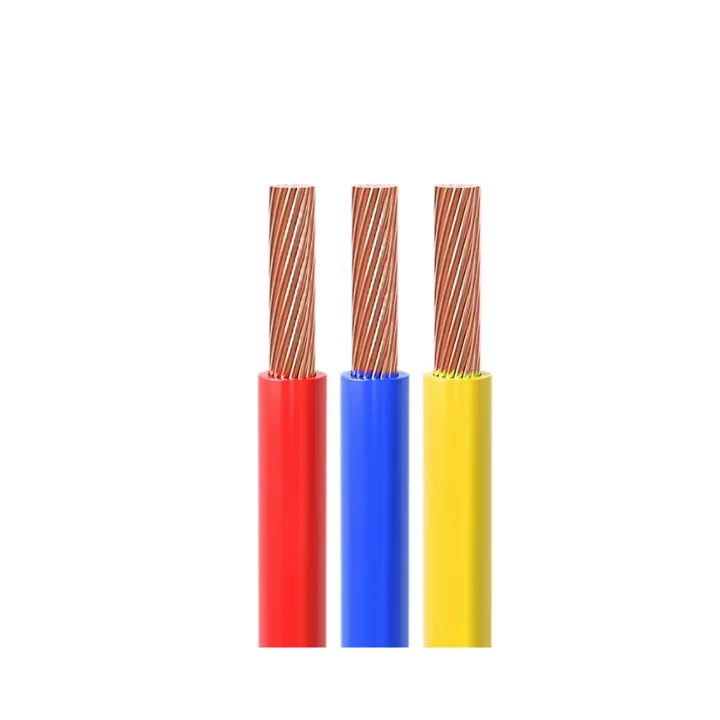
CE Certification 450/750v H07VVF Flexible Copper PVC Insulated Ac Cable 3*2.5 Mm