Keep up to date with our latest company news and relevant industry knowledge.
Time: 2026-05-30 11:12:41 Source: Henan Province Jianyun Cable Co., Ltd.
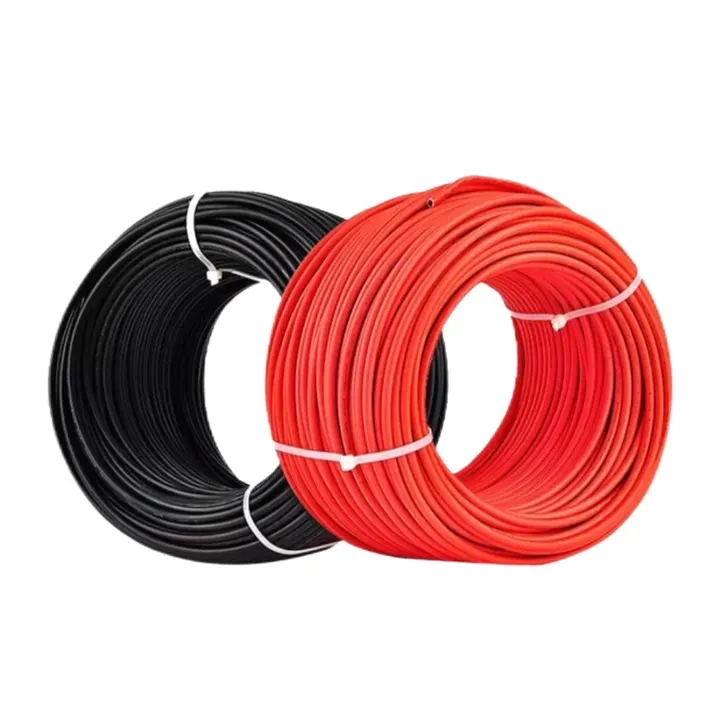
Author: Jianyun Cable
Solar cable is one of the most important components in photovoltaic (PV) systems. It serves as the connection between solar panels, combiner boxes, inverters, battery storage systems, and other electrical equipment. Unlike ordinary electrical wire, solar cable is specifically designed to withstand prolonged exposure to sunlight, moisture, temperature fluctuations, and outdoor environments.
As solar energy adoption continues to expand worldwide, selecting the right solar cable becomes increasingly important. High-quality solar cable helps reduce power loss, improve safety, and ensure reliable operation throughout the life of the solar installation.
Jianyun Cable manufactures professional Solar Cable solutions designed for residential, commercial, and utility-scale photovoltaic projects. This guide explains the structure, advantages, applications, and selection criteria for modern solar cable systems.
Solar cable, also known as photovoltaic cable or PV wire, is a specialized electrical cable designed for solar power systems. These cables connect photovoltaic modules and transfer direct current (DC) electricity generated by solar panels to other system components.
Unlike standard electrical cables, solar cables are manufactured with materials specifically selected for UV resistance, weather protection, thermal stability, and long service life. They are engineered to operate outdoors for more than 25 years under challenging environmental conditions.
Most modern solar cables use tinned copper conductors combined with cross-linked insulation materials such as XLPE or XLPO to maximize durability and electrical performance.
The conductor is the core component responsible for carrying electrical current. Most premium solar cables use tinned copper conductors because they offer excellent conductivity and corrosion resistance.
Tinning helps protect copper from oxidation, especially in outdoor environments where moisture and temperature fluctuations are common.
Cross-linked polyethylene (XLPE) and cross-linked polyolefin (XLPO) insulation materials provide excellent electrical properties and thermal resistance. These materials can withstand higher operating temperatures than traditional PVC insulation.
Cross-linked insulation also improves mechanical strength and extends cable lifespan.
Solar cable must survive continuous exposure to sunlight. UV-resistant outer sheaths help prevent cracking, aging, and material degradation caused by ultraviolet radiation.
This protection is critical for rooftop and ground-mounted solar installations.
Solar cable is specifically designed for outdoor installation. It resists sunlight, rain, humidity, and temperature fluctuations that would quickly damage ordinary electrical wire.
High-quality solar cable is engineered to operate for decades. Properly installed photovoltaic cable can often match the lifespan of solar panels themselves.
Solar installations frequently experience elevated temperatures. XLPE and XLPO insulation maintain electrical performance even under demanding thermal conditions.
Properly sized solar cable minimizes voltage drop and power loss, helping maximize the energy output of the photovoltaic system.
Modern solar cables are designed with flame-retardant and low-smoke properties, helping improve safety in residential and commercial installations.
Solar cable is widely used in a variety of renewable energy projects:
These applications require cables capable of maintaining reliable electrical performance under continuous outdoor exposure.
Standard electrical wire is typically intended for indoor use and lacks sufficient UV protection. Solar cable is specifically designed to withstand years of direct sunlight exposure.
Solar cable performs reliably in outdoor conditions involving moisture, dust, heat, cold, and mechanical stress.
Solar cable is optimized for DC applications commonly found in photovoltaic systems, unlike many conventional building wires.
Because solar systems are long-term investments, the cable must deliver consistent performance for decades. Specialized solar cable construction helps achieve this objective.
Common solar cable sizes include 2.5mm², 4mm², 6mm², 10mm², and 16mm². The correct size depends on current, voltage, and cable length.
Modern photovoltaic systems often operate at 1000V DC or 1500V DC. The selected cable must be rated for the system voltage.
Look for compliance with standards such as EN50618, IEC 62930, TÜV certification, and other applicable regulations for photovoltaic installations.
Projects in desert regions, coastal environments, or high-temperature areas may require additional performance characteristics.
Main product recommendation:
Solar Cable for Photovoltaic Systems
Additional related products:
Related technical article:
Jianyun Cable is a professional cable manufacturer specializing in solar cable, power cable, control cable, electric wire, rubber cable, aerial bundle cable, and bare conductor products.
The company provides products manufactured according to international standards with stable quality control and technical support for renewable energy projects worldwide. Its solar cable portfolio includes EN50618, H1Z2Z2-K, PV cable, and customized photovoltaic cable solutions.
Whether for residential rooftop systems or utility-scale solar farms, Jianyun Cable delivers reliable photovoltaic cable solutions designed for long-term performance.
Solar cable is a vital component of every photovoltaic system. By providing reliable DC power transmission, UV resistance, weather protection, and long-term durability, solar cable helps maximize energy production and system safety.
Choosing the right solar cable improves efficiency, reduces maintenance costs, and supports decades of dependable solar power generation.
Request a quote today: Get Solar Cable from Jianyun Cable
Solar cable is used to connect photovoltaic panels, inverters, combiner boxes, and battery systems within solar power installations.
No. Standard electrical wire lacks the UV resistance, weather protection, and durability required for long-term outdoor solar installations.
The correct size depends on current load, voltage, and cable length. Common sizes include 2.5mm², 4mm², 6mm², and 10mm².
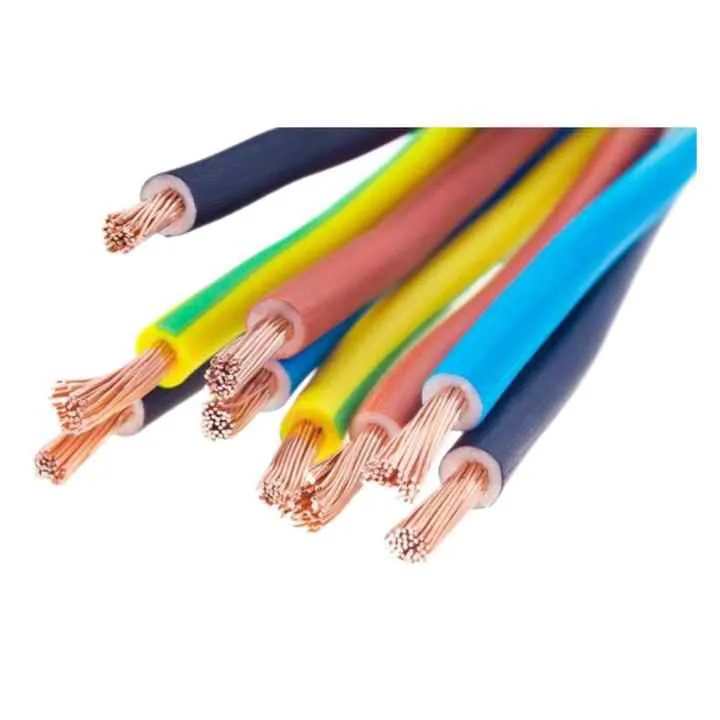
Flexible copper electrical wire with stranded copper conductor, PVC insulation a
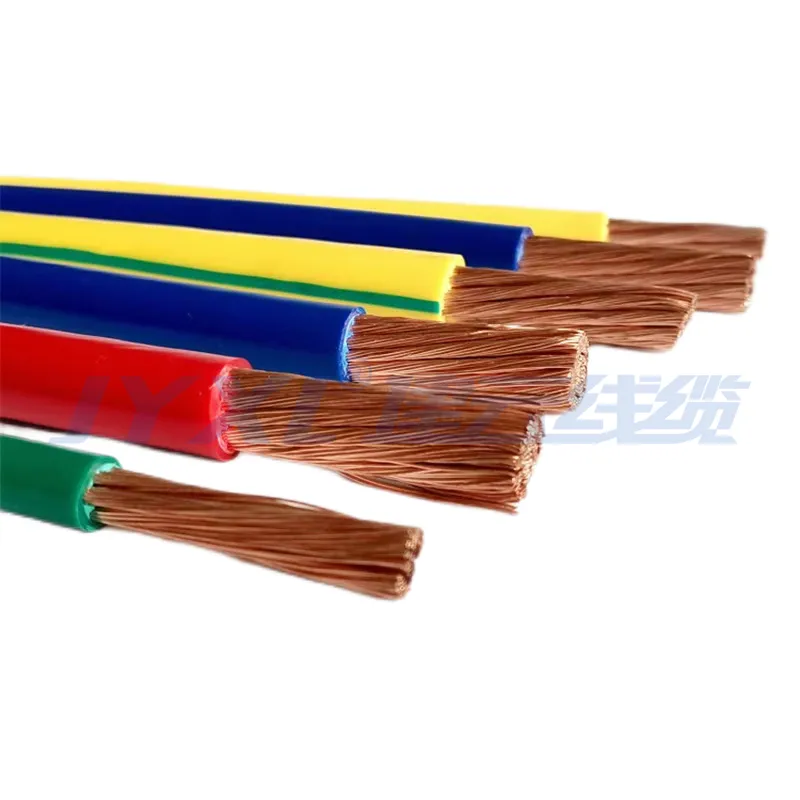
H07V-K flexible electrical wire with 1.5mm² and 2.5mm² stranded copper conductor
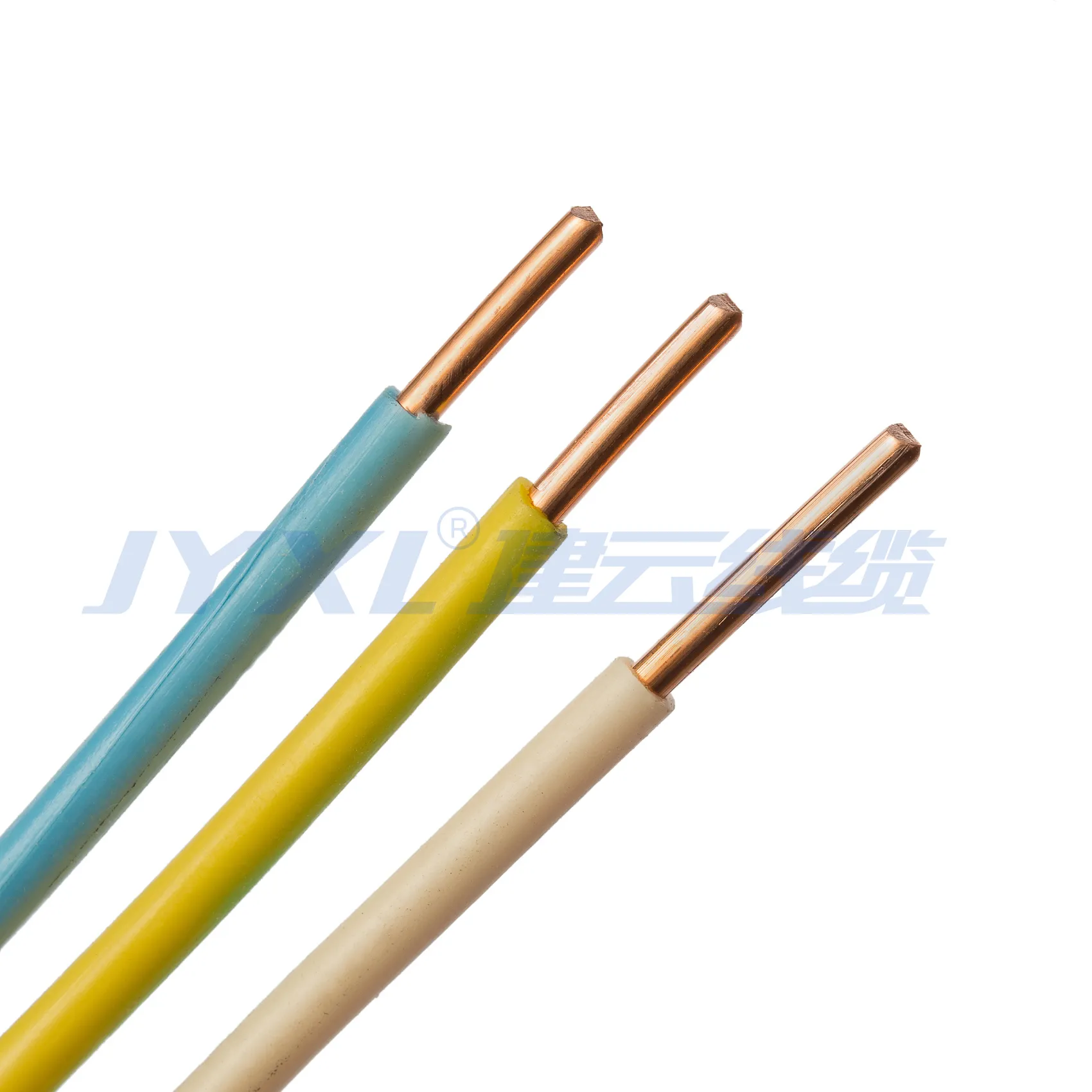
Jianyun H07V-U Solid Copper PVC Wire is a single core rigid electrical wire manu
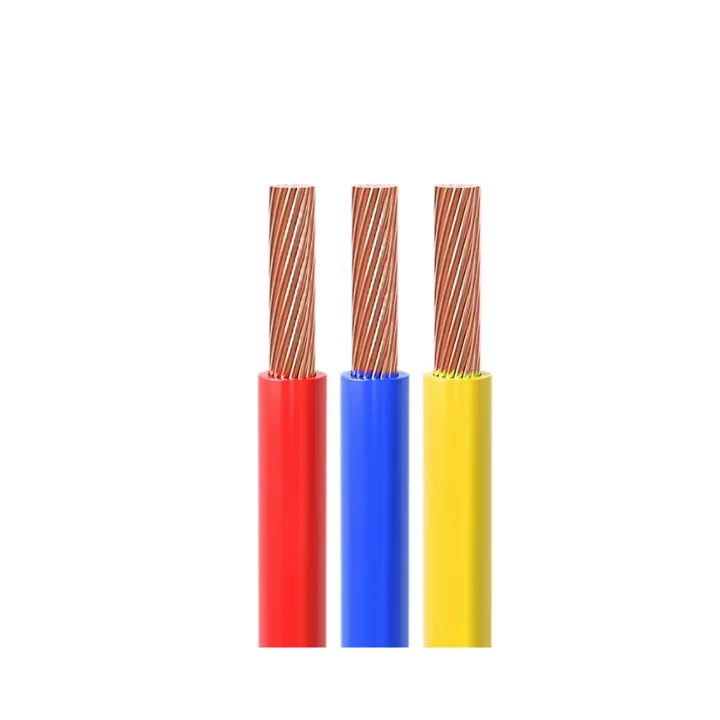
CE Certification 450/750v H07VVF Flexible Copper PVC Insulated Ac Cable 3*2.5 Mm