Keep up to date with our latest company news and relevant industry knowledge.
Time: 2026-05-28 08:59:53 Source: Henan Province Jianyun Cable Co., Ltd.
Author: Jianyun Cable
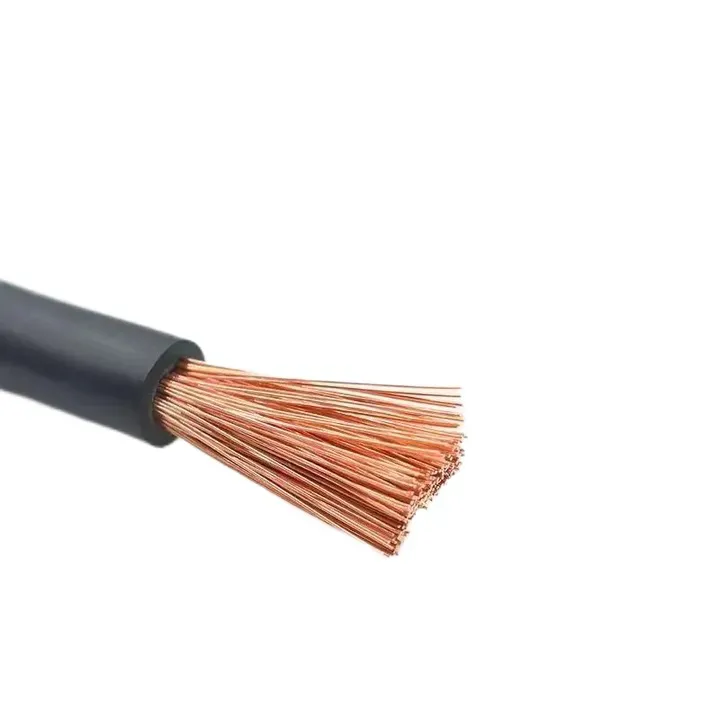
Rubber cable is widely used in industrial environments where flexibility, durability, and reliable electrical performance are essential. Compared with standard PVC cables, rubber insulated cables are designed to handle mechanical stress, bending, movement, vibration, moisture, and outdoor operating conditions.
Industries such as mining, welding, construction, manufacturing, ports, and mobile equipment operations rely heavily on rubber cable systems because these environments demand cables capable of operating safely under difficult conditions.
Jianyun Cable manufactures professional Flexible Rubber Cable solutions for industrial power transmission and mobile equipment applications. This guide explains what rubber cable is, its structure, advantages, applications, and how to select the correct cable for industrial use.
Rubber cable is a type of flexible electrical cable that uses rubber or rubber-like insulation and sheath materials. These cables are specifically designed for applications requiring repeated movement, bending resistance, mechanical durability, and outdoor reliability.
Unlike standard fixed-installation electrical wire, rubber cable is engineered for dynamic environments where cables are frequently moved, flexed, dragged, or exposed to harsh operating conditions.
Rubber cable products are commonly manufactured with copper conductors combined with EPR, natural rubber, neoprene, or other flexible insulation materials.
Most rubber cable products use stranded copper conductors because copper offers excellent conductivity and flexibility.
Fine-stranded conductors improve bending performance and help reduce conductor fatigue during repeated movement.
Rubber insulation provides excellent flexibility and electrical protection. Compared with rigid insulation materials, rubber remains flexible even in demanding operating conditions.
Rubber insulation also improves resistance to moisture, impact, and mechanical wear.
The outer rubber sheath protects the cable against abrasion, oil, sunlight, weather exposure, and industrial operating conditions.
This protective structure allows rubber cable to operate reliably in harsh industrial environments.
One of the biggest advantages of rubber cable is flexibility. These cables can bend repeatedly without damaging the conductor or insulation.
This makes them suitable for mobile equipment, portable machinery, and temporary power systems.
Rubber cable is designed to resist abrasion, impact, tension, and mechanical stress in industrial environments.
This improves operational reliability and reduces cable replacement frequency.
Rubber insulated cables perform well in outdoor and humid conditions. They are widely used in construction sites, mining operations, ports, and marine environments.
High-quality copper conductors combined with durable insulation help maintain stable power transmission and operational safety.
Rubber cable is ideal for equipment that moves frequently, including cranes, welding machines, portable generators, mining systems, and industrial tools.
Rubber cable is widely used in industrial and infrastructure sectors:
Its flexibility and durability make rubber cable one of the most practical cable types for heavy-duty industrial applications.
Industrial environments often require cables to move constantly during operation. Rubber cable maintains flexibility during repeated bending and handling.
Rubber sheath materials provide stronger resistance to abrasion and mechanical damage compared with many standard cable structures.
Construction sites, mining projects, and port equipment often expose cables to rain, sunlight, mud, oil, and dust. Rubber cable performs reliably under these conditions.
Stable insulation and durable sheath structures help improve electrical safety during industrial operation.
The cable voltage rating must match the operating system requirements. Industrial rubber cables are available in multiple voltage categories depending on the application.
Cable size should match the current load and operating conditions. Larger conductor sizes support higher current transmission.
Outdoor, underground, mining, welding, or marine applications may require specific sheath materials or reinforced cable structures.
If the cable will experience constant movement or bending, highly flexible stranded conductor structures should be selected.
Main product recommendation:
Additional related products:
Related technical article:
Jianyun Cable is a professional cable manufacturer specializing in rubber cable, welding cable, power cable, control cable, solar cable, and industrial electrical solutions.
The company provides products manufactured according to international standards with reliable quality control and technical support for industrial and infrastructure projects worldwide.
Its rubber cable products are designed for flexibility, durability, and long-term industrial reliability.
Rubber cable is an essential solution for industrial environments where flexibility, mechanical durability, and outdoor reliability are required. With stranded copper conductors, flexible rubber insulation, and durable sheath structures, rubber cable supports safe and efficient power transmission in demanding operating conditions.
Whether for mining, welding, construction, ports, manufacturing, or portable equipment, selecting the correct rubber cable improves operational safety and long-term performance.
Request a quote today: Get Rubber Cable from Jianyun Cable
Rubber cable is used for industrial equipment, welding machines, mining systems, construction machinery, portable tools, and outdoor power applications requiring flexibility and durability.
Rubber insulation materials provide better flexibility and bending resistance compared with many standard PVC cable structures.
Yes. Rubber cable is designed for outdoor and industrial environments where moisture, sunlight, abrasion, and movement are common.
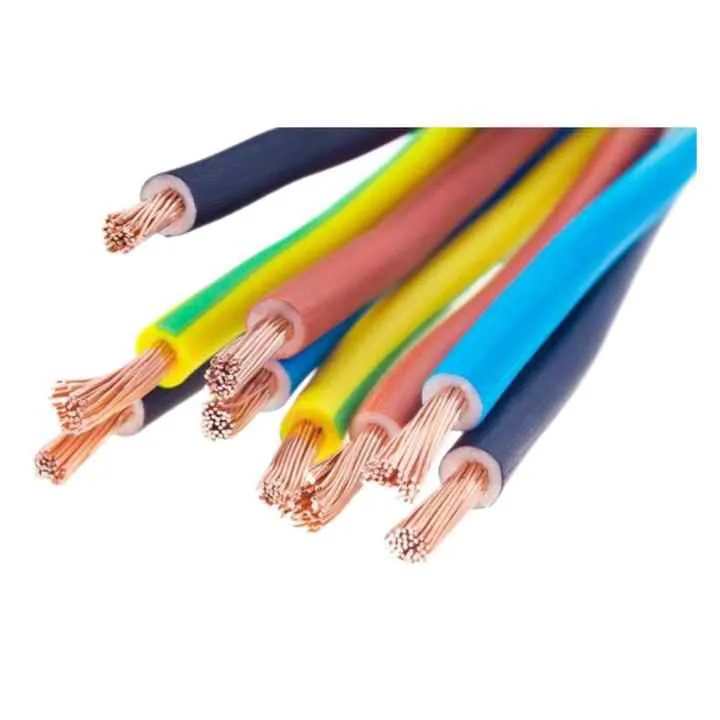
Flexible copper electrical wire with stranded copper conductor, PVC insulation a
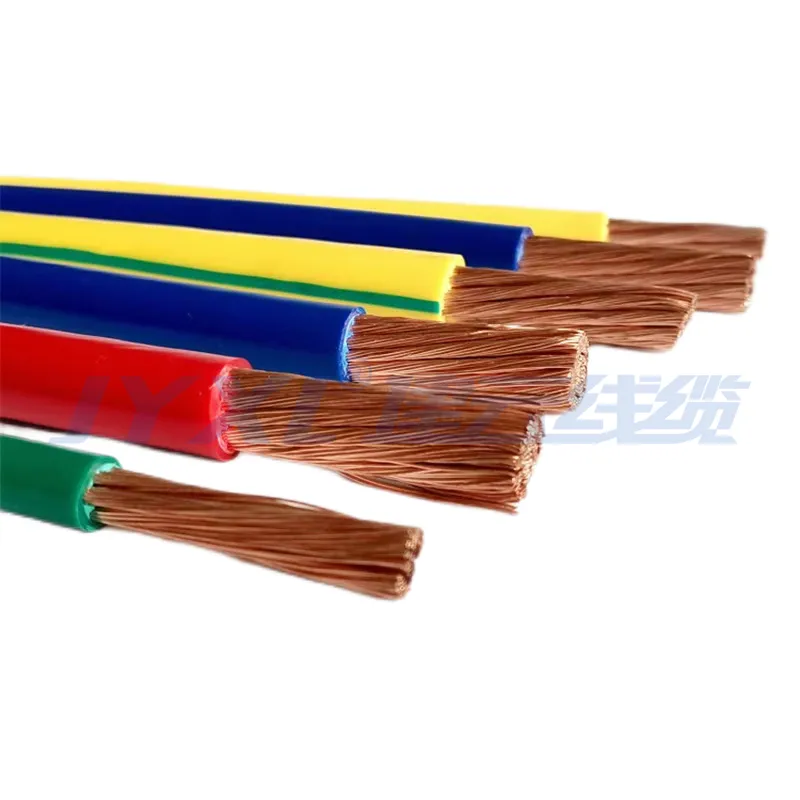
H07V-K flexible electrical wire with 1.5mm² and 2.5mm² stranded copper conductor
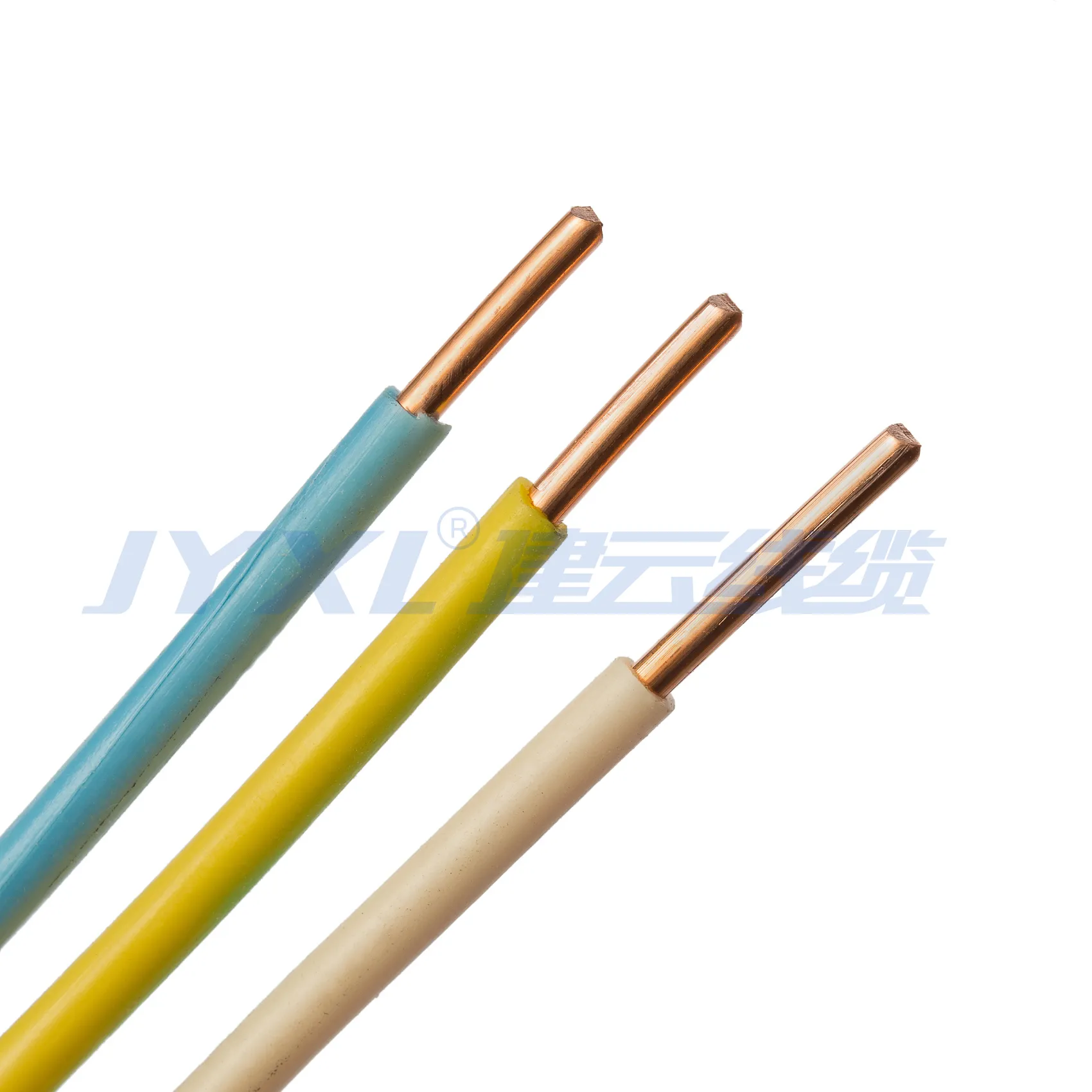
Jianyun H07V-U Solid Copper PVC Wire is a single core rigid electrical wire manu
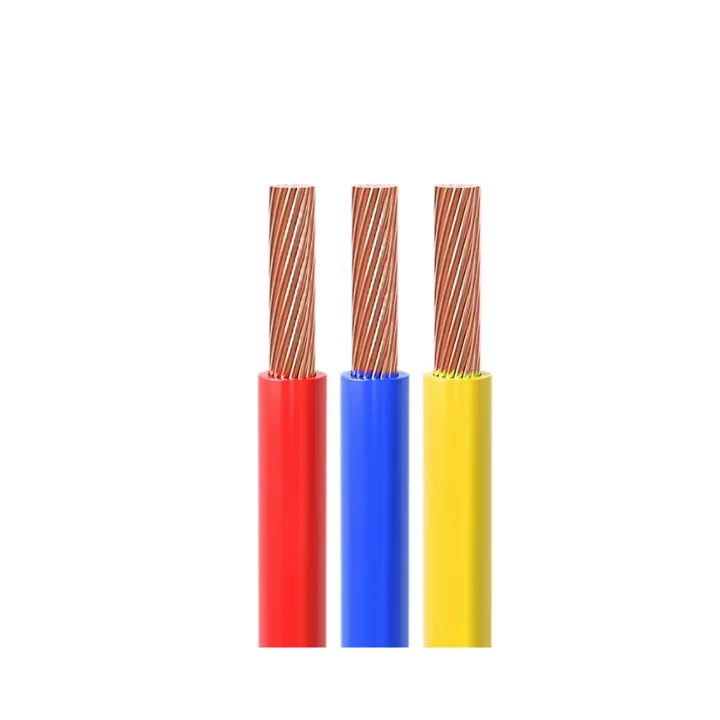
CE Certification 450/750v H07VVF Flexible Copper PVC Insulated Ac Cable 3*2.5 Mm